Leave Your Message
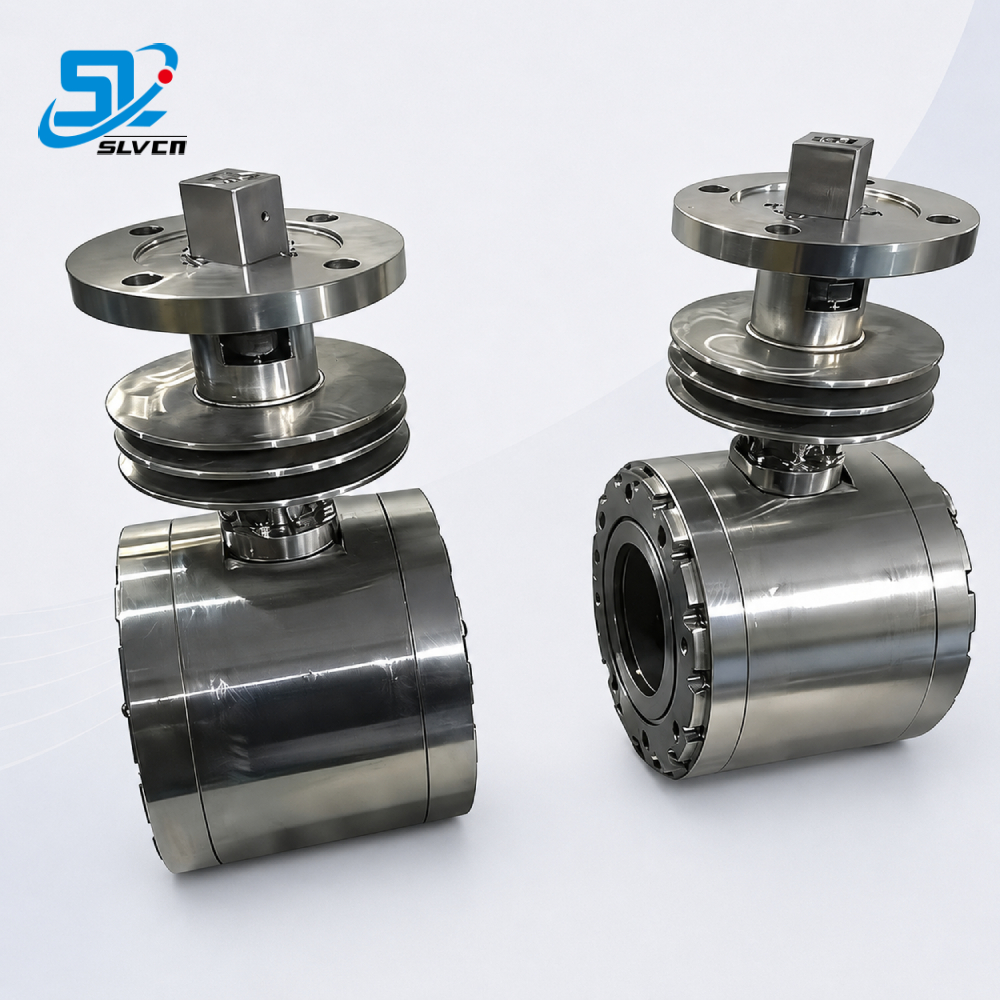
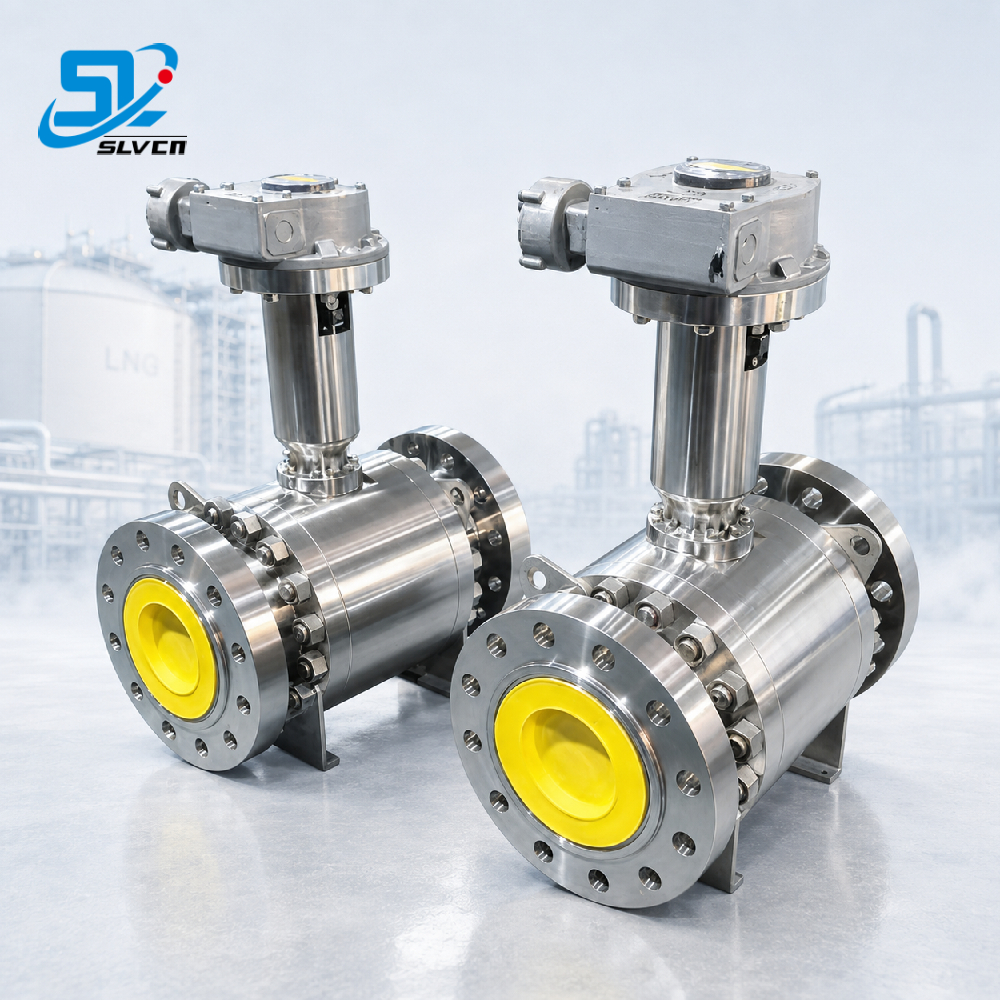
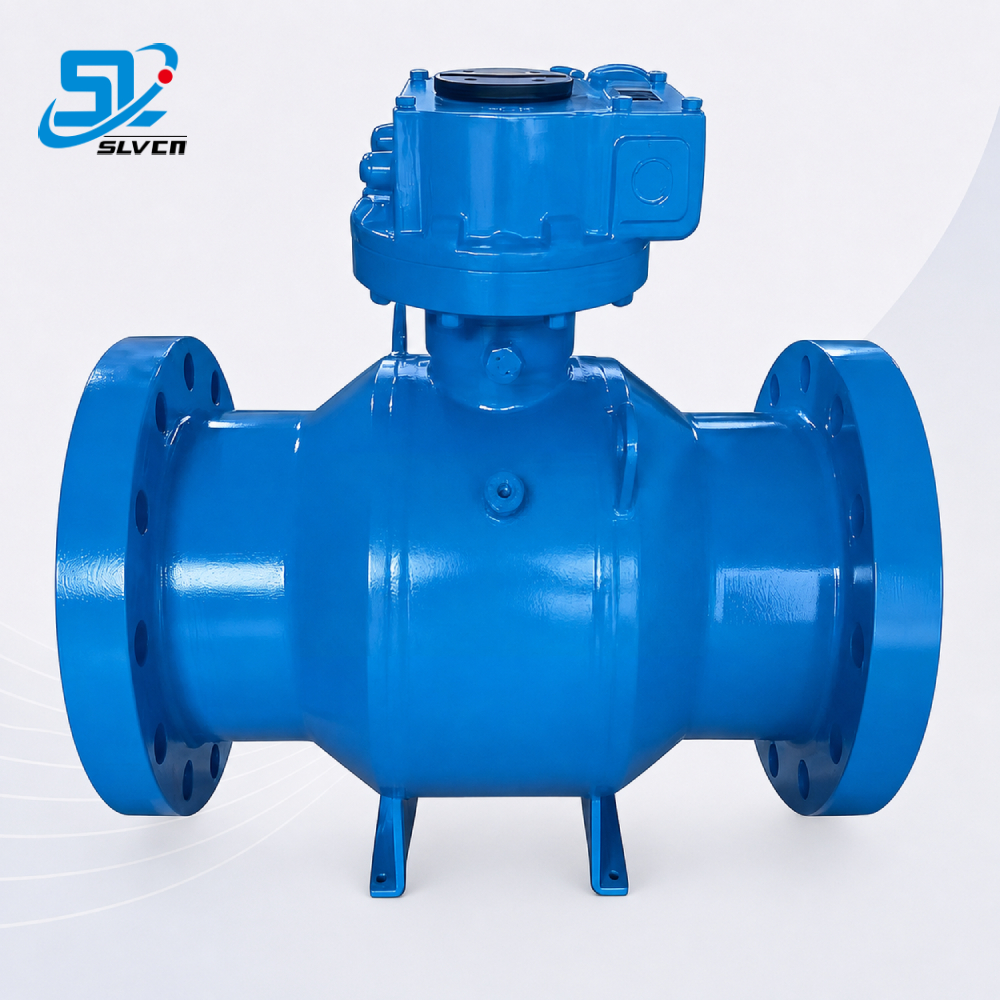
District Heating Networks (DHNs) form the backbones of modern sustainable cities, carrying pressurized hot water or steam over vast distances under highly urbanized zones. The valves managing these networks are buried deep beneath pavements, roads, and structural foundations. Because excavating a street to replace a malfunctioning valve involves astronomical logistics, traffic disruptions, and financial penalties, top entry ball valves have emerged as the gold standard for underground networks.
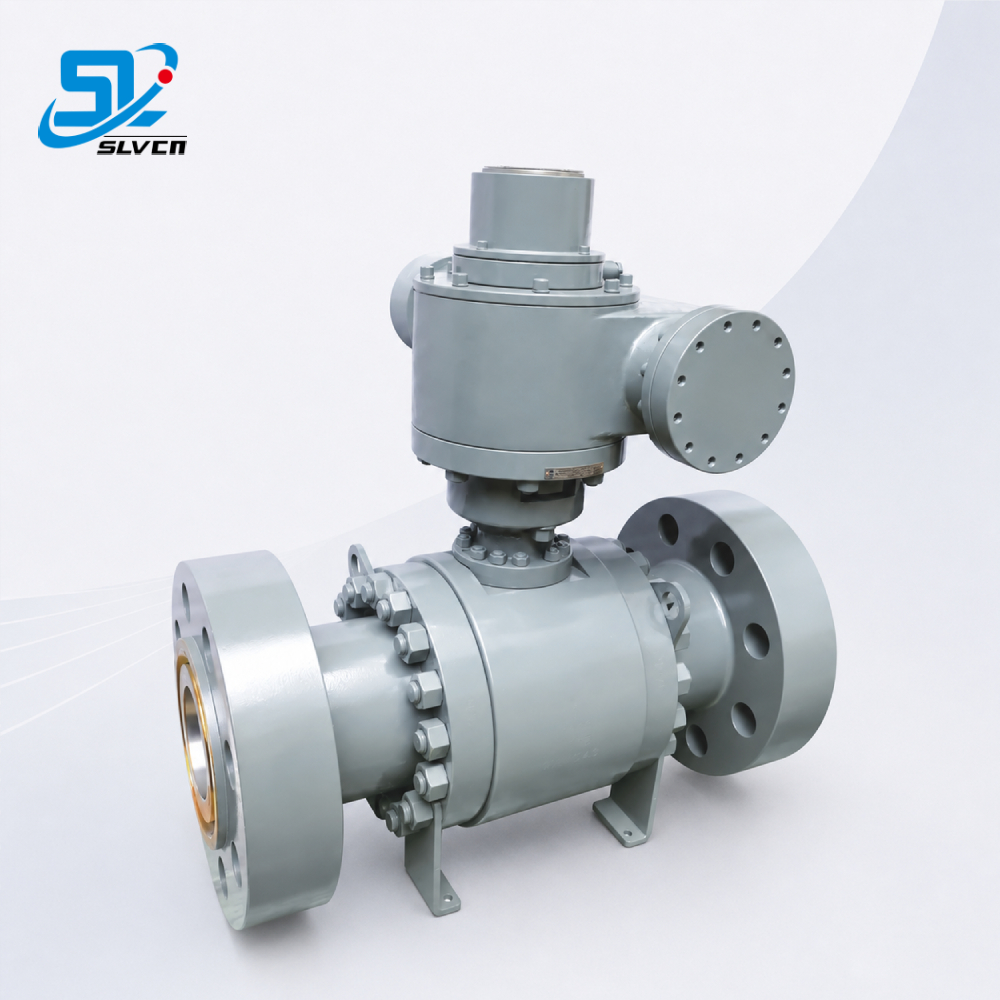
Unlike side-entry split-body valves that must be cut out and removed from the pipeline for internal repair, top entry ball valves allow complete inline maintenance. By simply removing the bolted bonnet, maintenance crews can access all internal components—including the ball, seats, and stem seals—from the ground level or inside a compact valve chamber. This capability dramatically reduces system downtime and operational costs.
Underground district heating networks present a hostile environment for flow control devices. High-temperature water (often exceeding 120°C, and up to 350°C for steam distribution) is combined with high pressure and corrosive chemical treatments. Debris such as magnetite, iron oxide scale, and welding slag frequently circulate through the system, creating an abrasive slurry that can easily destroy soft-seated valves.
For high-temperature and abrasive district heating applications, soft seats (PTFE/Devlon) are inadequate. High-performance top entry ball valves utilize metal-to-metal seating with advanced hard coatings like Stellite, Tungsten Carbide (TCC), or Chromium Carbide (CCC). This ensures bubble-tight shut-off even when scraping against pipe scale and debris.
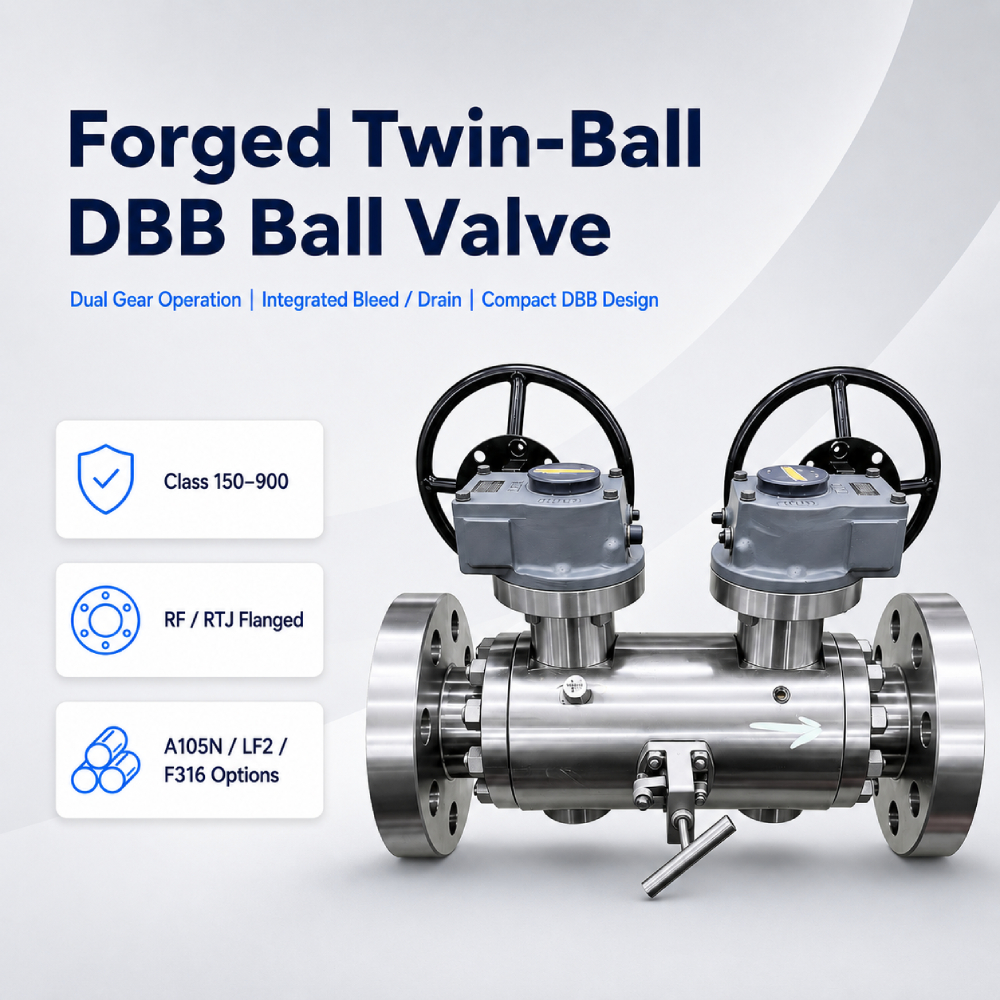
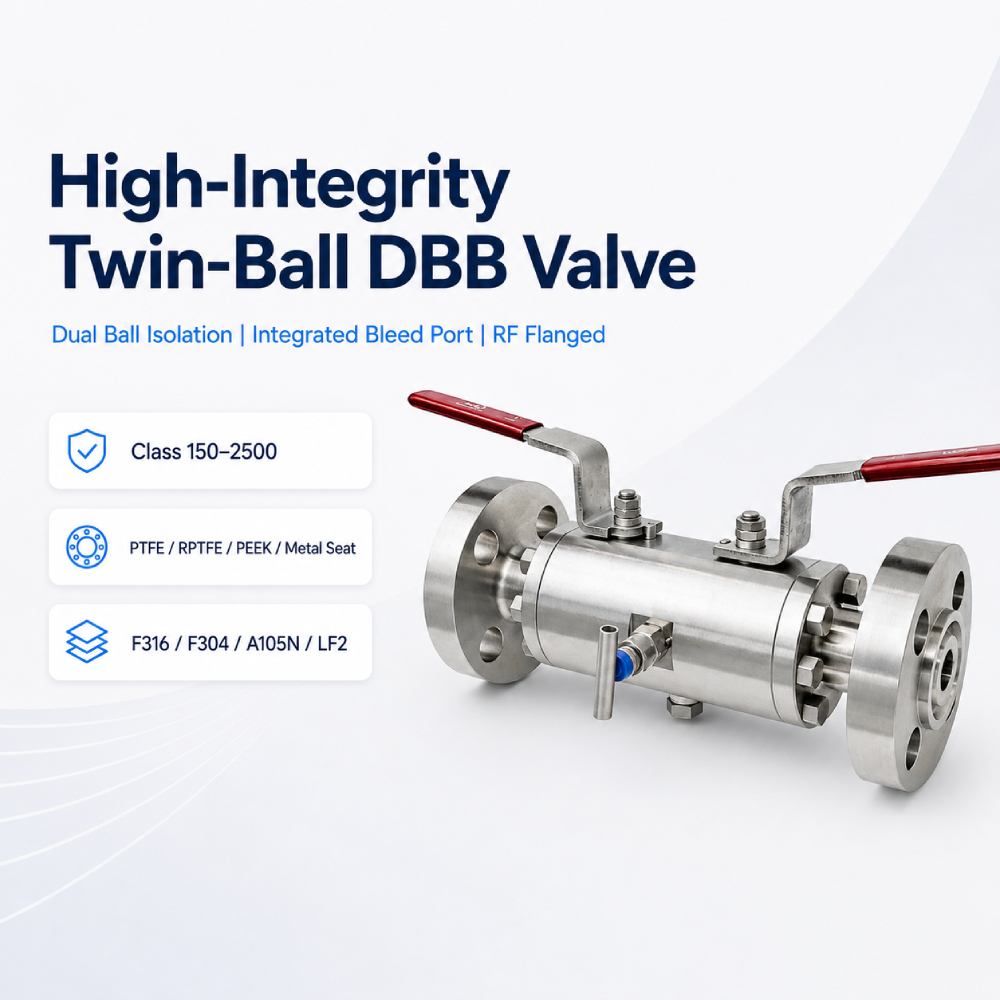
Safety is non-negotiable in municipal environments. The integration of a DBB design allows operators to isolate both upstream and downstream pressure sources and bleed off the cavity pressure. This confirms the integrity of the seals before maintenance is performed, protecting technicians working in confined underground chambers.
Because valves are installed deep underground, they require custom-engineered stem extensions to bring the gear operator or actuator connection up to the street-level chamber. Top entry designs seamlessly integrate with ISO 5211 mounting pads, allowing the installation of electric or pneumatic actuators for automated, remote-controlled smart grid operations.
The global transition toward decarbonization is driving the evolution of district energy systems. Modern 4th Generation District Heating (4GDH) systems focus on lower supply temperatures (typically between 50°C and 70°C) to integrate renewable heat sources like geothermal, solar thermal, and industrial waste heat. However, this transition requires extremely precise flow control, high hydraulic efficiency, and zero thermal energy loss.
Simultaneously, older steam-based systems (1st and 2nd generation) still operating in major metropolitan areas require heavy-duty components that can handle up to 500°C. In both scenarios, top entry ball valves play a crucial role. In 4GDH networks, they are paired with intelligent actuators and sensors to dynamically balance network pressure and flow rates. In high-temperature steam systems, their robust forged steel construction prevents catastrophic failures under heavy thermal expansion stress.
Furthermore, the integration of IoT and predictive maintenance in municipal infrastructures means that modern valves are increasingly fitted with smart diagnostics. By monitoring the torque required to operate the valve, operators can predict seat wear or debris accumulation without ever digging up the street.
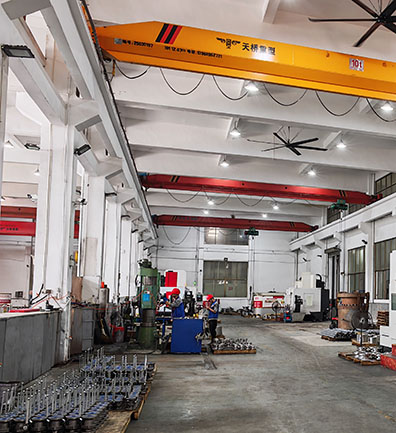
Years of Valve Engineering and Manufacturing Experience


With over 30 years of manufacturing experience, SLVCN is a professional designer and manufacturer of high-performance forged steel ball valves for critical industrial applications. We specialize in extreme working conditions including high pressure, high temperature, and cryogenic environments, providing safe and reliable flow control solutions for global industrial projects where operational reliability is non-negotiable.
Our core product range covers forged trunnion-mounted and floating ball valves, top-entry and side-entry ball valves, fully welded ball valves, metal seated ball valves, cryogenic ball valves, high-pressure ball valves up to Class 2500 (PN420) and customized higher pressure ratings, as well as high-temperature service valves. Compared with conventional cast valves, SLVCN forged valves feature higher material density, superior mechanical strength, improved resistance to pressure fluctuations and thermal shock, and significantly longer service life under severe service conditions.
Contact Our EngineersTo understand the exact requirements of top entry ball valves, we must analyze the specific locations within a district heating network where these valves are deployed:
Underground pipe networks are divided into sectors to isolate sections for maintenance or expansion. Valves installed at these junction points are housed in concrete chambers under city streets. Because space is extremely limited in these vaults, standard side-entry valves cannot be dismantled. Top entry ball valves are the only viable solution, allowing technicians to pull the bonnet, ball, and seats straight up without disturbing the surrounding piping.
In geothermal district heating systems, the primary loop extracts highly mineralized, high-temperature water from deep underground. This water is highly corrosive and prone to scaling. SLVCN's metal-seated top entry ball valves, coated with tungsten carbide, resist the abrasive action of geothermal brine, ensuring reliable isolation at the heat exchanger interface.
Steam networks operating at pressures up to 40 bar and temperatures exceeding 300°C suffer from intense thermal expansion and contraction. This movement exerts severe bending moments on the valves. The solid, one-piece forged body of a top entry ball valve provides the structural rigidity required to prevent deformation, ensuring that the ball remains perfectly aligned with the seats, preventing leaks.

Designed for High Pressure, High Temperature, and Cryogenic Applications, SLVCN valves are widely used in long-distance oil & gas transmission pipelines, LNG storage and regasification terminals, offshore platforms and deepwater projects, power plants, refineries, compressor stations, and high-pressure chemical processing units. Whether handling flammable media, corrosive fluids, sour service media (H₂S), ultra-low temperatures, or extreme differential pressures, our valves ensure stable operation, bubble-tight shut-off, and maximum system safety in accordance with international sealing and performance standards.
Safety and reliability are embedded in every design. Our forged ball valves are equipped with Double Block and Bleed (DBB) structures, anti-blowout stems, fire-safe designs in accordance with API 607 / API 6FA, anti-static devices, emergency sealing systems, and pressure-balanced seating structures suitable for high differential pressure operation. Valves can be designed with SPE or DPE seat configurations based on application requirements. For sour service environments, materials and sealing systems comply with NACE MR0175 / ISO 15156 requirements.
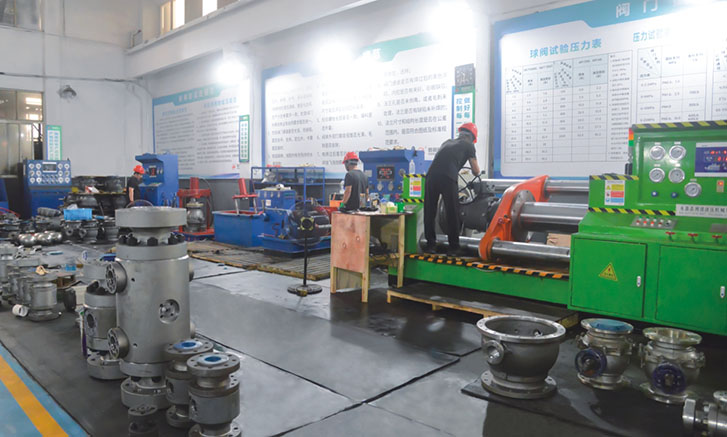
To ensure consistent quality, each valve undergoes a complete series of inspections and performance tests in accordance with API 6D, API 598, and ISO 5208, including shell test, seat leakage test (Rate A / zero visible leakage), fire-safe test, cryogenic test, operational torque test, dimensional inspection, and PMI material verification. SLVCN operates dedicated cryogenic testing facilities to validate valve performance at ultra-low temperatures down to −196°C.
SLVCN is certified to ISO 9001, CE, and API standards, and our products comply with API 6D, ASME B16.34, DIN, ANSI, and JIS specifications. We provide extensive customization capabilities covering sizes from 1/2” to 36”, full bore or reduced bore, special materials including A105, LF2, F11, F22, F51, Inconel, various soft and metal seat designs, and intelligent actuation with pneumatic, electric, and gear operators.
Global Footprint: Today, SLVCN serves customers in more than 100 countries and regions, supplying valves to EPC contractors, engineering companies, and end users across Europe, the Middle East, Southeast Asia, and the Americas. Backed by strong engineering expertise, advanced manufacturing, and rigorous quality control, SLVCN is committed to delivering safe, durable, and truly engineered valve solutions for the world’s most demanding industrial projects.


 18061659285