Leave Your Message

Blog

What Is a High Temp Ball Valve and How Does It Work?

What Is a High Temp Ball Valve and How Does It Work?

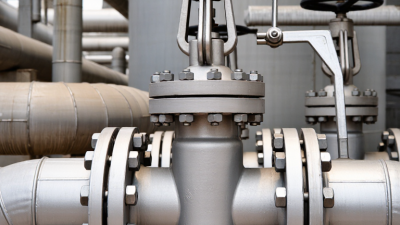
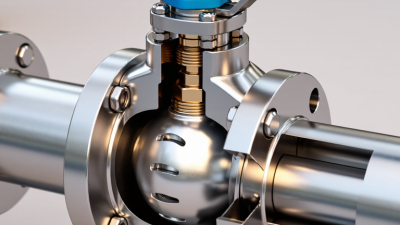
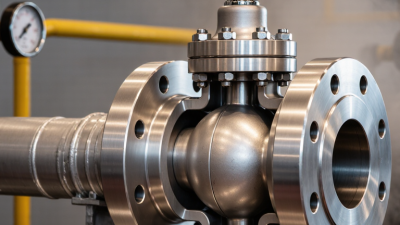
So, what does a High Temp Ball Valve actually do? It handles tough fluid service—the kind where heat, pressure, and chemical exposure push ordinary valve designs past their limits. Inside the body, a spherical closure rotates. Turn it one way, its bored passage lines up with the pipeline and flow moves through. Turn it the other way, flow stops. Usually a quarter-turn actuator handles that movement. Simple idea, right? In practice, though, it can get pretty difficult. The 2024 Industrial Valves Market report from MarketsandMarkets points to steady demand for valves across oil and gas, power generation, chemical processing, and water infrastructure. Those sectors want reliable isolation, lower emissions, and longer stretches between maintenance. That’s where standards come in. ASME B16.34 lays out important requirements for pressure-temperature ratings, materials, testing, and design. API 6D also gives guidance for pipeline valve construction and performance. But standards aren’t a substitute for engineering judgment. A rating table can lead you astray if you ignore thermal cycling, abrasive particles, or fast pressure changes. Out in the field, engineers look at body materials, seat construction, stem seals, actuator torque, and thermal expansion. Metal-seated designs often make sense for severe heat. Soft seats, on the other hand, may give tighter shutoff at lower temperatures. The line between the two isn’t always clear, though. Real service conditions have a way of defeating a valve that looked perfectly suitable on paper. That’s a big reason manufacturers like Flowserve, Emerson, and IMI Critical Engineering stress testing, traceable materials, and qualification for the specific application. This article walks through what a High Temp Ball Valve is, how it works, and why choosing the right one matters. It also pushes back on a few common assumptions—because “high temperature” isn’t just one universal number.
Read more »
Emily By:Emily - October 7, 2026
What Is a Pipe Line Valve and How Does It Work?

What Is a Pipe Line Valve and How Does It Work?

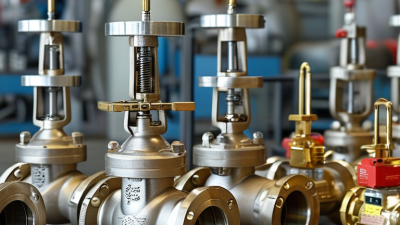
A [Pipe Line Valve](https://www.slvcnvalve.com/pipe-line-valve) is basically a control point inside a pressurized pipeline. Think of it as the gatekeeper — it can start, stop, redirect, or regulate the flow of fluids. In real-world setups, it might be handling anything from crude oil and natural gas to water, steam, or even harsh chemicals. The valve itself sits between flanges or welded pipe sections, and inside, a gate, ball, plug, or disc moves to control the flow. An actuator provides the force needed to turn or lift these parts. Even tiny adjustments in the valve's position can have a big impact on pressure, flow rate, and overall safety of the process. Philip L. Skousen, who wrote the Valve Handbook, simply said, “A valve controls the flow of fluid.” Sounds straightforward, right? But the engineering behind it is anything but simple. When choosing a pipeline valve, you’ve got to match it perfectly to the medium, temperature, pressure, pipe size, and how often it’ll be used. Picking the wrong valve can lead to leaks, seizures, or dangerous pressure surges — and honestly, a lot of folks underestimate those risks. If we look at the industry data, it’s clear why this equipment is taken pretty seriously. The folks at Grand View Research estimated the worldwide market for industrial valves at around USD 78.6 billion in 2023, and they expect it to keep growing through 2030, fueled by energy, water, and manufacturing sectors. MarketsandMarkets also points out that oil and gas infrastructure is a huge demand driver for these valves. Now, those numbers sound impressive, but they don’t guarantee a valve will always work perfectly in the field. Real-world conditions can reveal flaws — maybe a dusty actuator, a corroded stem, or a misaligned flange — that you don’t see in specs. So, understanding how a pipeline valve actually works isn't just about memorizing parts. It’s about connecting the dots between design, installation, inspection, and real-world operation. And, honestly, that connection isn’t always perfect. That’s why careful review and attention to detail are crucial — it’s the best way to make sure everything runs smoothly.
Read more »
Amelia By:Amelia - October 1, 2026
How to Choose the Right Gear Ball Valve?

How to Choose the Right Gear Ball Valve?

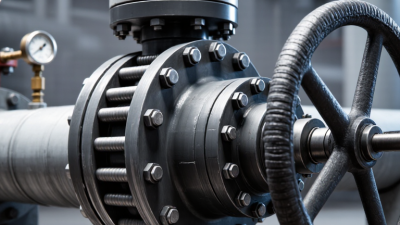
A gear ball valve might seem pretty straightforward when you look at a piping diagram—just a body that turns a quarter, a gearbox, and a handwheel, right? But when it comes down to choosing the right one, things get a bit more complicated. You’ve got to think about pressure ratings, what kind of fluid it’s handling, the size of the bore, how much torque it needs to operate, and how much space there is for installation. Even if a valve seems to fit perfectly into your pipeline, it can still be a pain to operate if the gearbox is too small or doesn’t match well, making things frustrating in practice. The U.S. Department of Energy’s guide on improving pumping system performance really hits the point home: it’s better to look at the entire system, rather than just focusing on one component. That’s especially important here, since pressure drops across the valve and how often it’ll be used can actually impact overall performance. Standards like API 6D and ISO 5211 are helpful references for pipeline valve specs and actuator mounting, but they’re not the whole story—they don’t replace checking your actual working conditions. Details really do matter. Philip L. Skousen, who wrote the Valve Handbook, suggests a solid rule of thumb—just paraphrasing here—pick a valve based on what it needs to do, not just the pipe size. That means checking pressure and temperature limits, the type of media, connection types, and gearbox torque using the manufacturer’s data. Imagine trying to open a handwheel that’s squeezed in tight next to a bunch of pipes—that’s access, and it counts. Missing even one detail can turn into a stubborn operational hassle down the line. Choosing the right valve isn’t always straightforward, and this guide will walk you through how to compare options, verify key specs, and ask suppliers for tech evidence before settling on a gear ball valve.
Read more »
Emily By:Emily - September 27, 2026
What Are the Top 10 Types of Carbon Steel Ball Valves?

What Are the Top 10 Types of Carbon Steel Ball Valves?

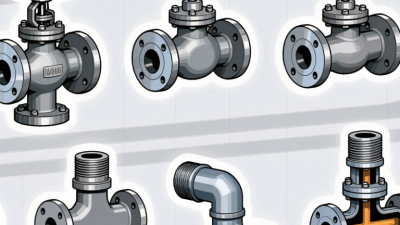
Picking the right Carbon Steel Ball Valve isn’t just about the product labels — it really starts with understanding your actual service conditions. I mean, a valve that works perfectly on a clean water line might not hold up at all in an abrasive slurry, high-pressure gas, or if the temperature keeps cycling up and down. In this guide, we’ll go through the top 10 types commonly used in industrial piping systems — including floating, trunnion-mounted, full-port, reduced-port, flanged, threaded, welded, three-way, jacketed, and cryogenic designs. Each one handles pressure, flow, maintenance, and space a little differently, so choosing the right fit depends on your specific needs. Small details really do matter here. For instance, a full-port valve can make a big difference by reducing turbulence in the line, whereas a reduced-port model might help cut down on upfront costs — both for the valve itself and installation. If you’re working with larger, higher-pressure pipelines, a trunnion-mounted valve can offer more stability during operation. As for connections — threaded options might be great for tight, compact setups, but welded ends tend to give you better long-term strength when removal isn’t a big concern. Of course, the right choice also depends on things like the temperature range, what media you’re working with, seat materials, actuator needs, and inspection routines. So, it’s not just about the steel itself. Remember, there’s no one-size-fits-all valve for every line out there — that’s a myth. It’s important to really test and analyze before making a call. Choosing a reliable valve involves more than just comparing pictures in a catalog. Engineers should dig into pressure-temperature ratings, standards for end connections, sealing performance, torque needs, and how easy it is to access for maintenance. The thing is, real-world conditions often turn out to be quite different from what the specs suggest. Dust, tight spaces, frequent cycling — all these can reveal weaknesses you didn’t see on paper. Sometimes, you’ll need process data to really be sure of your choice, and that’s okay to admit. So, this overview gives you a practical framework to compare these 10 types of Carbon Steel Ball Valves—helping you make smarter, safer, and more informed decisions, with a better grasp of the technical side of things.
Read more »
Charlotte By:Charlotte - September 24, 2026
China Top Actuated Ball Valve Manufacturers for Global Buyers

China Top Actuated Ball Valve Manufacturers for Global Buyers

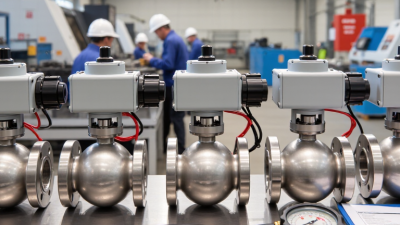
China has really stepped up as a key hub for sourcing Actuated Ball Valve solutions, especially in fields like water treatment, energy, chemical processing, and industrial automation. But honestly, just looking at a factory photo doesn’t tell you much. Buyers from around the world need concrete proof—things like videos or live shots from the workshop, test rooms, and service desks to really understand what they're getting. Tony R. Kuphaldt, who wrote Lessons in Industrial Instrumentation, reminds us of something pretty important: “A valve isn’t just a pipe fitting; it’s a final control element.” And that really matters. An Actuated Ball Valve has to match the medium, pressure, temperature, cycle frequency, and control signals perfectly. Plus, the actuator needs to provide consistent, reliable torque under real-world conditions. In this guide, we’ll look at some of the top Chinese manufacturers like Neway Valve, SUFA Technology Industry, Kaifeng High-Pressure Valve, and Zhejiang Ouming Valve. We consider their product ranges, machining capabilities, how well they integrate actuators, their inspection standards, and experience with exports. We also dig into details that are easy to overlook—things like ISO 5211 mounting, API 6D certification, API 607 fire-safe testing, and ISO 15848 emissions control. So don’t just rely on glossy brochures. Always ask for material certificates, pressure test results, torque data, and serial numbers you can trace back. If the application is critical, request a sample inspection—better safe than sorry. Sometimes, tiny gaps in information or quality can turn into costly failures down the line. And remember, no single shortlist is perfect. The quality can differ from one model to another, from different factories, or even between batches. Some suppliers communicate nicely but may lack deep engineering expertise. Others make fantastic valves but are slow to respond after shipment. That kind of inconsistency is worth paying attention to. The right partner isn’t necessarily the cheapest factory. It’s the one that can back up their claims, explain any limitations, and support you even after the valve’s been installed.
Read more »
Emily By:Emily - September 21, 2026
What Is a Manual Ball Valve and How Does It Work?

What Is a Manual Ball Valve and How Does It Work?

A Manual Ball Valve is a pretty straightforward device used to control the flow of fluids through pipes. At first glance, it looks simple—just a ball that rotates inside the valve body—but for it to work reliably, choosing the right one and installing it properly is crucial. Inside the valve, there's a drilled ball that spins around its center; a quarter turn lines up the opening with the pipe, letting fluid flow through. Turn it another quarter turn, and it blocks the passage. That's basically the core idea. The handle is connected to the ball via a stem. When the handle points straight along the pipe, the valve is usually open. If you turn it across the pipe, it’s closed. Around the ball, there are seats that help create a tight seal, while the body holds pressure and keeps the internal parts safe. In real-world use, folks really appreciate how quick it is to operate, how clearly they can see whether it’s open or closed, and that it doesn’t need much maintenance. But, here’s the thing—this kind of valve isn’t always a one-size-fits-all fix. It’s mainly meant for turning things on and off, not for fine-tuning flow levels. Leaving it partially open can cause extra wear, vibrations, or even damage the seats. Material choice also really matters. For example, stainless steel, brass, or plastic bodies are designed for different fluids, temps, and environments. A valve that works just fine with clean water might not hold up if you’re dealing with abrasive media. At the end of the day, good engineering isn't just about turning a handle; it’s about doing it right. Before installation, technicians should double-check a bunch of key factors—size, pressure ratings, temperature limits, connection types, and seal materials. Skipping these steps or forcing a stiff handle can lead to failures that cost you later. Following the manufacturer’s instructions and getting a qualified inspection really helps prevent mistakes—even if the valve looks perfect on the outside. This guide walks you through how a Manual Ball Valve is built, how it works, its pros and cons, and what to consider when selecting one for your needs.
Read more »
Amelia By:Amelia - September 16, 2026
China Top 10 Pneumatic Ball Valve Suppliers?

China Top 10 Pneumatic Ball Valve Suppliers?

Picking the top pneumatic ball valve suppliers in China isn't just about checking prices — there's a lot more to consider. Think of this as your guide to the key things to look out for: manufacturers who pay attention to valve design, actuator performance, quality checks, and export support. A trustworthy supplier should be upfront about what materials they use for the valve body, sealing options, pressure ratings, and operating temperatures — details really matter. And don’t skip the product drawings and test reports; they tell you a lot about what you're getting. When evaluating suppliers, take a look at how experienced they are in manufacturing, their engineering expertise, certifications, ability to customize, deliver reliably, and how well they support after sales. Keep an eye on specifics like whether they use stainless steel or carbon steel, and whether their actuators are double-acting or single-acting. Don’t forget about pneumatic accessories like solenoid valves and limit switches — these little details can make a big difference, especially if you're using them in water treatment, chemicals, food processing, or general industrial automation. Honestly, no ranking will be perfect. Sure, supplier websites look sleek and promising, but it’s still on you to do some homework. Things like factory visits, testing samples, and checking their documentation can reveal issues that a catalog won’t show. Certifications like ISO 9001 are good to have, but they don’t replace actual process inspections or pressure tests. And before you seal the deal, make sure to verify the materials’ traceability. My goal here is to help you make an informed decision rather than push one company over another without solid proof. When choosing a supplier, think about how quickly they respond, how clear their technical communication is, the quality of their packaging, and whether they can support replacements if needed. Some suppliers are excellent at customizing solutions but might not offer the best prices for standard models. Others might give you a good quote but need closer supervision. Use this as a starting point: ask specific questions, look for real evidence, and don’t settle for just pretty marketing. It’s all about making your sourcing process smarter and more confident.
Read more »
Charlotte By:Charlotte - September 11, 2026
China Top 10 Petroleum Valve Manufacturers in 2026

China Top 10 Petroleum Valve Manufacturers in 2026

As we step into 2026, China's petroleum equipment scene is really ramping up its focus on safety, durability, and traceability in manufacturing. When it comes to petroleum valves, reliability is key—they have to handle pressure swings, corrosive media, vibration, and regular use without giving out. These tough conditions can quickly reveal any weak spots in the materials. In this guide, we're taking a look at the top 10 petroleum valve manufacturers in China, based on real industry criteria. We considered everything from their product ranges, material quality, pressure ratings, testing methods, certifications, and how much they produce, to their after-sales support. We dug into manufacturer datasheets, public technical info, and user application records—pretty basic stuff—but honestly, how these valves perform in the field is what really counts. Because, at the end of the day, details matter. You might see a valve body that looks super polished, but don’t let that fool you—its sealing performance can fail under high heat. Things like internal surface finish, stem design, compatibility with actuators, and inspection reports are all critical. The companies we're looking at serve all sorts of fields—oil, gas, refining, petrochemicals, pipelines, you name it. Their capabilities can vary a lot, even if the product names look similar. Remember, this ranking is just to help you make smarter comparisons—it’s not a substitute for detailed technical checks. Make sure to double-check current certifications, delivery timelines, warranty details, and project references directly with each manufacturer. Markets change pretty fast, and some of the info you’ll find publicly might be incomplete or even a bit outdated. So, be honest about that. What follows is an overview of manufacturers that really stand out in China’s petroleum valve market. It also gives a sense of where each one fits best—whether it’s standard pipeline use or high-pressure, demanding applications. When choosing a product, think about the medium, temperature, pressure, installation environment, and upkeep plan. Picking the right valve can save you from leaks, downtime, and long-term costs down the line.
Read more »
Emily By:Emily - September 7, 2026
How to Choose the Right Manual Ball Valve for Your Needs?

How to Choose the Right Manual Ball Valve for Your Needs?

In today's industrial world, picking the right Manual Ball Valve really can’t be overstated. Honestly, having some expertise in this area is pretty much essential. I mean, industry pro John Smith from Precision Valves puts it simply: "The right valve can boost efficiency and keep things safe." That really captures how important it is to understand all the different factors when you're selecting a Manual Ball Valve. With so many options floating around, making a decision can sometimes feel overwhelming. You’ve got to think about things like size, what material it’s made of, and what it’s actually gonna be used for. All these details affect how well it performs and how long it lasts. And let’s not forget, you need to consider the environment where it’s going to be operating. Making the wrong choice could mean a loss in efficiency or even costly repairs. A poorly chosen valve can really mess with your system’s integrity. Thinking back on past experiences can also help steer your decision in the right direction. Plenty of professionals have run into hiccups when choosing valves—that kind of stuff teaches you a lot. Learning from those mistakes can save you headaches down the line. Doing your homework and chatting with the experts can really make a difference. In the end, making an informed choice leads to smoother operations and longer-lasting, more reliable systems.
Read more »
Charlotte By:Charlotte - August 19, 2026
Top 10 Benefits of Using Double Valve in Procurement?

Top 10 Benefits of Using Double Valve in Procurement?

In today’s super competitive world of procurement, using a Double Valve can really give companies a solid edge. I came across a report from the Global Procurement Institute that says businesses could see up to a 25% boost in efficiency just by switching to Double Valve systems—that’s pretty impressive! And Dr. James Halstead, a supply chain expert over at Valve Solutions, made a good point when he said, "Double Valves don’t just make things more reliable; they can also cut costs significantly." More and more organizations are jumping on the bandwagon and adopting Double Valves to smooth out their operations. These systems help reduce downtime and give better control over fluids, which is a game-changer for industries, whether it’s manufacturing or energy. But here’s the thing—moving to a Double Valve isn’t always a walk in the park. There’s the upfront cost, plus some training needed for staff, which can sometimes get overlooked. Some companies rush into it without fully considering these factors, and that might lead them to underestimate the real savings they could get. Figuring out whether a Double Valve is the right move really calls for some careful thought. Every organization needs to consider both the perks and the potential downfalls before making a switch. Yeah, it involves some risks, but honestly, the long-term benefits often make it worth it. Talking to experts, checking out case studies—those can really help paint a clearer picture before you dive in.
Read more »
Charlotte By:Charlotte - August 16, 2026
Best Cryogenic Ball Valve Options for Global Buyers?

Best Cryogenic Ball Valve Options for Global Buyers?

In the fast-paced world of cryogenic applications, choosing a reliable cryogenic ball valve is a pretty big deal. Experts like Dr. Emily Stanton from CryoTech Solutions often stress how crucial this choice is—she mentions, “A well-selected cryogenic ball valve can really make or break your system’s efficiency.” It just goes to show how important it is to pick valves that can handle those crazy extreme temps and pressures without giving out. You’ll find a bunch of options out there for global buyers, and they vary pretty a lot in terms of materials, design, and how well they perform. For example, stainless steel and bronze are always popular because they’re super durable. Brands like ValvTechnologies are known for offering innovative solutions, especially for those tough environments. But here’s the thing—figuring out what’s best for your specific needs isn’t always straightforward. Not all valves are created equal, after all. Going for quality is really worth it. Cheap or poorly chosen valves can lead to costly failures or system shutdowns—nobody wants that! As Dr. Stanton points out, it’s smart to stick with manufacturers that are accredited and have thorough testing procedures. Yeah, this whole field can seem a bit overwhelming at first, but getting to know the range of cryogenic ball valves out there really helps you make smarter, more confident decisions. Every choice you make can seriously impact how efficient and safe your operation is. So, take your time—your system will thank you.
Read more »
Charlotte By:Charlotte - August 11, 2026