


 18061659285



Ni55, Ni60, Stellite, or Tungsten Carbide: How to Choose Hard-Facing Materials for Metal-Seated Ball Valves
In severe service applications, choosing the right sealing material is one of the key decisions when selecting a metal seated ball valve.
When valves operate under high temperature, abrasive media, frequent cycling or high pressure differential conditions, conventional soft-seated designs may not provide the required service life.
💡 Key Insight: A metal seated ball valve uses hardened metal sealing surfaces between the ball and seat to improve resistance against wear, erosion and temperature. However, valve performance depends not only on the metal seat design, but also on the selected hard-facing material.
Ni55, Ni60, Stellite and Tungsten Carbide are commonly used hard-facing materials. Each material provides different advantages depending on the actual operating conditions.
Why Hard-Facing Material Selection Matters
Unlike traditional soft-seated valves, a metal-to-metal ball valve relies on hardened metal contact surfaces. The selected material should provide the right balance between:
- ✔ Wear resistance
- ✔ Corrosion resistance
- ✔ Temperature stability
- ✔ Sealing reliability
- ✔ Compatibility with the operating medium
Ni55 and Ni60: Practical Choices for General Service
Ni55 and Ni60 are nickel-based hard-facing materials providing a balanced combination of wear resistance, corrosion resistance and cost performance. They are often considered for general industrial service, oil and gas systems and chemical processing.
Stellite: High Temperature and Wear Resistance
A high temperature ball valve with Stellite hard-facing is ideal for maintaining sealing performance during long-term operation, such as in steam service and petrochemical plants.
Tungsten Carbide: Severe Abrasion and Erosion
When abrasion and erosion are primary concerns (e.g., slurry media, mining systems), Tungsten Carbide offers extremely high hardness to withstand continuous erosion risks.
Comparison Table
| Material | Advantages | Best For |
|---|---|---|
| Ni55 / Ni60 | Balanced performance | General industrial |
| Stellite | High-temp stability | Steam / Petrochemical |
| Tungsten Carbide | Extreme hardness | Slurry / Mining |
Product Gallery
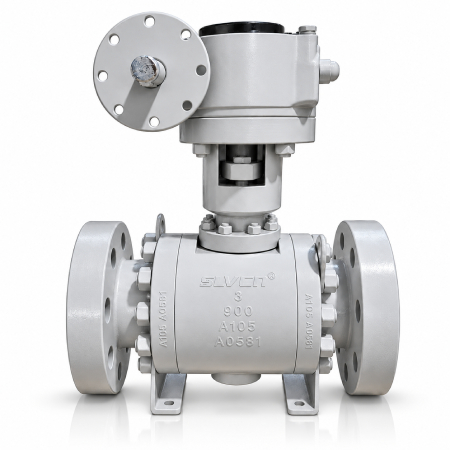
Metal Seated Trunnion Ball Valve
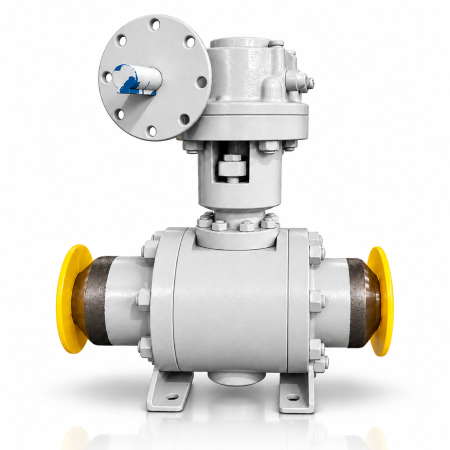
Metal Seated Ball Valve with Butt-Weld Ends
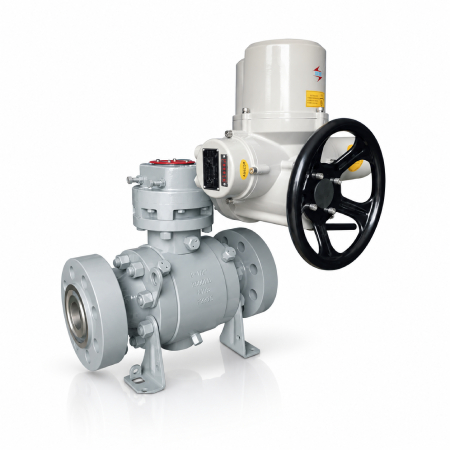
Class 2500 A105 Metal Seated Ball Valve
How SLVCN Helps
SLVCN provides customized solutions for oil & gas, power generation, and chemical processing. With over 20 years of experience, our technical team evaluates your specific operating conditions (temperature, pressure, media) to recommend the exact hard-facing solution you need.
FAQ
Q: What is a metal seated ball valve?
A: It uses hardened metal sealing surfaces instead of soft materials to handle high-temperature and abrasive applications. Common materials include Ni55, Ni60, Stellite, and Tungsten Carbide.
Q: Is Stellite better than Tungsten Carbide for a ball valve?
A: Neither material is universally better.
Stellite is often selected when balanced wear resistance, corrosion resistance and high-temperature stability are required.
Tungsten Carbide is typically considered when extreme hardness and abrasion resistance are required, such as slurry or erosion applications.
The correct choice depends on the actual operating conditions.
Q: When should I use a tungsten carbide ball valve?
A: A tungsten carbide ball valve is commonly considered for applications involving abrasive particles, slurry, erosion or severe wear conditions.
Mining, catalyst handling and abrasive media systems are typical examples where Tungsten Carbide hard-facing may improve valve service life.
Q: How do I choose the right hard-facing material for a metal seated ball valve?
A: The selection should consider:
- Medium characteristics
- Operating temperature
- Pressure differential
- Abrasion level
- Corrosion conditions
- Operating frequency
- Required service life
If you provide your application details, SLVCN can help evaluate the suitable hard-facing material and recommend the appropriate metal seated ball valve configuration.