


 18061659285



Fully Welded Ball Valves for Buried Natural Gas Pipelines: Key Selection Factors
Buried natural gas transmission pipelines place different demands on valves than conventional above-ground piping systems. Once a valve is installed underground, access for inspection and maintenance becomes limited, while the valve may remain in service for many years under continuous pipeline pressure.
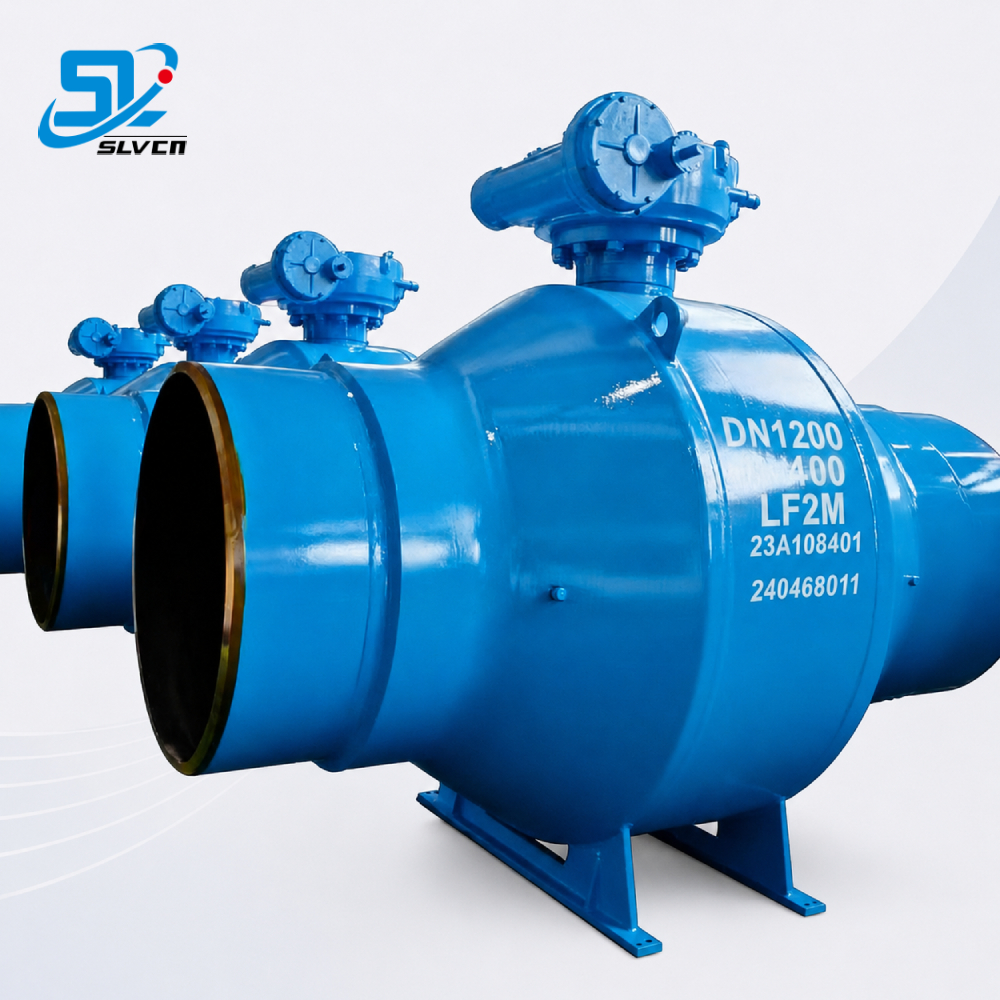
For this reason, fully welded ball valves are widely used in natural gas transmission and other long-distance pipeline systems. Their welded body construction eliminates the bolted body joints found in conventional split-body valves, reducing potential external leakage paths and maintenance points.
For larger sizes and higher pressure classes, a fully welded trunnion ball valve is commonly used. The trunnion-mounted structure supports the ball mechanically and is well suited to large-diameter and high-pressure pipeline service.
However, selecting a ball valve for natural gas involves much more than choosing the valve size and pressure class. For buried service, we recommend confirming pigging requirements, burial depth, stem extension, welding-end compatibility, seat configuration and the required isolation philosophy.
The following five factors are among the most important when selecting a fully welded ball valve for a buried natural gas pipeline.
1. Start with the Actual Pipeline Conditions
The first step is to define the actual pipeline operating and design conditions.
Valve size and pressure class are important, but they do not provide enough information by themselves. We normally review the gas composition, operating and design pressure, minimum and maximum design temperature, pipeline location and applicable project standards before determining the valve configuration.
These conditions determine whether the proposed pipeline ball valve is suitable for the application rather than simply matching the nominal pipe size.
Material selection also starts here. Carbon steel is widely used for natural gas transmission service, while low-temperature carbon steel or other materials may be required depending on the minimum design temperature and project environment. If the gas contains H₂S, sour-service requirements such as NACE MR0175 / ISO 15156 may also need to be considered.
For larger sizes or higher pipeline pressures, a trunnion mounted ball valve is generally preferred over a floating-ball design. Because the ball is mechanically supported, the trunnion structure helps maintain stable operation and control operating torque as valve size and differential pressure increase.
2. Confirm Full Bore and Piggability Requirements
For long-distance natural gas pipelines, bore configuration is often directly related to pipeline cleaning and inspection requirements.
Transmission pipelines may use pigs for cleaning, gauging or in-line inspection. If a valve is installed in a piggable section of the pipeline, its internal flow passage must be suitable for the required pigging operation.
A full port ball valve, also referred to as a full-bore ball valve, is therefore commonly specified where pig passage and minimum flow restriction are required.
3. Buried Installation Requires More Than an Extended Stem
One of the most obvious differences between an above-ground valve and an underground fully welded ball valve is the operating arrangement.
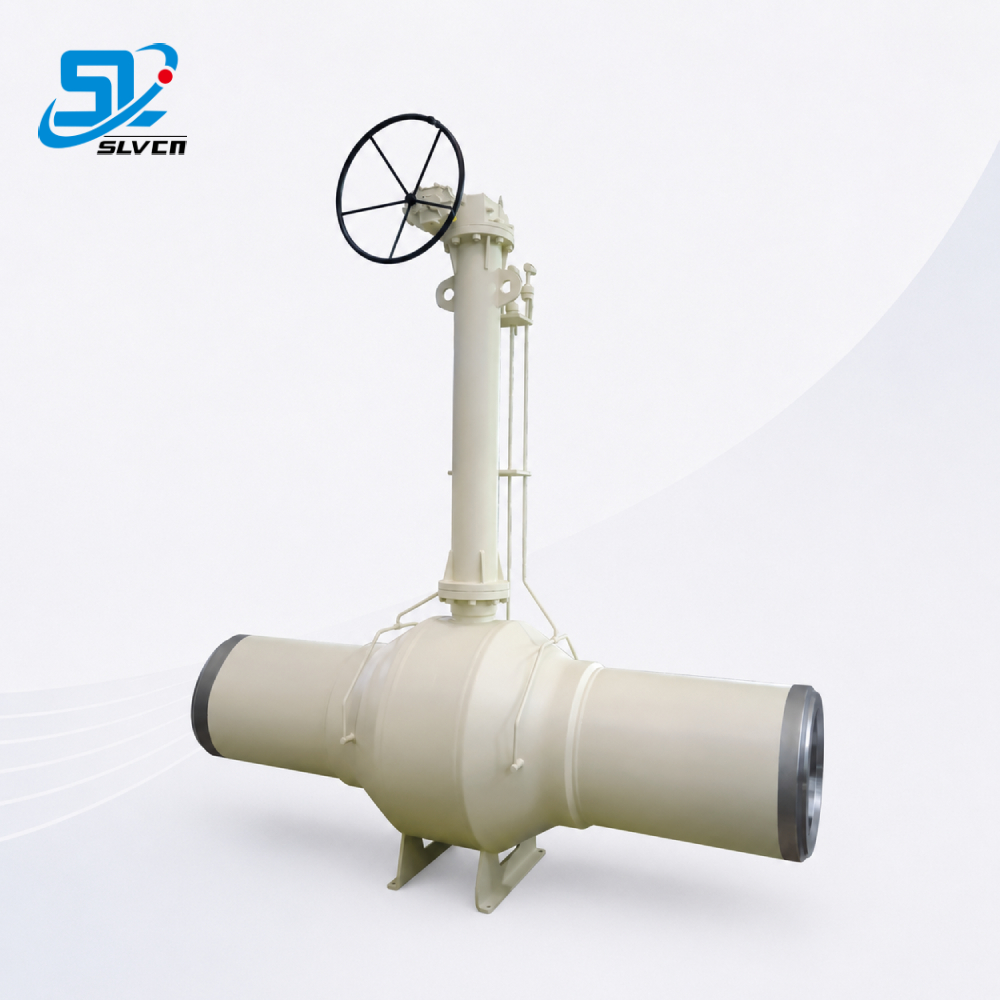
The valve body may be installed well below ground level, while the gearbox, actuator or operating interface still needs to remain accessible from the surface. A ball valve with extended stem is therefore commonly specified for buried installations.
4. Butt-Weld Ends Must Match the Line Pipe
Butt-weld connections are commonly used for fully welded valves installed in underground natural gas transmission pipelines.
A butt welded ball valve can be welded directly into the pipeline, avoiding buried flange joints and creating a permanent pipeline connection.
5. Confirm Seat Configuration, DBB and Cavity Pressure Requirements
For a trunnion ball valve, seat configuration affects sealing direction, cavity pressure behavior and the isolation function of the valve.
A DBB ball valve, or double block and bleed ball valve, can provide isolation from both sides of the valve while allowing the body cavity to be vented or drained under the specified operating condition.
A Complete Specification Starts with the Application
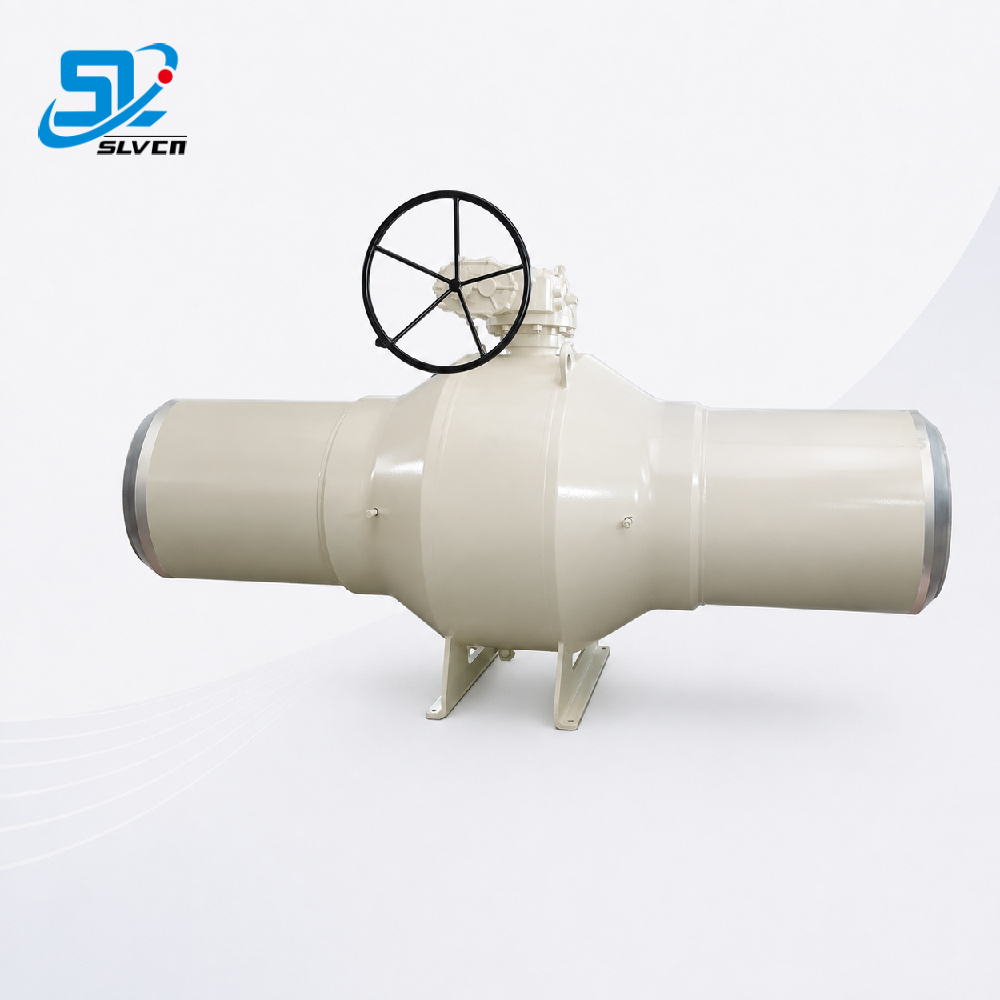
A fully welded body offers clear advantages for buried pipeline service, but body construction alone does not determine whether a valve is suitable for a specific project.
Fully Welded Ball Valve Solutions from SLVCN
With more than 20 years of valve manufacturing and export experience, SLVCN supplies industrial valve solutions to customers and projects in more than 100 countries.
For natural gas transmission, oil and gas and pipeline applications, SLVCN manufactures fully welded ball valves, trunnion mounted ball valves, high-pressure ball valves and DBB ball valves.
FAQ
Q: What type of ball valve is commonly used for buried natural gas pipelines?
A: For large-diameter and higher-pressure transmission pipelines, fully welded trunnion-mounted ball valves are commonly used because the welded body reduces potential leakage paths from body joints, while the trunnion design supports stable operation under pipeline pressure.
Q: Does a buried gas pipeline ball valve need to be full bore?
A: Not always. Full bore is commonly specified where pigging capability or minimum flow restriction is required. Reduced bore may be acceptable where the pipeline design allows it.
Q: What information is required for a butt-weld fully welded ball valve?
A: In addition to valve size and pressure class, we normally review the mating pipe outside diameter, wall thickness, material grade and required weld-end preparation, together with the design pressure, design temperature and applicable project standards.
Need Help Selecting a Fully Welded Ball Valve?
Send us your medium, valve size, pressure, temperature, line-pipe information, burial depth and installation requirements. Even if your specification is not complete, SLVCN can help review the application, identify the key parameters and recommend a suitable valve configuration.