Leave Your Message
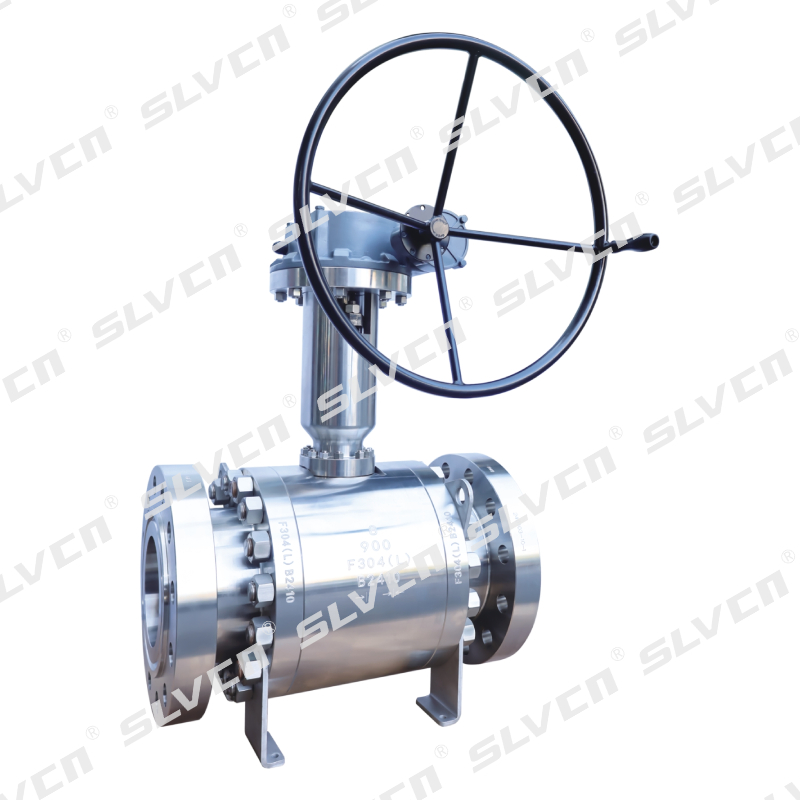
High-integrity metal-seated and forged trunnion-mounted valves designed to withstand severe thermal gradients, high differential pressures, and frequent cycling in LNG pretreatment trains.


While Liquefied Natural Gas (LNG) is globally recognized for its cryogenic state at -162°C, the multi-stage thermodynamics of liquefaction require extreme heat cycles up to 500°C in gas pretreatment, molecular sieve regeneration, and acid gas removal units.
The global transition toward cleaner base-load energy has accelerated massive capital expenditures in mega onshore liquefaction terminals, floating LNG (FLNG) facilities, and modular micro-liquefaction plants. Modern liquefaction trains demand uninterrupted operational availability exceeding 98.5% over 3 to 5-year turnaround cycles. Within these multi-billion-dollar complexes, feed natural gas must undergo rigorous scrubbing, dehydration, acid gas scrubbing (CO2 and H2S removal), and heavy hydrocarbon fractionation before entering the cryogenic main cryogenic heat exchanger (MCHE).
In dehydration units utilizing molecular sieve beds, switching valves are subjected to rapid cyclic thermal shifts between ambient gas feeding (25°C to 40°C) and scorching regeneration gas sweeps (260°C to 315°C) every few hours. Conventional soft-seated valves fail within months under these thermal shocks, causing seat degradation, particulate packing, and unscheduled downtime that can cost operators millions of dollars per day. Consequently, custom-engineered high-temperature metal-seated forged ball valves have transitioned from optional upgrades to mission-critical infrastructure components.
Forged alloy bodies (F11, F22, F51, Inconel) with computer-modeled thermal expansion allowances eliminate jamming and galling during fast temperature swings from ambient to 500°C.
High-Velocity Oxygen-Fuel (HVOF) applied Chromium Carbide and Stellite hard facings deliver Class V and Class VI bubble-tight shut-off under abrasive molecular sieve dust migration.
Engineered live-loaded graphite stem packing and dual O-ring secondary seals comply with strict ISO 15848-1 AH and API 641 fugitive emission standards to preserve environmental compliance.
From sour gas sweetening columns to high-temperature waste heat recovery units, explore how Shoulong (SLVCN) valves safeguard vital liquefaction unit operations.
Water vapor must be reduced to below 0.1 ppmv to prevent catastrophic cryogenic hydrate formation in the liquefaction cold box. Multi-tower molecular sieve systems cycle through adsorption, depressurization, heating, and cooling phases around the clock.
Switching valves operate up to 20 times daily at temperatures cycling rapidly between 30°C and 315°C. High velocity dry gas carries abrasive zeolitic dust particles directly against seat faces. SLVCN's proprietary metal-seated trunnion valves utilize spring-energized seat designs with scraper rings that continuously wipe the ball surface clean, preventing dust ingress into the seat pockets while absorbing continuous thermal expansion.

Raw gas containing high concentrations of sour acid gases (H2S and CO2) must be treated in amine absorption towers (MDEA/aMDEA). Regeneration of the rich amine solvent occurs within hot reboiler columns operating at temperatures between 130°C and 180°C under severe corrosive and flashing conditions.
SLVCN delivers high-temperature DBB and floating ball valves manufactured in full compliance with NACE MR0175 / ISO 15156. Utilizing forged duplex stainless steels (F51, F53) and Inconel 625 weld overlays, our valves deliver superior immunity to amine stress corrosion cracking (ASCC), high-velocity erosion, and sour wet gas degradation.
Heavier hydrocarbons (ethane, propane, butane, condensate) are separated via de-ethanizer and de-butanizer columns before liquefaction. Bottom reboilers and hot oil heat-transfer loops operate continuously at 220°C to 350°C at elevated pressures.
Meanwhile, sulfur recovery Claus reaction furnaces and thermal oxidizers handle tail gases at temperatures soaring up to 500°C. SLVCN high-temperature floating and trunnion valves incorporate extended bonnets, heat-dissipating radiation fins, high-temperature alloy spring energizers (Inconel X-750), and pure flexible graphite packing rated to fire-safe API 607 / API 6FA criteria.

Rigorous engineering standards and metallurgy tailored for demanding LNG liquefaction and pretreatment processes.
| Process Application | Operating Temp Range | Pressure Class | Recommended Body Metallurgy | Seat Sealing & Coating | Leakage Class |
|---|---|---|---|---|---|
| Molecular Sieve Switching | Ambient to 320°C (608°F) | Class 300 - 900 | ASTM A182 F22 / F11 / A105N | Metal Seat + HVOF Cr3C2-NiCr / Scraper | ISO 5208 Rate A / Class VI |
| Amine Regeneration & AGRU | 120°C to 200°C (392°F) | Class 150 - 600 | ASTM A182 F51 / F53 / 316L + NACE | Metal-to-Metal / Stellite 6 / Devlon | API 598 Zero Leakage |
| NGL Fractionation Reboiler | 180°C to 380°C (716°F) | Class 300 - 1500 | ASTM A182 F316 / F316H / F11 | Metal-to-Metal + Tungsten Carbide | ANSI / FCI 70-2 Class V / VI |
| Thermal Oxidizer & Tail Gas | 350°C to 500°C+ (932°F) | Class 150 - 600 | ASTM A182 F310 / F321 / Inconel 625 | Metal Seat + Heavy Stellite Overlay | Rate A / Zero Bubble Shut-off |
| Hot Gas Bypass & Compressors | -29°C to 280°C (536°F) | Class 900 - 2500 | ASTM A350 LF2 / A182 F22 Forged | Dual Piston Effect (DPE) Metal Seat | API 6D Double Block & Bleed |
Years of Manufacturing Experience
Countries & Regions Served
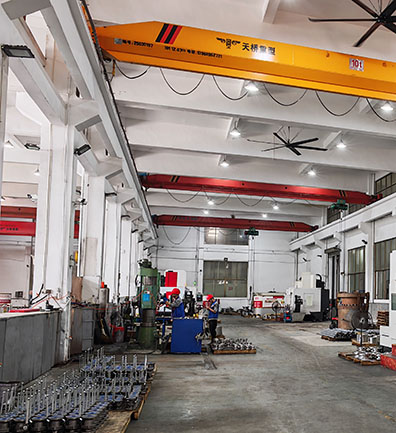
With over 30 years of manufacturing experience, SLVCN is a professional designer and manufacturer of high-performance forged steel ball valves for critical industrial applications. We specialize in extreme working conditions including high pressure, high temperature, and cryogenic environments, providing safe and reliable flow control solutions for global industrial projects where operational reliability is non-negotiable.
Today, SLVCN serves customers in more than 100 countries and regions, supplying valves to EPC contractors, engineering companies, and end users across Europe, the Middle East, Southeast Asia, and the Americas. Backed by strong engineering expertise, advanced manufacturing, and rigorous quality control, SLVCN is committed to delivering safe, durable, and truly engineered valve solutions for the world’s most demanding industrial projects.
Request Technical Proposal

Engineered for High Pressure, High Temperature, and Cryogenic Applications under the most demanding international certifications.
Our core product range covers forged trunnion-mounted and floating ball valves, top-entry and side-entry ball valves, fully welded ball valves, metal seated ball valves, cryogenic ball valves, high-pressure ball valves up to Class 2500 (PN420) and customized higher pressure ratings. Compared with conventional cast valves, SLVCN forged valves feature higher material density, superior mechanical strength, improved resistance to pressure fluctuations and thermal shock, and significantly longer service life under severe service conditions.
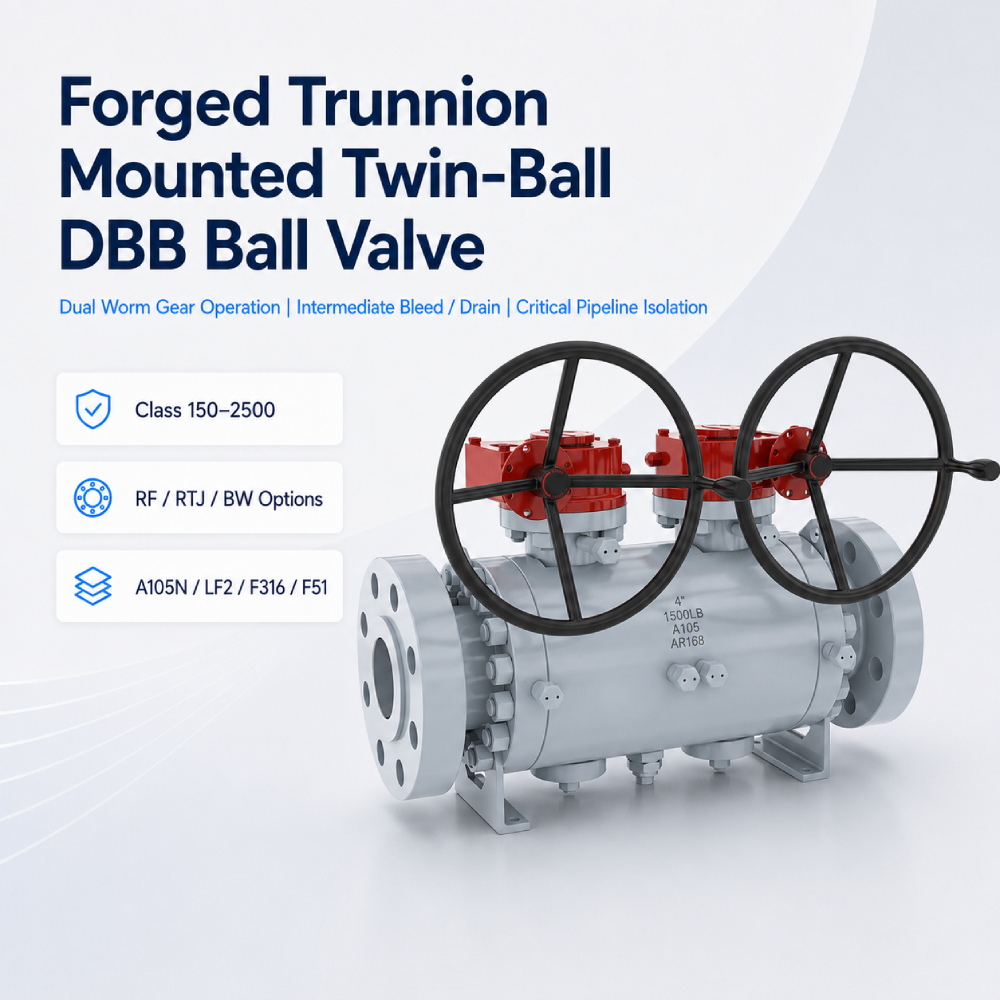
Safety and reliability are embedded in every design. Our forged ball valves are equipped with Double Block and Bleed (DBB) structures, anti-blowout stems, fire-safe designs in accordance with API 607 / API 6FA, anti-static devices, emergency sealing systems, and pressure-balanced seating structures suitable for high differential pressure operation. Valves can be designed with SPE or DPE seat configurations based on application requirements. For sour service environments, materials and sealing systems comply with NACE MR0175 / ISO 15156 requirements.
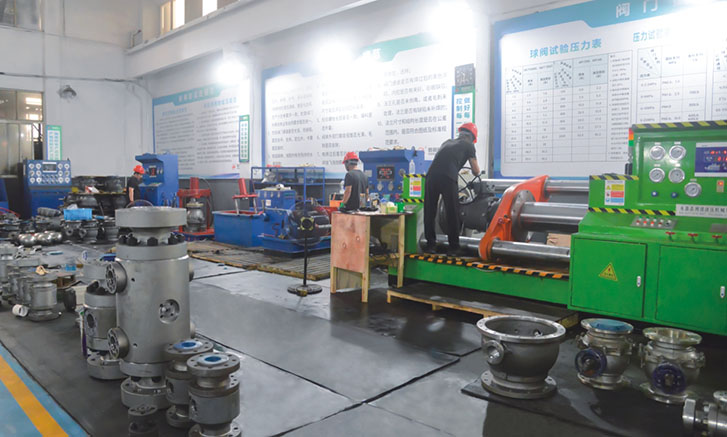
SLVCN is certified to ISO 9001, CE, and API standards, complying with API 6D, ASME B16.34, DIN, ANSI, and JIS specifications. To ensure consistent quality, each valve undergoes complete inspections in accordance with API 6D, API 598, and ISO 5208: shell tests, seat leakage tests (Rate A / zero visible leakage), fire-safe tests, cryogenic tests down to -196°C, operational torque verification, and PMI material testing. Custom sizes span from 1/2” to 36”, with materials including A105, LF2, F11, F22, F51, and Inconel.
Engineered for extreme high-temperature regeneration, high-pressure pipeline transport, and ultra-low cryogenic storage across entire LNG value chains.


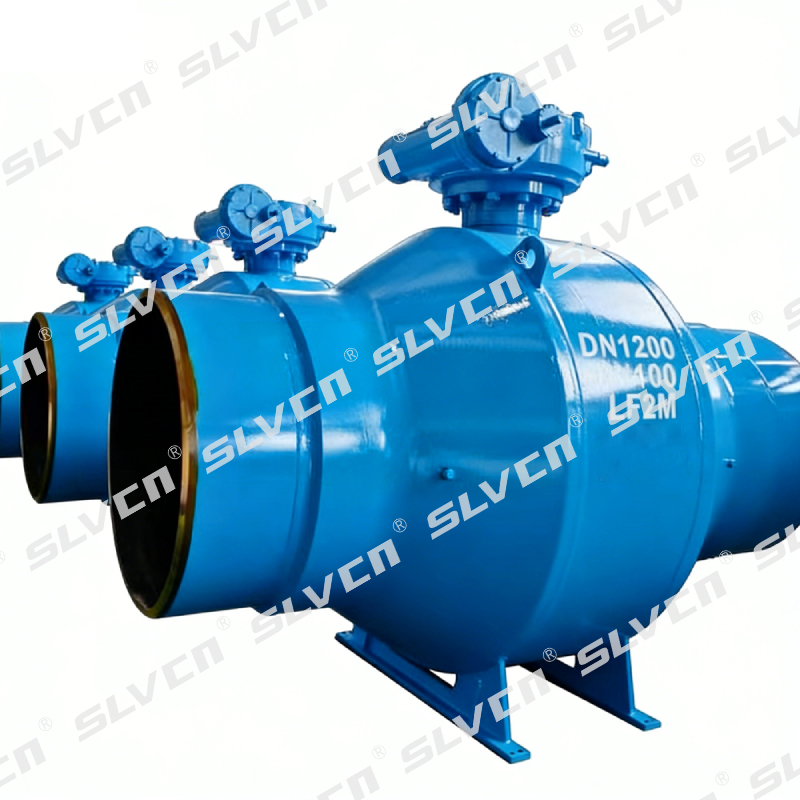
Engineering considerations for high-temperature valve selection, coatings, and thermal shock management in LNG plants.
Before raw natural gas can be cooled to cryogenic temperatures, impurities such as moisture, carbon dioxide, hydrogen sulfide, and heavy hydrocarbons must be completely removed. The processes used to regenerate molecular sieve desiccants (thermal desorption at 260°C to 315°C) and strip acid gases in amine reboilers (up to 180°C), as well as sulfur recovery Claus units (up to 500°C+), demand extreme high-temperature isolation valves before the gas enters the liquefaction cold box.
SLVCN calculates differential thermal expansion coefficients (CTE) between the ball, seat rings, body cavity, and stem. We employ pre-compressed Inconel X-750 wave springs behind the seat rings to maintain constant contact pressure while allowing thermal growth. Sealing surfaces are coated with High-Velocity Oxygen-Fuel (HVOF) Chromium Carbide (Cr3C2-NiCr) or Cobalt-based Stellite alloys, followed by automated precision lapping to achieve mirror-finish sphericity.
SLVCN forged ball valves are certified according to ISO 15848-1 Class AH / BH and API 641 standards. Our stem sealing systems incorporate live-loaded flexible graphite packing rings with disc springs that dynamically compensate for thermal cycling relaxation and mechanical wear, ensuring near-zero methane fugitive emissions.


 18061659285