


Leave Your Message
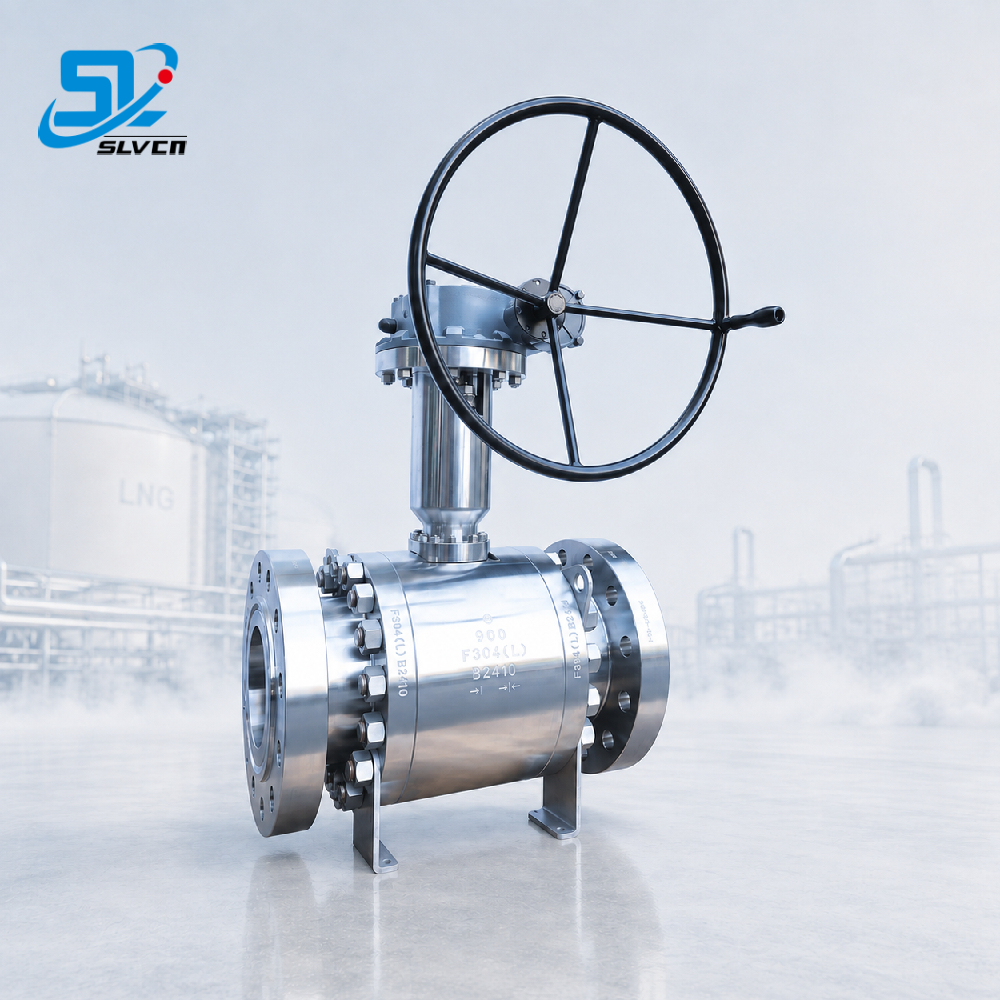
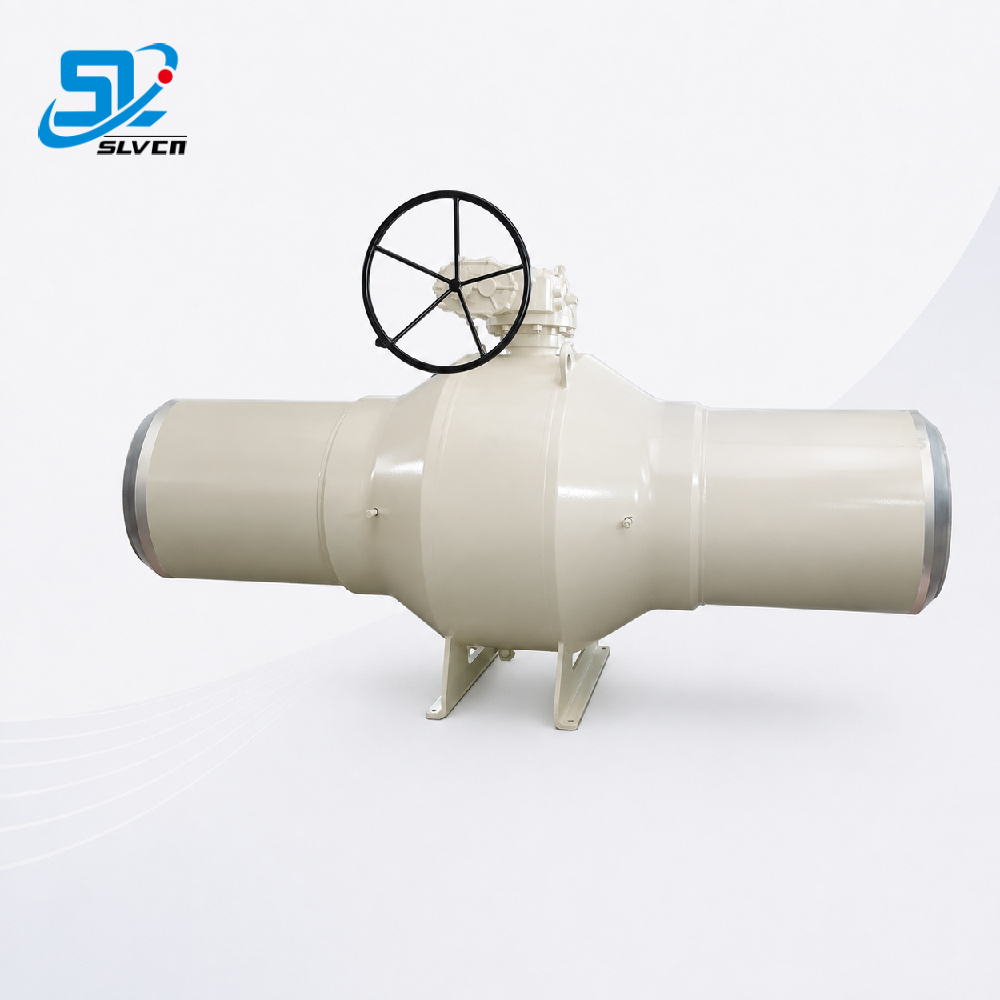
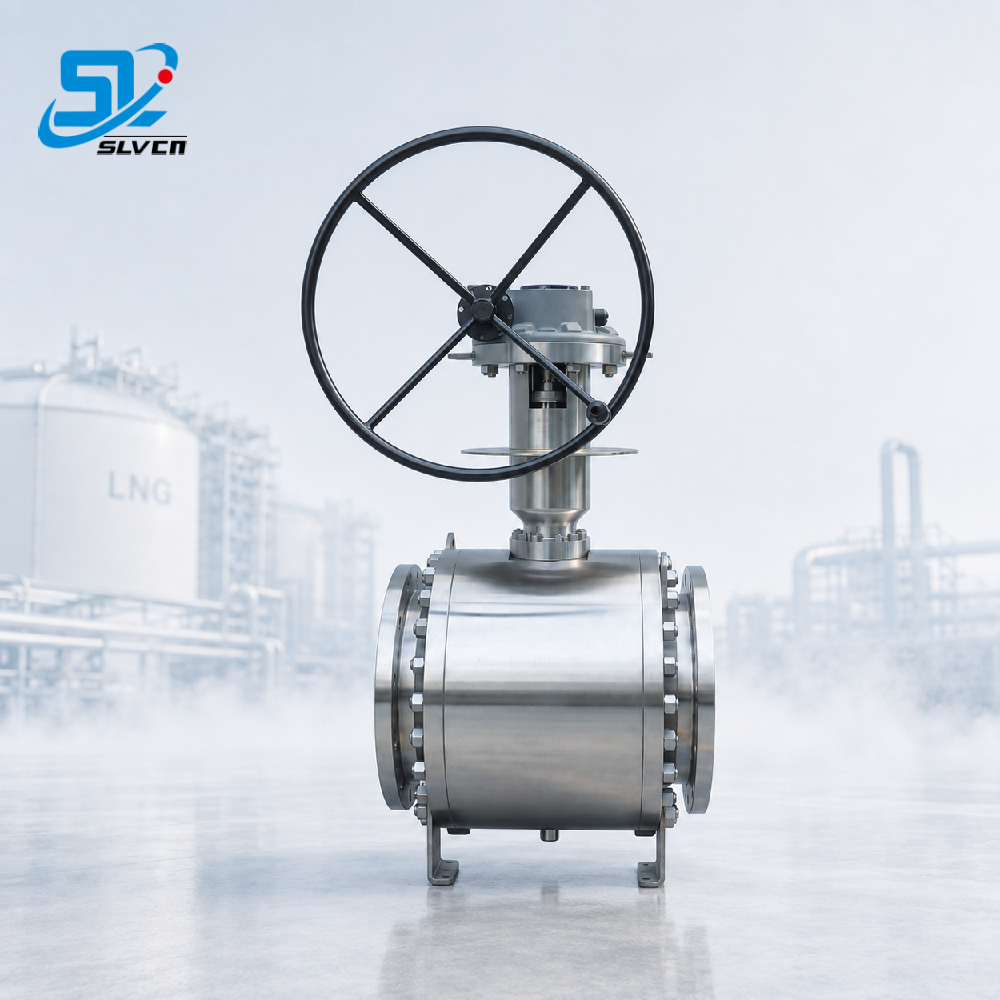
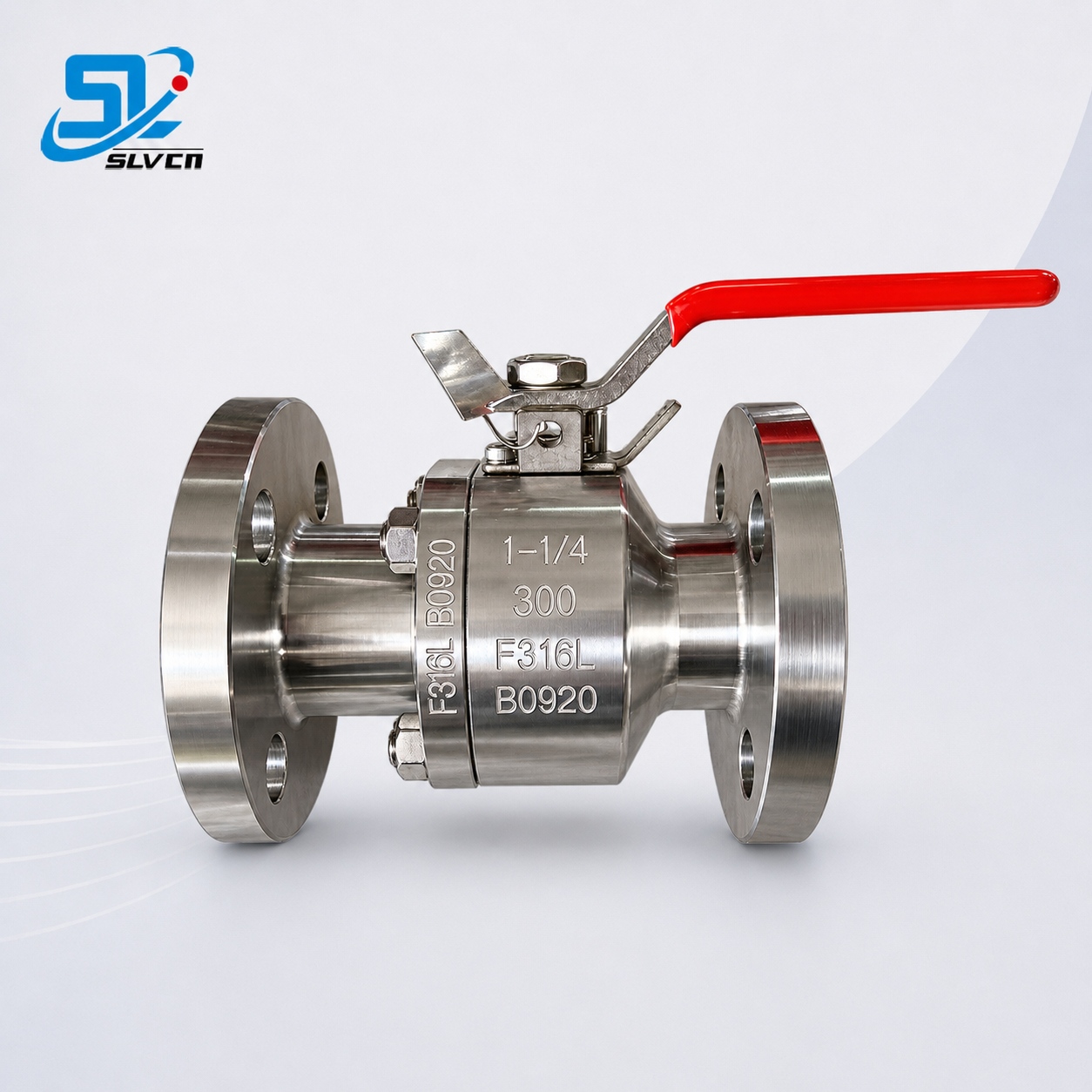
Global demand for Liquefied Natural Gas (LNG) as a critical transitional fuel has catalyzed massive capital investments into liquefaction mega-trains, floating LNG (FLNG) facilities, and onshore export terminals. Transforming natural gas from its gaseous state into a liquid volume reduction of 1:600 requires cooling the media to approximately −162°C (−260°F) under pressures up to Class 1500 or higher. Within these thermodynamic regimes, the selection and mechanical design of manual and automated quarter-turn isolation equipment represent one of the most critical process safety considerations for EPC engineering contractors and plant operators alike.
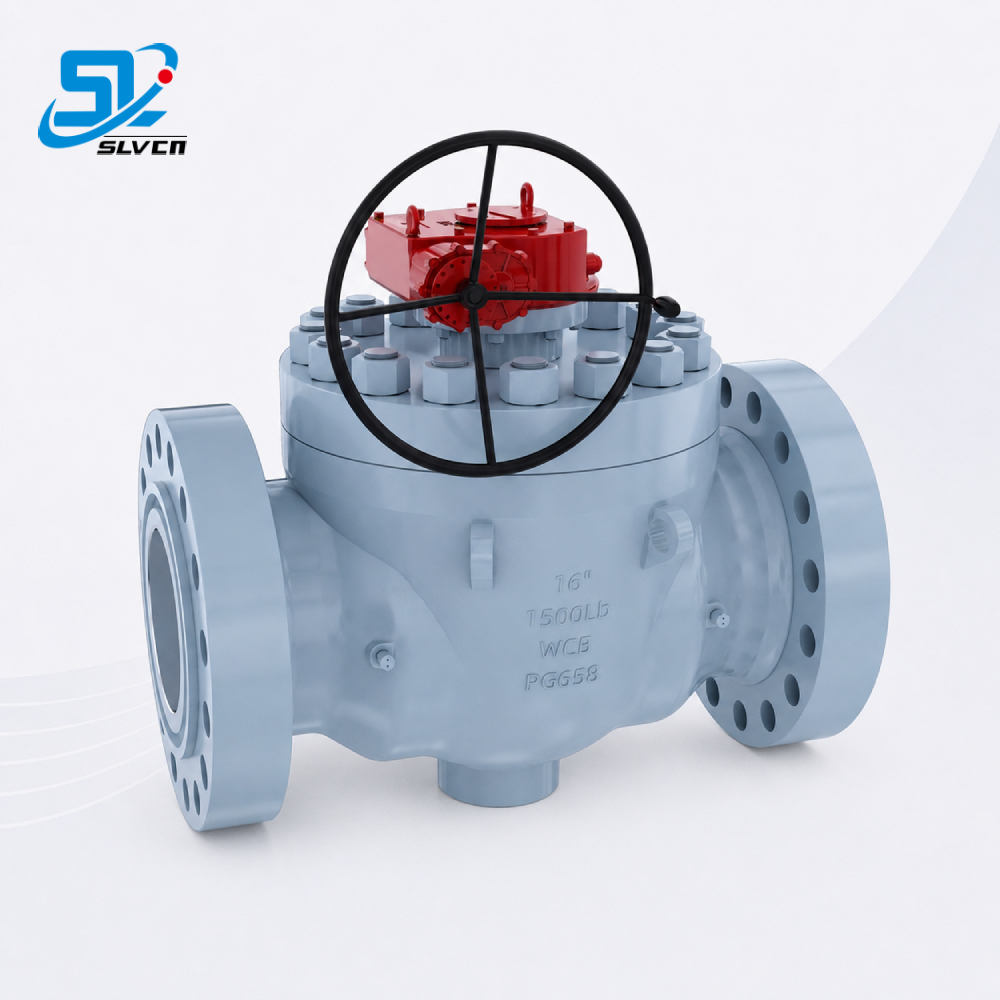
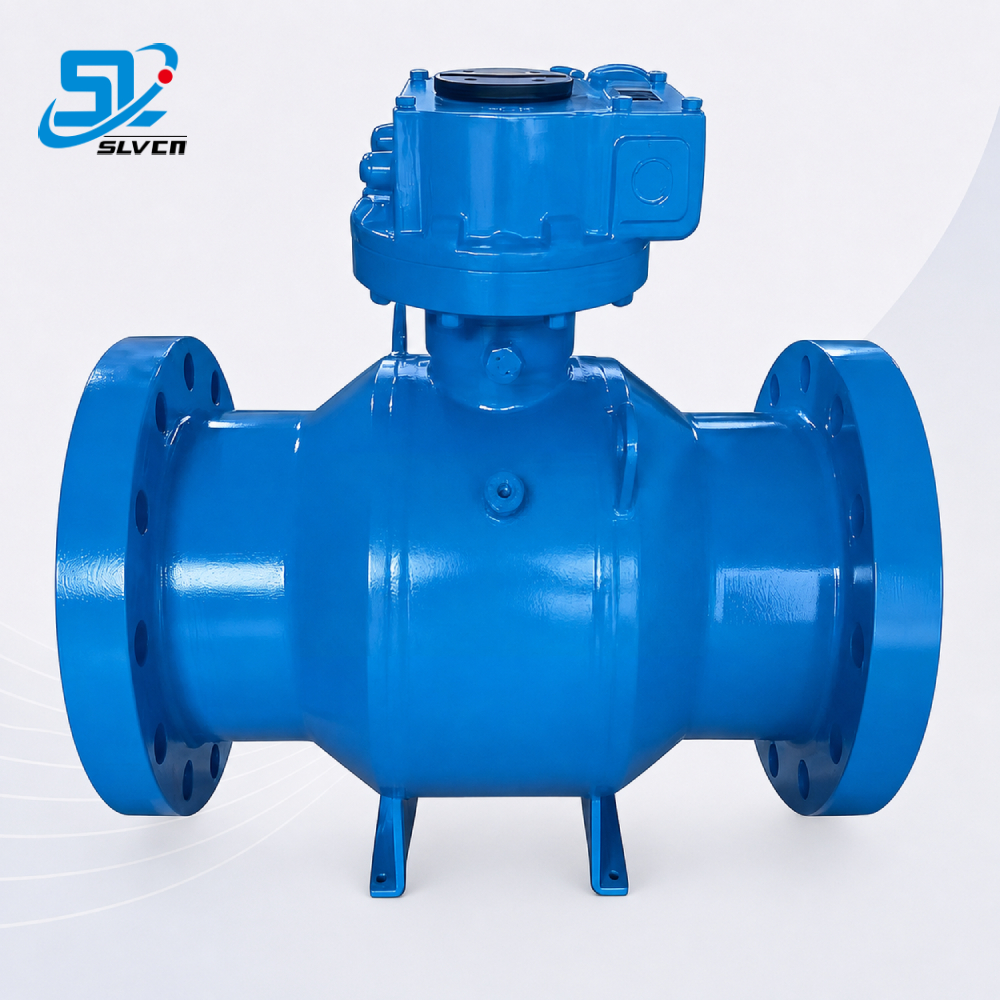
The Gear Ball Valve serves as the indispensable workhorse across these complexes. When large-bore lines, high differential pressures, and cryogenic temperatures converge, operational torque escalates drastically. Manual lever operation becomes physically impossible, while direct high-thrust actuation demands massive mechanical leverage. Heavy-duty, enclosed worm gearboxes designed with precision gear reducers and weather-sealed housings provide the necessary mechanical advantage, smooth quarter-turn modulation, and self-locking capabilities to prevent back-driving caused by fluid dynamic forces.
High-ratio worm gearboxes reduce operator rim-pull force well below the standard 360 N limit while providing precise throttling and positive locking under rapid pressure spikes.
Engineered vapor columns create an insulating gas cushion that isolates stem seals and gear actuators from sub-zero liquid cryogen exposure down to -196°C.
Self-relieving SPE seats or external thermal relief bypass cavities eliminate the catastrophic hazard of trapped liquid LNG vaporizing and expanding exponentially inside the body cavity.
In LNG liquefaction service, valves are subjected to simultaneous thermal shock, micro-contraction of internal trim, and aggressive cyclical stress. Conventional valve architectures fail due to seat deformation, stem galling, and severe fugitive emissions. Shoulong Valve (SLVCN) integrates specialized metallurgical engineering and mechanical features designed specifically to resolve these failure modes.
In accordance with BS 6364 and MESC SPE 77/200, gear-operated cryogenic ball valves feature an extended bonnet column. This column maintains the stem packing, gland follower, and worm gearbox assembly in a warm zone above 0°C. The natural vaporization of liquid gas creates a stagnant gas pocket inside the extension, preventing freezing of the gland packing elastomers and preserving gearbox lubricant viscosity.
When an LNG ball valve closes, liquid methane can become trapped in the body cavity. A temperature rise of just 1°C in a trapped cavity can generate over 40 bar of internal pressure. SLVCN incorporates Single Piston Effect (SPE) self-relieving seats, vented ball passages on the upstream side, or dedicated thermal bypass systems. When cavity pressure exceeds the pipeline pressure by a predetermined margin, the seat spring deflects, discharging excess pressure safely back into the upstream line.
Methane is a potent greenhouse gas, making fugitive emission control vital for modern LNG ESG standards. Our gear ball valves utilize live-loaded PTFE/Graphite stem packing configurations certified to ISO 15848-1 Class AH/BH. Fire-safe secondary metal-to-metal seating compliant with API 607 / API 6FA ensures positive shut-off even if soft insert materials (PCTFE / Kel-F / Devlon) are destroyed during a high-temperature plant incident.
| Design Parameter | Standard Hydrocarbon Service | LNG Liquefaction Severe Service |
|---|---|---|
| Operating Temperature | -29°C to +150°C | -196°C to +80°C (Down to liquid Helium/Nitrogen) |
| Body & Trim Material | WCB, A105, 316 Stainless Steel | Forged Austenitic Stainless (F316L, F304L), Inconel 625, F51 |
| Bonnet Architecture | Standard Bolted Bonnet | Extended Column Bonnet with Degreased Internal Cleanliness |
| Seat Inserts | Virgin PTFE, RPTFE, Nylon | PCTFE (Kel-F®), PEEK, Metal-to-Metal with Tungsten Carbide (TCC) |
| Gearbox Rating | IP65 Standard Industrial | IP67/IP68 Offshore Marine Weather-Sealed with Low-Temp Greasing |
| Testing Standards | API 598, API 6D Ambient Hydrostatic | BS 6364, ISO 28921, ISO 15848-1 Cryogenic Helium Sniffing |
Forged DBB and trunnion-mounted gear valves isolate high-pressure sour feed gas (H₂S and CO₂ removal units), engineered with NACE MR0175 compliance to withstand severe stress corrosion cracking.
Installed on Mixed Refrigerant (MR) and Nitrogen chilling loops. Compact cryogenic trunnion ball valves operate smoothly despite extreme thermal cycling from ambient down to -162°C.
Large-bore gear-operated top-entry and fully welded ball valves provide bubble-tight isolation on transfer header lines, BOG (Boil-Off Gas) compression systems, and jetty marine loading arms.
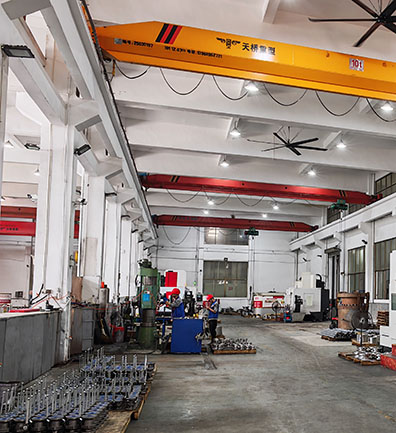
With over 30 years of manufacturing experience, SLVCN is a professional designer and manufacturer of high-performance forged steel ball valves for critical industrial applications. We specialize in extreme working conditions including high pressure, high temperature, and cryogenic environments, providing safe and reliable flow control solutions for global industrial projects where operational reliability is non-negotiable.
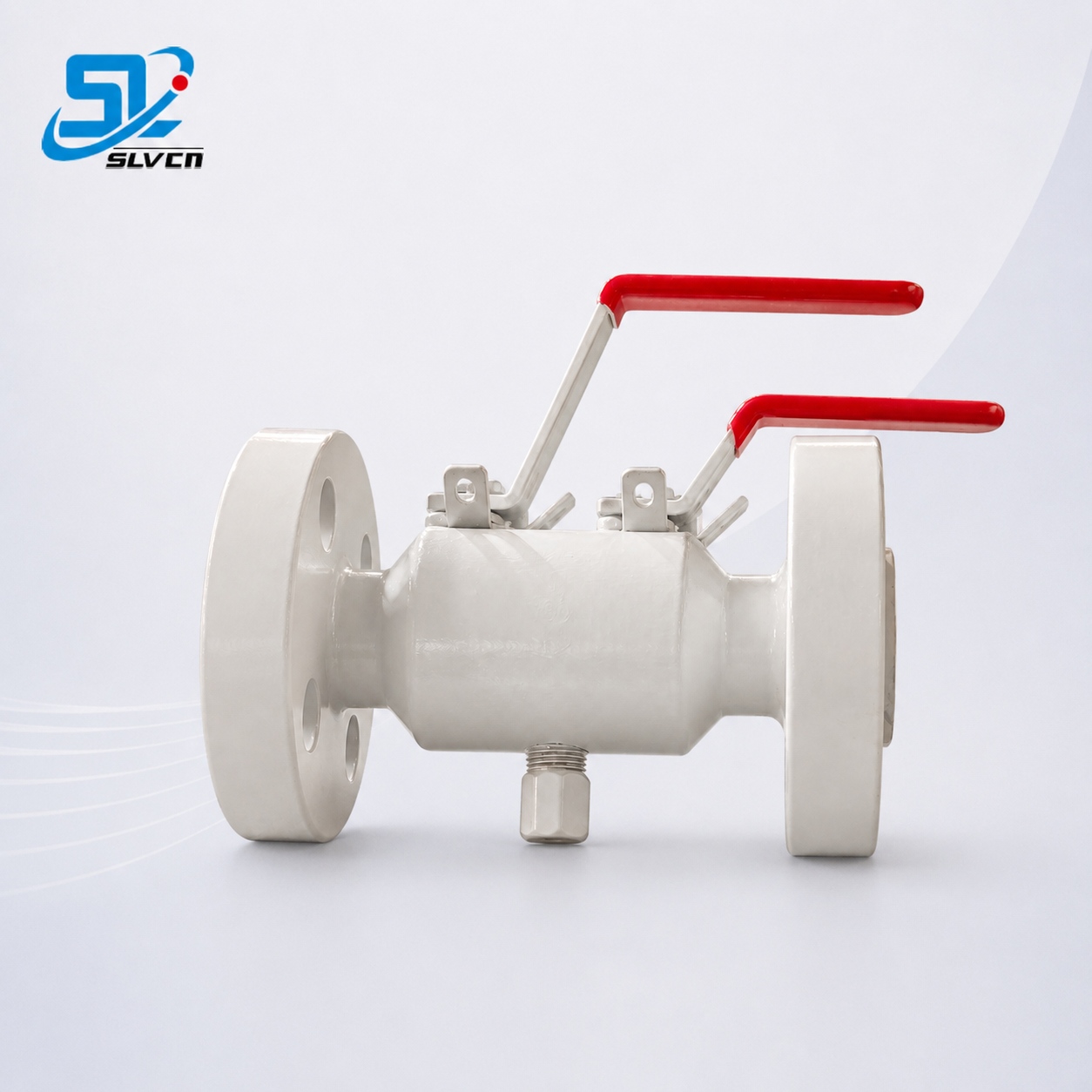
Our core product range covers forged trunnion-mounted and floating ball valves, top-entry and side-entry ball valves, fully welded ball valves, metal seated ball valves, cryogenic ball valves, high-pressure ball valves up to Class 2500 (PN420) and customized higher pressure ratings, as well as high-temperature service valves. Compared with conventional cast valves, SLVCN forged valves feature higher material density, superior mechanical strength, improved resistance to pressure fluctuations and thermal shock, and significantly longer service life under severe service conditions.
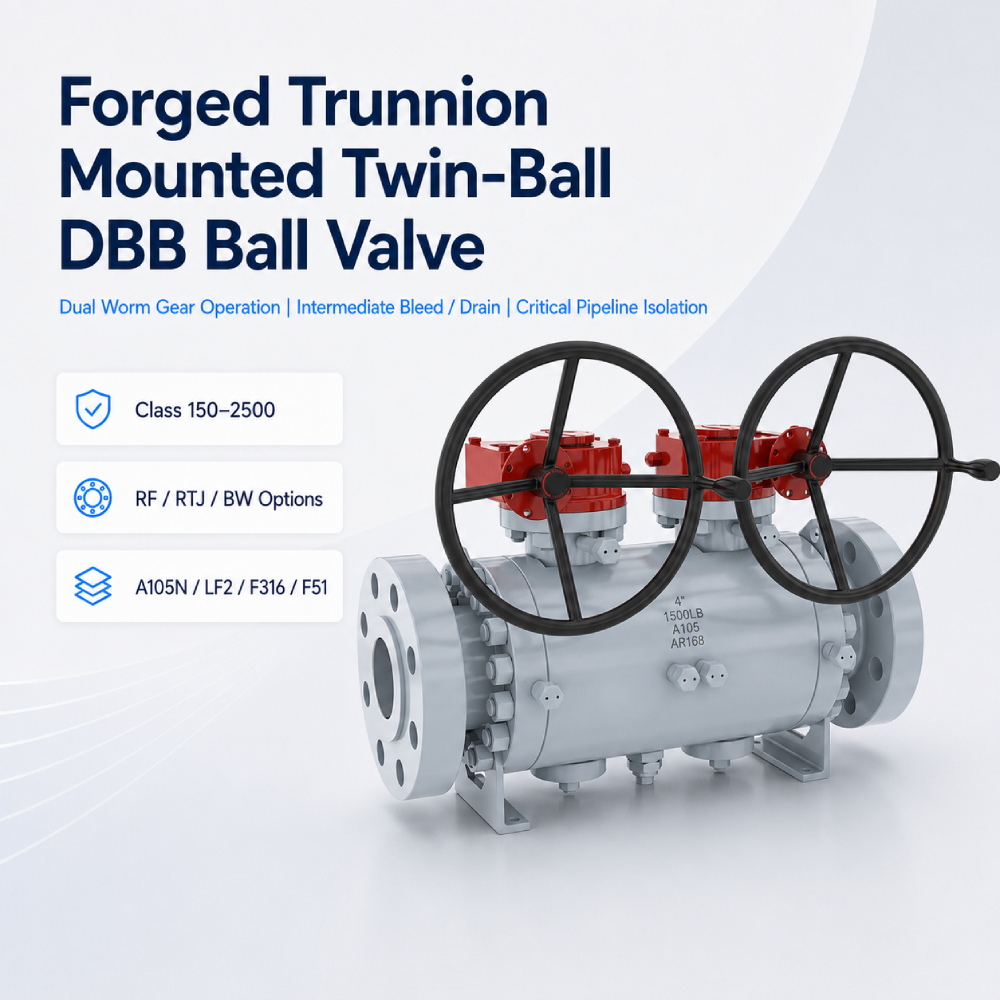
Contact Our Cryogenic SpecialistsSafety and reliability are embedded in every design. Our forged ball valves are equipped with Double Block and Bleed (DBB) structures, anti-blowout stems, fire-safe designs in accordance with API 607 / API 6FA, anti-static devices, emergency sealing systems, and pressure-balanced seating structures suitable for high differential pressure operation. Valves can be designed with SPE or DPE seat configurations based on application requirements. For sour service environments, materials and sealing systems comply with NACE MR0175 / ISO 15156 requirements.
To ensure consistent quality, each valve undergoes a complete series of inspections and performance tests in accordance with API 6D, API 598, and ISO 5208, including shell test, seat leakage test (Rate A / zero visible leakage), fire-safe test, cryogenic test, operational torque test, dimensional inspection, and PMI material verification. SLVCN operates dedicated cryogenic testing facilities to validate valve performance at ultra-low temperatures down to −196°C.
SLVCN is certified to ISO 9001, CE, and API standards, and our products comply with API 6D, ASME B16.34, DIN, ANSI, and JIS specifications. We provide extensive customization capabilities covering sizes from 1/2” to 36”, full bore or reduced bore, special materials including A105, LF2, F11, F22, F51, Inconel, various soft and metal seat designs, and intelligent actuation with pneumatic, electric, and gear operators.
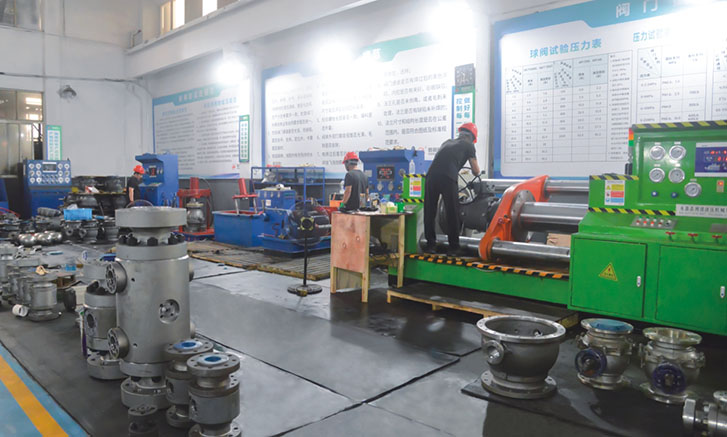
Today, SLVCN serves customers in more than 100 countries and regions, supplying valves to EPC contractors, engineering companies, and end users across Europe, the Middle East, Southeast Asia, and the Americas. Backed by strong engineering expertise, advanced manufacturing, and rigorous quality control, SLVCN is committed to delivering safe, durable, and truly engineered valve solutions for the world’s most demanding industrial projects.
Whether handling flammable media, corrosive fluids, sour service media (H₂S), ultra-low temperatures, or extreme differential pressures, our valves ensure stable operation, bubble-tight shut-off, and maximum system safety in accordance with international sealing and performance standards.


 18061659285

