


Leave Your Message
Advanced double block and bleed (DBB) and cryogenic solutions optimized for offshore platforms.

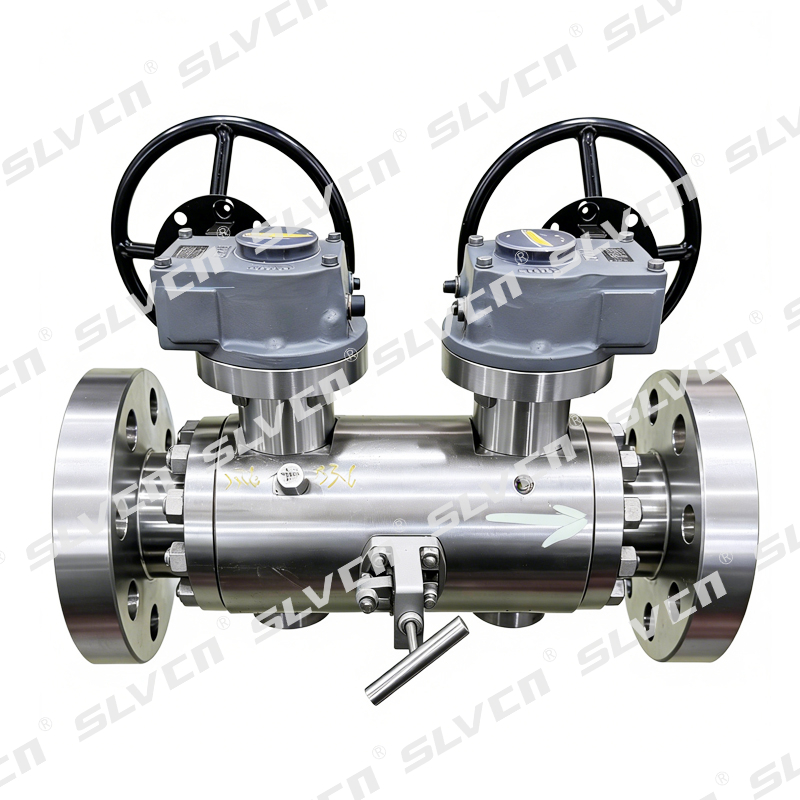
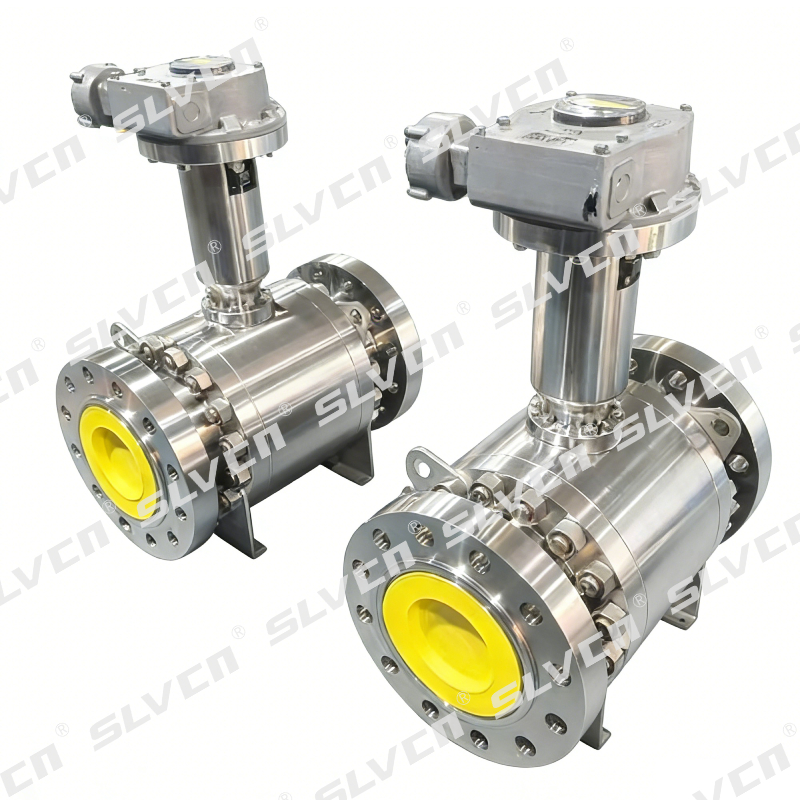
Offshore oil and gas platforms represent some of the most challenging engineering environments on Earth. Operating miles from the coast, these installations—ranging from shallow-water fixed platforms to deepwater Floating Production Storage and Offloading (FPSO) vessels—are constantly exposed to aggressive marine atmospheres, high wave loads, and extreme temperature fluctuations. In these complex systems, valves are the critical line of defense, regulating the flow of highly volatile hydrocarbons, corrosive seawater, and abrasive drilling fluids. Among the various valve designs available, forged valves have emerged as the industry standard for critical high-pressure and severe service applications.
Unlike cast valves, which can suffer from internal porosity, shrinkage cavities, and structural grain boundaries that weaken under cyclic stress, forged valves are manufactured by pressing steel into shape under extreme pressure. This process refines the grain structure of the metal, creating a highly dense, continuous, and uniform material matrix. For offshore operators, this translates to superior mechanical strength, excellent impact resistance at cryogenic temperatures, and a near-zero risk of structural failure. As offshore exploration pushes into deeper waters and higher-pressure reservoirs (often exceeding 15,000 PSI), the reliability of forged valves becomes non-negotiable for environmental protection and operational safety.
Continuous exposure to salt spray, high humidity, and wave action demands materials like Super Duplex, Inconel cladding, and heavy-duty forged alloys that resist pitting and stress-corrosion cracking.
Deepwater reservoirs and subsea tiebacks operate under extreme pressures. Forged structures absorb mechanical shocks and high pressure variations without fatigue.
Floating Liquefied Natural Gas (FLNG) units require valves that maintain bubble-tight sealing at temperatures as low as -196°C (-320°F). Forged bodies guarantee structural integrity here.
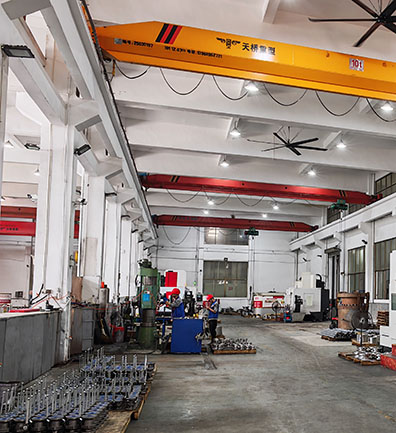


With over 30 years of manufacturing experience, SLVCN is a professional designer and manufacturer of high-performance forged steel ball valves for critical industrial applications. We specialize in extreme working conditions including high pressure, high temperature, and cryogenic environments, providing safe and reliable flow control solutions for global industrial projects where operational reliability is non-negotiable.
Modern offshore platforms are self-contained industrial cities that process raw hydrocarbons straight from the seabed. This requires multiple process systems, each with distinct pressure, temperature, and corrosion profiles. Forged valves are deployed across several critical systems:
The wellhead is the primary interface between the high-pressure underground reservoir and the platform. Fluids coming out of the well contain a mixture of crude oil, natural gas, highly corrosive saltwater, sand, and hydrogen sulfide (H2S). Forged Double Block and Bleed (DBB) valves are utilized here to isolate high-pressure process lines. The dual-barrier design allows operators to bleed off pressure between the balls, verifying seal integrity and allowing safe maintenance downstream without shutting down the entire well production.
In the event of an overpressure spike, fire, or gas leak, the platform's Emergency Shutdown System must isolate processing sections instantly to prevent catastrophic accidents. Forged trunnion-mounted ball valves, paired with high-speed pneumatic or hydraulic actuators, serve as ESDVs. The forged body ensures that even under the intense thermal stress of an external fire or the rapid pressure shocks of sudden closure, the valve body will not crack, maintaining pressure containment and preventing the fuel source from feeding the fire.
On Floating Liquefied Natural Gas (FLNG) platforms, natural gas is purified and cooled to -162°C (-260°F) to convert it into liquid form for transport. Standard valves become brittle and fail at these temperatures. Cryogenic forged ball valves, designed with extended bonnets to keep the stem packing away from the freezing fluid, are essential. The forged material retains its ductility and impact toughness at ultra-low temperatures, preventing structural failure while maintaining tight shut-off.
To maintain reservoir pressure, seawater or produced water is treated and injected back into the reservoir. This water is highly corrosive. Forged valves made from duplex, super duplex, or carbon steel clad with Inconel 625 are deployed in these lines. The forging process ensures that there are no localized structural weak points where crevice or pitting corrosion can initiate, extending the lifetime of the piping network.
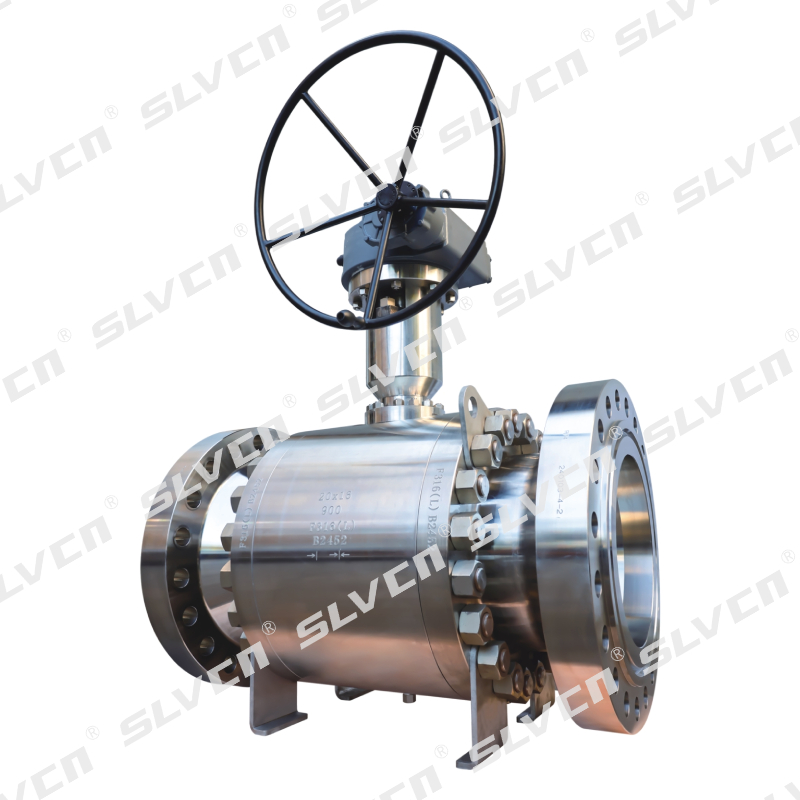
Our core product range covers forged trunnion-mounted and floating ball valves, top-entry and side-entry ball valves, fully welded ball valves, metal seated ball valves, cryogenic ball valves, high-pressure ball valves up to Class 2500 (PN420) and customized higher pressure ratings, as well as high-temperature service valves. Compared with conventional cast valves, SLVCN forged valves feature higher material density, superior mechanical strength, improved resistance to pressure fluctuations and thermal shock, and significantly longer service life under severe service conditions.
SLVCN valves are widely used in long-distance oil & gas transmission pipelines, LNG storage and regasification terminals, offshore platforms and deepwater projects, power plants, refineries, compressor stations, and high-pressure chemical processing units. Whether handling flammable media, corrosive fluids, sour service media (H₂S), ultra-low temperatures, or extreme differential pressures, our valves ensure stable operation, bubble-tight shut-off, and maximum system safety in accordance with international sealing and performance standards.

The offshore oil and gas industry is undergoing a significant transformation, driven by the need for cost reduction, enhanced safety, and environmental sustainability. These drivers are shaping the development of next-generation forged valves:
As shallow-water fields deplete, operators are drilling deeper into sour reservoirs containing high concentrations of hydrogen sulfide (H2S) and carbon dioxide (CO2). These substances cause hydrogen-induced cracking (HIC) and sulfide stress cracking (SSC) in standard carbon steels. Valve manufacturers are increasingly adopting advanced forged alloys, such as Hastelloy, Monel, and Titanium, or utilizing weld overlay (cladding) technologies where a high-strength forged carbon steel body is lined with a corrosion-resistant alloy (CRA) like Inconel 625. This combines structural durability with maximum corrosion resistance at a optimized cost.
Unmanned and minimally staffed platforms are becoming more common to reduce operational risks and costs. Consequently, there is a growing demand for smart valves integrated with digital positioners, pressure sensors, and diagnostic tools. These systems monitor valve health in real-time, predicting packing wear, seat degradation, or actuator decay. By utilizing predictive maintenance, offshore operators can prevent unexpected valve failures, which can cost millions of dollars in deferred production.
Environmental regulations are tightening globally, focusing on minimizing greenhouse gas emissions from offshore processing facilities. A significant percentage of fugitive emissions on platforms escape through valve stem packings. Modern forged valves are designed and tested to meet strict low-emission standards, such as ISO 15848-1 and API 622. This involves utilizing precision-machined forged stems, optimized packing configurations, and live-loaded gland systems that maintain constant pressure on the seals over thousands of cycles.
Safety and reliability are embedded in every design. Our forged ball valves are equipped with Double Block and Bleed (DBB) structures, anti-blowout stems, fire-safe designs in accordance with API 607 / API 6FA, anti-static devices, emergency sealing systems, and pressure-balanced seating structures suitable for high differential pressure operation. Valves can be designed with SPE or DPE seat configurations based on application requirements. For sour service environments, materials and sealing systems comply with NACE MR0175 / ISO 15156 requirements.
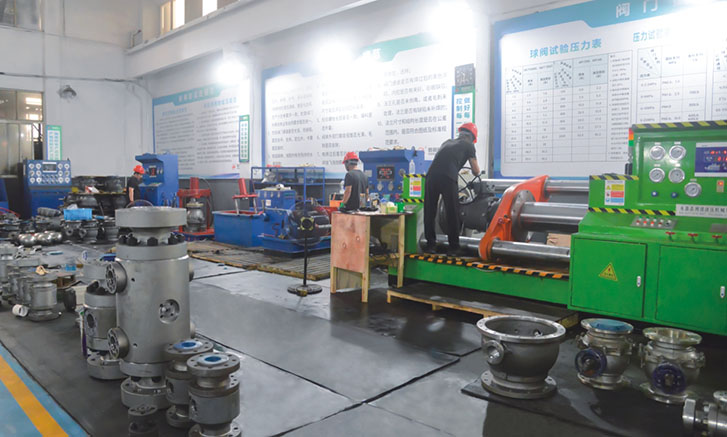
To ensure consistent quality, each valve undergoes a complete series of inspections and performance tests in accordance with API 6D, API 598, and ISO 5208, including shell test, seat leakage test (Rate A / zero visible leakage), fire-safe test, cryogenic test, operational torque test, dimensional inspection, and PMI material verification. SLVCN operates dedicated cryogenic testing facilities to validate valve performance at ultra-low temperatures down to −196°C.
SLVCN is certified to ISO 9001, CE, and API standards, and our products comply with API 6D, ASME B16.34, DIN, ANSI, and JIS specifications. We provide extensive customization capabilities covering sizes from 1/2” to 36”, full bore or reduced bore, special materials including A105, LF2, F11, F22, F51, Inconel, various soft and metal seat designs, and intelligent actuation with pneumatic, electric, and gear operators.
Selecting the correct forged valve for an offshore platform requires a careful assessment of operating parameters, fluid composition, and environmental conditions. Engineering teams should focus on the following key aspects:
The choice between Single Piston Effect (SPE) and Double Piston Effect (DPE) seats determines how the valve handles cavity pressure. SPE seats are self-relieving; if pressure builds up inside the valve body cavity, it pushes the seat away from the ball to relieve pressure into the pipeline. DPE seats provide a double barrier, sealing from both upstream and downstream directions simultaneously. In critical offshore isolation services, a combination of one SPE and one DPE seat (often called a hybrid configuration) is commonly used to ensure double isolation while preventing dangerous cavity overpressure.
For smaller sizes (typically under 2 inches) and lower pressures, floating ball valves are cost-effective and reliable. However, for larger sizes and high-pressure ratings (Class 600 and above), trunnion-mounted designs are mandatory. In a trunnion valve, the ball is anchored by upper and lower bearings, and the line pressure pushes the floating seat against the ball. This minimizes operational torque, reduces wear on the soft or metal seats, and extends the valve's life cycle in harsh offshore processing systems.
Soft seats (using materials like PTFE, Devlon, or PEEK) offer excellent zero-leakage sealing at lower temperatures and clean fluid conditions. However, if the process fluid contains sand, scale, or operates at high temperatures, soft seats quickly erode. Metal-seated valves, featuring tungsten carbide or chromium carbide coatings applied via High-Velocity Oxygen Fuel (HVOF) spraying, are necessary for abrasive and high-temperature services. They maintain seal integrity even when subjected to solid particles and high-velocity flows.
Today, SLVCN serves customers in more than 100 countries and regions, supplying valves to EPC contractors, engineering companies, and end users across Europe, the Middle East, Southeast Asia, and the Americas. Backed by strong engineering expertise, advanced manufacturing, and rigorous quality control, SLVCN is committed to delivering safe, durable, and truly engineered valve solutions for the world’s most demanding industrial projects.
Browse our comprehensive range of forged steel valves engineered for severe service and offshore platforms.



 18061659285

