


Leave Your Message
Explore our premier selection of high-performance forged steel valves engineered specifically for severe-service gas transmission and large-diameter pipelines.
As the global demand for cleaner energy transitions intensifies, natural gas pipelines serve as the crucial arteries connecting production fields to urban industrial centers and power plants. Modern transmission lines are expanding not only in length but also in diameter (ranging from 24 inches to 56 inches) and operational pressures (often exceeding 100 bar or Class 600/900/1500). Running these high-capacity pipelines demands flow control equipment of unparalleled integrity.
In this demanding landscape, forged steel valves have emerged as the industry standard. Unlike traditional cast valves, which are prone to micro-porosities and structural inconsistencies, forged valves are manufactured using intense mechanical pressure. This process refines the grain flow of the metal, providing superior resistance to thermal shock, high pressure differentials, and external pipeline stresses caused by soil movement or thermal expansion.
Furthermore, the integration of hydrogen blending into natural gas networks introduces severe challenges like hydrogen embrittlement. Forged valves, with their dense grain structures and precise metallurgical control, offer the necessary resistance against gas permeation and escape, making them the cornerstone of future-proof energy infrastructure.
Forged bodies eliminate the risk of structural defects, ensuring zero leakage under high-pressure gas decompression (RGD) cycles.
Engineered to resist hydrogen embrittlement, facilitating the transition toward green gas blending networks.
Advanced multi-layer stem sealing designs comply with strict ISO 15848-1 environmental standards, minimizing greenhouse gas loss.
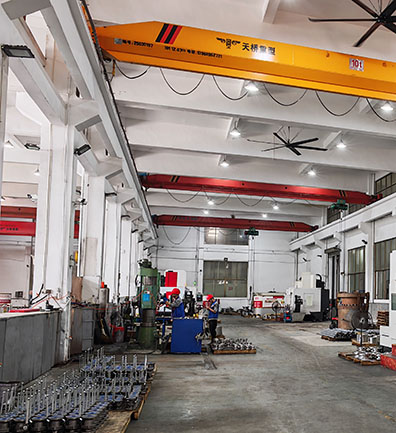


With over 30 years of manufacturing experience, SLVCN is a professional designer and manufacturer of high-performance forged steel ball valves for critical industrial applications. We specialize in extreme working conditions including high pressure, high temperature, and cryogenic environments, providing safe and reliable flow control solutions for global industrial projects where operational reliability is non-negotiable.
Our state-of-the-art manufacturing infrastructure is equipped with advanced CNC machining centers, automated welding stations, and comprehensive testing laboratories. This enables SLVCN to maintain absolute control over the quality of every valve body, stem, seat, and seal, ensuring that our clients receive products that perform flawlessly from day one.
Contact UsOur core product range covers forged trunnion-mounted and floating ball valves, top-entry and side-entry ball valves, fully welded ball valves, metal seated ball valves, cryogenic ball valves, high-pressure ball valves up to Class 2500 (PN420) and customized higher pressure ratings, as well as high-temperature service valves. Compared with conventional cast valves, SLVCN forged valves feature higher material density, superior mechanical strength, improved resistance to pressure fluctuations and thermal shock, and significantly longer service life under severe service conditions.
By utilizing high-grade forgings (such as ASTM A105, LF2, F316, F51, and exotic alloys like Inconel), we guarantee that our valves can withstand the massive tensile and bending loads exerted by long-distance piping systems. Whether deployed in desert heat or arctic cold, our robust valve designs ensure structural integrity and tight sealing under all conditions.
Designed for High Pressure, High Temperature, and Cryogenic Applications, SLVCN valves are widely used in long-distance oil & gas transmission pipelines, LNG storage and regasification terminals, offshore platforms and deepwater projects, power plants, refineries, compressor stations, and high-pressure chemical processing units. Whether handling flammable media, corrosive fluids, sour service media (H₂S), ultra-low temperatures, or extreme differential pressures, our valves ensure stable operation, bubble-tight shut-off, and maximum system safety in accordance with international sealing and performance standards.
Valves installed in compressor stations experience intense mechanical vibrations and frequent pressure fluctuations. SLVCN forged trunnion ball valves provide the high fatigue resistance and robust seat construction required to maintain structural integrity over millions of cycles.
Handling liquefied natural gas at -162°C requires specialized cryogenic valves. SLVCN utilizes forged stainless steel (e.g., F316) and extended bonnets to keep the stem packing at ambient temperatures, preventing seal failure and hazardous gas releases.
With the integration of carbon capture (CCUS) and hydrogen blending, valves must prevent fugitive emissions of ultra-fine gas molecules. Our forged valves utilize double-isolation seals and low-emission packing to guarantee environmental compliance.

Safety and reliability are embedded in every design. Our forged ball valves are equipped with Double Block and Bleed (DBB) structures, anti-blowout stems, fire-safe designs in accordance with API 607 / API 6FA, anti-static devices, emergency sealing systems, and pressure-balanced seating structures suitable for high differential pressure operation. Valves can be designed with SPE or DPE seat configurations based on application requirements. For sour service environments, materials and sealing systems comply with NACE MR0175 / ISO 15156 requirements.
The Double Block and Bleed (DBB) configuration allows operators to isolate both the upstream and downstream pressures simultaneously, venting the cavity to verify seat integrity. This feature is critical for executing safe maintenance on downstream equipment without shutting down the entire pipeline network. Additionally, the option for Single Piston Effect (SPE) self-relieving seats or Double Piston Effect (DPE) double isolation seats ensures that pressure build-up in the valve cavity is managed safely.
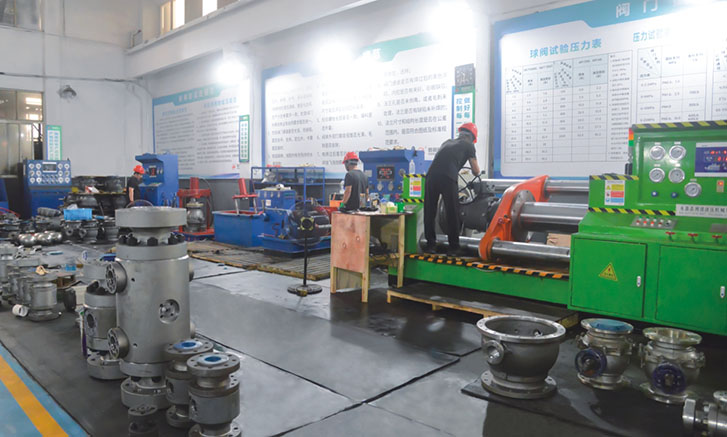
We adhere to the most stringent international standards to ensure that every forged valve leaving our facility is ready to perform in the field under pressure.
To ensure consistent quality, each valve undergoes a complete series of inspections and performance tests in accordance with API 6D, API 598, and ISO 5208, including shell test, seat leakage test (Rate A / zero visible leakage), fire-safe test, cryogenic test, operational torque test, dimensional inspection, and PMI material verification. SLVCN operates dedicated cryogenic testing facilities to validate valve performance at ultra-low temperatures down to −196°C.
SLVCN is certified to ISO 9001, CE, and API standards, and our products comply with API 6D, ASME B16.34, DIN, ANSI, and JIS specifications. We provide extensive customization capabilities covering sizes from 1/2” to 36”, full bore or reduced bore, special materials including A105, LF2, F11, F22, F51, Inconel, various soft and metal seat designs, and intelligent actuation with pneumatic, electric, and gear operators.
Understanding the shifts in energy transmission and how SLVCN designs are evolving to meet the demands of tomorrow.
Modern gas pipelines are increasingly integrating IoT sensors and smart positioners onto critical valves. By monitoring seat sealing pressure, packing wear, and acoustic emissions in real-time, operators can predict potential leaks or mechanical failures before they occur. SLVCN is at the forefront of this digital transformation, designing forged valves with integrated sensor ports and ISO 5211 direct-mount platforms that accommodate smart electric and pneumatic actuators seamlessly.
Methane leakage is a major contributor to global greenhouse gas emissions. Regulators are enforcing stricter standards such as EPA Method 21 and ISO 15848-1. SLVCN addresses this by utilizing engineered graphite stem seals, double O-rings, and lip seals that remain tight even after thousands of cycles, ensuring that our valves contribute to global decarbonization goals.
| Size Range | 1/2" to 36" (DN15 - DN900) |
| Pressure Class | Class 150 to Class 2500 (PN20 - PN420) |
| Body Materials | A105, LF2, F11, F22, F304, F316, F51, Inconel |
| Design Standards | API 6D, ASME B16.34, API 607, ISO 15848-1 |
| Temperature Range | -196°C to +550°C |
Browse our comprehensive range of forged steel valves, designed to withstand the highest pressures and most volatile media in global pipeline networks.
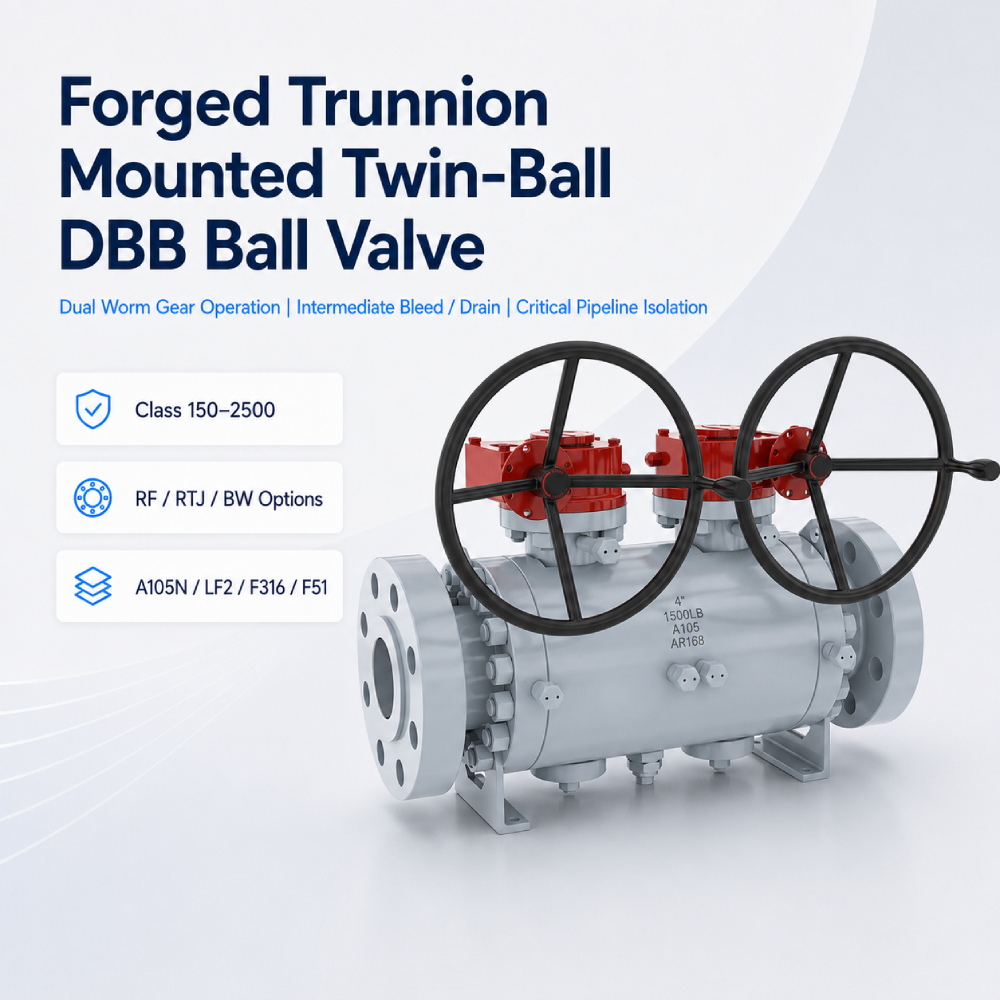
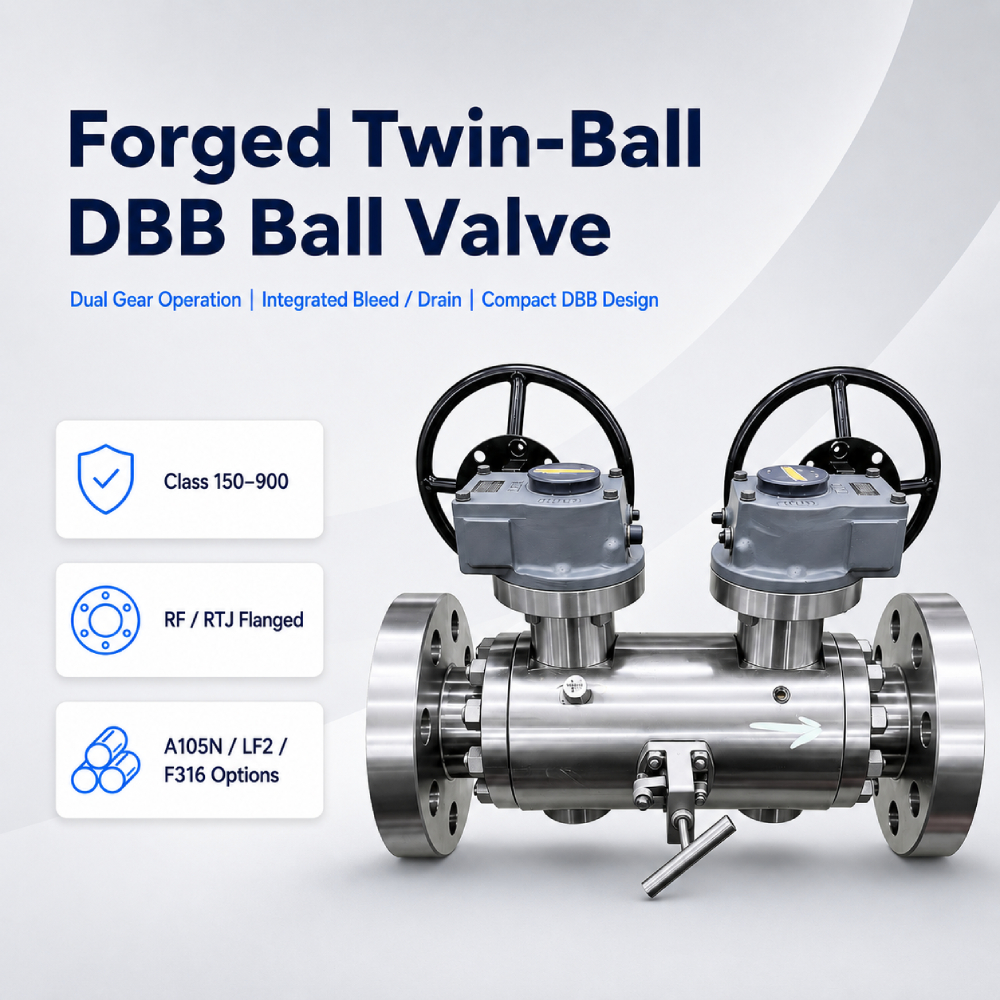
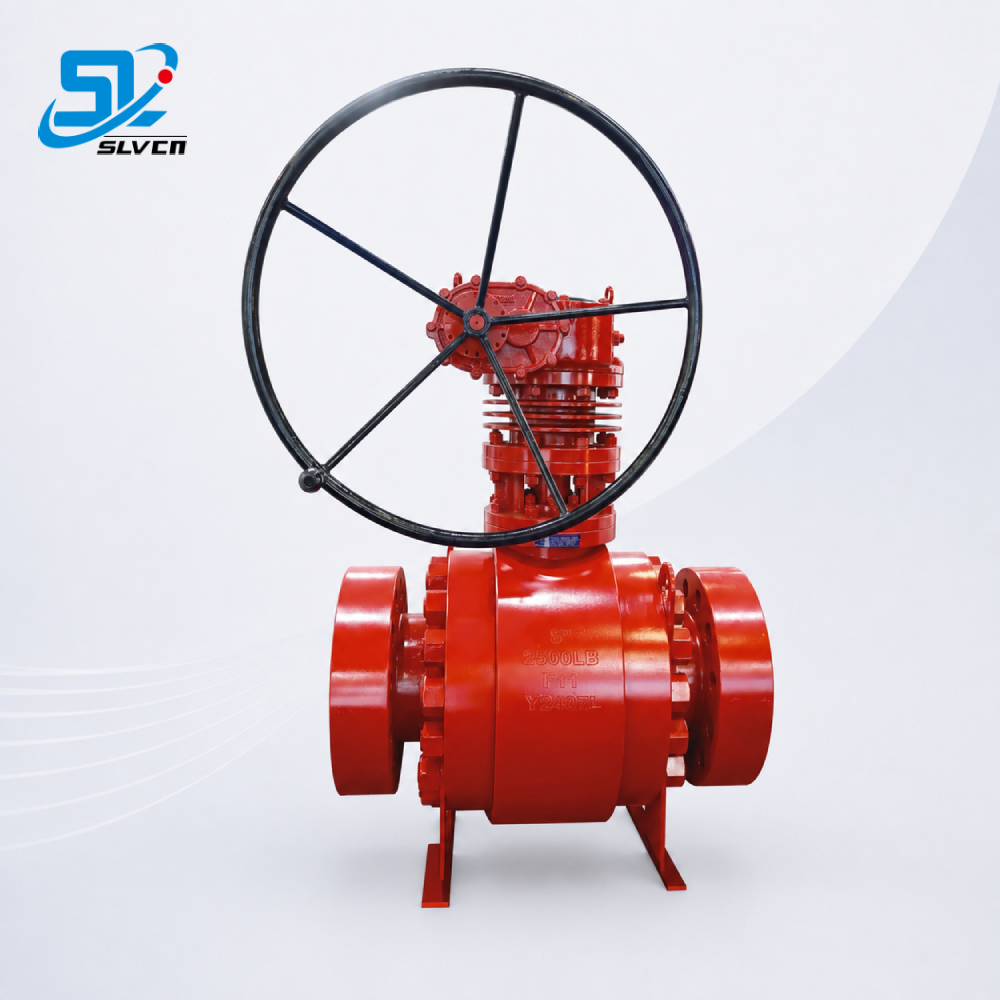
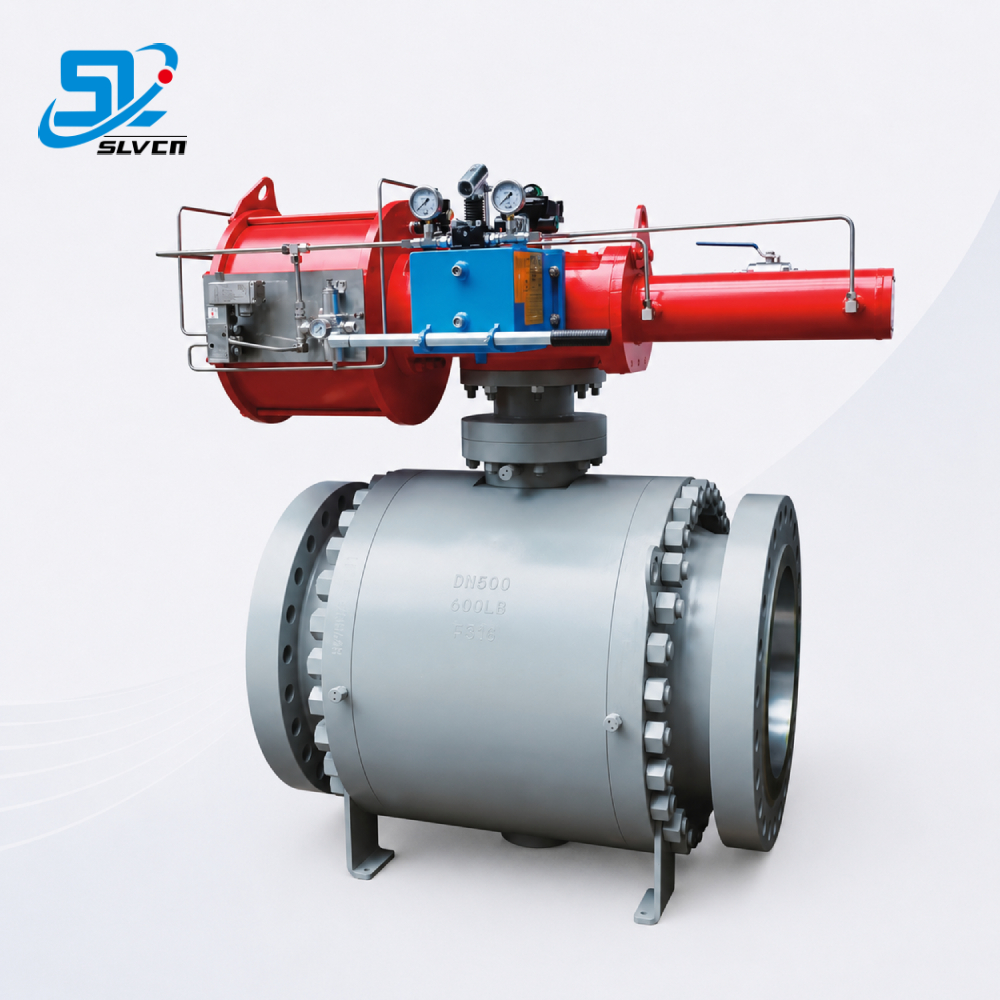
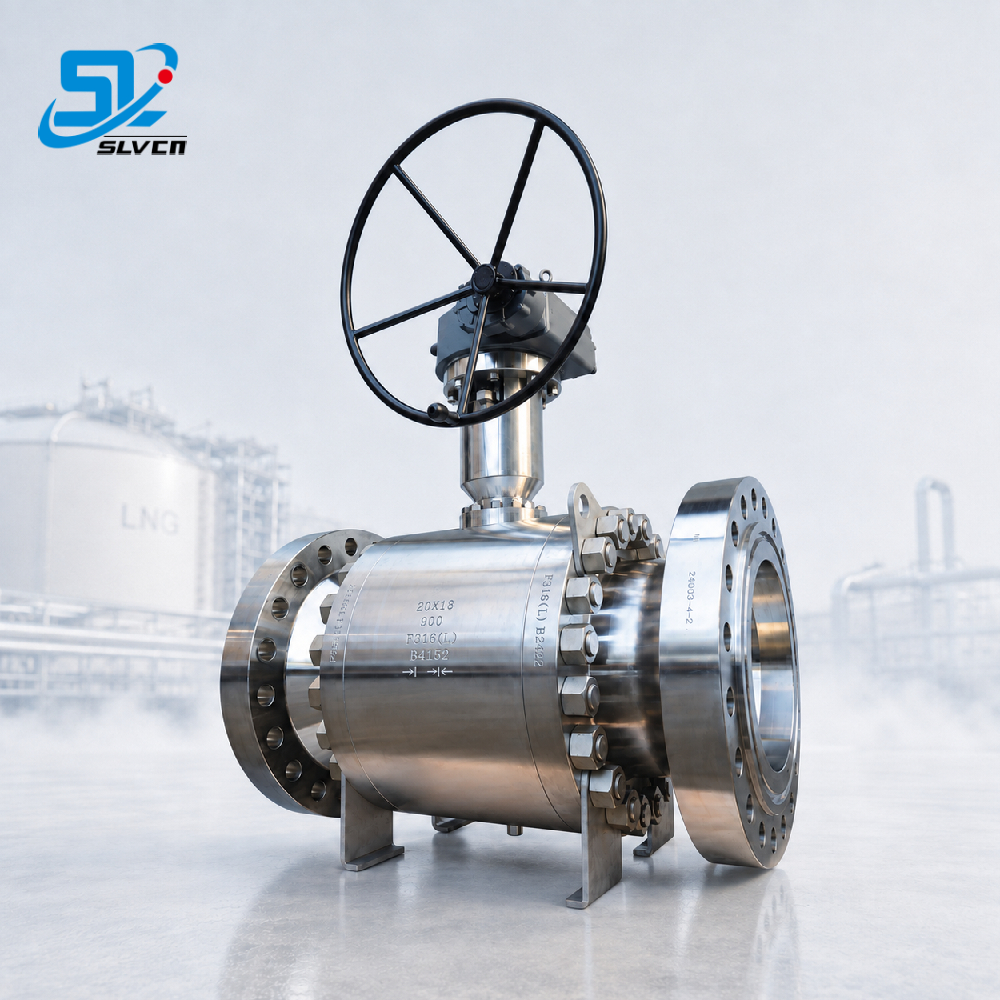
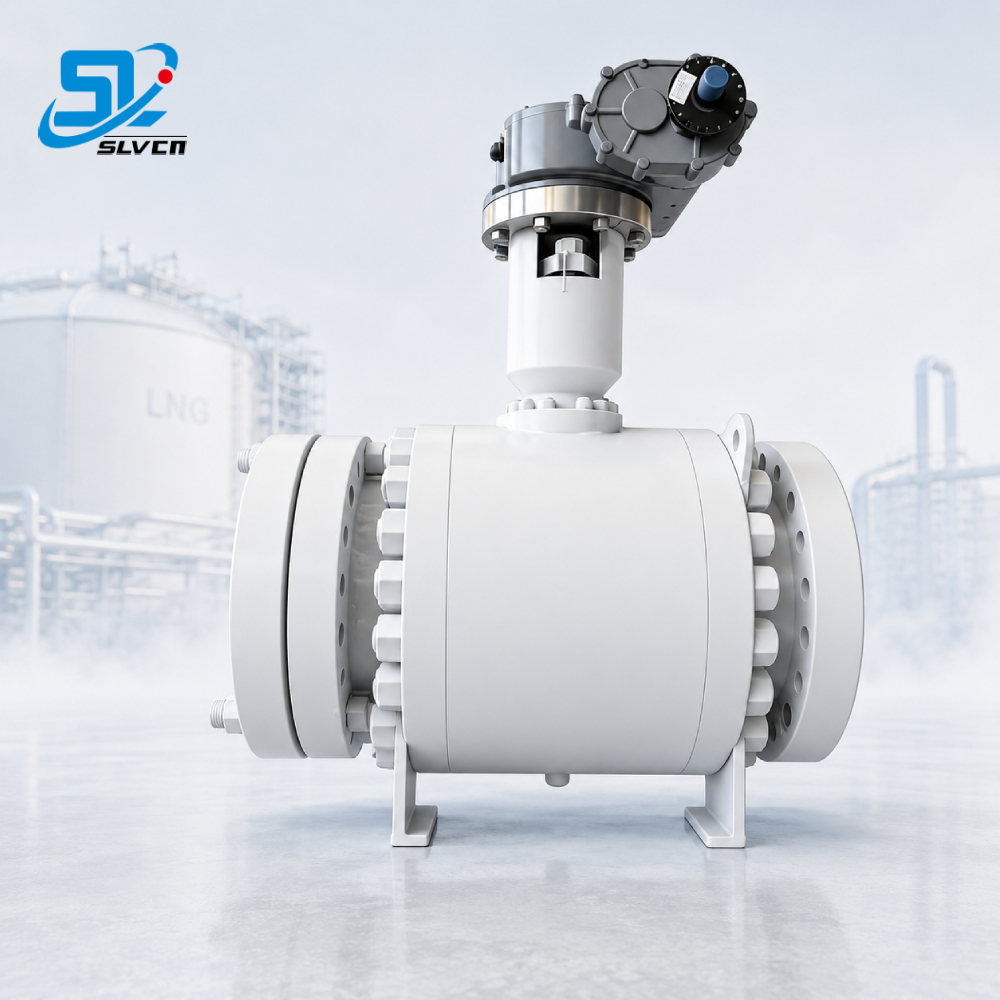
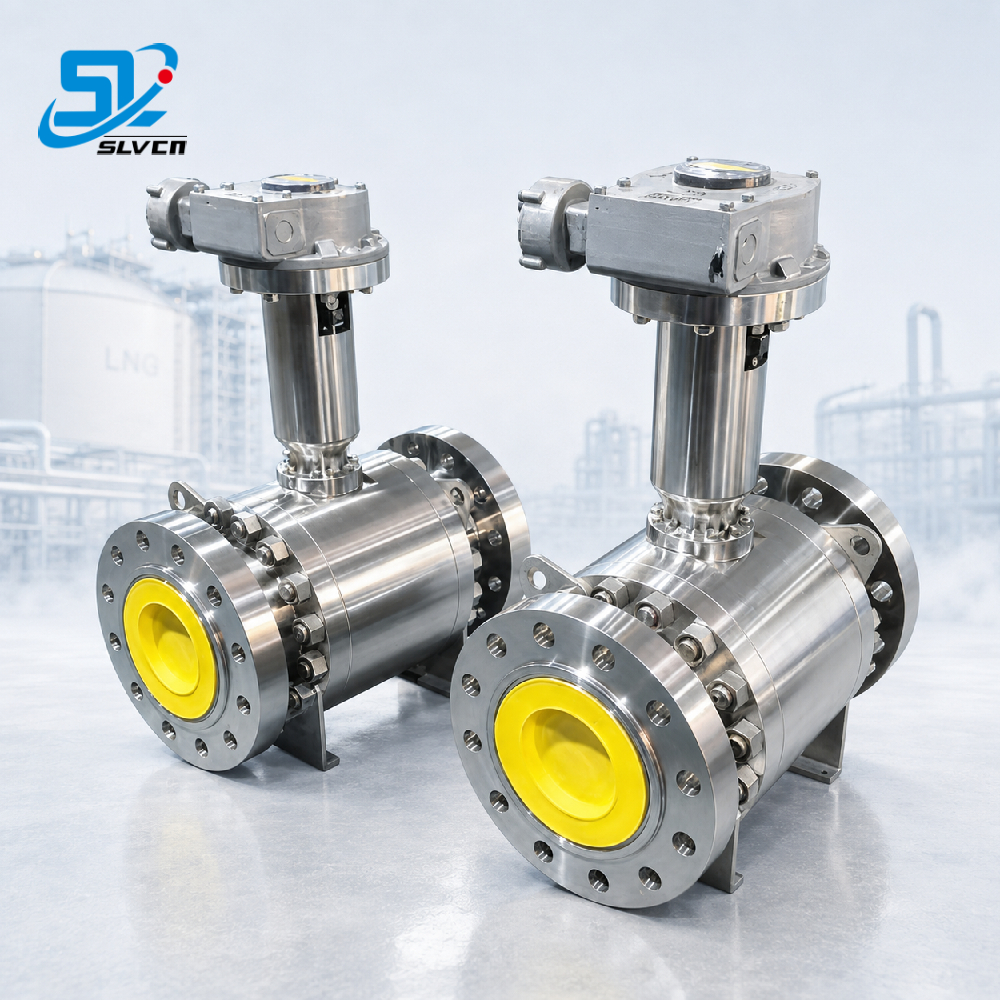
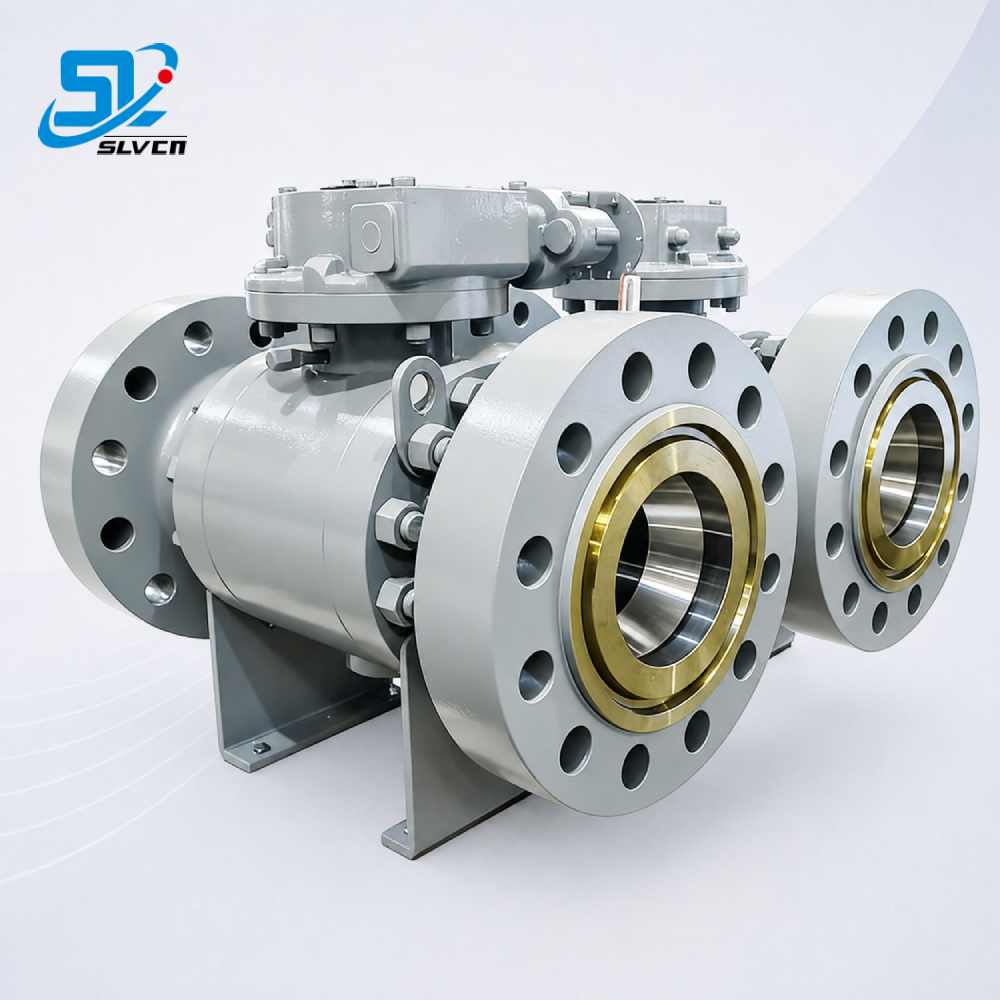
Today, SLVCN serves customers in more than 100 countries and regions, supplying valves to EPC contractors, engineering companies, and end users across Europe, the Middle East, Southeast Asia, and the Americas. Backed by strong engineering expertise, advanced manufacturing, and rigorous quality control, SLVCN is committed to delivering safe, durable, and truly engineered valve solutions for the world’s most demanding industrial projects.
Request A QuoteFind answers to common questions about forged valves for large-diameter gas pipelines.
Forged valves are created under high mechanical pressure, which eliminates internal defects such as porosity, shrinkage, and micro-cracks common in castings. This dense grain structure provides superior mechanical strength and impact resistance, ensuring zero leakage under high-pressure cycles and rapid gas decompression (RGD).
Single Piston Effect (SPE) seats are self-relieving, meaning that if cavity pressure exceeds a certain threshold, it pushes the seat away from the ball to relieve pressure back into the pipeline. Double Piston Effect (DPE) seats seal from both directions, providing double isolation. If one seat fails, the second seat acts as a backup barrier.
Yes. For sour service applications where hydrogen sulfide (H₂S) is present, SLVCN selects materials and applies heat treatment processes in strict compliance with NACE MR0175 / ISO 15156 to prevent sulfide stress cracking.
SLVCN operates dedicated cryogenic testing chambers. We perform low-temperature testing down to −196°C to verify seat sealing, stem torque, and structural integrity under extreme cold conditions, simulating LNG and arctic environments.
A DBB valve features two seating surfaces that seal the valve cavity from both ends when closed. The cavity can then be drained or bled through a vent valve. This allows operators to verify the seal's integrity and safely work downstream without depressurizing the entire pipeline segment.


 18061659285

