Leave Your Message
High-performance forged steel ball valves engineered specifically for severe-service thermal distribution networks.
District heating (DH) systems represent one of the most effective, sustainable methods of supplying heat to urban centers globally. By centralizing heat generation—often utilizing waste heat from industrial processes, power plants, or renewable geothermal sources—district heating networks drastically reduce carbon emissions and improve thermodynamic efficiency. However, the physical distribution of high-temperature hot water or steam over miles of underground piping presents severe engineering challenges. Here, the choice of isolation and control valves dictates the entire system's reliability, safety, and operational longevity.
Underground heating networks operate continuously under high pressure (typically PN16 to PN40) and temperatures ranging from 80°C up to 150°C (and even higher in steam networks). These networks are subjected to massive thermal expansion forces, external soil loading, potential groundwater ingress, and constant pressure surges. Standard cast valves often fall short under these extreme mechanical and thermal stresses. Forged steel ball valves have emerged as the industry gold standard for underground district heating installations, offering superior structural density, fatigue resistance, and zero-leakage security.
Forging eliminates internal defects such as porosity, shrinkage, and micro-cracks common in castings, ensuring the valve body can withstand intense subterranean stresses.
Underground networks experience frequent startup/shutdown cycles. Forged materials absorb thermal expansion and contraction without suffering structural fatigue.
Equipped with advanced elastomer or metal-to-metal seating, these valves provide bubble-tight shut-off, preventing costly thermal energy and water losses.
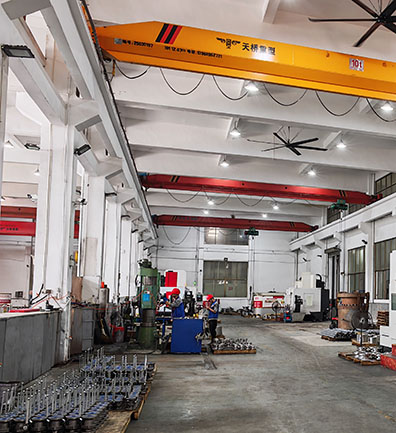


With over 30 years of manufacturing experience, SLVCN is a professional designer and manufacturer of high-performance forged steel ball valves for critical industrial applications. We specialize in extreme working conditions including high pressure, high temperature, and cryogenic environments, providing safe and reliable flow control solutions for global industrial projects where operational reliability is non-negotiable.
Our state-of-the-art forging and machining processes ensure that every valve leaving our facility meets the absolute highest standards of material integrity and dimensional accuracy, making us a trusted partner for municipal district heating authorities and EPC contractors worldwide.
Exploring how forged steel ball valves perform in critical areas of municipal and industrial heating grids.
The primary transmission lines in a district heating network convey massive volumes of hot water or steam from the heat source to urban distribution hubs. These mainlines utilize large-diameter piping (often up to DN1000 or larger) and operate under significant pressure. Valves installed here must offer unrestricted flow with minimal pressure drop to optimize pumping energy.
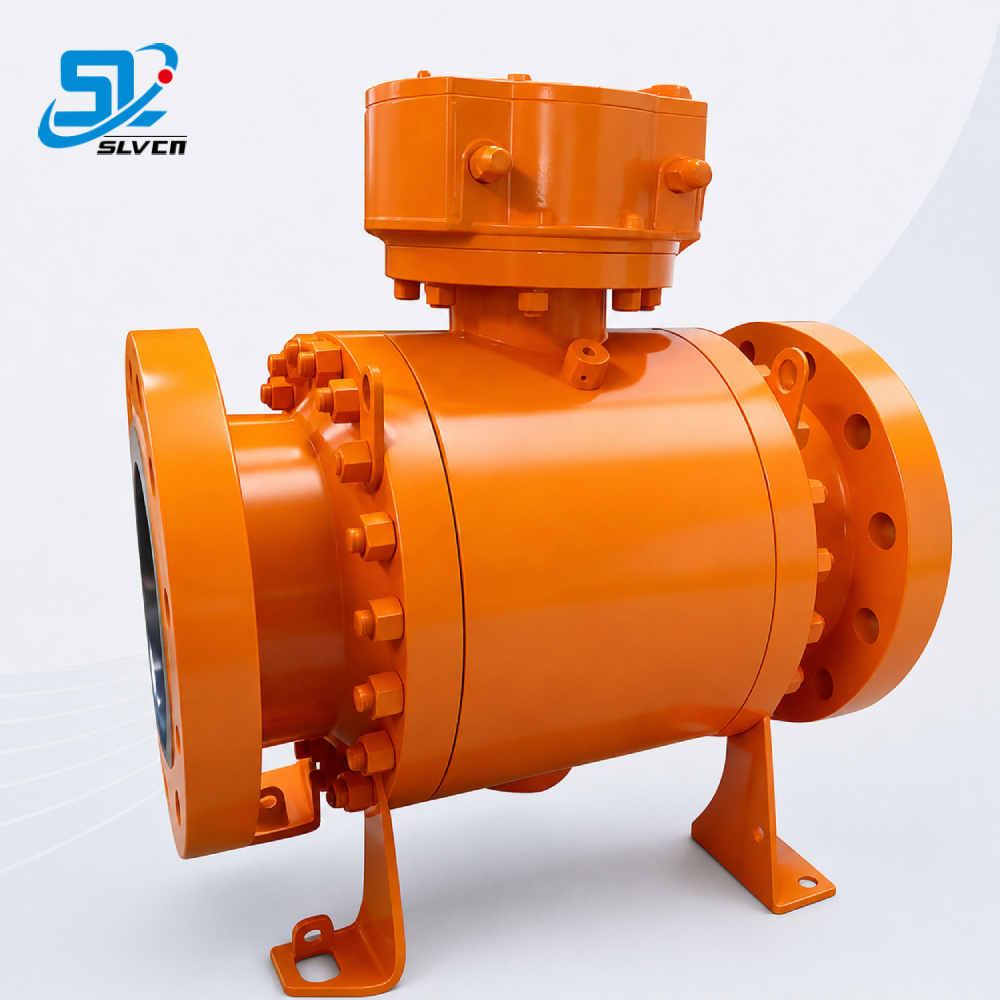
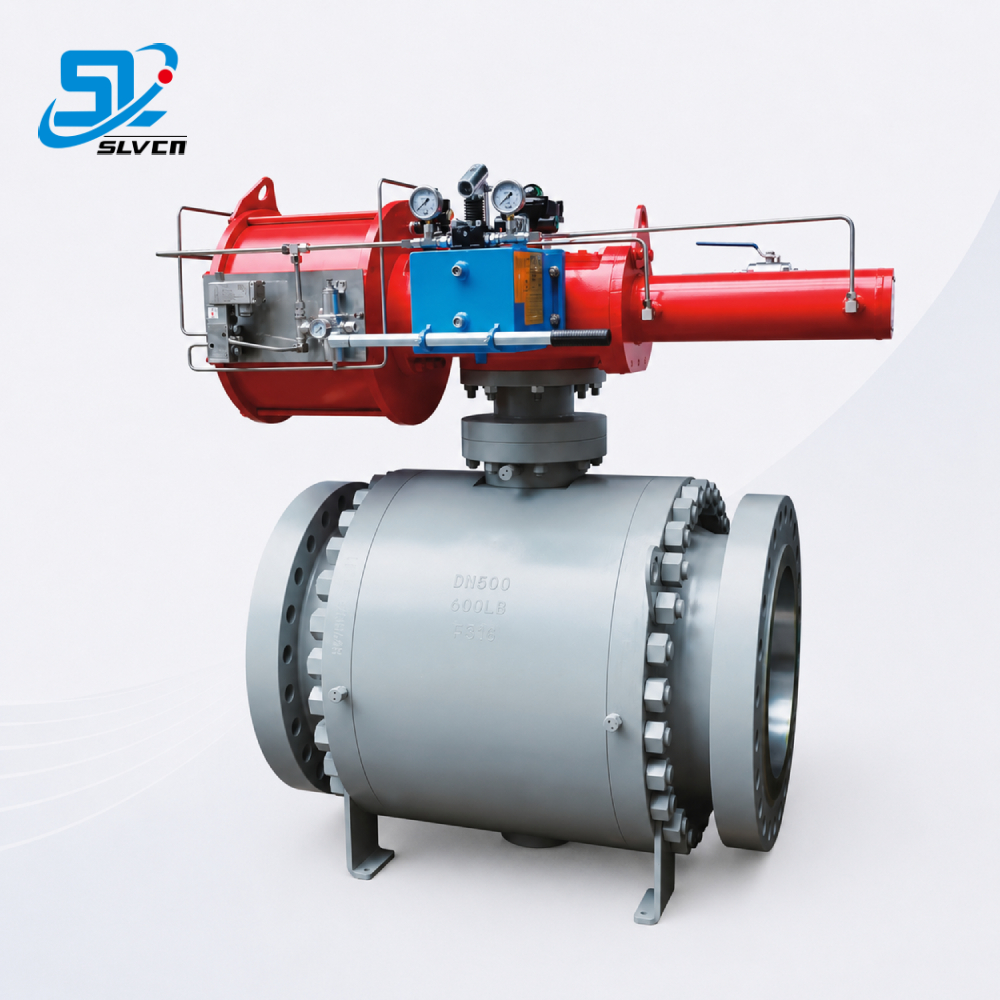
Trunnion-mounted forged ball valves are highly suited for this scenario. The trunnion design absorbs the heavy hydraulic forces exerted on the ball, keeping operating torque low and preventing seat deformation. This guarantees that even after years of continuous service, the valve can be operated smoothly to isolate large sections of the grid during emergency maintenance.
Modern district heating networks heavily favor direct buried piping to reduce installation costs and heat loss. In these configurations, the valve is welded directly into the pipeline and buried underground under layers of insulation, sand, and soil, without concrete chambers (manholes).
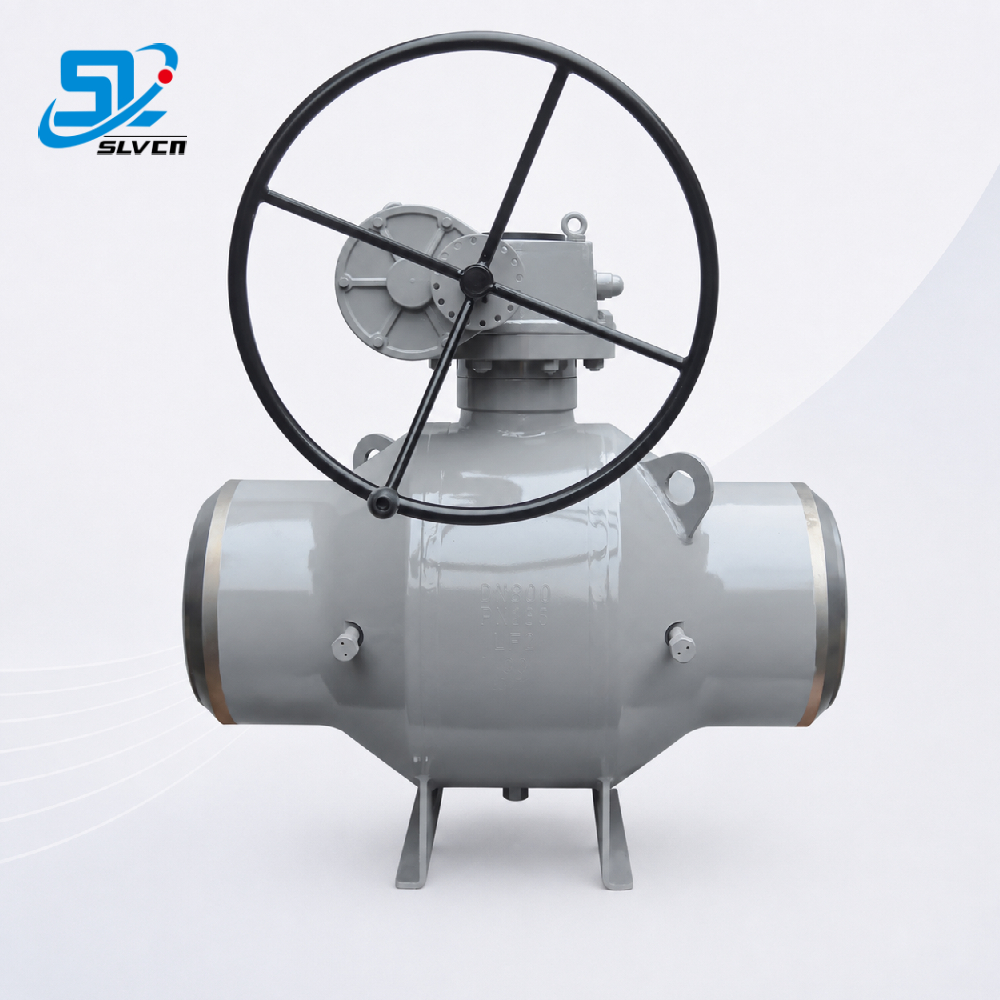
This environment demands a fully welded body design. By eliminating body flanges and bolted joints, the risk of external leakage to the environment is completely removed. The valve body becomes as strong as the pipe itself. Extended stems are utilized to bring the actuation mechanism (gearbox or actuator) up to ground level, enabling maintenance-free operations for a design life of 30 years or more.
Underground pipelines are subject to soil movement and ground settlement over time. Standard cast valves can crack under the resulting bending moments. Forged steel possesses high ductility and tensile strength, allowing the valve body to absorb external bending stresses without compromising internal alignment or sealing integrity.
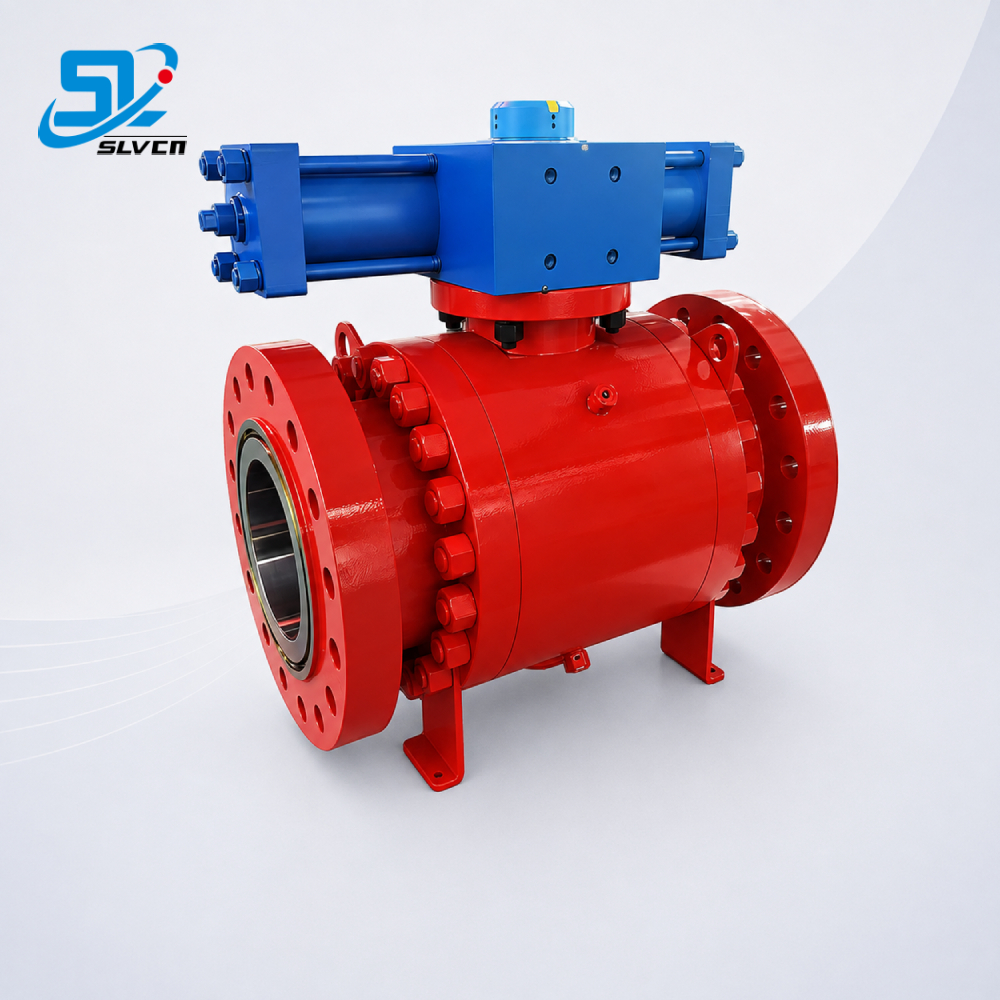
Our core product range covers forged trunnion-mounted and floating ball valves, top-entry and side-entry ball valves, fully welded ball valves, metal seated ball valves, cryogenic ball valves, high-pressure ball valves up to Class 2500 (PN420) and customized higher pressure ratings, as well as high-temperature service valves.
Compared with conventional cast valves, SLVCN forged valves feature higher material density, superior mechanical strength, improved resistance to pressure fluctuations and thermal shock, and significantly longer service life under severe service conditions.
Engineered for high pressure, high temperature, and critical utility applications worldwide.
Designed for High Pressure, High Temperature, and Cryogenic Applications, SLVCN valves are widely used in long-distance oil & gas transmission pipelines, LNG storage and regasification terminals, offshore platforms and deepwater projects, power plants, refineries, compressor stations, and high-pressure chemical processing units. Whether handling flammable media, corrosive fluids, sour service media (H₂S), ultra-low temperatures, or extreme differential pressures, our valves ensure stable operation, bubble-tight shut-off, and maximum system safety in accordance with international sealing and performance standards.

Technical innovations designed to protect municipal heating infrastructure and prevent system failure.
District heating lines undergo severe thermal cycles. When hot water or steam is introduced, temperatures spike rapidly, causing the steel pipeline and valve body to expand. During low-demand seasons, temperatures drop, causing contraction. This continuous cycle generates tremendous fatigue stress.
Forged steel features a uniform grain structure that distributes mechanical and thermal stresses evenly. Unlike cast valves, which may contain micro-voids that concentrate stress and lead to crack propagation, forged bodies resist thermal fatigue, ensuring structural integrity over decades.
High-velocity water in district heating loops can cause cavitation—the formation and sudden collapse of vapor bubbles—which quickly erodes valve seats and balls. Additionally, suspended particulate matter (like magnetite or pipe scale) can cause abrasive wear.
Our forged ball valves can be equipped with hard-faced coatings (such as Stellite, Tungsten Carbide, or Chromium Carbide) applied via High-Velocity Oxygen Fuel (HVOF) thermal spraying. This creates a surface hardness exceeding 60 HRC, protecting the sealing interfaces from both cavitation erosion and particulate abrasion.
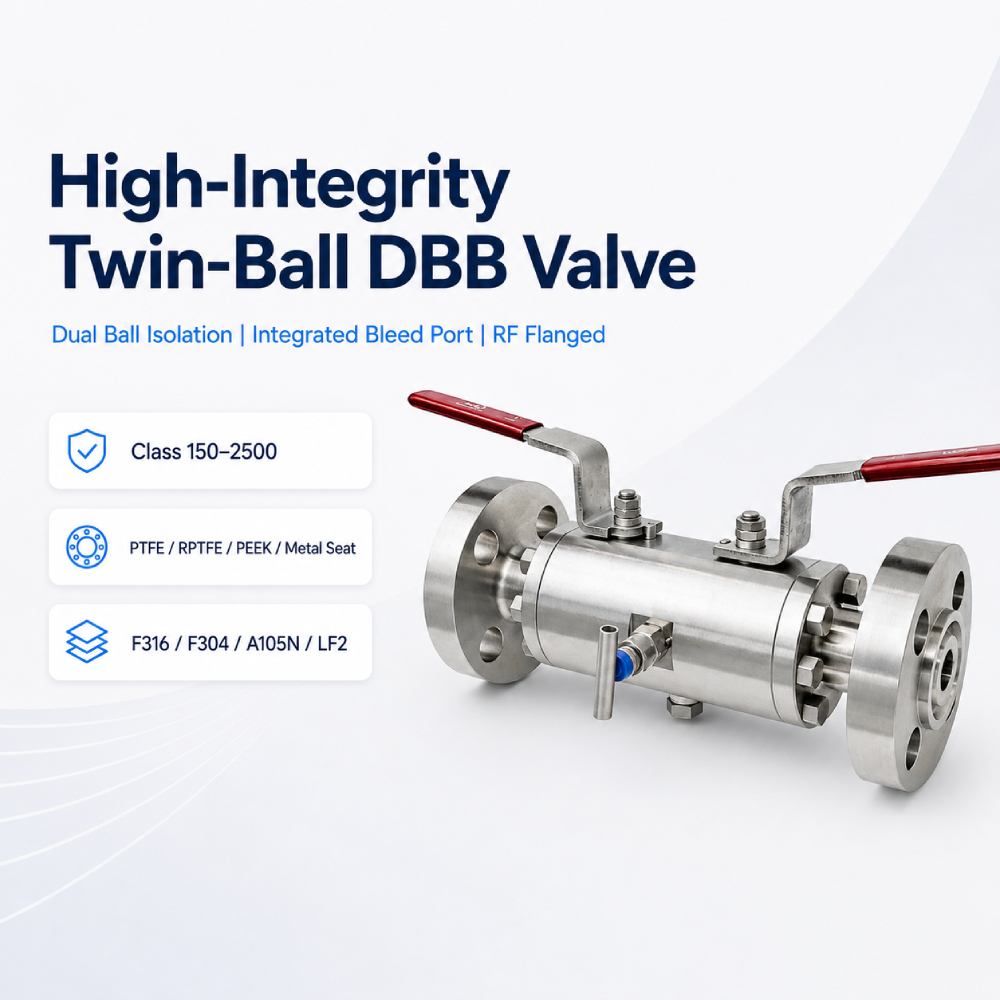
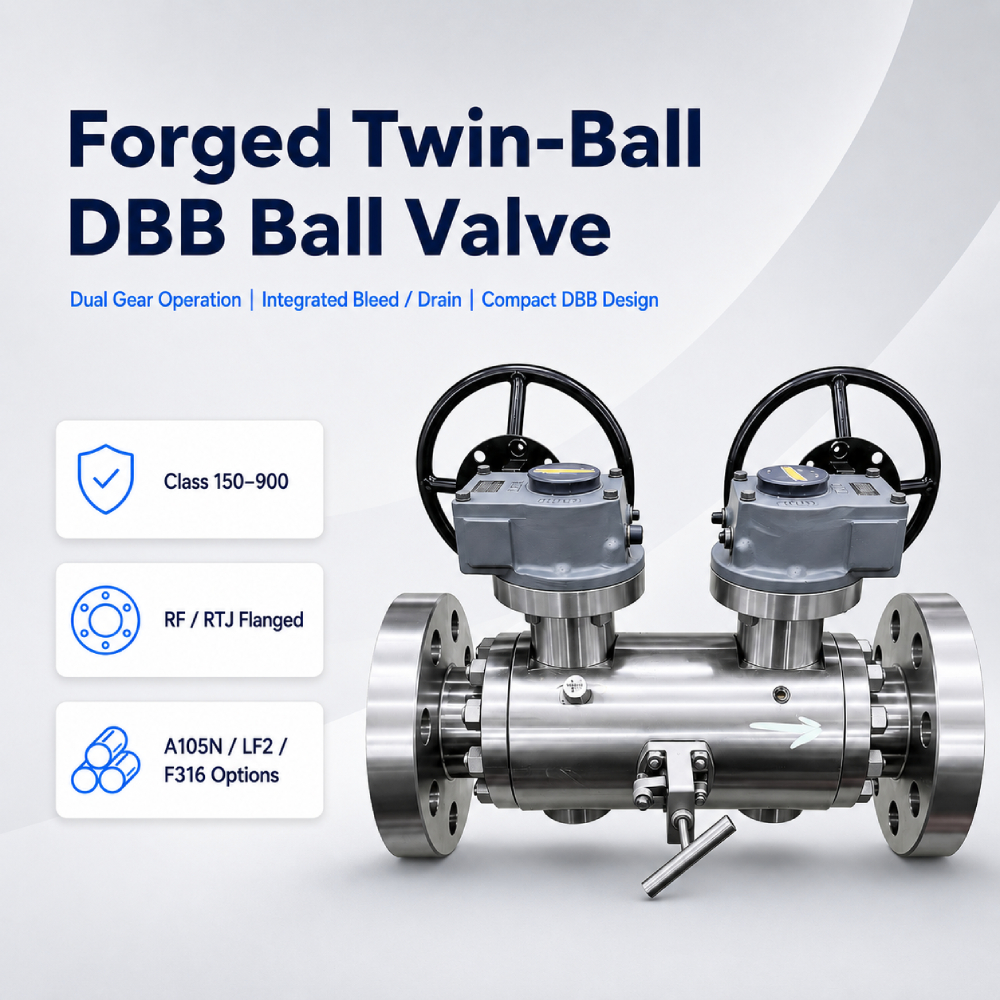
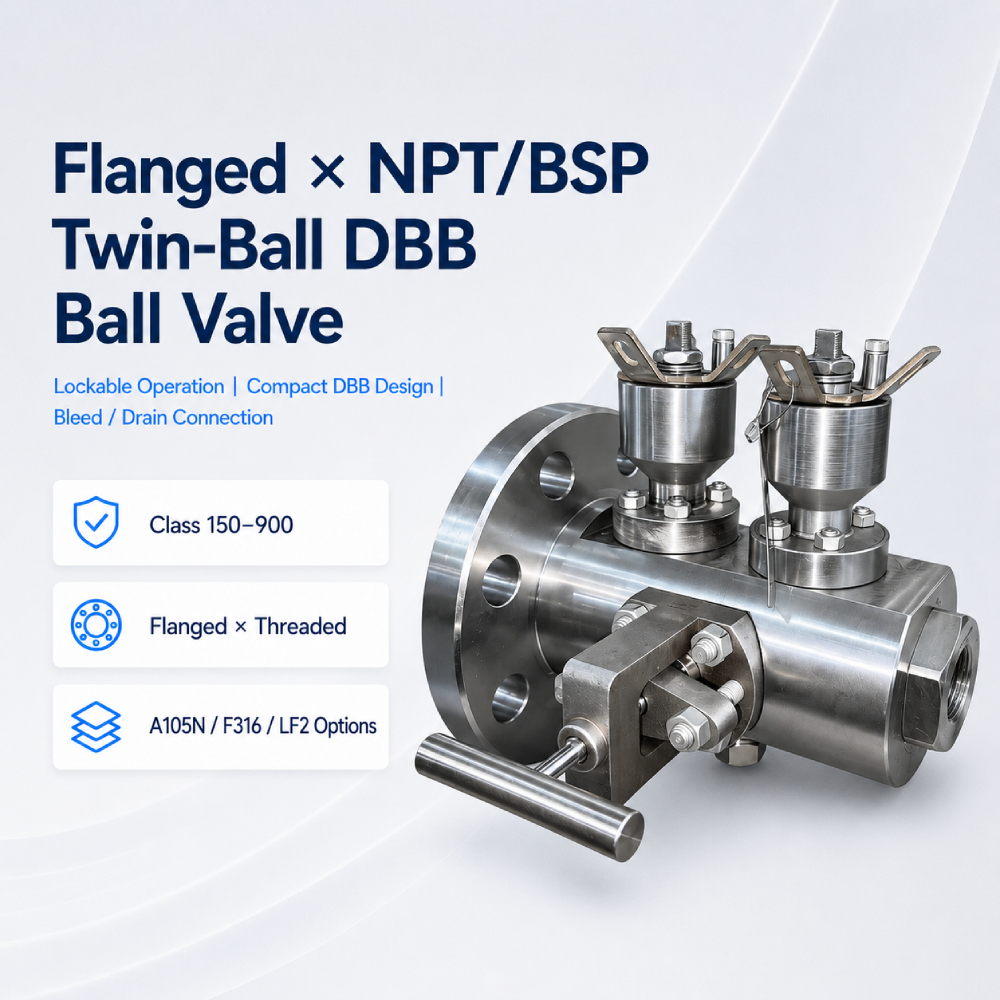
Safety and reliability are embedded in every design. Our forged ball valves are equipped with Double Block and Bleed (DBB) structures, anti-blowout stems, fire-safe designs in accordance with API 607 / API 6FA, anti-static devices, emergency sealing systems, and pressure-balanced seating structures suitable for high differential pressure operation.
Valves can be designed with Single Piston Effect (SPE) or Double Piston Effect (DPE) seat configurations based on application requirements. For sour service environments, materials and sealing systems comply with NACE MR0175 / ISO 15156 requirements.
The shift toward smarter, more efficient, and decarbonized thermal grids.
As cities transition toward 4th and 5th generation district heating (4GDH / 5GDH), system operating parameters are changing. Modern networks utilize lower water temperatures (50°C to 70°C) to integrate low-grade geothermal and waste heat. However, to compensate for the lower temperature differential, flow rates must increase, requiring exceptionally low-friction flow paths and precise flow modulation to prevent turbulence and system imbalance.
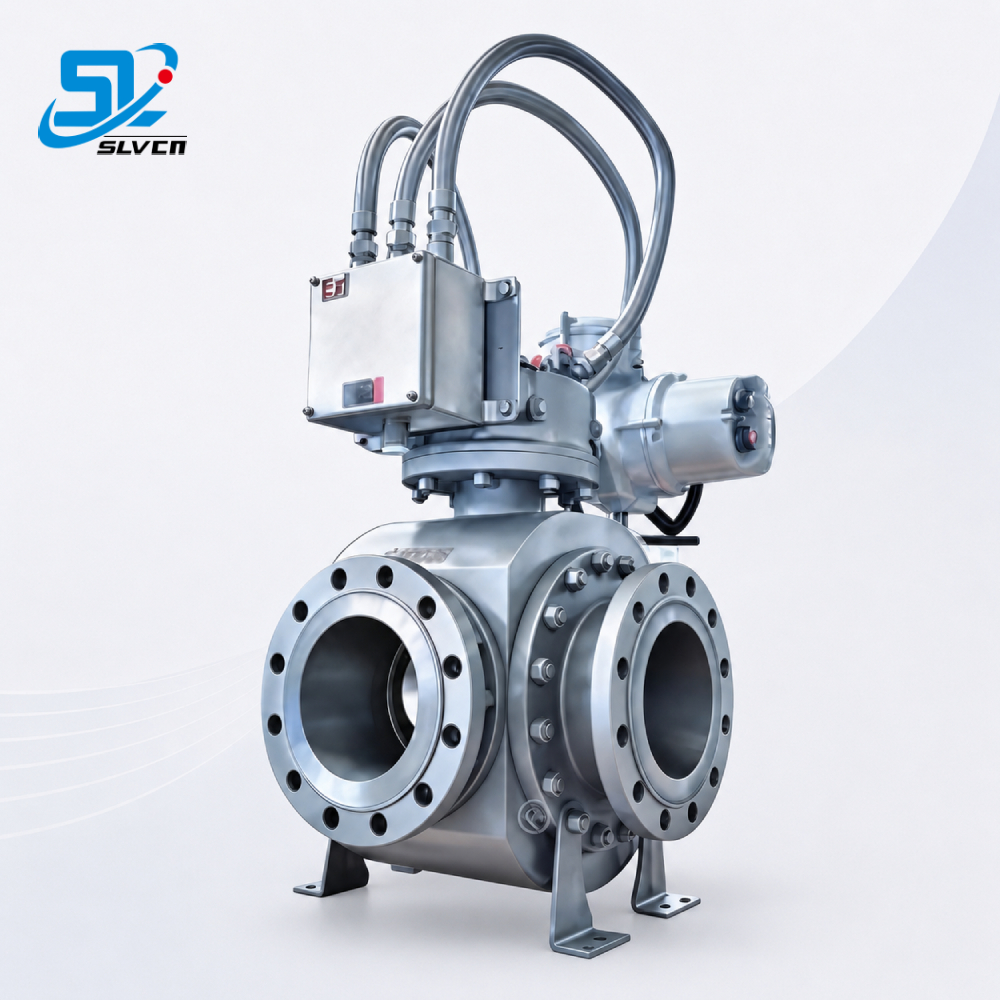
Furthermore, digitalization is rapidly transforming underground utilities. Future-proof district heating networks require valves equipped with smart actuators and diagnostic sensors. These sensors monitor parameters such as valve position, operating torque, temperature, and pressure differentials. By analyzing this data, heating authorities can predict wear, detect minor leaks before they cause catastrophic failures, and optimize heat distribution dynamically across the city grid.
Rigorous testing protocols ensuring absolute compliance with international standards.
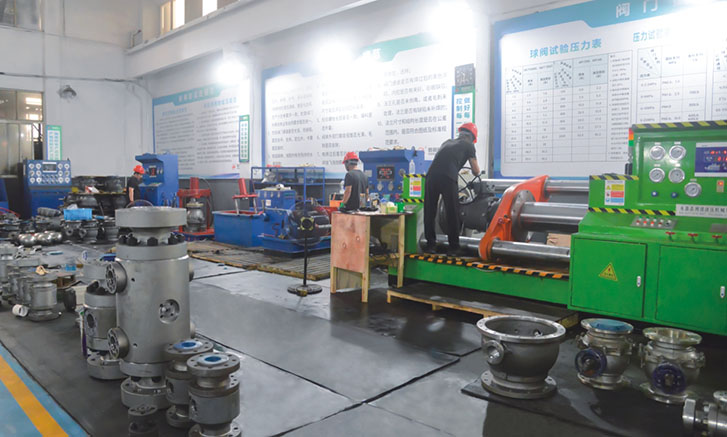
To ensure consistent quality, each valve undergoes a complete series of inspections and performance tests in accordance with API 6D, API 598, and ISO 5208, including shell test, seat leakage test (Rate A / zero visible leakage), fire-safe test, cryogenic test, operational torque test, dimensional inspection, and PMI material verification. SLVCN operates dedicated cryogenic testing facilities to validate valve performance at ultra-low temperatures down to −196°C.
SLVCN is certified to ISO 9001, CE, and API standards, and our products comply with API 6D, ASME B16.34, DIN, ANSI, and JIS specifications. We provide extensive customization capabilities covering sizes from 1/2” to 36”, full bore or reduced bore, special materials including A105, LF2, F11, F22, F51, Inconel, various soft and metal seat designs, and intelligent actuation with pneumatic, electric, and gear operators.
Today, SLVCN serves customers in more than 100 countries and regions, supplying valves to EPC contractors, engineering companies, and end users across Europe, the Middle East, Southeast Asia, and the Americas. Backed by strong engineering expertise, advanced manufacturing, and rigorous quality control, SLVCN is committed to delivering safe, durable, and truly engineered valve solutions for the world’s most demanding industrial projects.
Explore our full line of high-performance valves engineered for critical utility networks and industrial systems.


 18061659285