


Leave Your Message
High-performance metal-seated and double-block-and-bleed valve solutions optimized for abrasive media and extreme pipeline pressures.
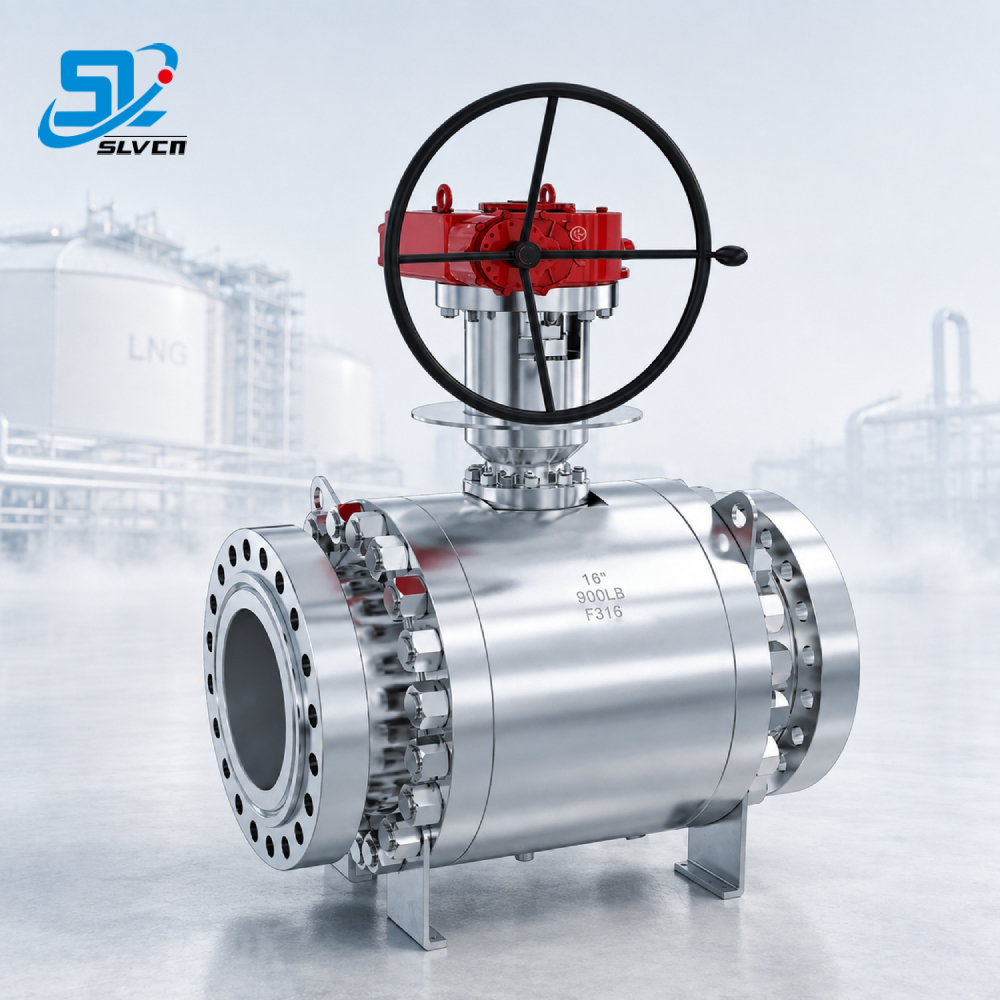
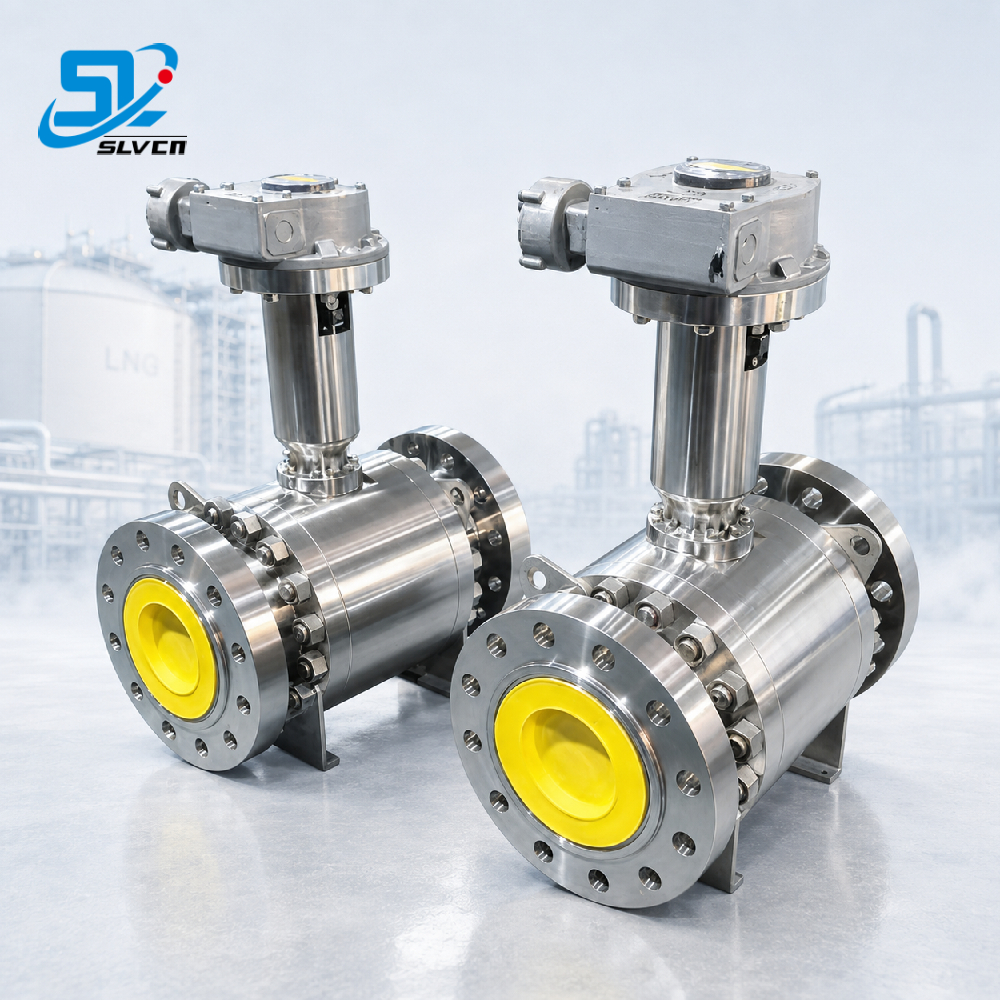


In modern heavy industries, the transportation of abrasive solid-liquid mixtures—commonly referred to as slurry—presents some of the most punishing environments for pipeline infrastructure. Industries such as mining, mineral processing, oil sands extraction, coal gasification, and chemical processing rely heavily on slurry pipelines to transport raw materials and tailings over vast distances. Within these systems, the selection of the correct valve architecture is critical to preventing catastrophic pipeline downtime and ensuring operational safety.
Historically, pinch valves, gate valves, and diaphragm valves were the primary choices for low-pressure slurry handling. However, as modern processing plants push for higher operational pressures, larger volumes, and increased temperatures, the demand for high-integrity floating ball valves has surged. Floating ball valves designed specifically for abrasive slurry systems offer bi-directional bubble-tight shut-off, rapid quarter-turn actuation, and a straight-through flow path that minimizes pressure drops and turbulent wear.
The commercial market for slurry-grade floating ball valves is expanding rapidly. According to recent industrial market research, the global market for severe service valves in mining and slurry applications is projected to grow substantially over the next decade. This growth is driven by the depletion of high-grade mineral reserves, forcing mining operations to process larger volumes of lower-grade ores. Consequently, pipeline systems must handle higher concentrations of highly abrasive tailings, elevating the role of engineered floating ball valves from simple isolation devices to critical assets that directly impact a plant’s profitability.
Key Market Driver: The global shift toward deeper mines and longer tailings transport lines requires valves that can withstand continuous pressures exceeding Class 600 and Class 900 ratings while handling slurry concentrations of up to 70% solids by weight.
Abrasive slurry pipeline systems are not uniform; they vary wildly based on the minerals being transported, the carrier fluid chemistry, and the physical characteristics of the suspended solids. Understanding the specific application scenario is essential for proper valve configuration.
Characterized by highly angular particles with high Mohs hardness. Floating ball valves in these pipelines face extreme erosion at the leading edges of the ball and seat during opening and closing cycles. Metal-to-metal seating with Tungsten Carbide coatings is mandatory to prevent premature failure.
This application combines high abrasiveness with severe chemical corrosiveness due to high alkalinity (caustic soda) and elevated temperatures. Valves must utilize specialized alloy bodies (such as Duplex or Super Duplex stainless steels) combined with chemical-resistant hard facings to combat both erosion and corrosion simultaneously.
High-temperature coal slurry feeds demand valves that can maintain tight sealing under thermal cycling. The floating ball design must incorporate flexible seat arrangements that allow the ball to move slightly downstream to seal effectively without binding due to thermal expansion or coal particle entrapment.
In a standard floating ball valve, the ball is not held rigidly by a trunnion; instead, it is supported by two sealing seats. When pressure is applied, the ball shifts slightly downstream, pressing against the downstream seat to block flow. In a slurry system, this floating action poses a unique challenge: solid particles can easily migrate behind the seats or into the body cavity.
If particles settle in the cavity, they can solidify, preventing the ball from floating or rotating, which leads to high operating torque and eventual actuator failure. To solve this, advanced slurry floating ball valves feature self-cleaning seat profiles and cavity-relief mechanisms. The seat rings are designed with sharp scraping edges that wipe the ball clean of scale and particles every time the valve is cycled, ensuring the sealing surface remains pristine.
To survive the erosive velocity of slurry flows, the internal components of floating ball valves must undergo specialized surface treatments. Standard soft-seated valves (using PTFE, PEEK, or Devlon) are entirely unsuitable, as the abrasive particles will tear the soft insert material in a matter of hours.
The core of a slurry floating ball valve is its metal-to-metal seating system. Both the ball and the seat rings are machined from high-strength forged alloys and matched-lapped to achieve a precise fit. This ensures that even under high pressure, the valve achieves a bubble-tight (API 598 or ISO 5208 Rate A) shut-off. The metal seats are spring-loaded to maintain constant contact with the ball, preventing particles from getting wedged between the sealing faces.
To achieve the required surface hardness, manufacturers apply advanced coatings via the HVOF thermal spray process. The most common coating for abrasive slurry is Tungsten Carbide (WC-Co or WC-Co-Cr), which provides a surface hardness of over 70 HRC. For applications involving both corrosion and high-temperature erosion, Chromium Carbide (Cr3C2-NiCr) is preferred due to its superior oxidation resistance and chemical stability.
The future of floating ball valves in slurry systems lies in digitization and advanced material science. The integration of smart actuators with torque-signature diagnostics allows operators to monitor the health of the valve in real-time. An unexpected increase in operating torque indicates slurry buildup in the cavity or seat wear, enabling predictive maintenance before a catastrophic failure occurs.
Furthermore, researchers are exploring the use of ceramic matrix composites (CMCs) and laser cladding technologies to create even harder, more resilient surface layers. Laser cladding offers a metallurgical bond with the substrate, eliminating the risk of coating delamination under extreme thermal cycling or impact from large particles.
With over 30 years of manufacturing experience, SLVCN is a professional designer and manufacturer of high-performance forged steel ball valves for critical industrial applications. We specialize in extreme working conditions including high pressure, high temperature, and cryogenic environments, providing safe and reliable flow control solutions for global industrial projects where operational reliability is non-negotiable.
Our engineering team continuously innovates to meet the evolving demands of modern pipeline systems, ensuring that our valves deliver maximum safety, durability, and performance under the most challenging operating conditions.
Contact Us Today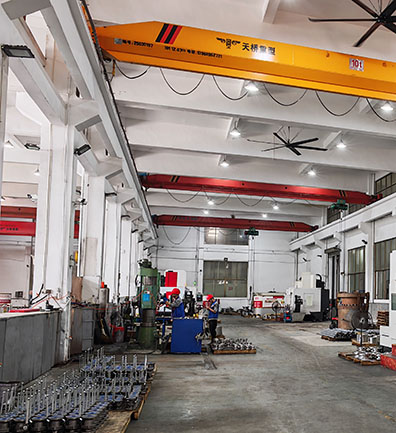
Years of Manufacturing Excellence


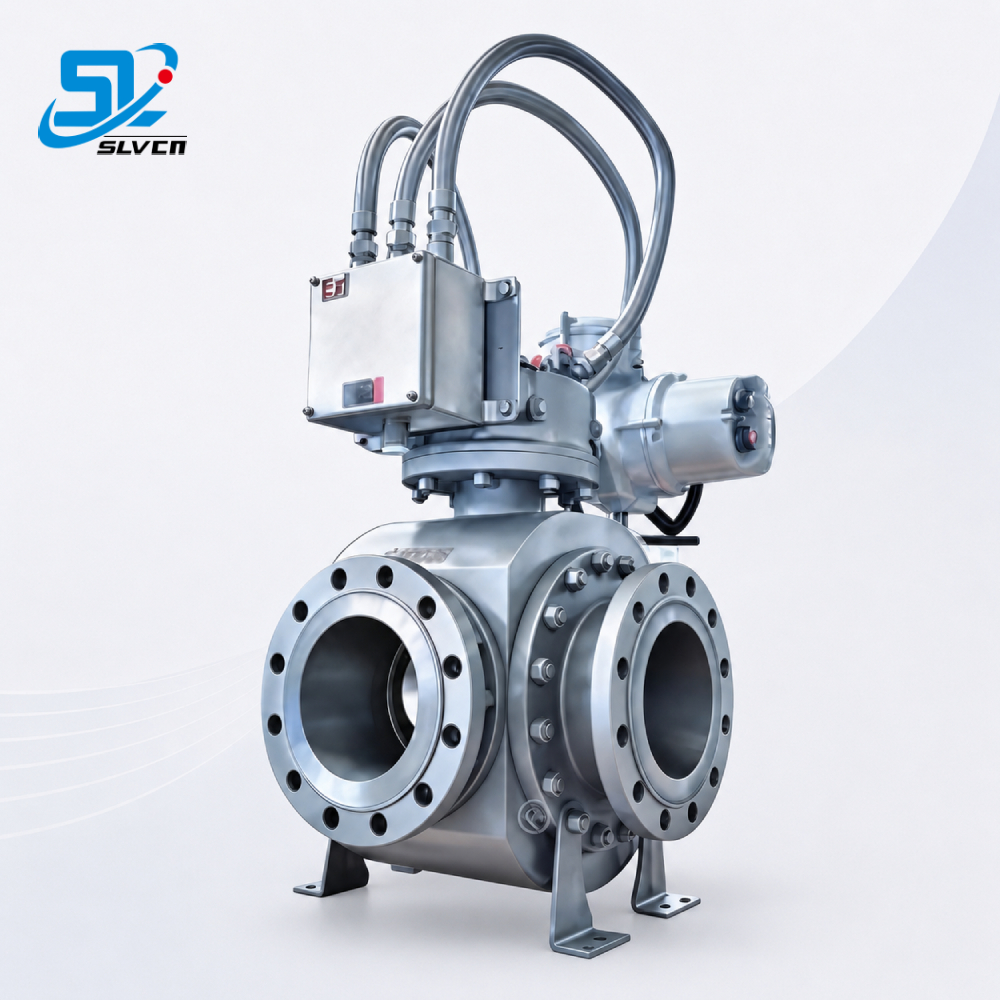
Our core product range covers forged trunnion-mounted and floating ball valves, top-entry and side-entry ball valves, fully welded ball valves, metal seated ball valves, cryogenic ball valves, high-pressure ball valves up to Class 2500 (PN420) and customized higher pressure ratings, as well as high-temperature service valves.
Compared with conventional cast valves, SLVCN forged valves feature higher material density, superior mechanical strength, improved resistance to pressure fluctuations and thermal shock, and significantly longer service life under severe service conditions. The elimination of internal casting defects (such as porosity and shrinkage) makes our forged valves the ideal choice for high-pressure abrasive slurry pipelines where structural integrity is paramount.
SLVCN valves are widely used in long-distance oil & gas transmission pipelines, LNG storage and regasification terminals, offshore platforms and deepwater projects, power plants, refineries, compressor stations, and high-pressure chemical processing units.
Whether handling flammable media, corrosive fluids, sour service media (H₂S), ultra-low temperatures, or extreme differential pressures, our valves ensure stable operation, bubble-tight shut-off, and maximum system safety in accordance with international sealing and performance standards.

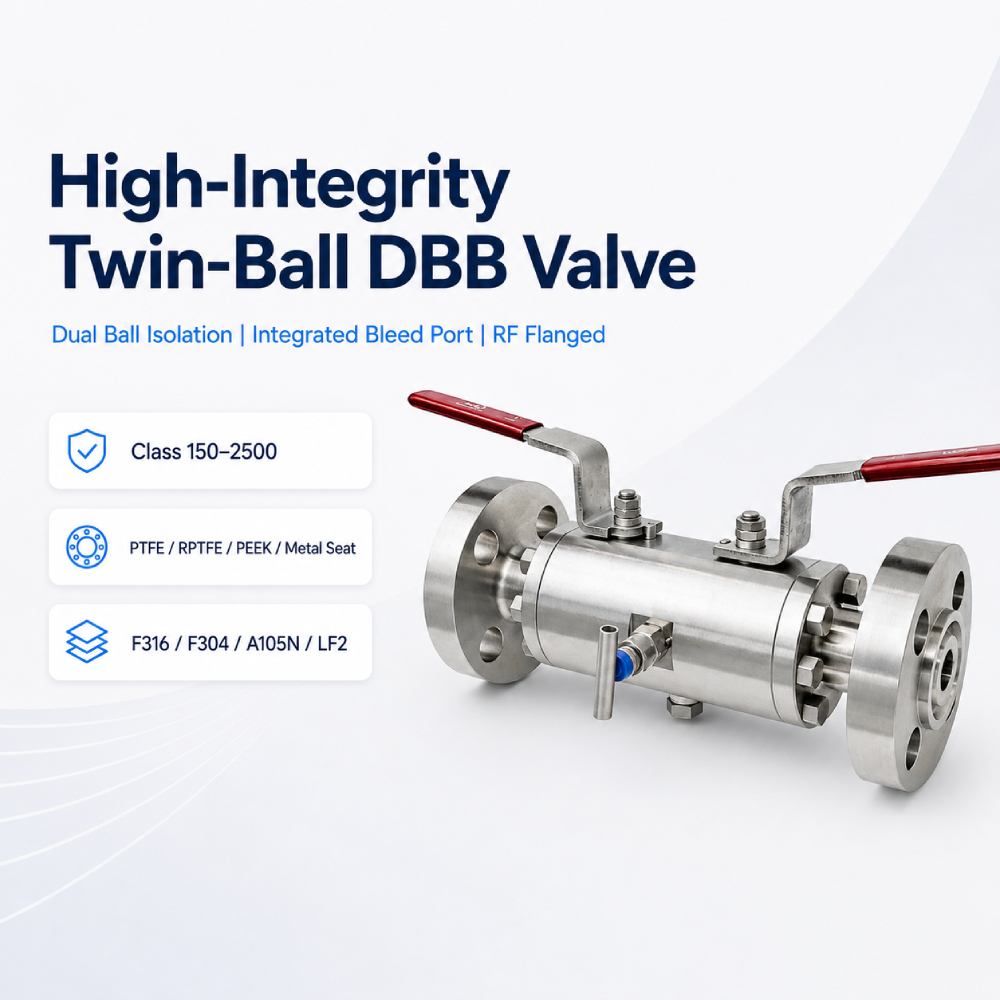
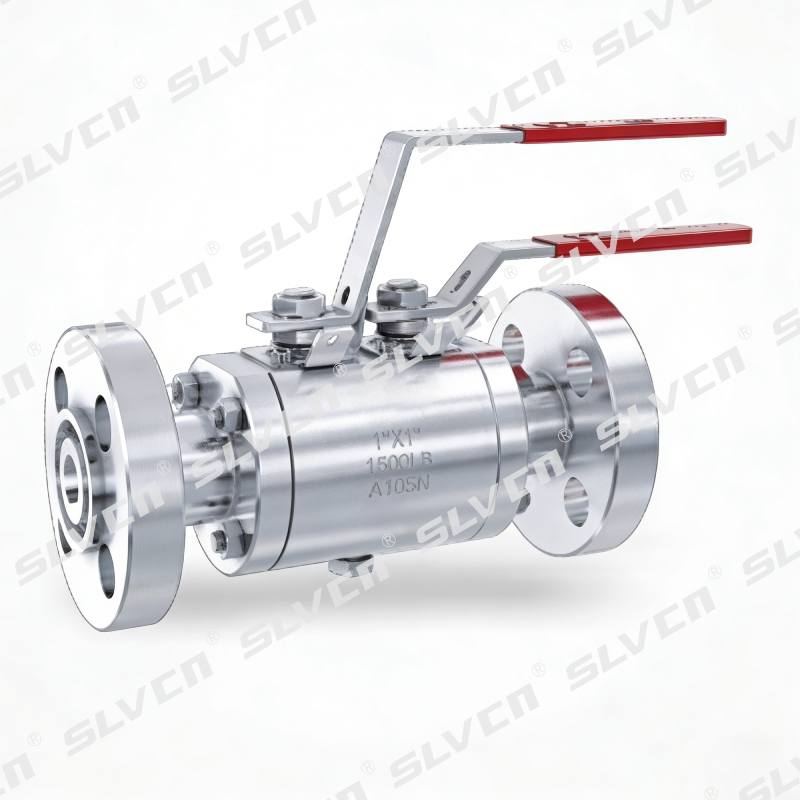
Our forged ball valves are equipped with Double Block and Bleed (DBB) structures, anti-blowout stems, fire-safe designs in accordance with API 607 / API 6FA, anti-static devices, emergency sealing systems, and pressure-balanced seating structures suitable for high differential pressure operation.
Valves can be designed with Single Piston Effect (SPE) or Double Piston Effect (DPE) seat configurations based on application requirements. For sour service environments, materials and sealing systems comply with NACE MR0175 / ISO 15156 requirements, preventing sulfide stress cracking and hydrogen-induced cracking.
Rigorous testing and international certifications guarantee the performance of SLVCN valves in the world's most demanding projects.
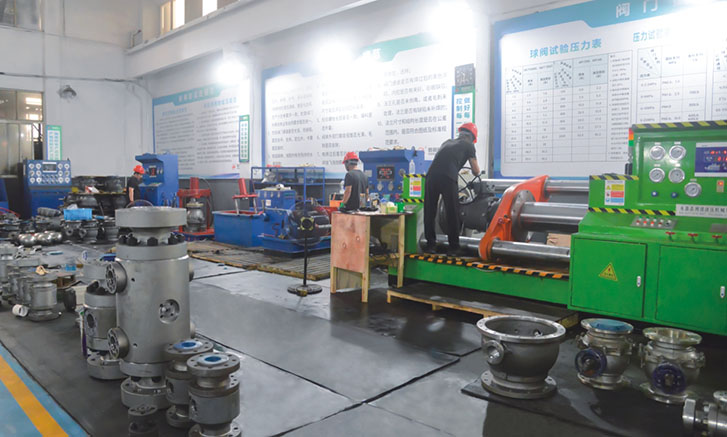
To ensure consistent quality, each valve undergoes a complete series of inspections and performance tests in accordance with API 6D, API 598, and ISO 5208, including shell test, seat leakage test (Rate A / zero visible leakage), fire-safe test, cryogenic test, operational torque test, dimensional inspection, and PMI material verification. SLVCN operates dedicated cryogenic testing facilities to validate valve performance at ultra-low temperatures down to −196°C.
SLVCN is certified to ISO 9001, CE, and API standards, and our products comply with API 6D, ASME B16.34, DIN, ANSI, and JIS specifications. We provide extensive customization capabilities covering sizes from 1/2” to 36”, full bore or reduced bore, special materials including A105, LF2, F11, F22, F51, Inconel, various soft and metal seat designs, and intelligent actuation with pneumatic, electric, and gear operators.
Today, SLVCN serves customers in more than 100 countries and regions, supplying valves to EPC contractors, engineering companies, and end users across Europe, the Middle East, Southeast Asia, and the Americas. Backed by strong engineering expertise, advanced manufacturing, and rigorous quality control, SLVCN is committed to delivering safe, durable, and truly engineered valve solutions for the world’s most demanding industrial projects.
Explore our full range of severe service, cryogenic, and double block & bleed ball valves engineered for high-integrity industrial isolation.



 18061659285

