


Leave Your Message
Explore our core double-isolation valves designed to handle high-pressure thermal shock and provide absolute bubble-tight shut-off in critical steam lines.
In modern power generation plants, steam is the primary vehicle for thermal energy conversion. High-pressure steam lines operate under extreme temperatures (often exceeding 540°C / 1000°F) and pressures that challenge standard piping systems. Traditionally, isolating these lines for maintenance required two separate gate or globe valves installed in series with a spool piece and a bleed valve between them. This classic arrangement, while effective, introduces significant drawbacks: massive physical footprints, excessive weight loads on piping structural supports, and multiple potential leak paths at the flanged connections.
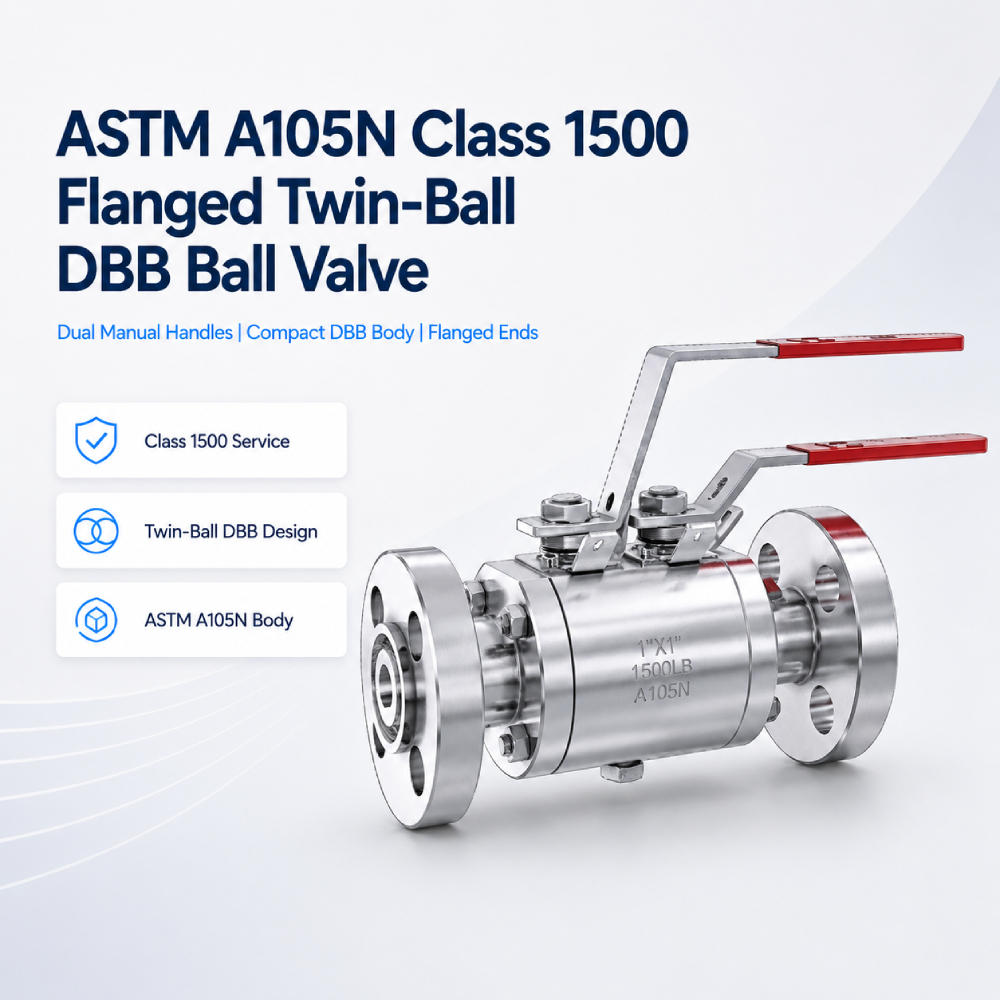
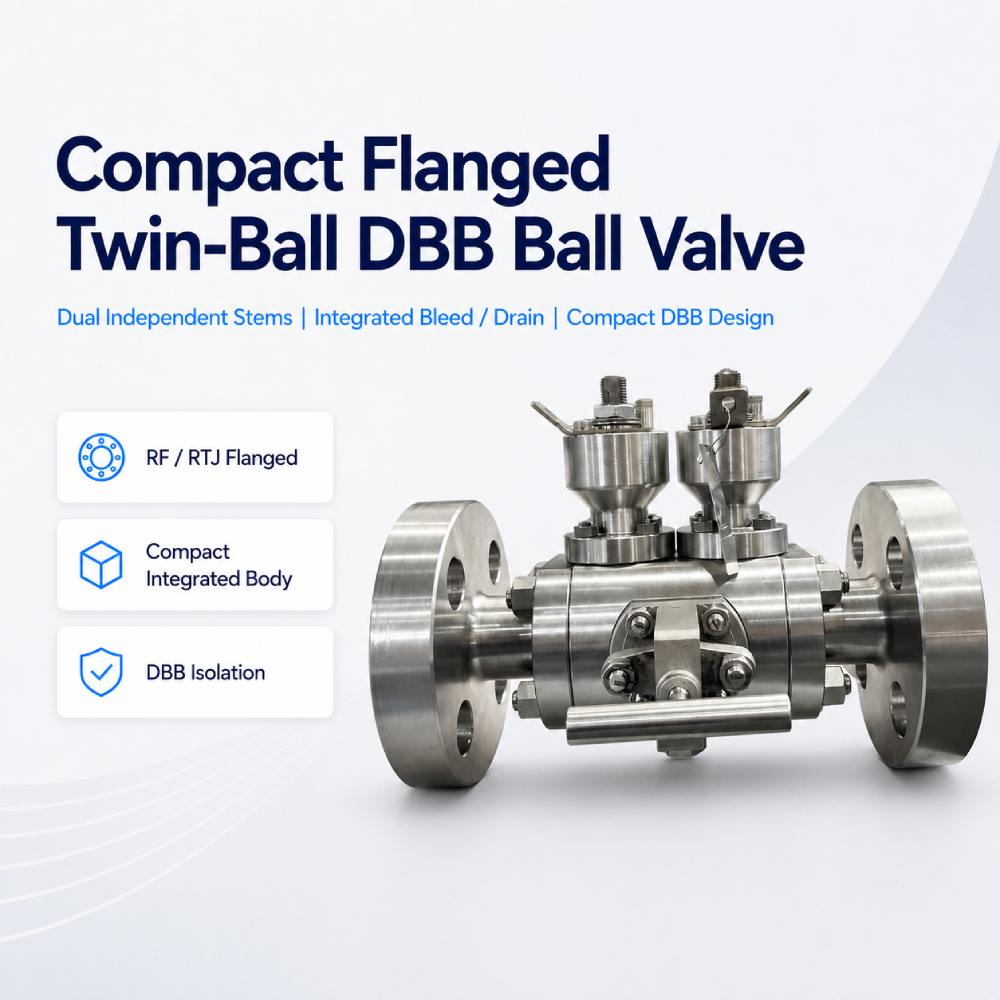
To address these challenges, the industrial power sector has shifted rapidly toward integrated double block and bleed (DBB) valves and twin-ball double valves. By housing two independent closure members (balls) and a central vent/bleed mechanism within a single compact forged steel body, these advanced double valves achieve absolute positive isolation in a fraction of the space. This transition reduces structural installation costs by up to 60% and vastly improves safety by eliminating multiple flanged joints, aligning with modern ASME B31.1 power piping codes and OSHA safety regulations.
In high-pressure steam loops, a single valve failure during maintenance can lead to catastrophic steam blowouts, causing severe injury or equipment destruction. A double valve system ensures that if the upstream valve leaks, the downstream valve blocks the steam path while the center bleed valve safely vents the leakage to a drain. This "double barrier" configuration is now standard practice for high-energy piping systems globally.
Double valves are deployed across critical nodes in subcritical, supercritical, and ultra-supercritical power plants to guarantee operational safety and process control.
Superheated steam leaving the boiler is routed to high-pressure turbines. Double valves installed here must withstand severe thermal expansion and contraction cycles. Forged steel bodies prevent thermal fatigue cracking, while metal-to-metal seating guarantees gas-tight isolation during turbine maintenance cycles.
Boiler blowdown lines remove impurities from the steam drum under high pressure. This process exposes valves to flashing, cavitation, and particulate erosion. Double block and bleed configurations protect downstream piping and allow maintenance crews to service blowdown lines safely without boiler depressurization.
Feedwater systems preheat water before it enters the boiler. If a heater tube ruptures, immediate isolation is required to prevent turbine water induction. Integrated double valves with automated scotch yoke actuators respond instantly, isolating the feed line and routing flow through the bypass loop.
Steam traps remove condensate from steam headers. Maintaining these traps requires positive isolation. Replacing two gate valves and a bypass valve with a single compact twin-ball double valve reduces space requirements, simplifies piping designs, and speeds up trap replacements during outages.
Auxiliary steam systems provide heating, sealing steam, and soot blowing. These lines experience frequent cycling. Double valves equipped with wear-resistant hard coatings (such as Stellite or Tungsten Carbide) ensure long-term sealing integrity despite frequent operations.
Drain valves remove condensate during startup to prevent water hammer in steam turbines. Double valves in drain configurations prevent high-pressure steam from bypassing the turbine during normal operation, preserving overall thermal efficiency.
Steam piping systems are subjected to constant thermal cycling, water hammer, and high velocity. Standard cast valves often suffer from internal porosity and micro-cracking under these conditions. SLVCN forged steel double valves are engineered to eliminate these risks. Forging refines the grain structure of the steel, giving the valve body superior mechanical strength, fracture toughness, and resistance to thermal shock.
| Parameter / Component | Standard Specification | Steam System Significance |
|---|---|---|
| Body Materials | ASTM A105N, F11, F22, F91, Inconel Clad | High creep strength; resists high-temperature oxidation and graphitization. |
| Pressure Ratings | ASME Class 150 to Class 2500 (PN20 to PN420) | Accommodates subcritical and supercritical boiler operating pressures. |
| Seating Technology | Metal-to-Metal (Stellite #6, Chromium Carbide) | Prevents seat erosion from high-velocity steam and particulates. |
| Design Standards | API 6D, ASME B16.34, API 607, API 6FA | Ensures fire safety, structural integrity, and standardized dimensions. |
| Seat Configurations | SPE (Single Piston Effect) & DPE (Double Piston Effect) | Allows customized pressure relief and double-barrier sealing options. |
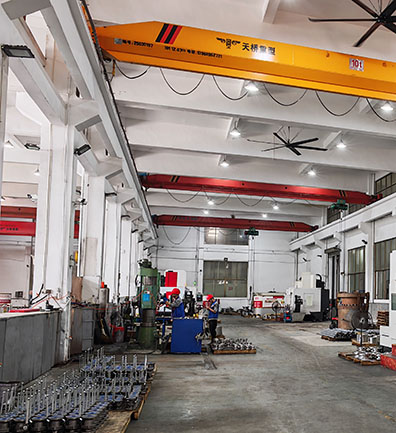

With over 30 years of manufacturing experience, SLVCN is a professional designer and manufacturer of high-performance forged steel ball valves for critical industrial applications. We specialize in extreme working conditions including high pressure, high temperature, and cryogenic environments, providing safe and reliable flow control solutions for global industrial projects where operational reliability is non-negotiable.
Contact UsOur core product range covers forged trunnion-mounted and floating ball valves, top-entry and side-entry ball valves, fully welded ball valves, metal seated ball valves, cryogenic ball valves, high-pressure ball valves up to Class 2500 (PN420) and customized higher pressure ratings, as well as high-temperature service valves. Compared with conventional cast valves, SLVCN forged valves feature higher material density, superior mechanical strength, improved resistance to pressure fluctuations and thermal shock, and significantly longer service life under severe service conditions.
Designed for High Pressure, High Temperature, and Cryogenic Applications, SLVCN valves are widely used in long-distance oil & gas transmission pipelines, LNG storage and regasification terminals, offshore platforms and deepwater projects, power plants, refineries, compressor stations, and high-pressure chemical processing units. Whether handling flammable media, corrosive fluids, sour service media (H₂S), ultra-low temperatures, or extreme differential pressures, our valves ensure stable operation, bubble-tight shut-off, and maximum system safety in accordance with international sealing and performance standards.
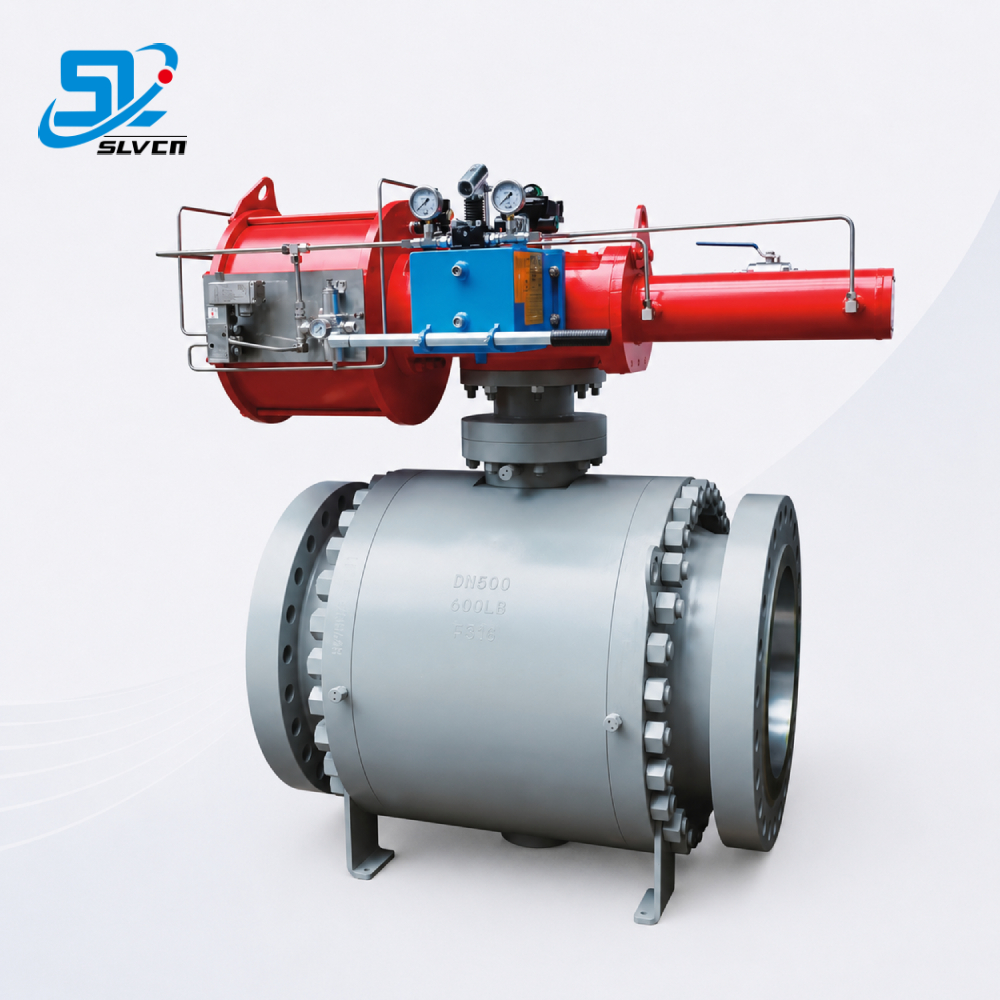
Safety and reliability are embedded in every design. Our forged ball valves are equipped with Double Block and Bleed (DBB) structures, anti-blowout stems, fire-safe designs in accordance with API 607 / API 6FA, anti-static devices, emergency sealing systems, and pressure-balanced seating structures suitable for high differential pressure operation. Valves can be designed with SPE or DPE seat configurations based on application requirements. For sour service environments, materials and sealing systems comply with NACE MR0175 / ISO 15156 requirements.
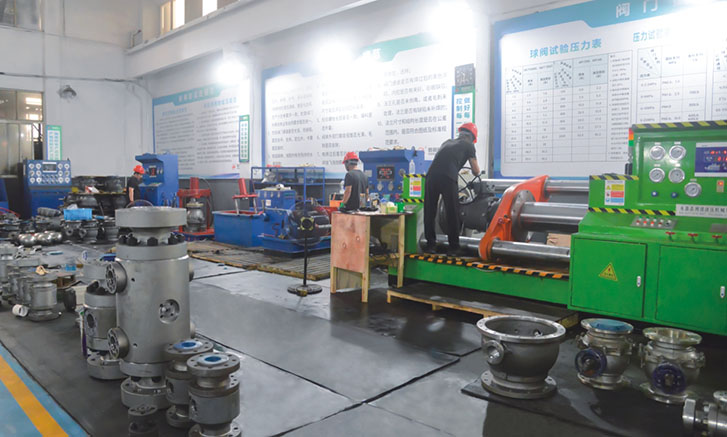
To ensure consistent quality, each valve undergoes a complete series of inspections and performance tests in accordance with API 6D, API 598, and ISO 5208, including shell test, seat leakage test (Rate A / zero visible leakage), fire-safe test, cryogenic test, operational torque test, dimensional inspection, and PMI material verification. SLVCN operates dedicated cryogenic testing facilities to validate valve performance at ultra-low temperatures down to −196°C.
SLVCN is certified to ISO 9001, CE, and API standards, and our products comply with API 6D, ASME B16.34, DIN, ANSI, and JIS specifications. We provide extensive customization capabilities covering sizes from 1/2” to 36”, full bore or reduced bore, special materials including A105, LF2, F11, F22, F51, Inconel, various soft and metal seat designs, and intelligent actuation with pneumatic, electric, and gear operators.
Today, SLVCN serves customers in more than 100 countries and regions, supplying valves to EPC contractors, engineering companies, and end users across Europe, the Middle East, Southeast Asia, and the Americas. Backed by strong engineering expertise, advanced manufacturing, and rigorous quality control, SLVCN is committed to delivering safe, durable, and truly engineered valve solutions for the world’s most demanding industrial projects.

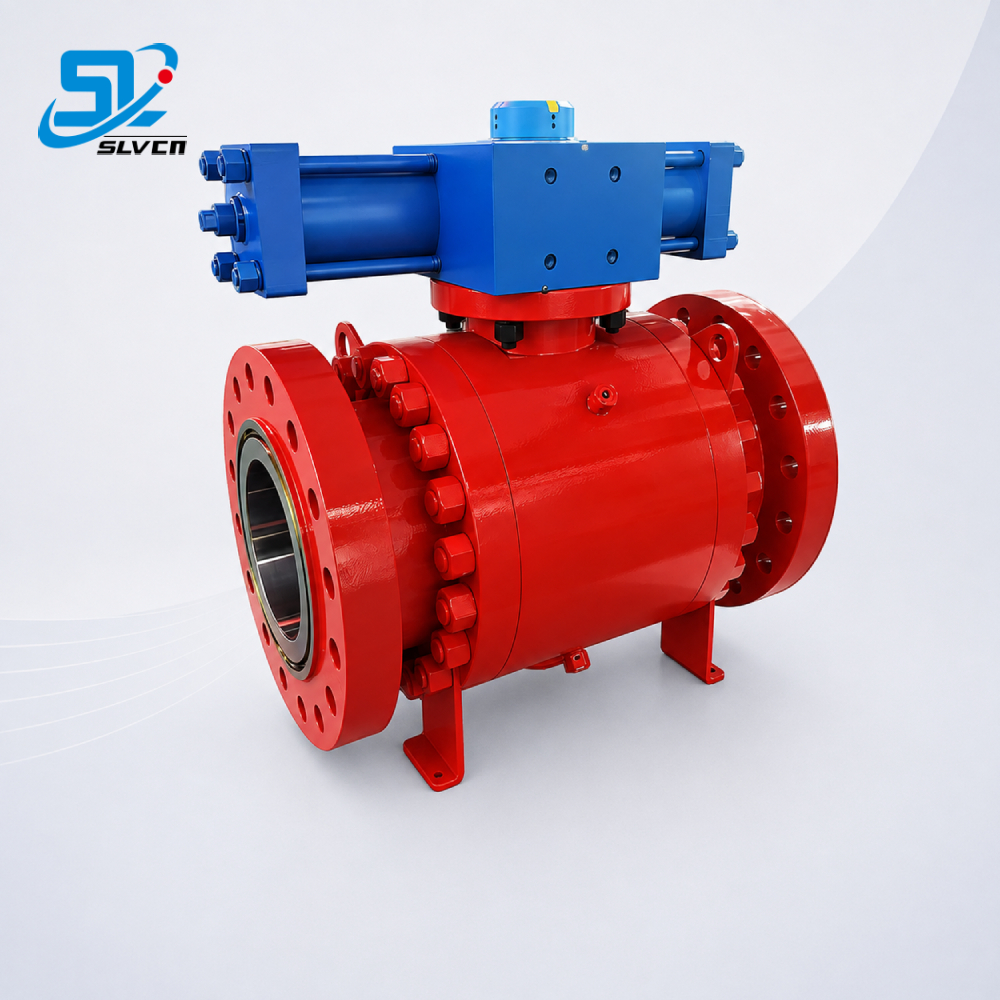
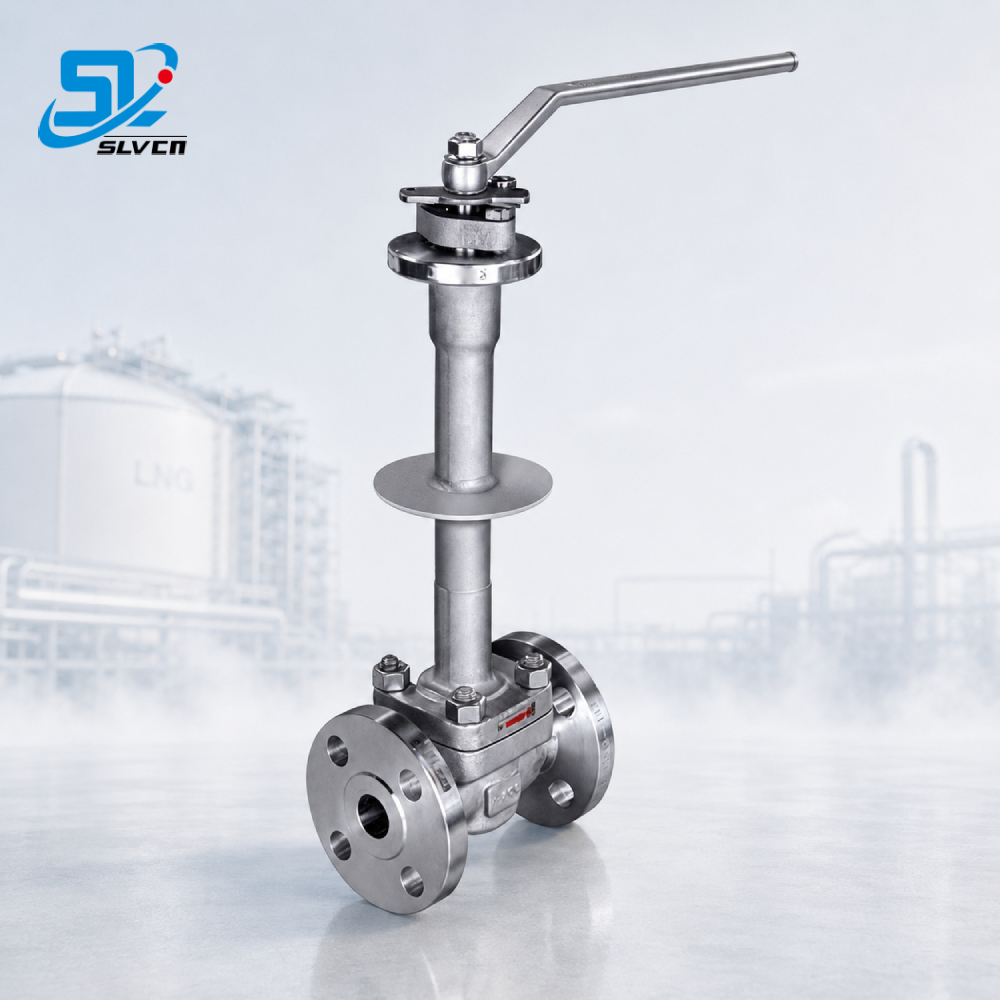
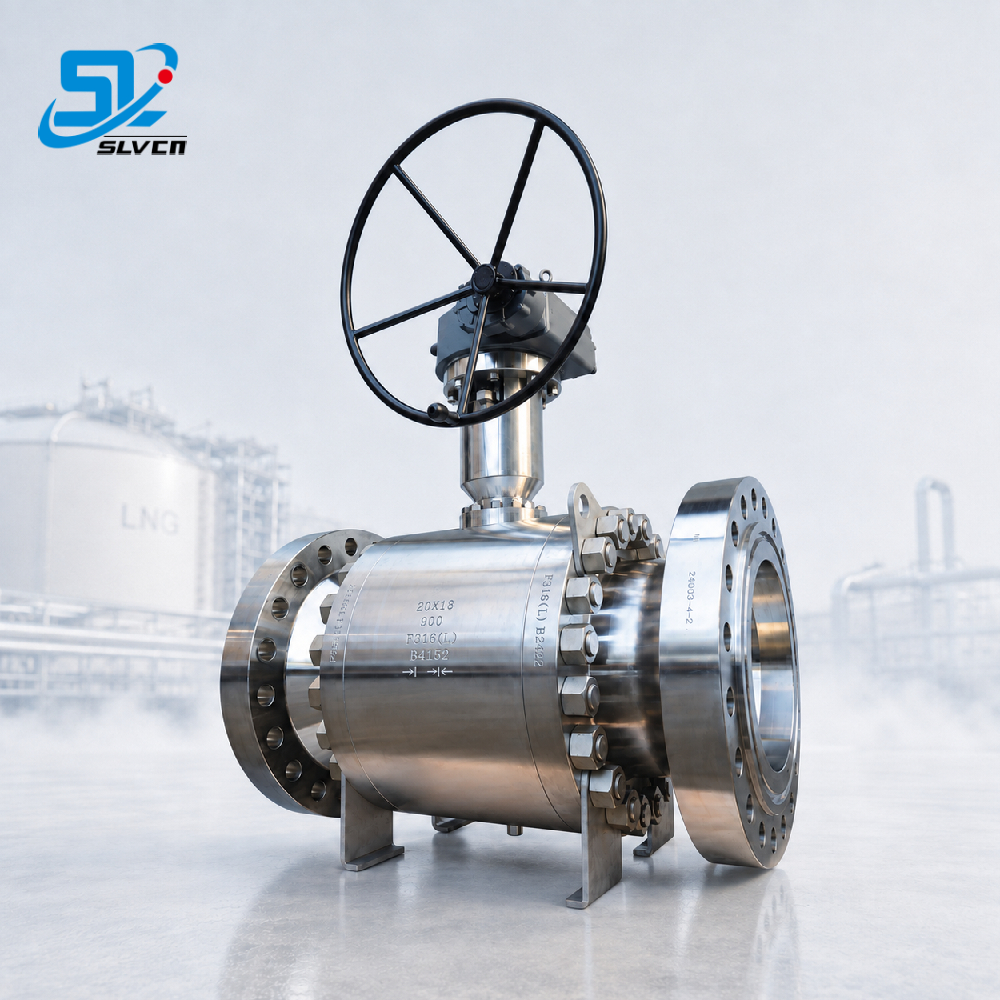
Explore our complete range of high-pressure, cryogenic, and double block and bleed valves designed for steam power systems and heavy industrial applications.



 18061659285

