Leave Your Message
Australia's industrial landscape is experiencing significant transformation, driven by substantial investments in oil and gas infrastructure, mining operations, and renewable energy projects. The country's vast natural gas reserves, particularly in Western Australia and Queensland, have positioned it as one of the world's leading LNG exporters. This expansion has created unprecedented demand for high-performance valve solutions, particularly Double Block and Bleed (DBB) valves that ensure maximum safety and operational efficiency.
The Australian valve market is projected to grow at a CAGR of 4.8% through 2030, fueled by ongoing projects such as the North West Shelf expansion, Browse LNG development, and numerous mining infrastructure upgrades. Double bleed valves have become essential in these applications due to their ability to provide two independent sealing surfaces with a bleed cavity in between, offering superior isolation and safety compared to traditional single-block valves.
Major industrial hubs including Perth, Brisbane, Darwin, and Melbourne are seeing increased adoption of forged steel ball valves with DBB configurations. These valves are critical in applications where zero leakage is mandatory, such as custody transfer metering, pipeline isolation, and process system shut-down scenarios. The harsh Australian environment, characterized by extreme temperatures, corrosive coastal conditions, and remote operation requirements, demands valve solutions that combine durability, reliability, and minimal maintenance needs.
LNG Export Growth: Australia is the world's largest LNG exporter, with projects requiring thousands of high-integrity valves annually.
Mining Expansion: Iron ore, coal, and mineral processing facilities across WA, QLD, and NSW demand robust flow control solutions.
Infrastructure Development: New pipeline networks and processing facilities require advanced valve technology for safe operation.
Safety Regulations: Stringent Australian standards (AS 2129, AS 4041) mandate use of certified DBB valves in critical applications.
Digital Integration: Growing adoption of smart actuators and IoT-enabled valve monitoring systems for remote operations.
Material Innovation: Increased use of duplex and super duplex stainless steels for superior corrosion resistance in offshore applications.
Local Content Requirements: Major projects increasingly require local assembly, testing, and certification to support Australian industry.
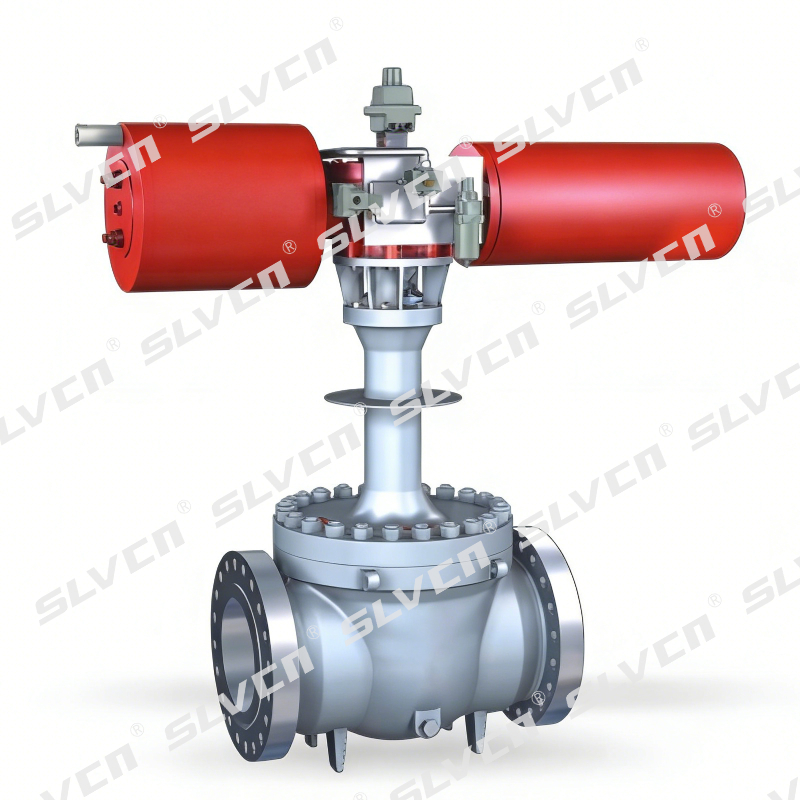
DBB configuration provides dual isolation with cavity relief, meeting Australian safety requirements for critical process isolation. Fire-safe design certified to API 607/6FA ensures integrity during emergency scenarios.
Higher material density and mechanical strength compared to cast valves. Superior resistance to pressure fluctuations, thermal shock, and fatigue in demanding Australian operating conditions.
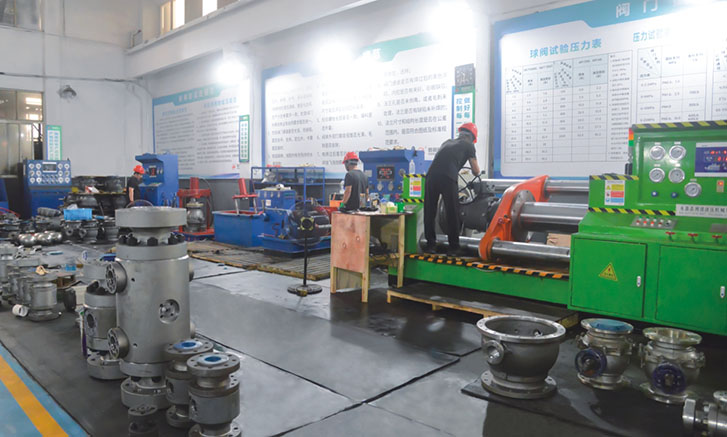
Cryogenic service capability down to -196°C for LNG applications. High-temperature ratings up to 600°C for steam and thermal oil systems. Tested in dedicated facilities to verify performance.
Metal-to-metal seating for severe service applications. Soft-seated options for bubble-tight shut-off. Pressure-balanced seat design for high differential pressure operation up to full rating.
NACE MR0175/ISO 15156 compliant materials for sour service. Duplex and super duplex stainless steel options for offshore and coastal environments. Special coatings for extended service life.
Anti-blowout stem prevents accidental ejection. Self-relieving seat design eliminates cavity pressure buildup. Extended packing life reduces maintenance frequency in remote locations.
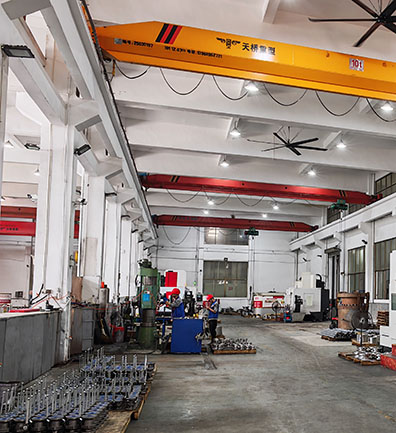
Over 30 years of manufacturing experience


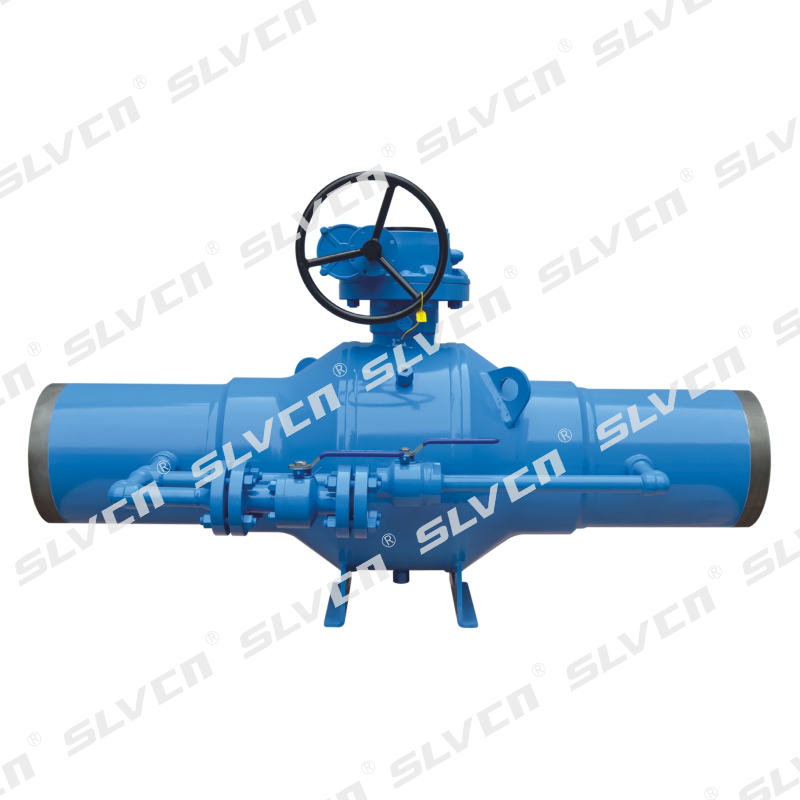
Our core product range covers forged trunnion-mounted and floating ball valves, top-entry and side-entry ball valves, fully welded ball valves, metal seated ball valves, cryogenic ball valves, high-pressure ball valves up to Class 2500 (PN420) and customized higher pressure ratings, as well as high-temperature service valves. Compared with conventional cast valves, SLVCN forged valves feature higher material density, superior mechanical strength, improved resistance to pressure fluctuations and thermal shock, and significantly longer service life under severe service conditions prevalent in Australian industrial environments.
Designed for High Pressure, High Temperature, and Cryogenic Applications, SLVCN valves are widely used in long-distance oil & gas transmission pipelines, LNG storage and regasification terminals, offshore platforms and deepwater projects, power plants, refineries, compressor stations, and high-pressure chemical processing units. Whether handling flammable media, corrosive fluids, sour service media (H₂S), ultra-low temperatures, or extreme differential pressures, our valves ensure stable operation, bubble-tight shut-off, and maximum system safety in accordance with international sealing and performance standards. Australian projects benefit from our extensive experience in harsh operating environments and remote location reliability.



 +86 18905154687