


Leave Your Message
Explore our primary configurations engineered explicitly for space conservation and redundant safety on offshore production platforms.
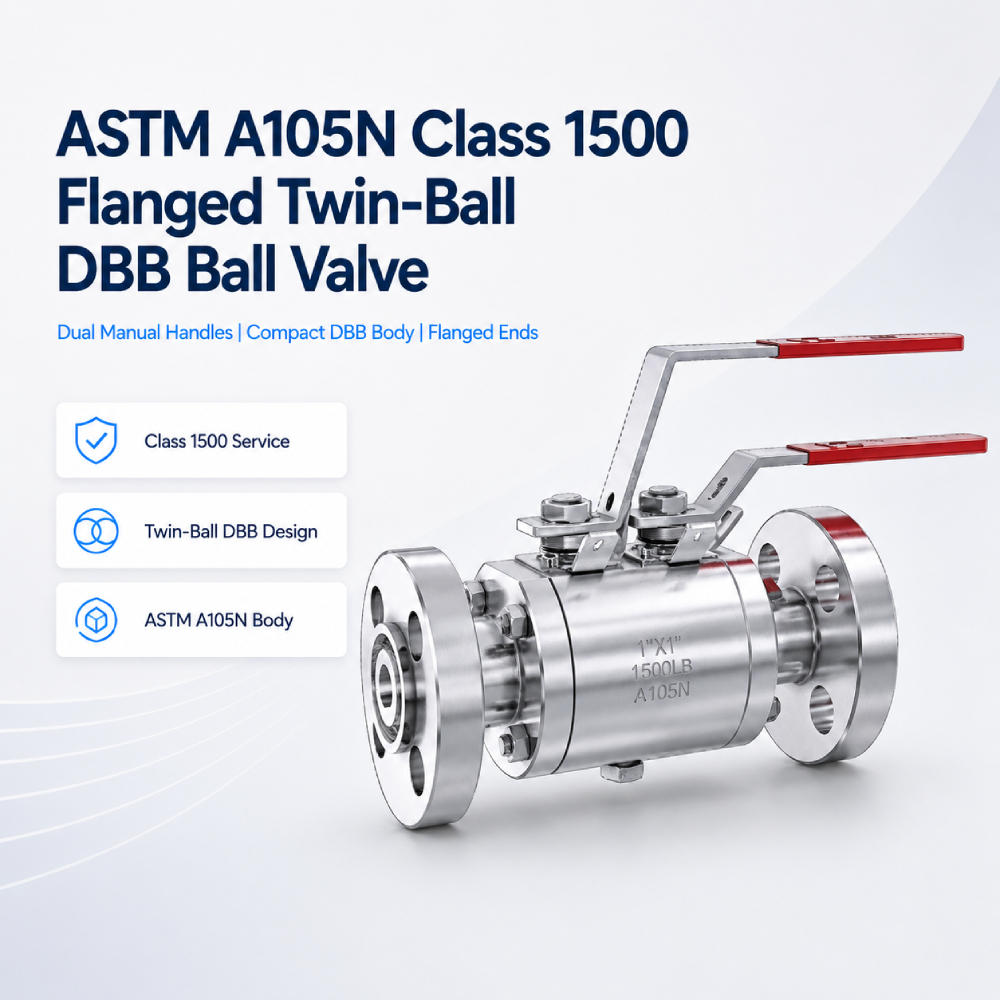
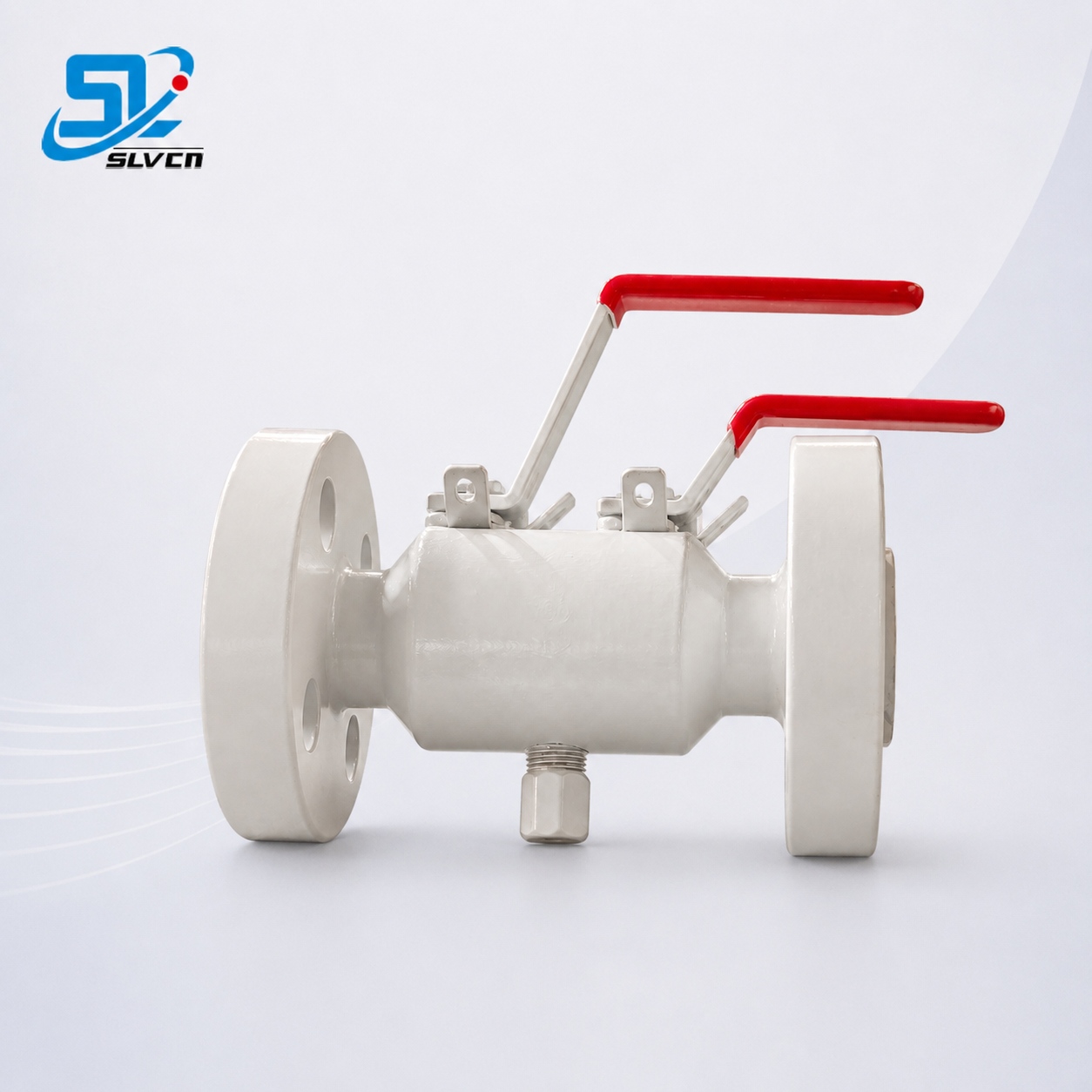
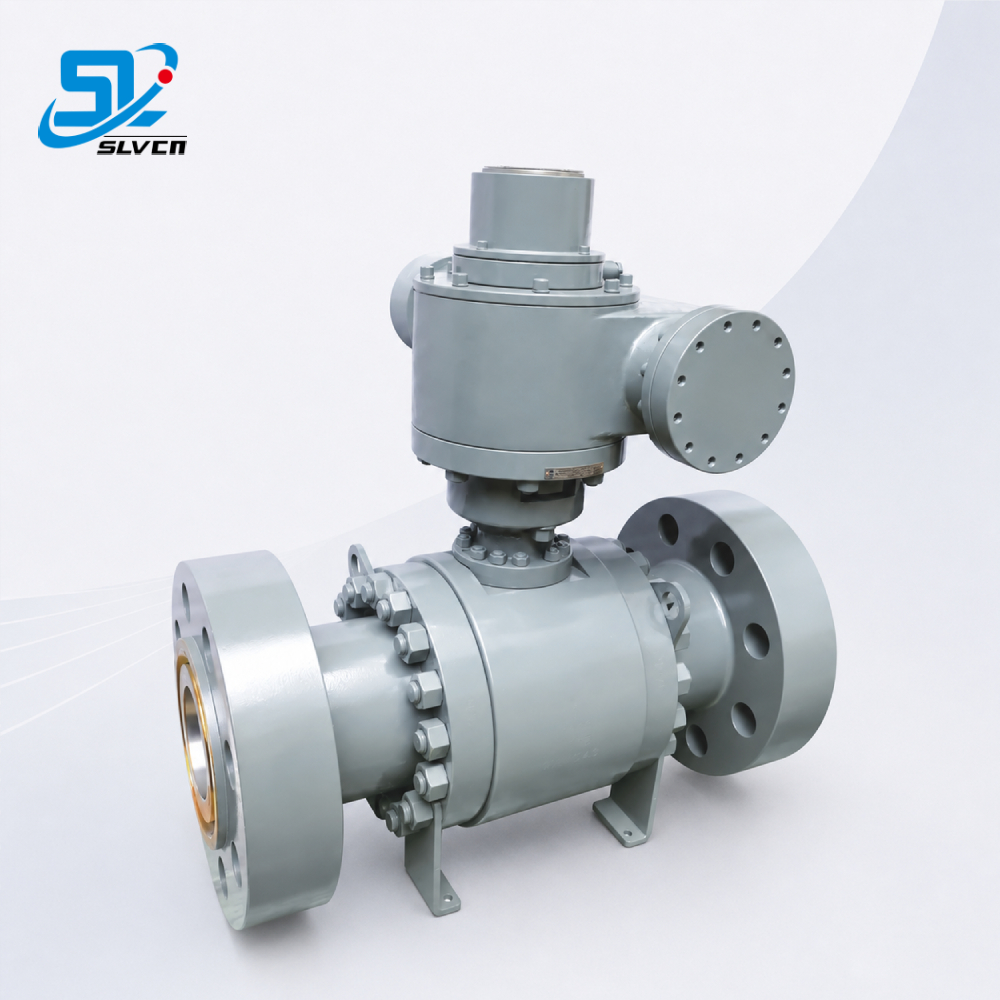
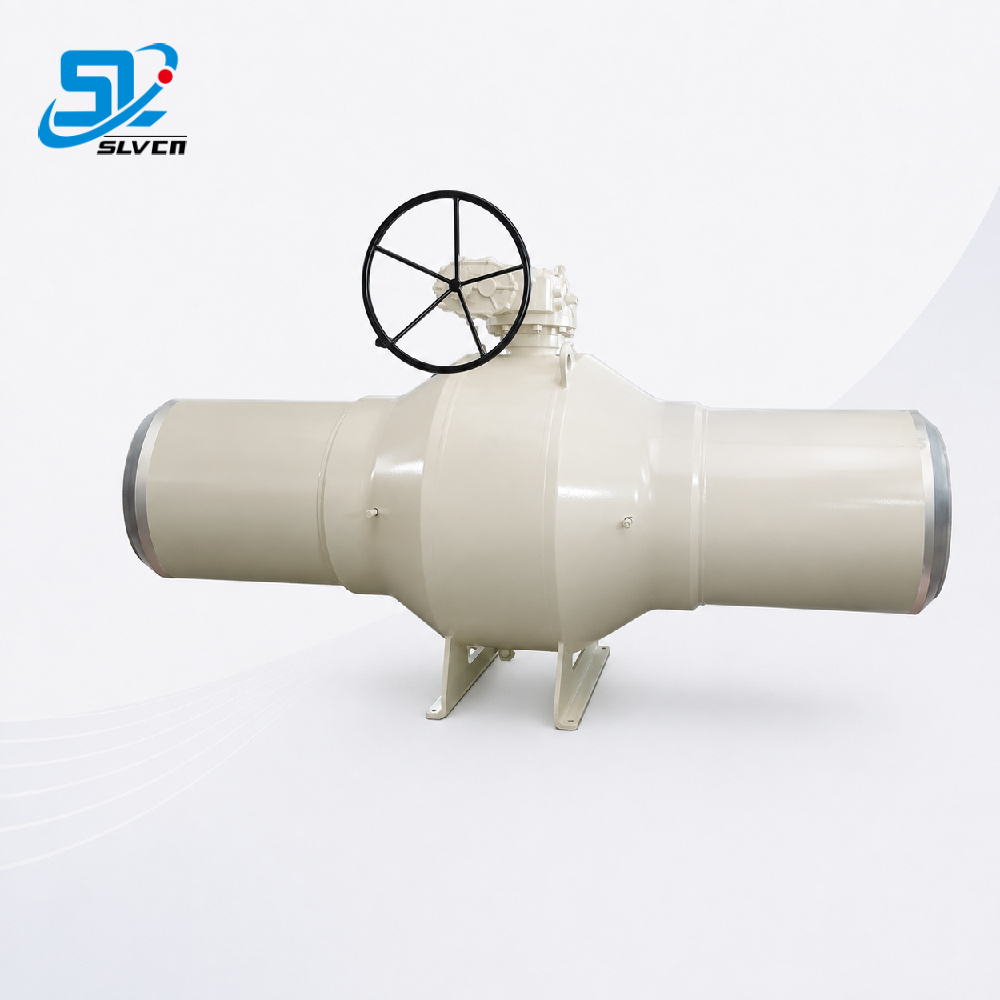
Offshore oil and gas production represents one of the most hostile engineering environments on Earth. Operating on floating production storage and offloading (FPSO) units, tension-leg platforms, and deepwater drillships requires process control components that deliver absolute reliability under extreme parameters. In these isolated maritime environments, space is at a premium, weight budgets are tightly restricted, and the consequences of structural failure or fluid leaks are catastrophic.
Traditionally, process isolation required the installation of multiple, independent valves in series, linked by extensive spool pieces. While effective, this setup significantly increased the overall footprint, structural weight, and potential leak paths of the piping system. The adoption of the integrated double ball valve, configured for Double Block and Bleed (DBB) operations, has fundamentally changed offshore piping architecture. By incorporating two independent closures within a single forged body, these valves provide dual isolation barriers while reducing installation space by up to 70% and weight by up to 60% compared to traditional hook-ups.
Furthermore, offshore operators face intense regulatory scrutiny regarding fugitive emissions and environmental safety. Double ball valves engineered with advanced emission-control stem packing and metal-to-metal seating technologies serve as the primary defense against high-pressure gas migration, protecting personnel and the surrounding marine ecosystem from hazardous process fluids.
Designed for maximum structural integrity and zero-leakage performance under extreme offshore conditions.
Integrates two inline isolation balls and a central bleed valve, allowing operators to verify seal integrity safely while the line is under full operational pressure.
Certified to API 607 and API 6FA. Features anti-blowout stem designs and secondary metal-to-metal seating that prevents leakage during high-temperature thermal events.
Constructed using forged materials including ASTM A105N, Duplex, Super Duplex, and Inconel claddings to resist sour gas (H₂S) corrosion in accordance with NACE MR0175.
The operational architecture of offshore oil and gas facilities demands specialized valve configurations tailored to distinct process conditions. Double ball valves find critical deployment across several key applications:
At the extraction point, crude oil and natural gas emerge at extreme pressures (often exceeding 10,000 PSI) and contain highly abrasive formation sand, carbon dioxide, and hydrogen sulfide. Double ball valves placed at the wellhead provide primary isolation. Their forged construction resists erosive wear, while the DBB mechanism allows operators to isolate downstream processing equipment safely during routine maintenance without shutting down the entire field.
In critical safety loops, rapid and reliable isolation is necessary to prevent catastrophic blowouts or fires. Actuated double ball valves integrated with pneumatic or hydraulic systems act as high-speed ESD valves. The dual-ball architecture provides redundant sealing, ensuring that even if one ball experiences localized seat damage, the second ball maintains bubble-tight shut-off.
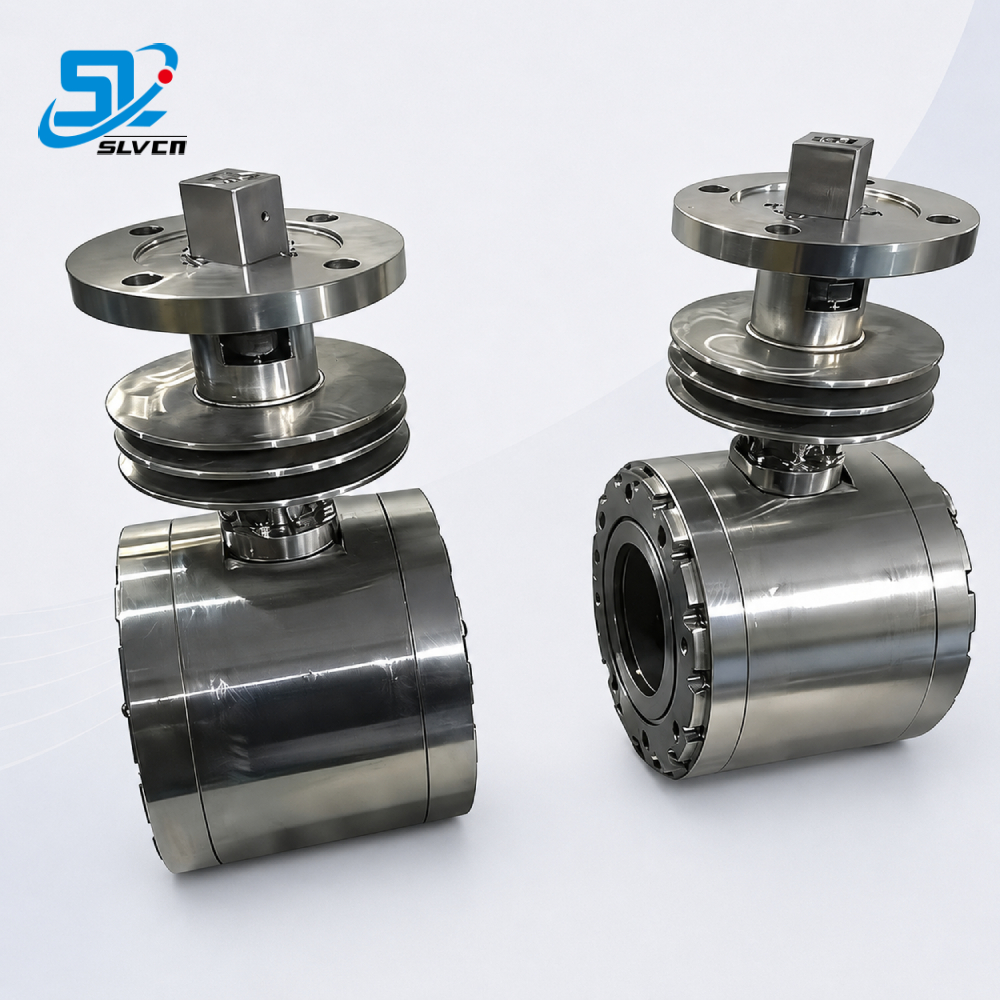
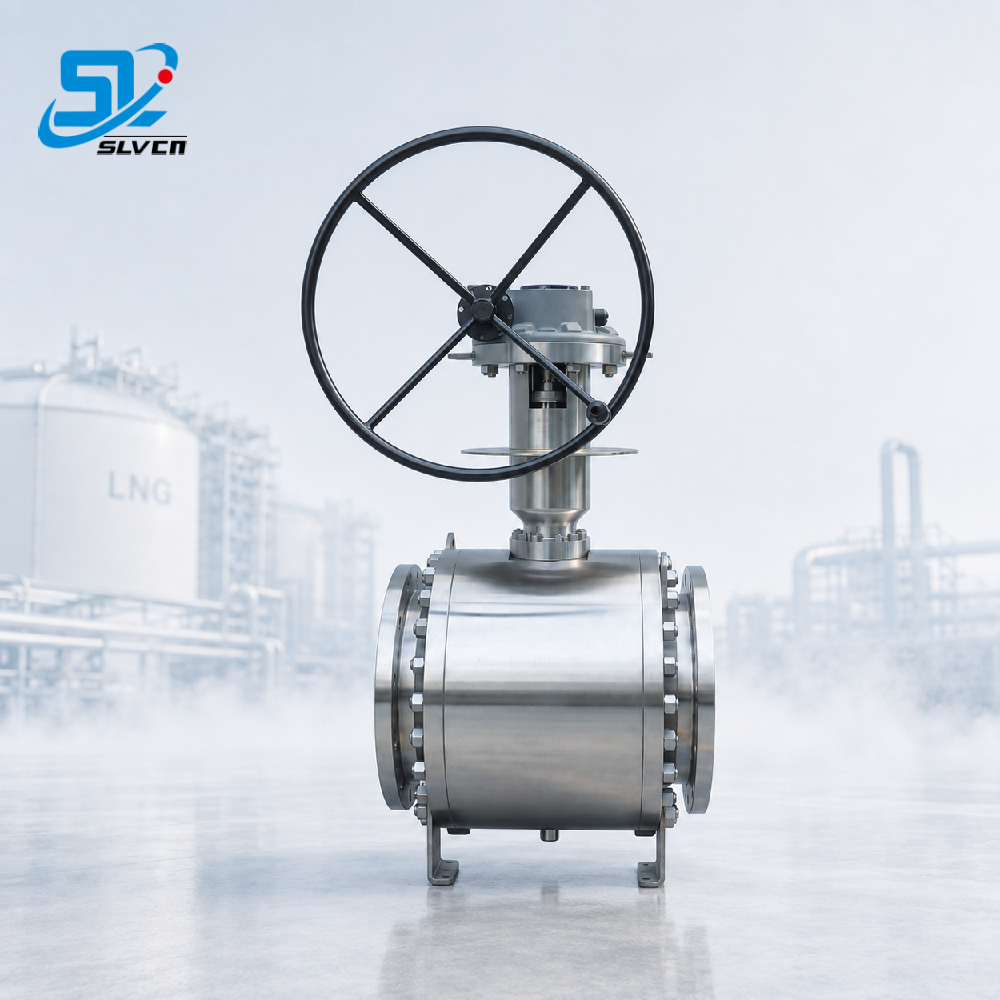
Floating Liquefied Natural Gas (FLNG) vessels process gas at ultra-low cryogenic temperatures down to -196°C. SLVCN's cryogenic double ball valves utilize specialized extended bonnets to keep the stem packing away from the freezing process fluid, ensuring smooth operation and preventing thermal contraction from compromising the seat seals.

The offshore oil and gas industry is undergoing a digital and structural transformation. The trend toward unmanned, remotely operated platforms requires valves that can operate autonomously for extended periods without manual intervention. Consequently, intelligent actuation is becoming standard. Double ball valves are increasingly paired with smart electro-hydraulic or pneumatic actuators equipped with digital positioners and partial stroke testing (PST) systems. This allows operators on shore to monitor valve health, torque signatures, and seat wear in real-time, enabling predictive maintenance cycles that prevent unplanned offshore downtime.
Simultaneously, material science is evolving to combat the challenges of deeper water exploration. As operations move from shallow shelves to ultra-deepwater depths (exceeding 3,000 meters), valves must withstand external hydrostatic pressures alongside internal process pressures. Manufacturers are utilizing advanced surface-hardening techniques, such as High-Velocity Oxygen Fuel (HVOF) chrome carbide and tungsten carbide coatings on metal-seated valves, to prevent galling and particulate abrasion. Furthermore, the strict enforcement of ISO 15848-1 fugitive emission standards is pushing the development of advanced stem sealing designs, ensuring zero leakage of greenhouse gases into the marine environment.
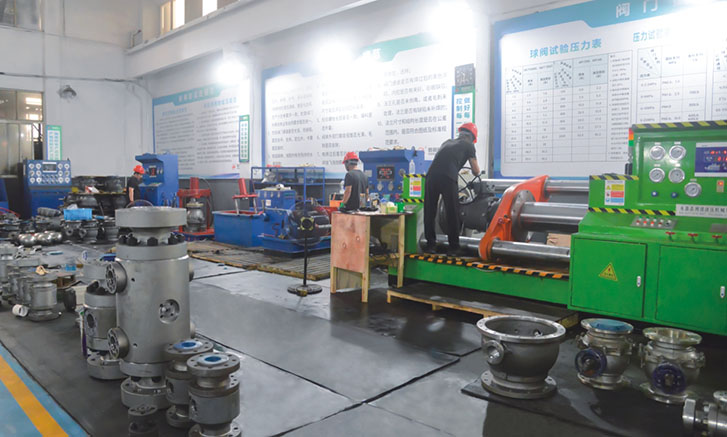
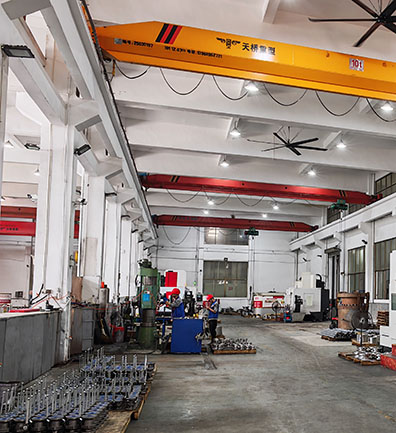
With over 30 years of manufacturing experience, SLVCN is a professional designer and manufacturer of high-performance forged steel ball valves for critical industrial applications. We specialize in extreme working conditions including high pressure, high temperature, and cryogenic environments, providing safe and reliable flow control solutions for global industrial projects where operational reliability is non-negotiable.
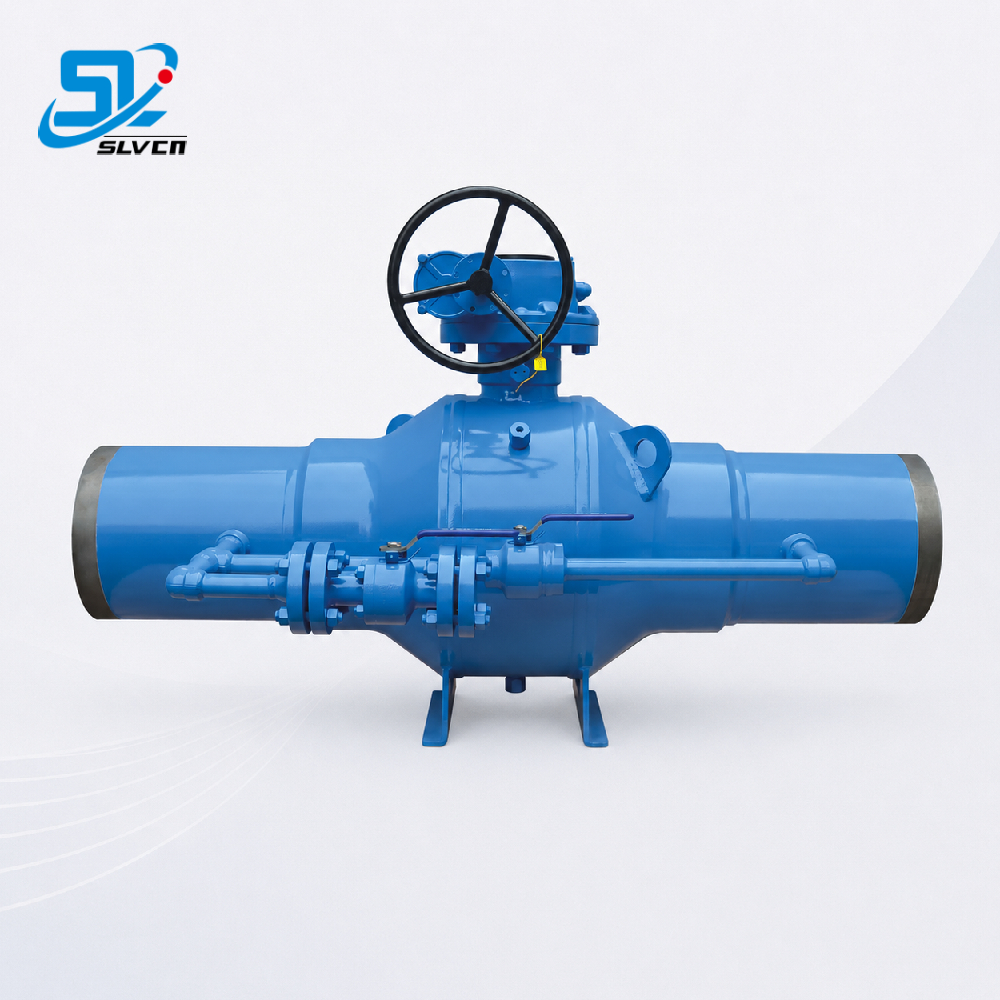
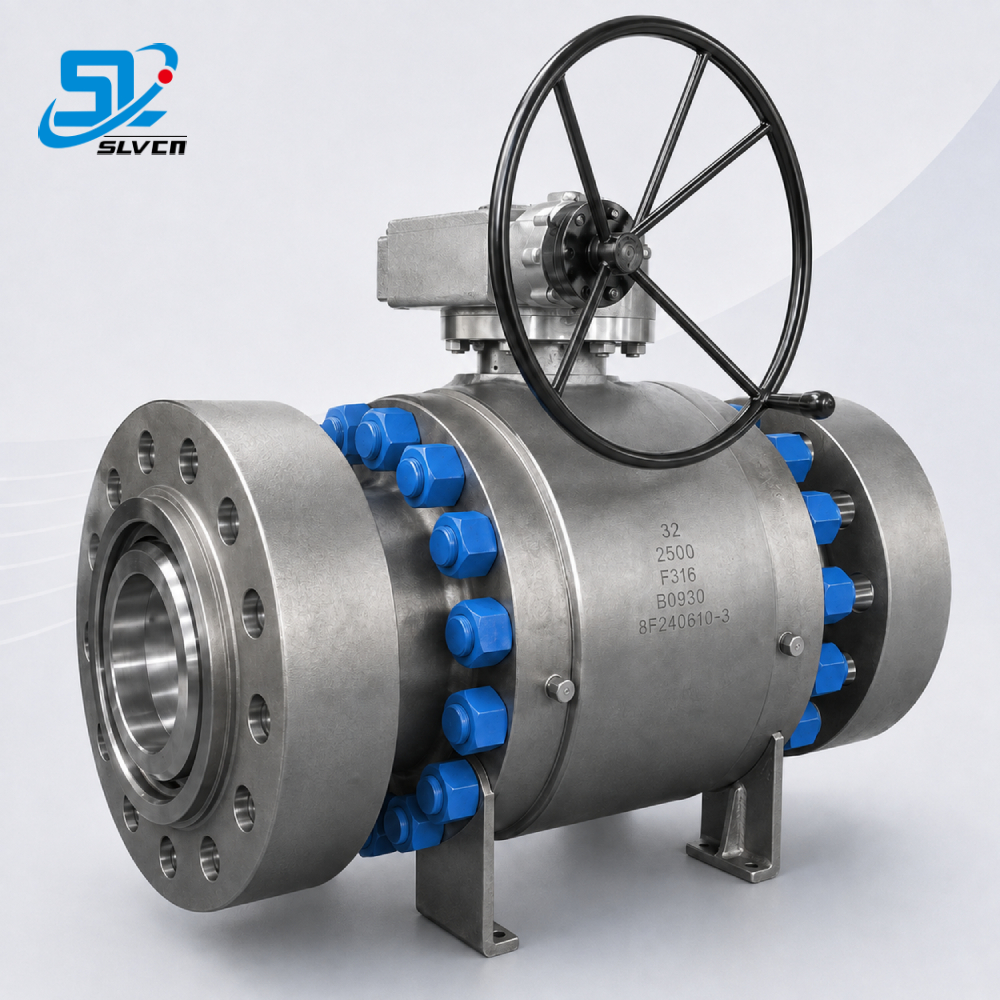
Our core product range covers forged trunnion-mounted and floating ball valves, top-entry and side-entry ball valves, fully welded ball valves, metal seated ball valves, cryogenic ball valves, high-pressure ball valves up to Class 2500 (PN420) and customized higher pressure ratings, as well as high-temperature service valves. Compared with conventional cast valves, SLVCN forged valves feature higher material density, superior mechanical strength, improved resistance to pressure fluctuations and thermal shock, and significantly longer service life under severe service conditions.
Designed for High Pressure, High Temperature, and Cryogenic Applications, SLVCN valves are widely used in long-distance oil & gas transmission pipelines, LNG storage and regasification terminals, offshore platforms and deepwater projects, power plants, refineries, compressor stations, and high-pressure chemical processing units. Whether handling flammable media, corrosive fluids, sour service media (H₂S), ultra-low temperatures, or extreme differential pressures, our valves ensure stable operation, bubble-tight shut-off, and maximum system safety in accordance with international sealing and performance standards.

"Safety and reliability are embedded in every design. Our forged ball valves are equipped with Double Block and Bleed (DBB) structures, anti-blowout stems, fire-safe designs in accordance with API 607 / API 6FA, anti-static devices, emergency sealing systems, and pressure-balanced seating structures suitable for high differential pressure operation."
To ensure consistent quality, each valve undergoes a complete series of inspections and performance tests in accordance with API 6D, API 598, and ISO 5208.
At SLVCN, we recognize that a single valve failure offshore can lead to significant environmental damage and multi-million dollar operational losses. Consequently, our quality assurance protocols are designed to be exhaustive. We conduct shell testing, seat leakage testing (Rate A / zero visible leakage), fire-safe testing, cryogenic testing, operational torque testing, dimensional inspection, and Positive Material Identification (PMI) verification on every production run. SLVCN operates dedicated cryogenic testing facilities to validate valve performance at ultra-low temperatures down to -196°C.
SLVCN is certified to ISO 9001, CE, and API standards, and our products comply with API 6D, ASME B16.34, DIN, ANSI, and JIS specifications. We provide extensive customization capabilities covering sizes from 1/2” to 36”, full bore or reduced bore, special materials including A105, LF2, F11, F22, F51, Inconel, various soft and metal seat designs, and intelligent actuation with pneumatic, electric, and gear operators.

Browse our complete selection of high-performance DBB and severe service ball valves engineered for offshore and industrial infrastructure.
Today, SLVCN serves customers in more than 100 countries and regions, supplying valves to EPC contractors, engineering companies, and end users across Europe, the Middle East, Southeast Asia, and the Americas. Contact our technical sales team today to discuss your project requirements.
Contact Us Now


 18061659285

