


Leave Your Message
Explore our leading forged and metal-seated DBB ball valves designed to handle extreme pressure, temperature, and thermal shock in power generation systems.




Years Experience

In modern power plants, steam is the primary working fluid that transfers thermal energy from boilers or steam generators to steam turbines to generate electricity. Steam utility lines operate under extreme conditions, with temperatures regularly exceeding 500°C (932°F) and pressures reaching well above 200 bar (2900 psi). Under these harsh conditions, isolating steam lines for routine maintenance, emergency shutdown, or system rerouting is a major challenge for plant engineers. The integrity of the isolation valve is critical to preventing catastrophic failures, protecting personnel, and maintaining overall plant thermal efficiency.
Double Block and Bleed (DBB) ball valves have emerged as the gold standard for critical isolation in power plant steam loops. By providing two independent seating barriers and a body cavity vent, a single DBB valve replaces the traditional double-valve-and-spool-piece bypass setup, saving valuable spatial footprint, reducing potential leak paths, and drastically improving operational safety.
The power generation sector is undergoing a transition toward higher efficiency and lower carbon emissions. This transition is driving the adoption of Supercritical (SC) and Ultra-Supercritical (USC) technologies, which operate at higher temperatures and pressures. Consequently, the demand for high-integrity, severe-service valves has surged globally. In the past, gate and globe valves were widely used for steam isolation. However, these traditional designs suffer from high operating torque, slow cycle times, seat erosion from high-velocity steam, and susceptibility to thermal binding.
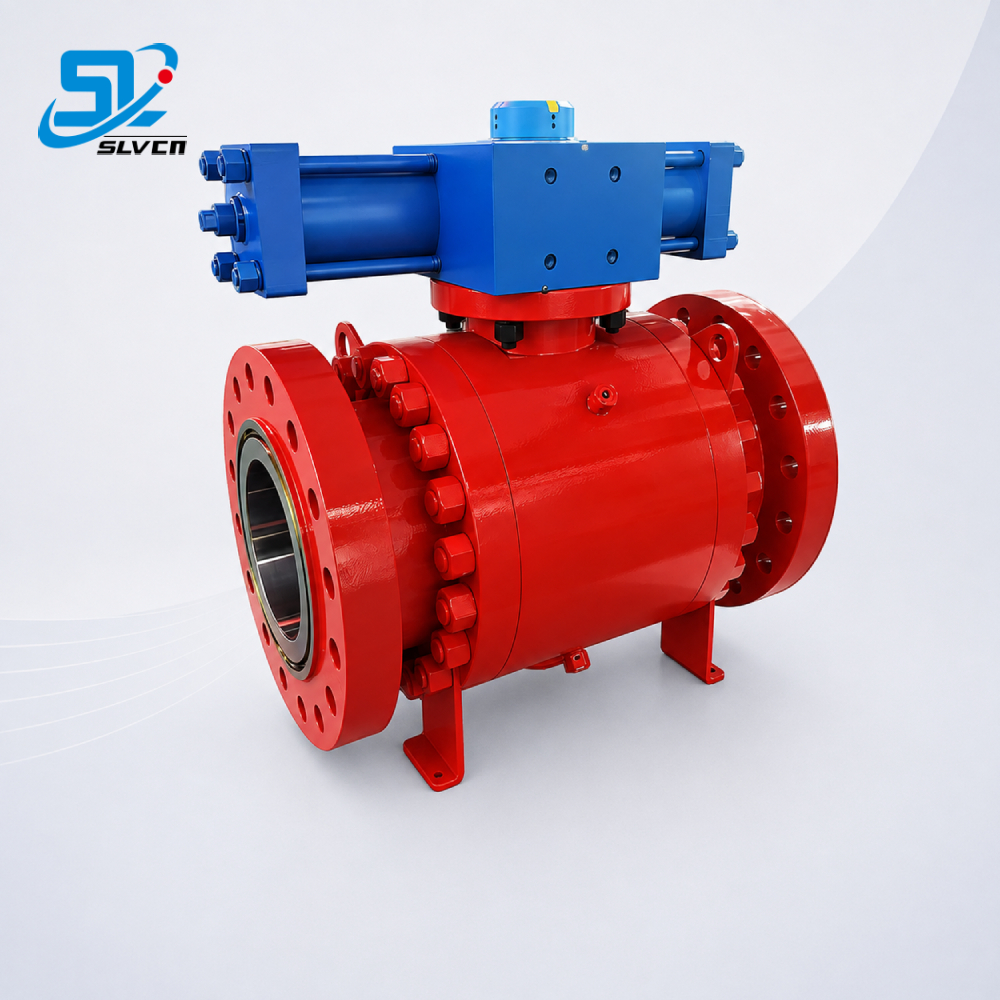
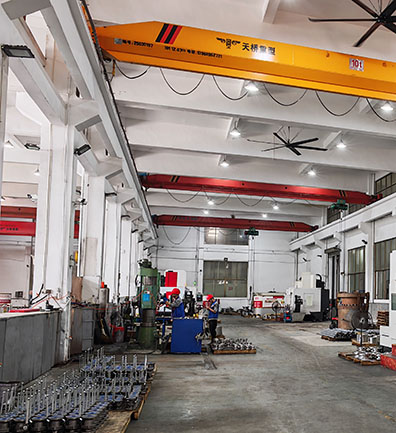
Today, the industry is rapidly shifting toward metal-seated forged ball valves. Metal-to-metal seating technology, combined with advanced coatings such as Tungsten Carbide or Chromium Carbide applied via High-Velocity Oxygen Fuel (HVOF) thermal spraying, allows ball valves to achieve Class V or Class VI bubble-tight shut-off in high-temperature steam systems. China has established itself as a leading manufacturing hub for these advanced valve technologies. Manufacturers like Jiangsu Shoulong Valve Co., Ltd. (SLVCN) combine decades of engineering expertise with state-of-the-art forging and testing facilities, delivering high-performance, cost-effective forged steel DBB valves that meet the highest international standards, including API 6D, ASME B16.34, and ISO 5208.
Two independent seating surfaces block fluid from both upstream and downstream directions, providing redundant security.
Integrated bleed port vents the internal cavity, allowing operators to verify seal integrity and depressurize safely.
Replaces multiple-valve bypass loops with a single compact valve unit, reducing weight and structural footings.
In power plants, steam systems are divided into several subsystems, each with distinct operational requirements. DBB ball valves are deployed at critical junctions where safety-critical isolation is paramount:
The main steam line carries high-pressure, superheated steam from the boiler or steam generator to the high-pressure turbine. The MSIV must be capable of sealing bubble-tight under full system pressure in the event of a downstream pipe rupture or turbine trip. Forged steel, metal-seated DBB ball valves provide rapid, quarter-turn closure, preventing turbine water induction and containing steam energy within the boiler loop during emergency shutdowns.
Boiler blowdown lines remove impurities and sludge from the steam drum, while drain lines evacuate condensate during startup. These lines operate under high differential pressures, exposing valves to severe flashing, cavitation, and particulate erosion. Standard valves degrade rapidly under these conditions. SLVCN's metal-seated DBB valves feature hard-faced, scraping-design seats that clear debris from the ball surface with every stroke, preventing seat erosion and ensuring reliable long-term shut-off.
During startup or load rejection, steam is routed around the steam turbine directly to the condenser. The bypass isolation valves must remain tightly shut during normal operation to prevent steam energy from bypassing the turbine, which would degrade the plant's heat rate and fuel efficiency. A DBB ball valve ensures zero leakage into the bypass line, keeping the steam energy focused where it generates revenue: the turbine blades.
Sootblowers use steam jets to clean ash deposits from boiler heat-transfer tubes. The steam supply lines are cycled frequently and experience rapid thermal fluctuations. Standard valves suffer from thermal binding due to uneven expansion of the body and internal components. SLVCN's spring-loaded seat design accommodates thermal expansion, ensuring that the DBB valve operates smoothly without binding, even under sudden thermal shock.
Operating a valve in high-temperature steam requires solving several engineering hurdles:
As power plants adopt digital twin technologies and smart instrumentation, valves are evolving into intelligent nodes. Future trends include the integration of smart positioners and torque sensors on DBB valve actuators. This allows real-time diagnostics, enabling plant operators to monitor seat wear and predict maintenance requirements before a leak occurs. Additionally, the development of new alloy materials, such as Inconel 625 claddings and F91/F92 forged steels, will continue to push the boundaries of steam valve performance, ensuring they can handle the ultra-supercritical steam profiles of tomorrow's clean-energy power plants.
Designed for High Pressure, High Temperature, and Cryogenic Applications, SLVCN valves are engineered to deliver reliable performance where standard valves fail.
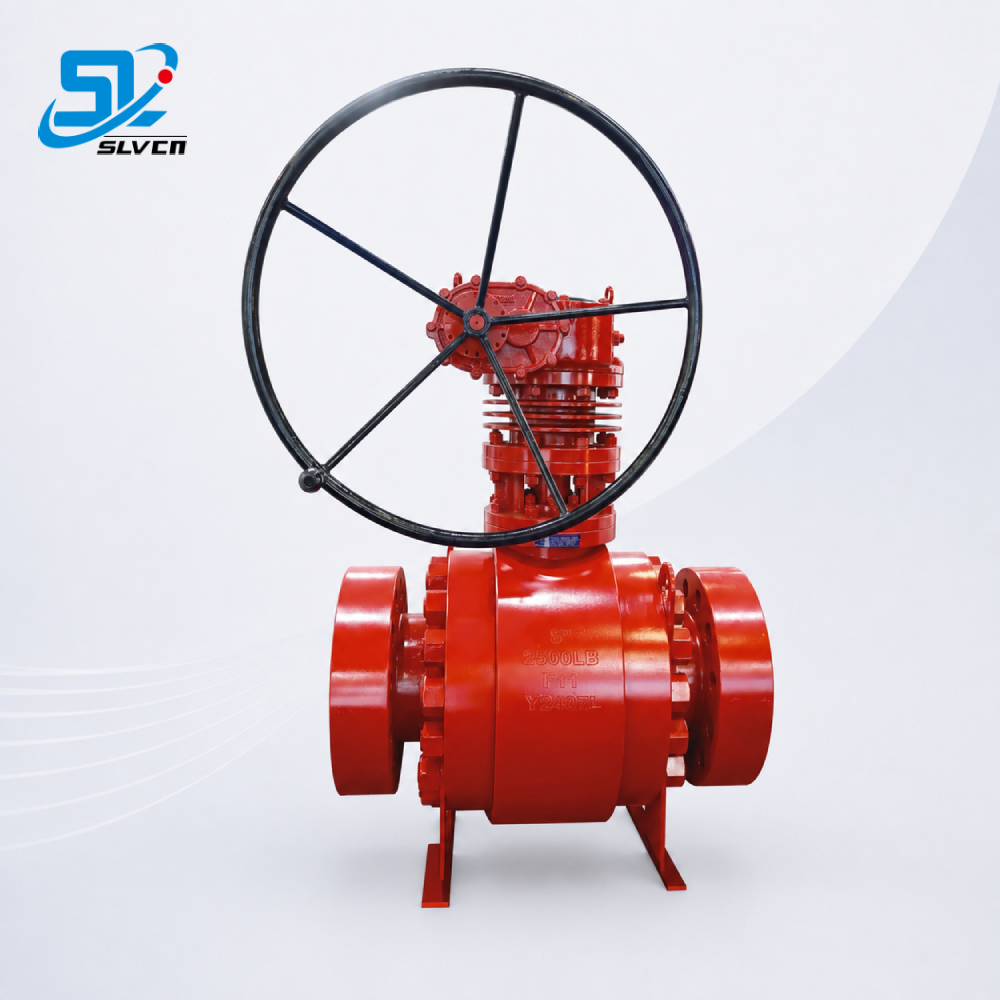
Our core product range covers forged trunnion-mounted and floating ball valves, top-entry and side-entry ball valves, fully welded ball valves, metal seated ball valves, cryogenic ball valves, high-pressure ball valves up to Class 2500 (PN420) and customized higher pressure ratings, as well as high-temperature service valves. Compared with conventional cast valves, SLVCN forged valves feature higher material density, superior mechanical strength, improved resistance to pressure fluctuations and thermal shock, and significantly longer service life under severe service conditions.
SLVCN valves are widely used in long-distance oil & gas transmission pipelines, LNG storage and regasification terminals, offshore platforms and deepwater projects, power plants, refineries, compressor stations, and high-pressure chemical processing units. Whether handling flammable media, corrosive fluids, sour service media (H₂S), ultra-low temperatures, or extreme differential pressures, our valves ensure stable operation, bubble-tight shut-off, and maximum system safety in accordance with international sealing and performance standards.

We build redundant safety systems directly into our valve architecture to guarantee performance in volatile power plant steam environments.
Safety and reliability are embedded in every design. Our forged ball valves are equipped with Double Block and Bleed (DBB) structures, anti-blowout stems, fire-safe designs in accordance with API 607 / API 6FA, anti-static devices, emergency sealing systems, and pressure-balanced seating structures suitable for high differential pressure operation. Valves can be designed with SPE or DPE seat configurations based on application requirements. For sour service environments, materials and sealing systems comply with NACE MR0175 / ISO 15156 requirements.
Every SLVCN valve undergoes rigorous physical and hydrostatic testing to guarantee zero-leakage performance under pressure.
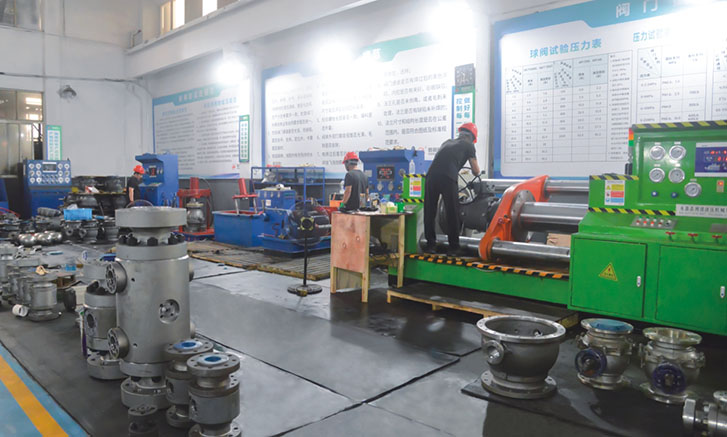
To ensure consistent quality, each valve undergoes a complete series of inspections and performance tests in accordance with API 6D, API 598, and ISO 5208, including shell test, seat leakage test (Rate A / zero visible leakage), fire-safe test, cryogenic test, operational torque test, dimensional inspection, and PMI material verification. SLVCN operates dedicated cryogenic testing facilities to validate valve performance at ultra-low temperatures down to −196°C.
SLVCN is certified to ISO 9001, CE, and API standards, and our products comply with API 6D, ASME B16.34, DIN, ANSI, and JIS specifications. We provide extensive customization capabilities covering sizes from 1/2” to 36”, full bore or reduced bore, special materials including A105, LF2, F11, F22, F51, Inconel, various soft and metal seat designs, and intelligent actuation with pneumatic, electric, and gear operators.
From regional combined-cycle plants to large-scale nuclear and thermal facilities, SLVCN is a trusted flow control partner.
Today, SLVCN serves customers in more than 100 countries and regions, supplying valves to EPC contractors, engineering companies, and end users across Europe, the Middle East, Southeast Asia, and the Americas. Backed by strong engineering expertise, advanced manufacturing, and rigorous quality control, SLVCN is committed to delivering safe, durable, and truly engineered valve solutions for the world’s most demanding industrial projects.
Select from our comprehensive line of valves engineered for critical isolation, high-pressure steam utility, and extreme environments.


 18061659285

