Leave Your Message
High-integrity Double Block and Bleed valves designed specifically to handle the severe pressures and ultra-low temperatures of liquefied natural gas processing.
As the global energy transition accelerates, Liquefied Natural Gas (LNG) has emerged as a critical bridge fuel, offering a lower-carbon alternative to coal and oil. LNG liquefaction terminals represent some of the most capital-intensive infrastructure projects in the energy sector today. These facilities process natural gas, purifying it and cooling it to approximately -162°C (-260°F) to reduce its volume by 600 times, making it suitable for global transport.
Within these complexes, the control and isolation of cryogenic fluids present unprecedented engineering challenges. Unplanned shutdowns or valve failures can result in millions of dollars in daily losses and severe safety hazards. Consequently, terminal operators and EPC contractors demand the highest levels of safety and integrity. Double Block and Bleed (DBB) ball valves have transitioned from being a premium safety upgrade to an industry-standard requirement for critical isolation points in LNG liquefaction plants.
"The global LNG market is projected to reach over 500 million tonnes per annum (MTPA) by 2030. Ensuring the mechanical integrity of high-pressure and cryogenic valves is paramount to preventing catastrophic gas leaks and meeting stringent environmental fugitive emission standards."
In addition to safety, commercial efficiency drives the adoption of DBB technology. By integrating two independent isolation barriers and a bleed mechanism into a single valve body, operators can safely isolate upstream piping and bleed off trapped pressure. This allows for safe downstream maintenance without shutting down entire production trains.
The physical properties of LNG require specialized valve designs. At -162°C, conventional materials become brittle, and standard elastomeric seals fail completely. Furthermore, trapped cryogenic liquid in a closed valve cavity can vaporize as temperature rises, causing a massive pressure buildup (up to a 600-fold expansion). Without a proper relief mechanism, this cavity overpressure can cause explosive rupture of the valve body or seat deformation.
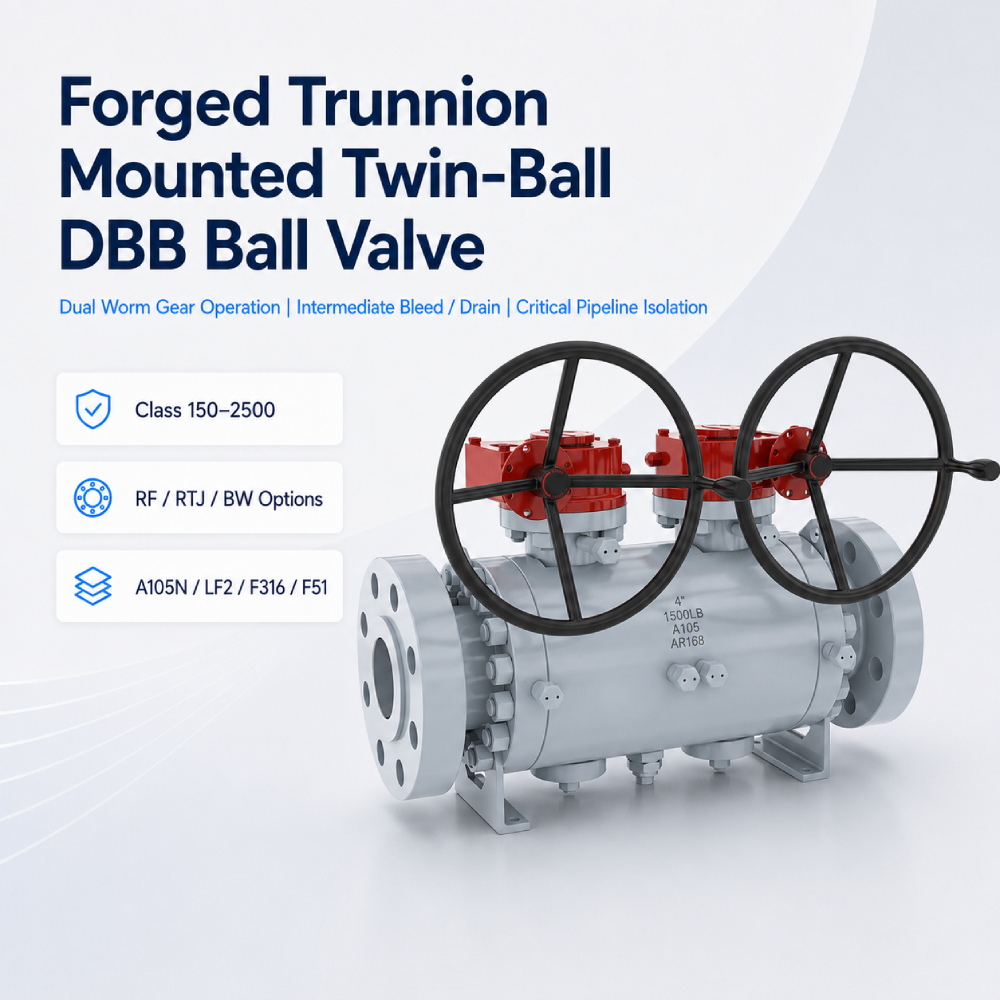
Modern DBB ball valves solve this through advanced engineering. They feature two independent seats (upstream and downstream) and a central bleed chamber. The seats can be configured as Single Piston Effect (SPE) or Double Piston Effect (DPE).
DBB ball valves are deployed at critical junctions throughout the LNG liquefaction process chain:
Before natural gas can be liquefied, impurities like carbon dioxide, hydrogen sulfide, and water must be removed to prevent freezing and corrosion in the cold box. The acid gas removal unit (AGRU) operates under high pressures and handles corrosive sour gases. Forged steel DBB valves complying with NACE MR0175/ISO 15156 ensure zero leakage of toxic H₂S, protecting personnel during maintenance operations.
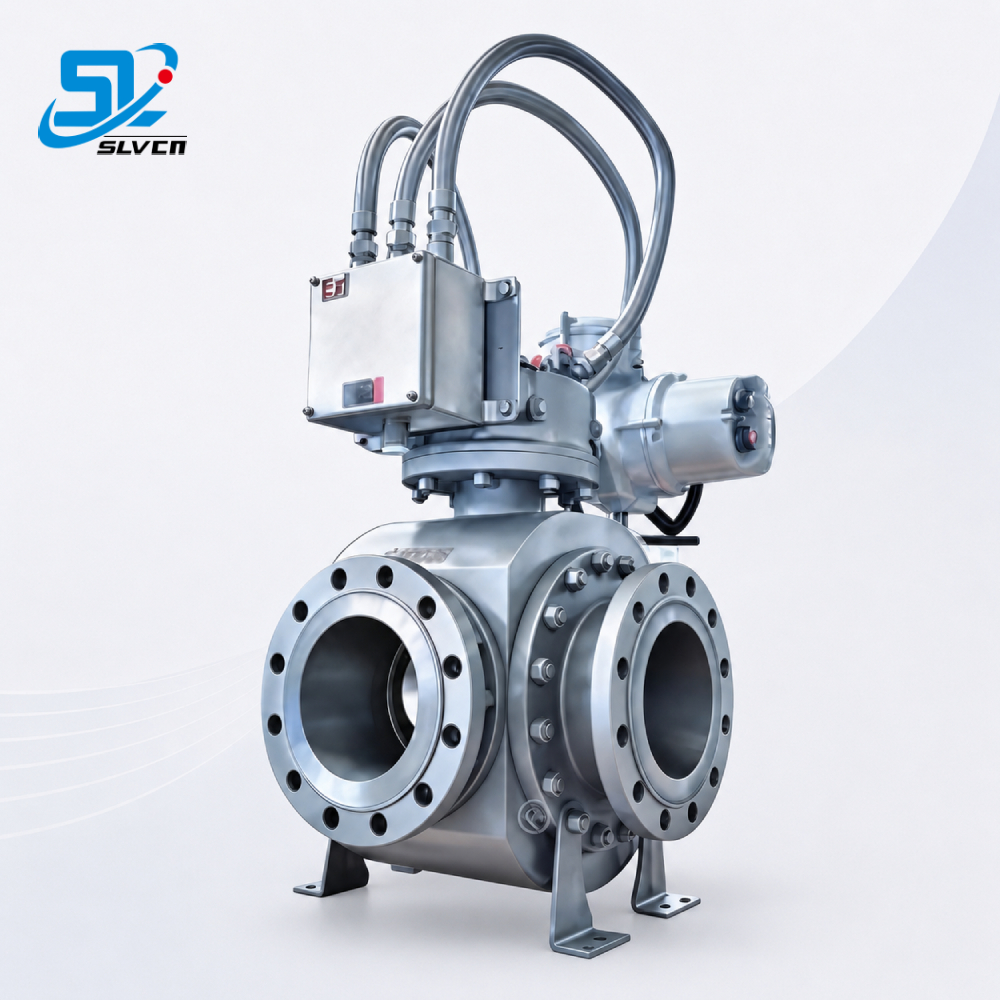
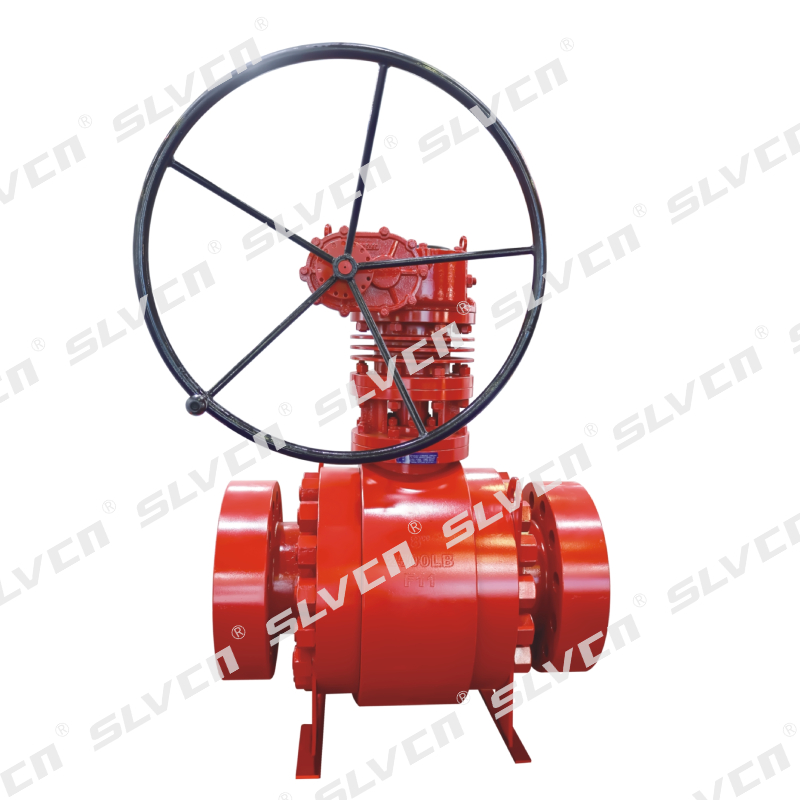
The cold box is the heart of the liquefaction plant, where the gas is cooled using mixed refrigerants. Inside the cold box, temperatures drop to -162°C. Top-entry DBB ball valves are highly preferred here. Because they can be serviced from the top without removing the valve body from the pipeline, they significantly reduce maintenance downtime and eliminate the risk of disrupting complex cold-box insulation modules.
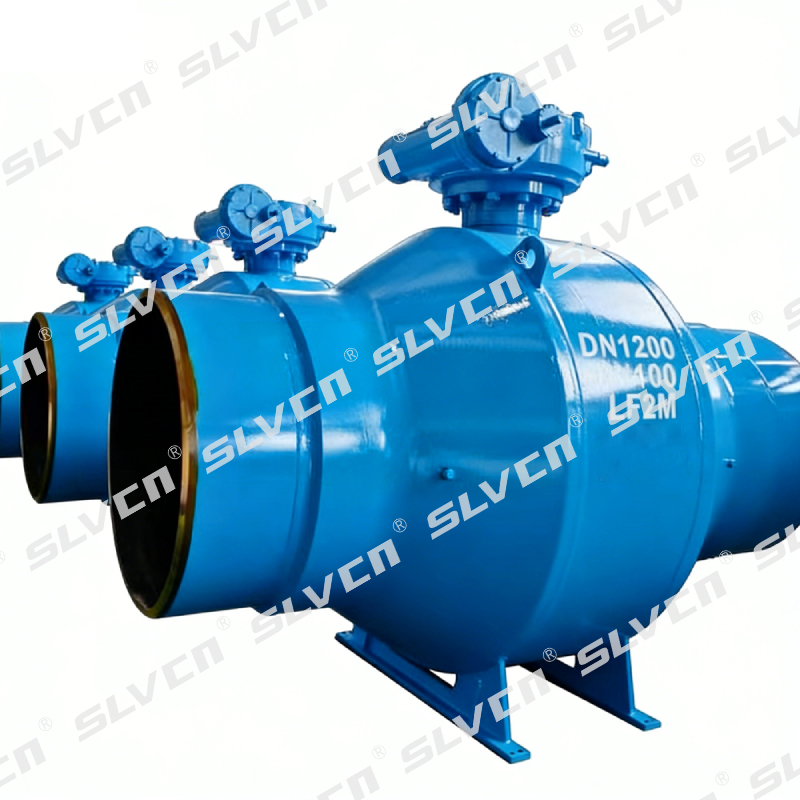
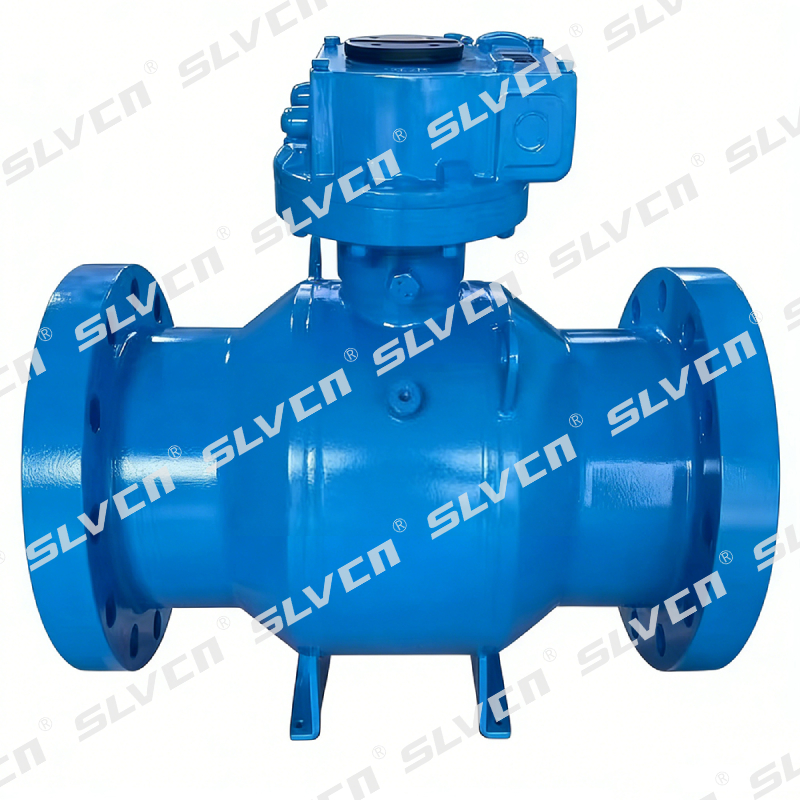
Liquefied gas is stored in massive double-walled tanks. The inlet and outlet lines at the base of these tanks require absolute isolation integrity. Large-diameter fully welded DBB valves are frequently used here to minimize potential leak paths to the atmosphere. The double-barrier isolation prevents any product loss and minimizes fugitive emissions, which is critical for both environmental compliance and economic performance.
During LNG carrier loading, high flow rates and rapid temperature changes subject piping and valves to severe thermal shock. DBB valves installed on loading arms and jetty manifolds provide fast, reliable shut-off in the event of an emergency shutdown (ESD). The dual-ball configuration ensures that even under rapid cycling and thermal stress, the valve maintains bubble-tight shut-off.
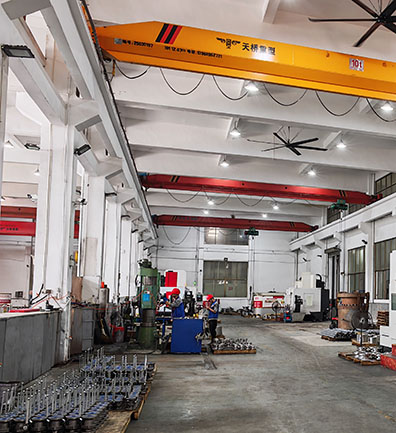


With over 30 years of manufacturing experience, SLVCN is a professional designer and manufacturer of high-performance forged steel ball valves for critical industrial applications. We specialize in extreme working conditions including high pressure, high temperature, and cryogenic environments, providing safe and reliable flow control solutions for global industrial projects where operational reliability is non-negotiable.
Our facility is equipped with state-of-the-art testing systems to validate valve performance under extreme conditions, ensuring every unit delivered meets international standards for quality and safety.
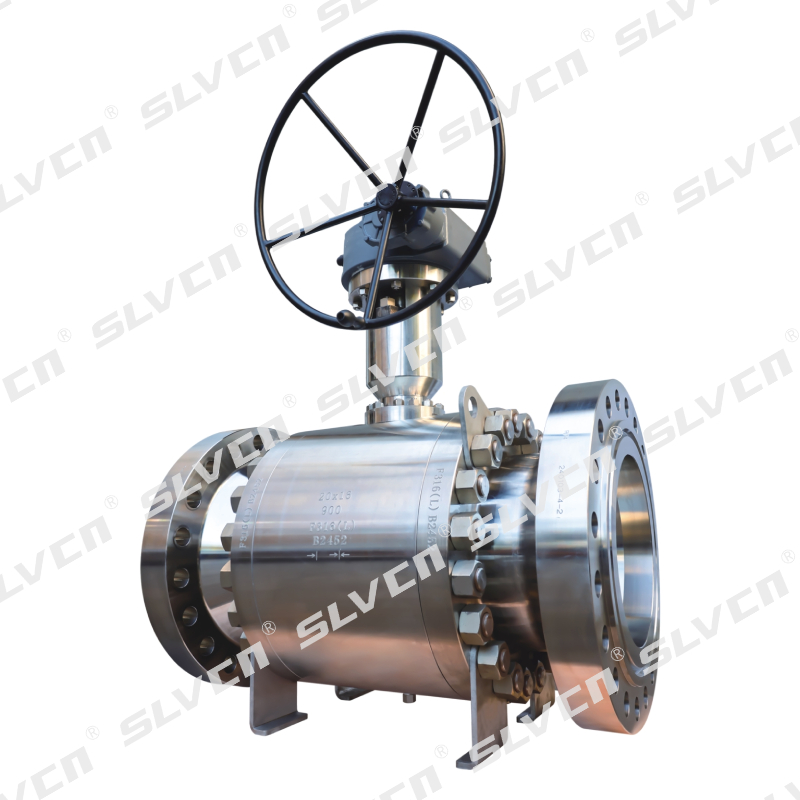
Contact Us TodayOur core product range covers forged trunnion-mounted and floating ball valves, top-entry and side-entry ball valves, fully welded ball valves, metal seated ball valves, cryogenic ball valves, high-pressure ball valves up to Class 2500 (PN420) and customized higher pressure ratings, as well as high-temperature service valves.
Compared with conventional cast valves, SLVCN forged valves feature higher material density, superior mechanical strength, improved resistance to pressure fluctuations and thermal shock, and significantly longer service life under severe service conditions. This makes them exceptionally suited for the rigorous demands of LNG liquefaction terminals where cast defects cannot be tolerated.

Safety and reliability are embedded in every design. Our forged ball valves are equipped with Double Block and Bleed (DBB) structures, anti-blowout stems, fire-safe designs in accordance with API 607 / API 6FA, anti-static devices, emergency sealing systems, and pressure-balanced seating structures suitable for high differential pressure operation.
Valves can be designed with SPE or DPE seat configurations based on application requirements. For sour service environments, materials and sealing systems comply with NACE MR0175 / ISO 15156 requirements. This comprehensive safety profile makes SLVCN valves the preferred choice for handling hazardous, flammable, and high-pressure media in LNG terminals.
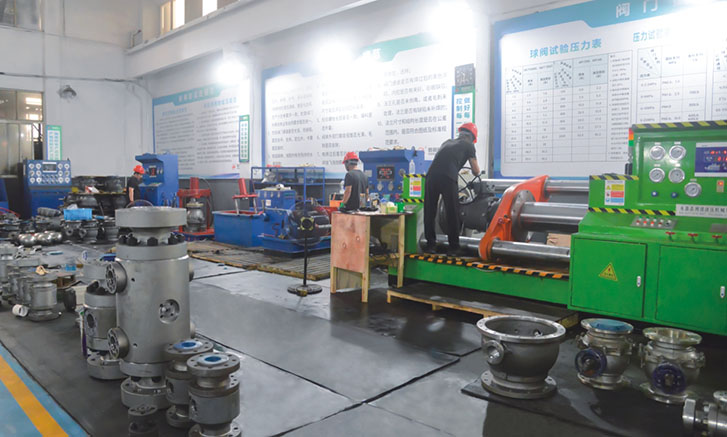
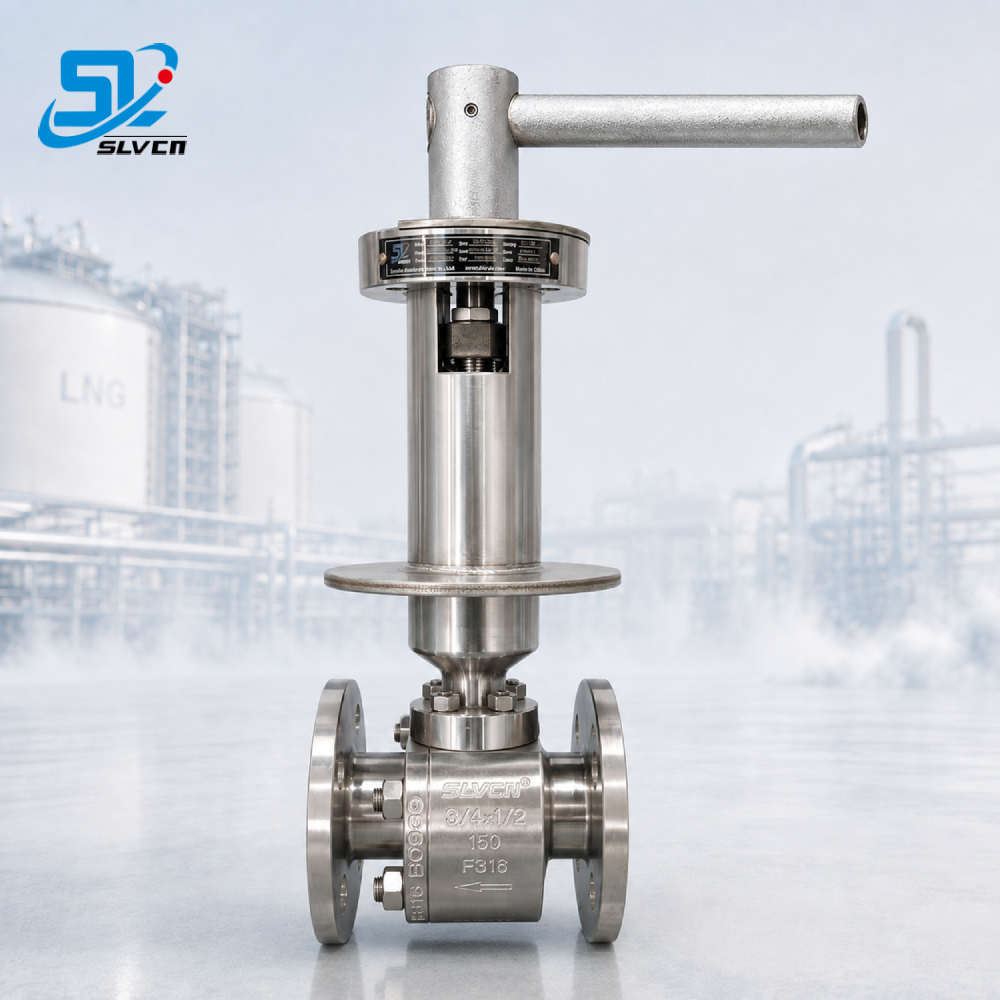
To ensure consistent quality, each valve undergoes a complete series of inspections and performance tests in accordance with API 6D, API 598, and ISO 5208, including shell test, seat leakage test (Rate A / zero visible leakage), fire-safe test, cryogenic test, operational torque test, dimensional inspection, and PMI material verification. SLVCN operates dedicated cryogenic testing facilities to validate valve performance at ultra-low temperatures down to −196°C.
SLVCN is certified to ISO 9001, CE, and API standards, and our products comply with API 6D, ASME B16.34, DIN, ANSI, and JIS specifications. We provide extensive customization capabilities covering sizes from 1/2” to 36”, full bore or reduced bore, special materials including A105, LF2, F11, F22, F51, Inconel, various soft and metal seat designs, and intelligent actuation with pneumatic, electric, and gear operators.
The LNG industry is evolving rapidly, and valve technologies must keep pace. Several key trends are shaping the future of DBB ball valves in liquefaction plants:
With global regulations tightening around greenhouse gas emissions, minimizing methane slip is a top priority. Future-proof DBB valves are designed and tested to meet ISO 15848-1 Class A or API 641 standards. This requires precision machining of the valve stem and the use of advanced packing configurations to ensure virtually zero leakage to the atmosphere over thousands of operational cycles.
Modern liquefaction terminals are increasingly incorporating digital twins and predictive maintenance. DBB valves equipped with smart positioners and diagnostic sensors can monitor torque signatures, packing wear, and seat leakage in real-time. This allows operators to perform targeted maintenance before a failure occurs, maximizing terminal uptime.
Today, SLVCN serves customers in more than 100 countries and regions, supplying valves to EPC contractors, engineering companies, and end users across Europe, the Middle East, Southeast Asia, and the Americas. Backed by strong engineering expertise, advanced manufacturing, and rigorous quality control, SLVCN is committed to delivering safe, durable, and truly engineered valve solutions for the world’s most demanding industrial projects.
Explore our full range of high-performance double block and bleed trunnion, floating, top-entry, and fully welded ball valves certified for cryogenic and high-pressure services.


 18061659285