


 18061659285



Compact Flanged Twin-Ball DBB Valve - Double Block and Bleed Valve from China Suppliers and Factory
Product Details
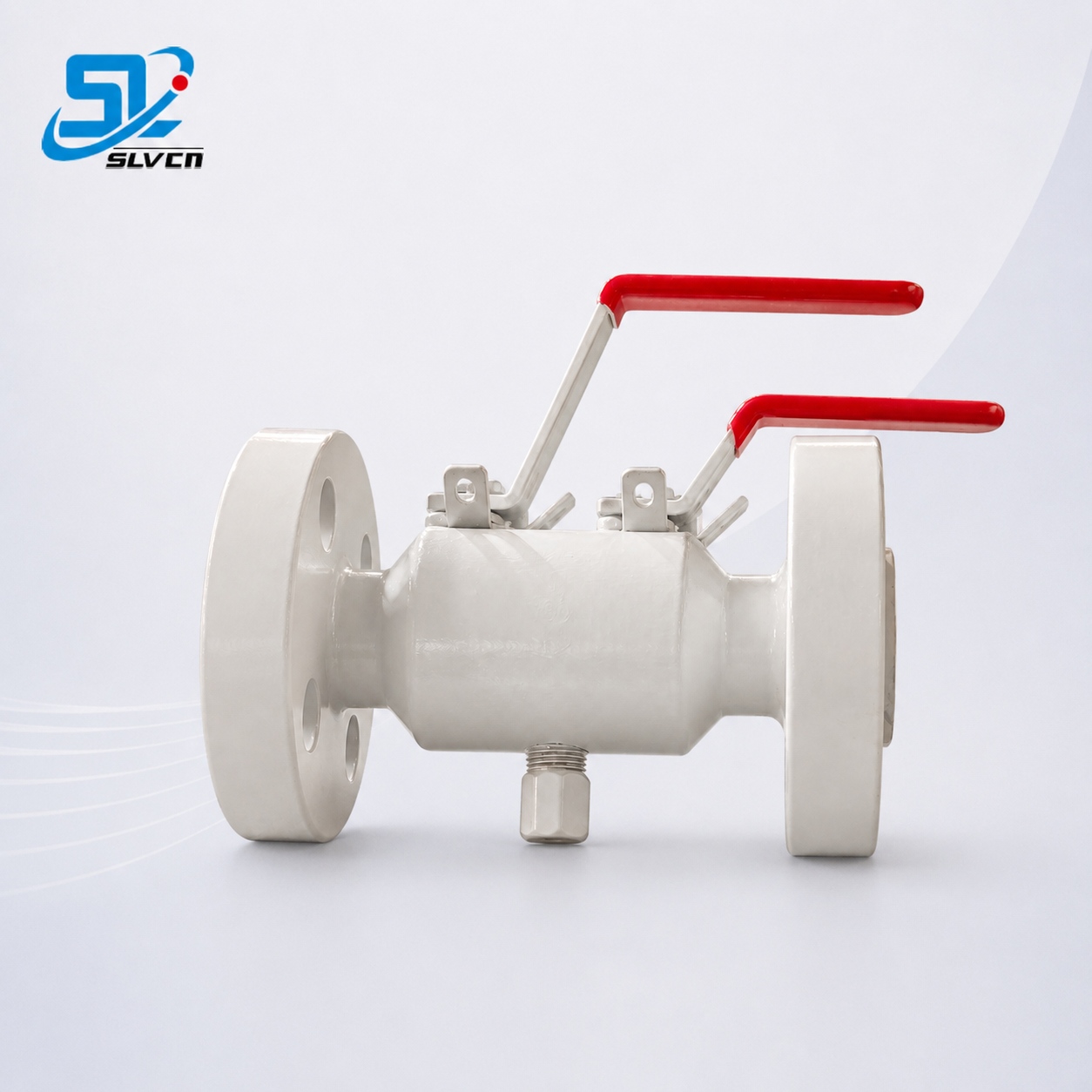
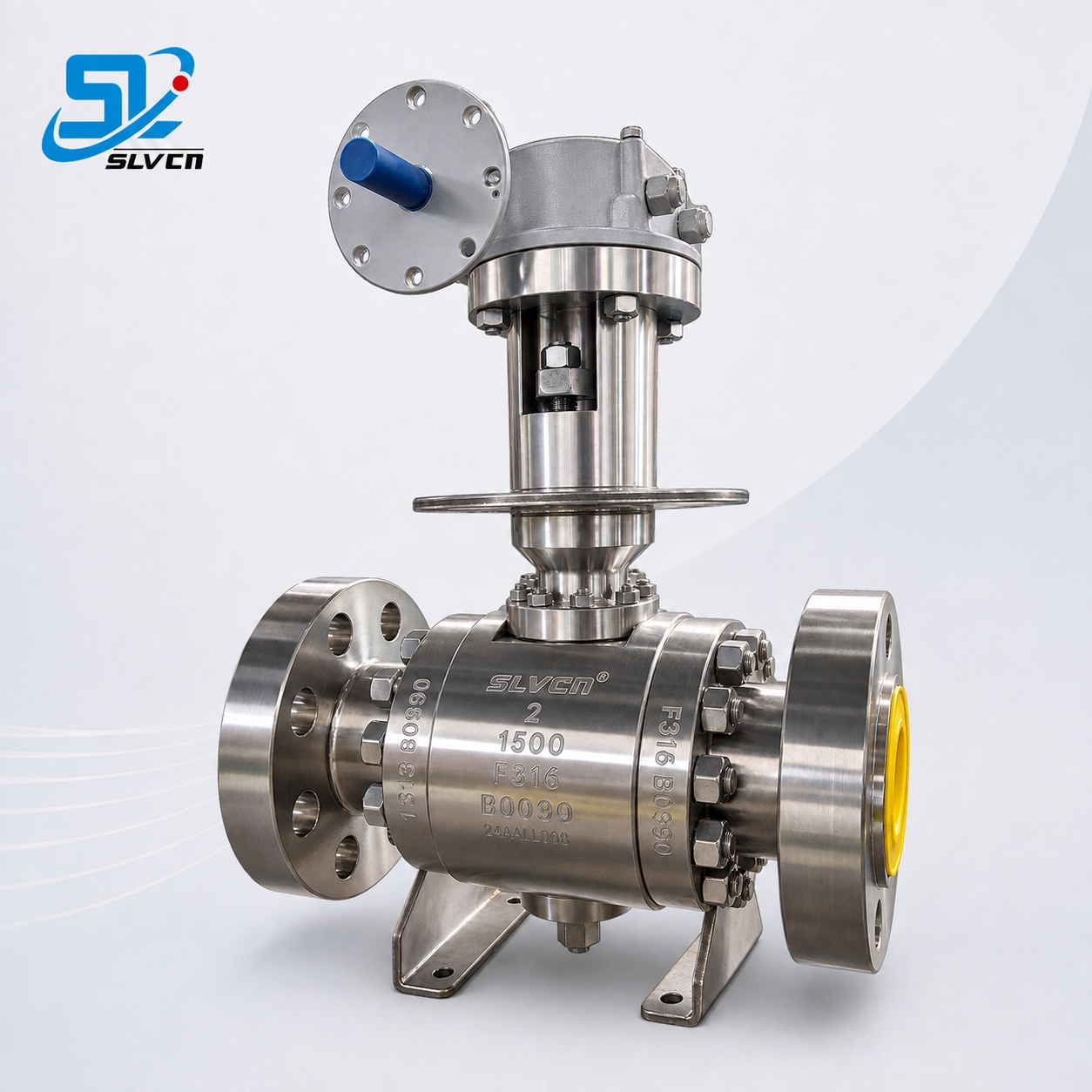
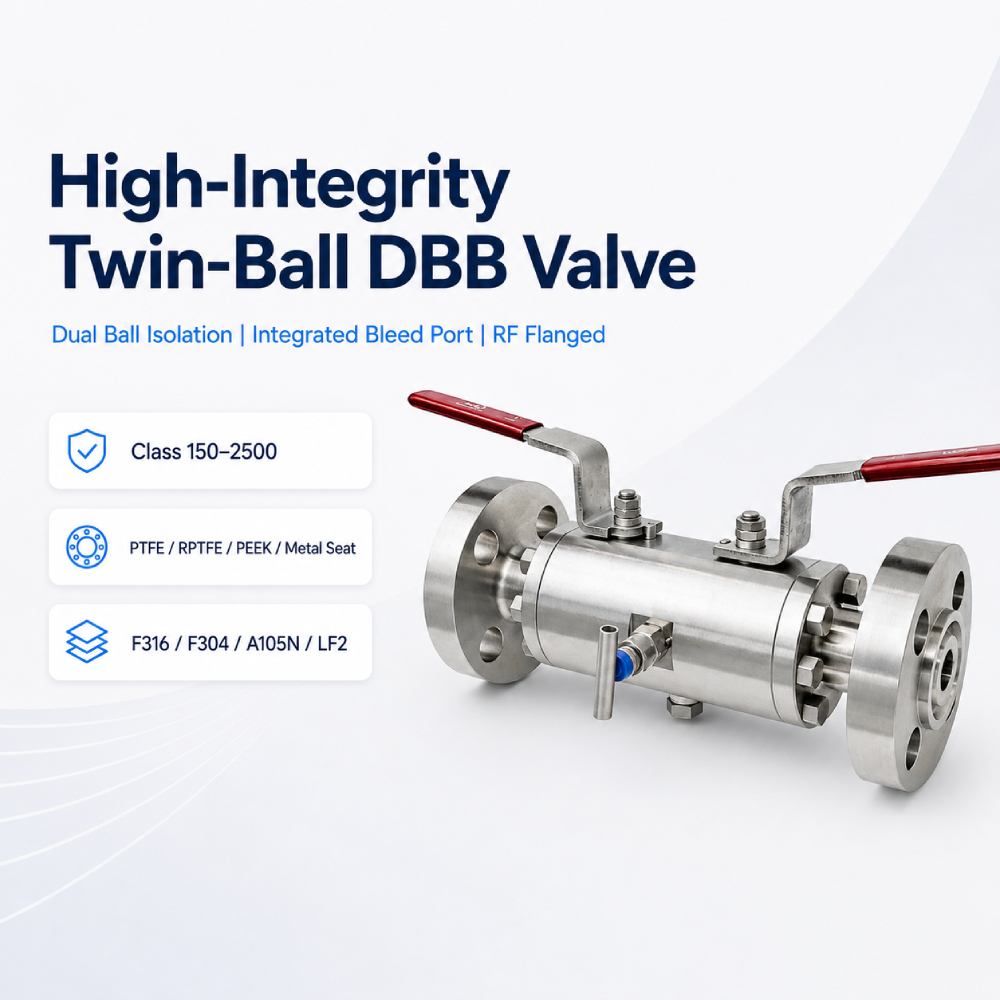
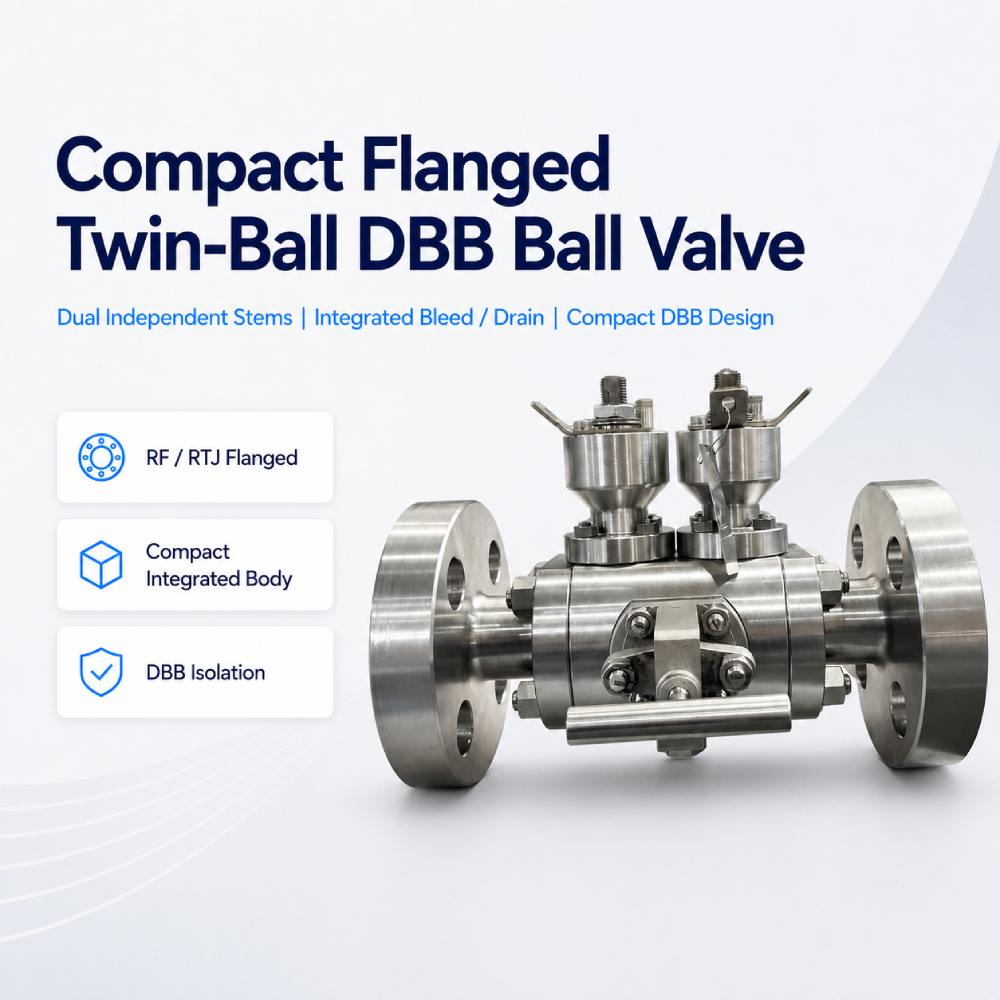
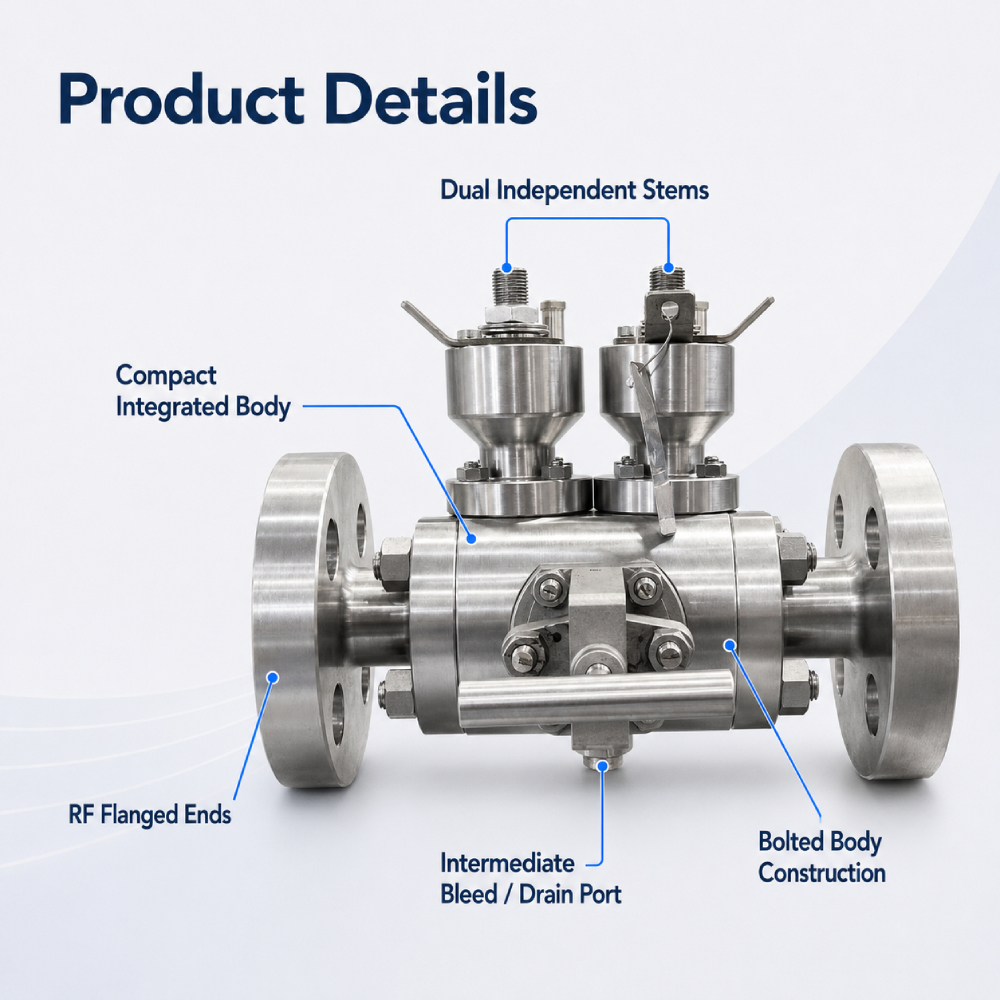
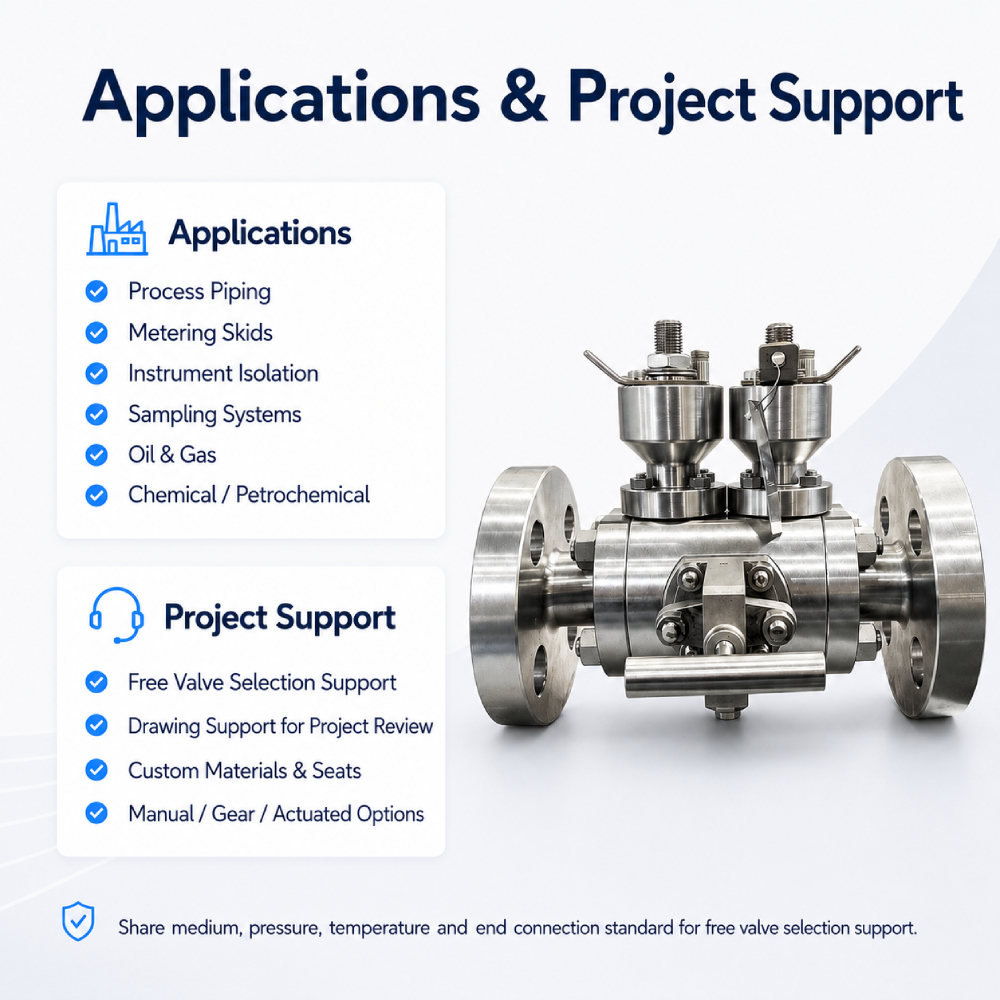
SLVCN Compact Flanged Twin-Ball Double Block and Bleed Ball Valve with Dual Independent Stems is designed for process piping, metering skids, instrument isolation, sampling systems, oil & gas, chemical and petrochemical applications where double block and bleed isolation, cavity pressure release and leakage verification are required within a compact installation space.
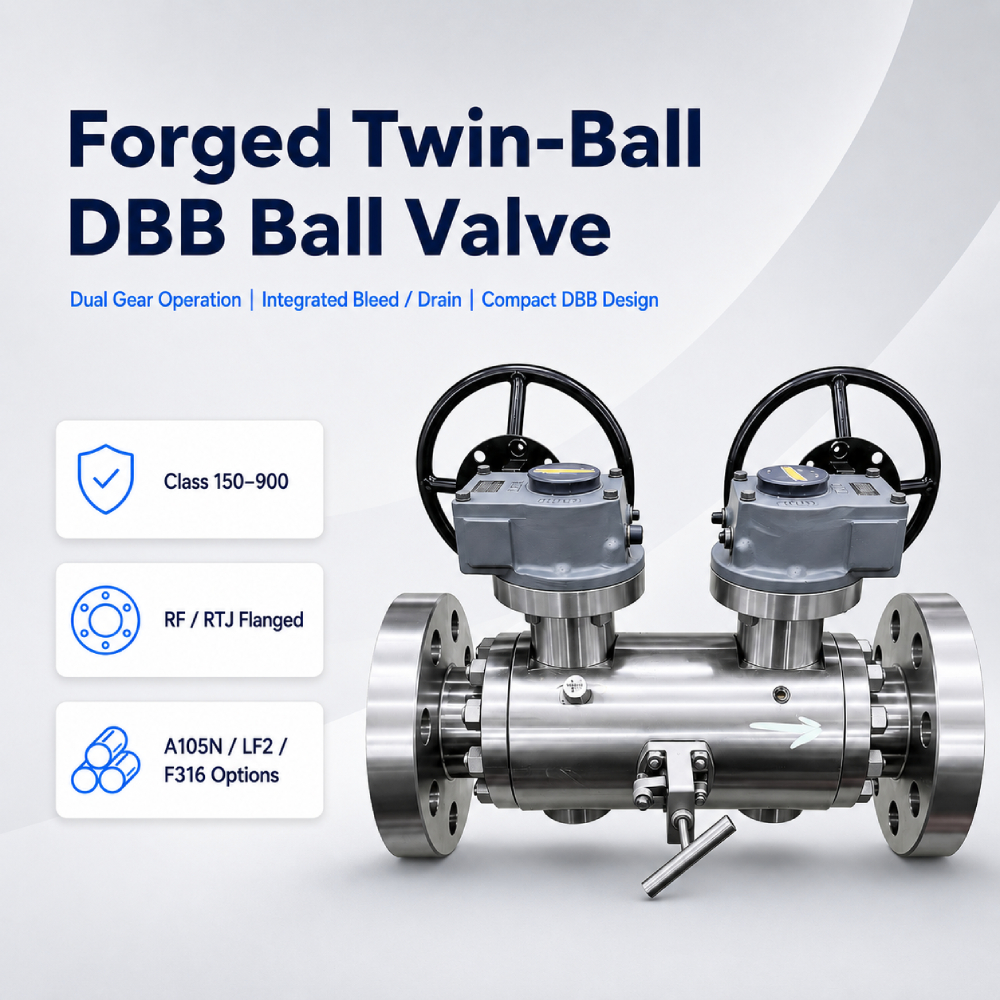
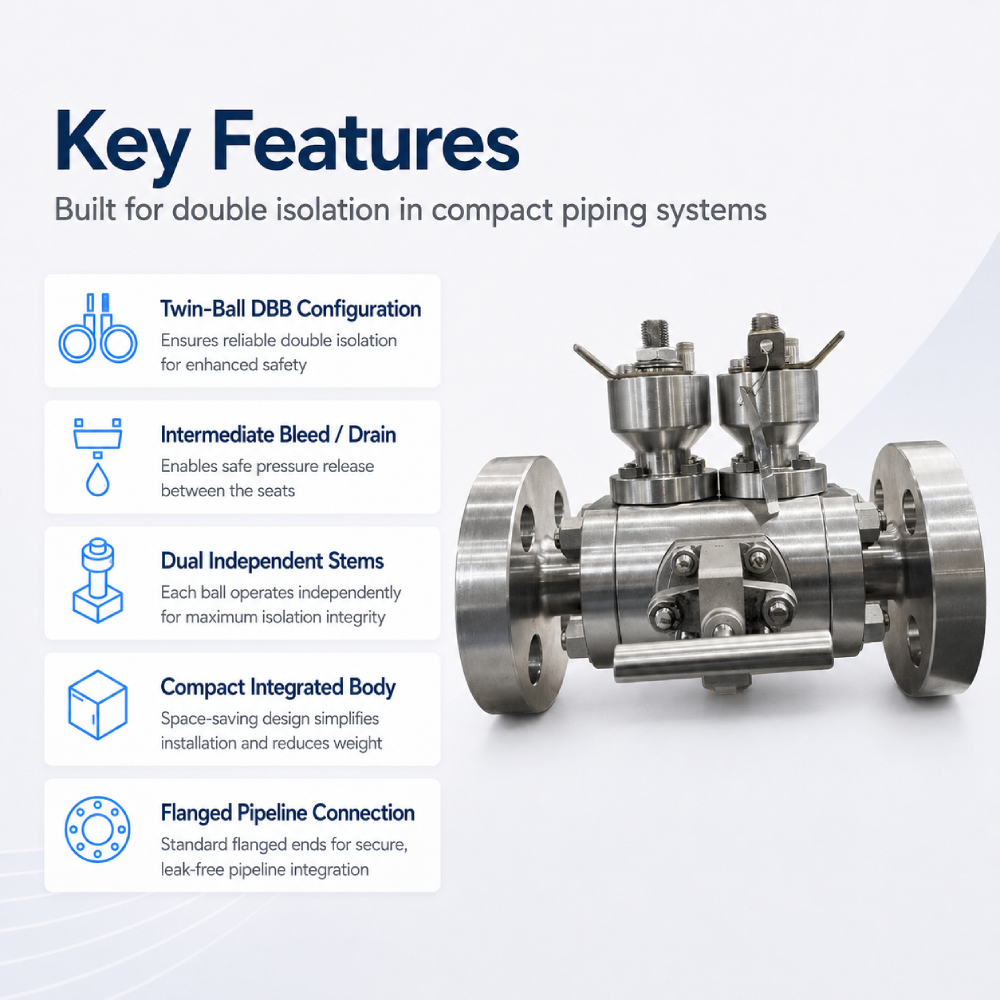
The valve integrates two independent ball closures and an intermediate bleed / drain connection into one compact body. Compared with a traditional arrangement using two separate block valves and one bleed valve, this integrated DBB valve design helps reduce installation length, flange joints, component quantity and potential external leak paths.
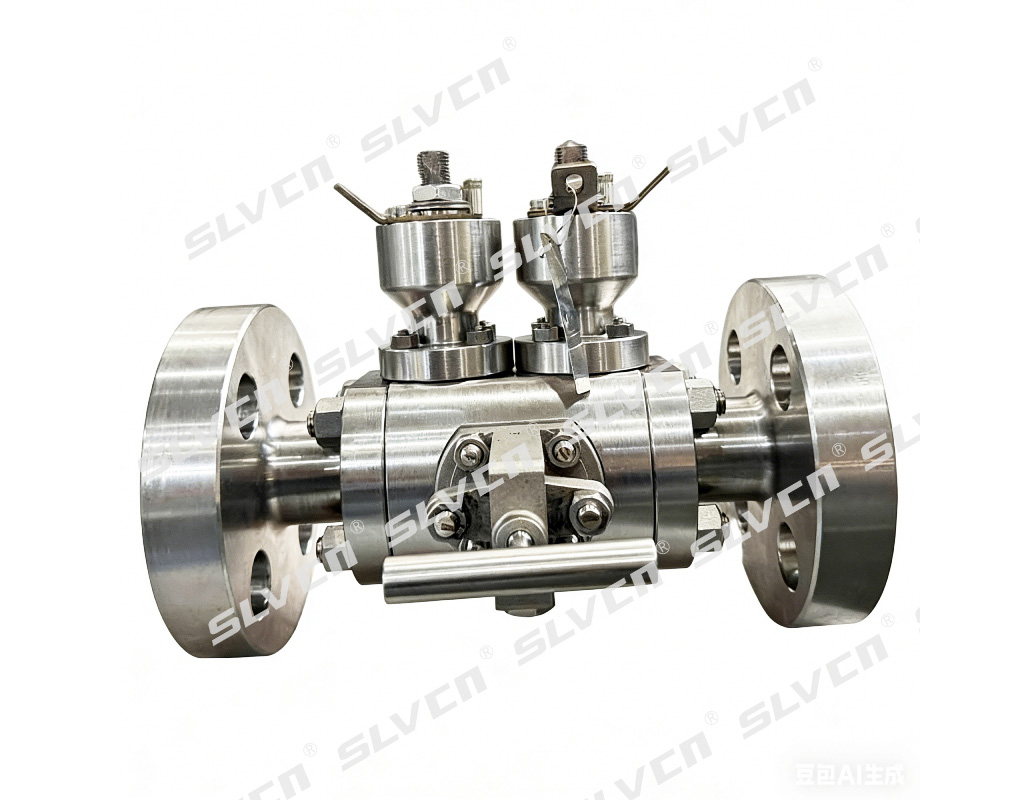
When both ball closures are closed, the cavity between the two balls can be vented, drained or monitored through the bleed connection. This supports leakage verification before maintenance, sampling, instrument removal or process line intervention.
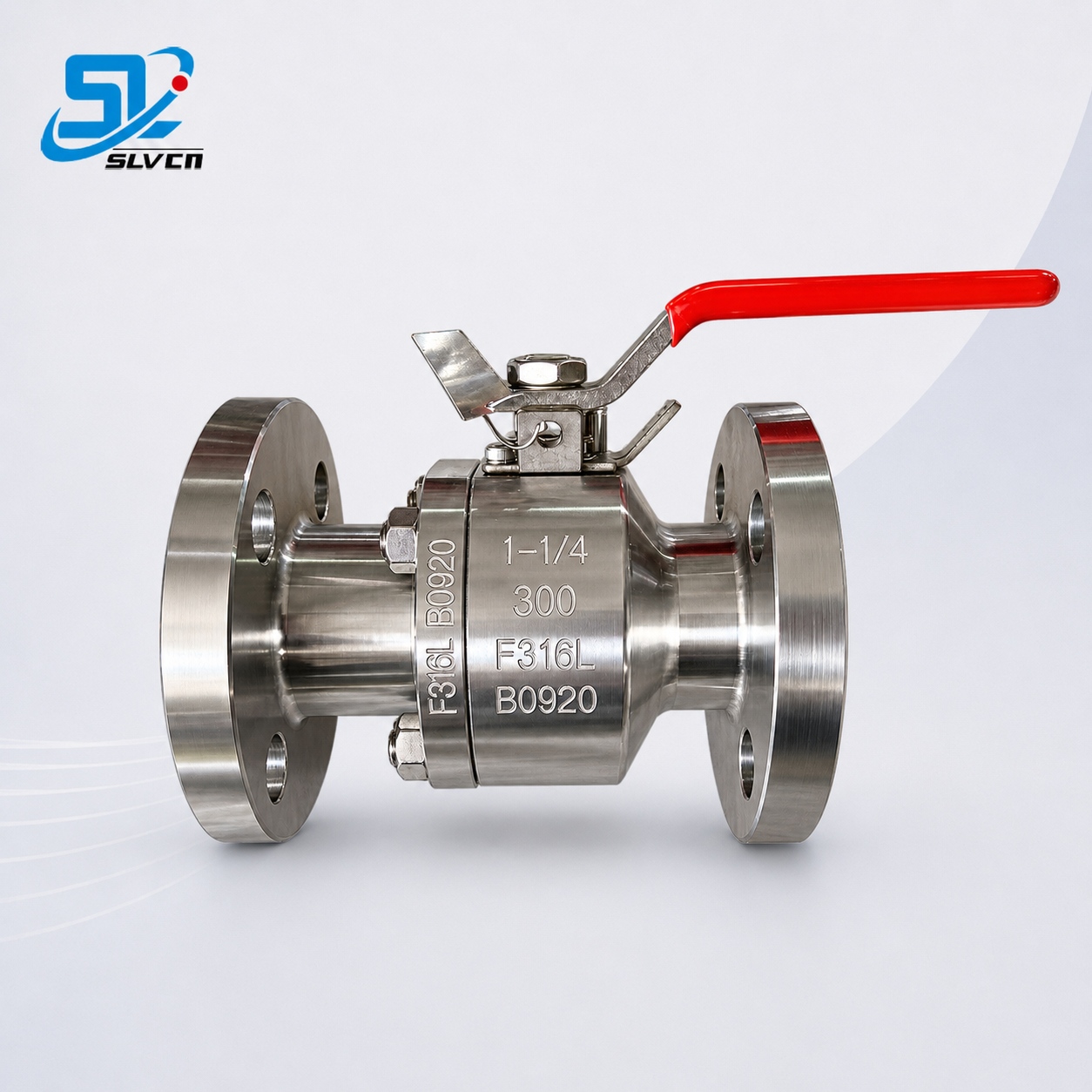
Dual independent stems allow separate operation of both ball closures and provide clear isolation logic for operators. Flanged end connections support installation in process piping, metering skids and modular pipeline systems.
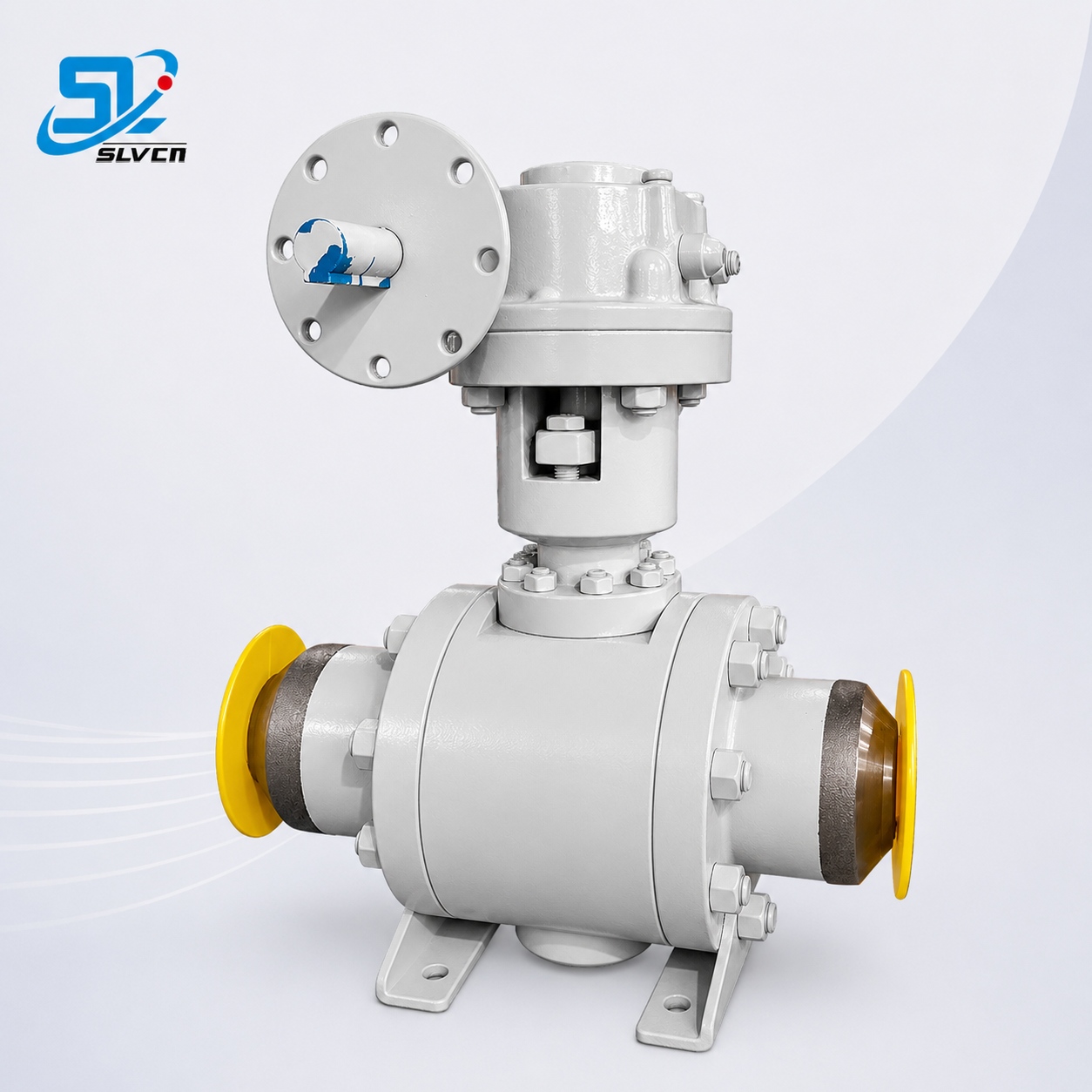
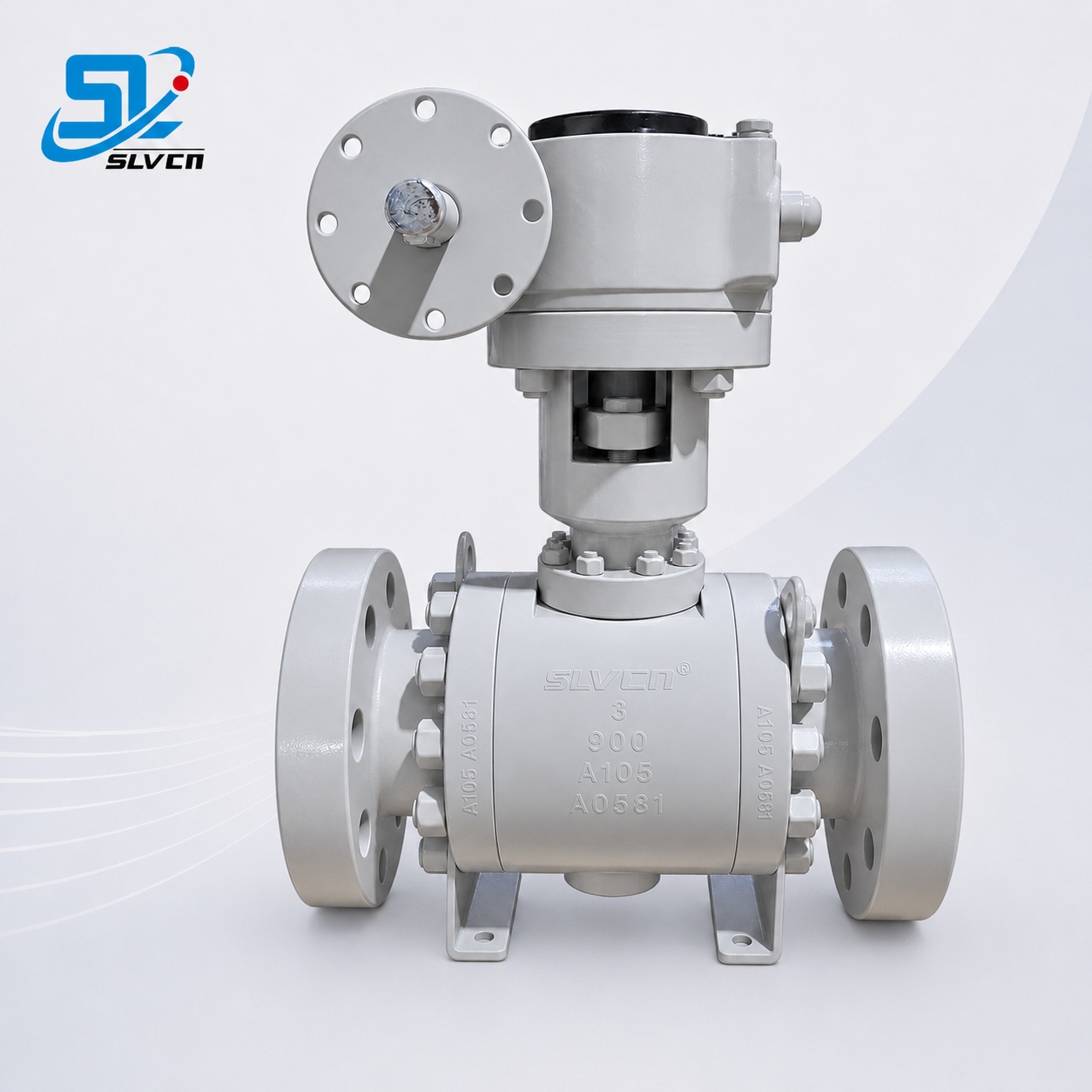
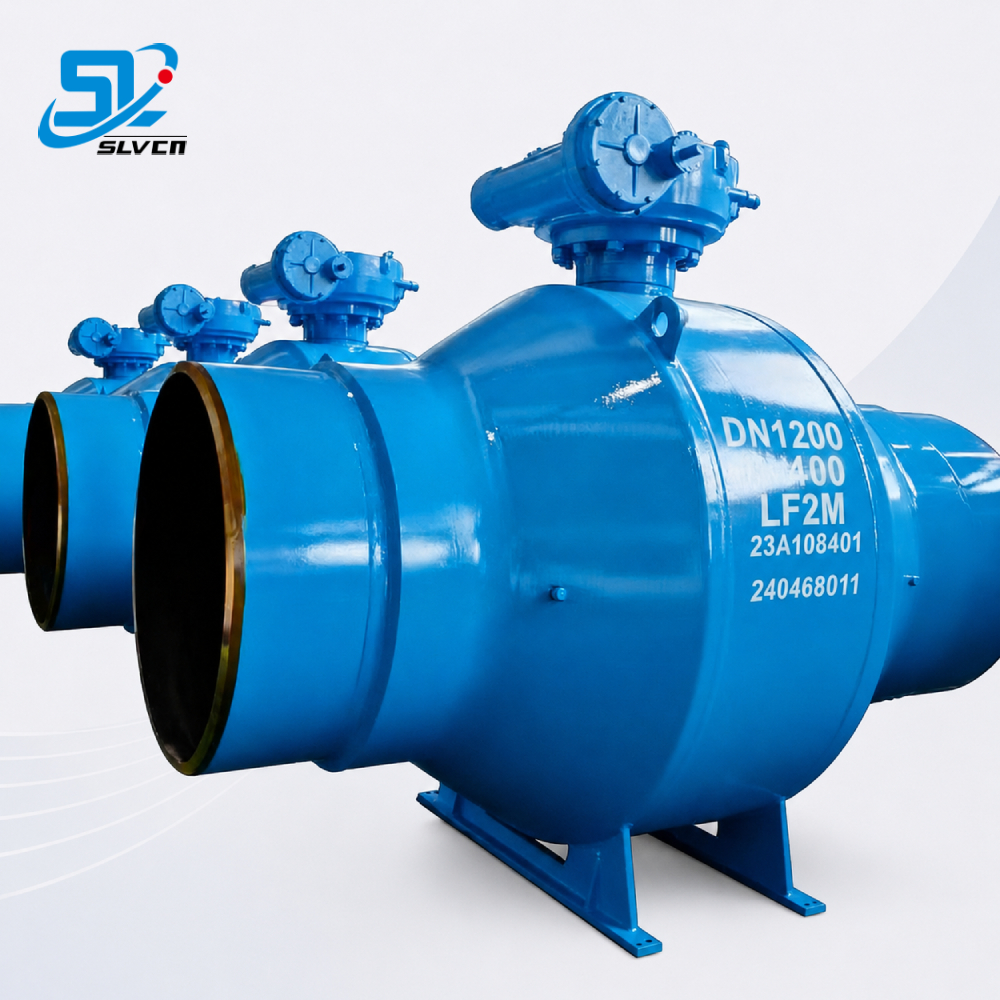
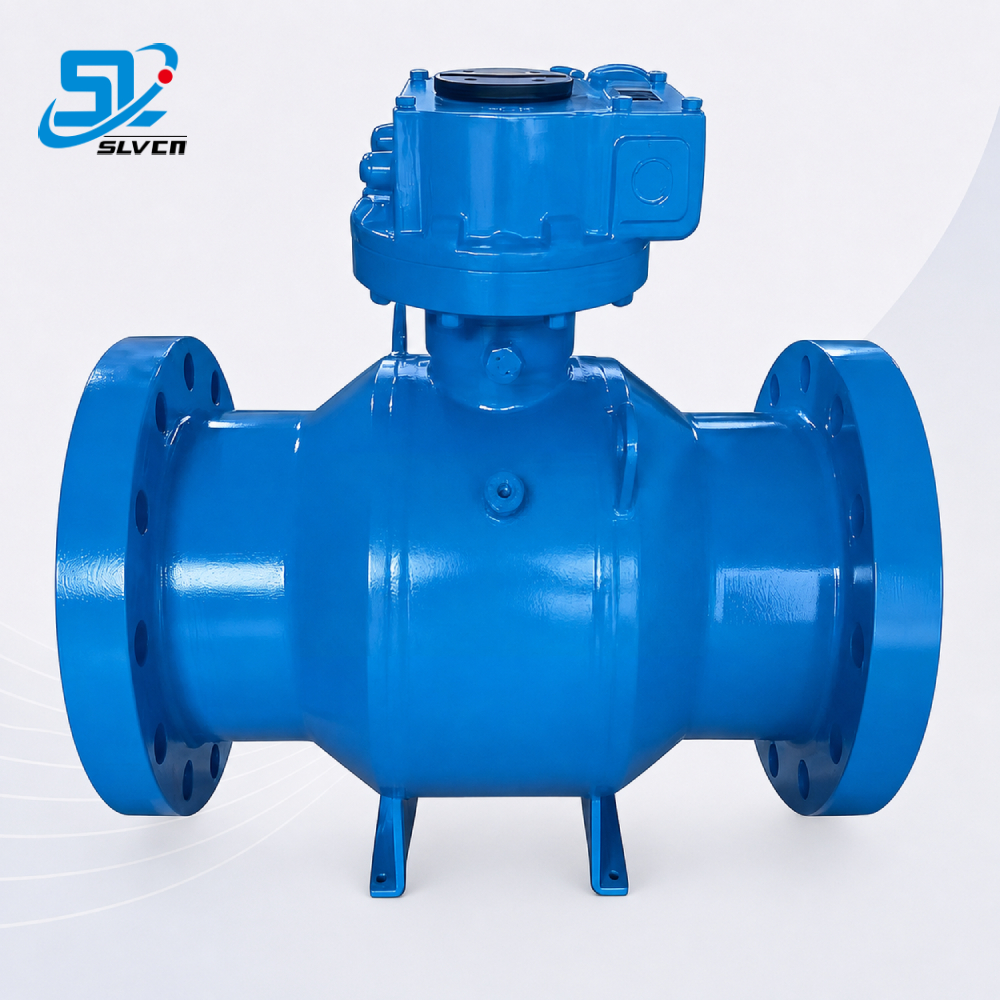
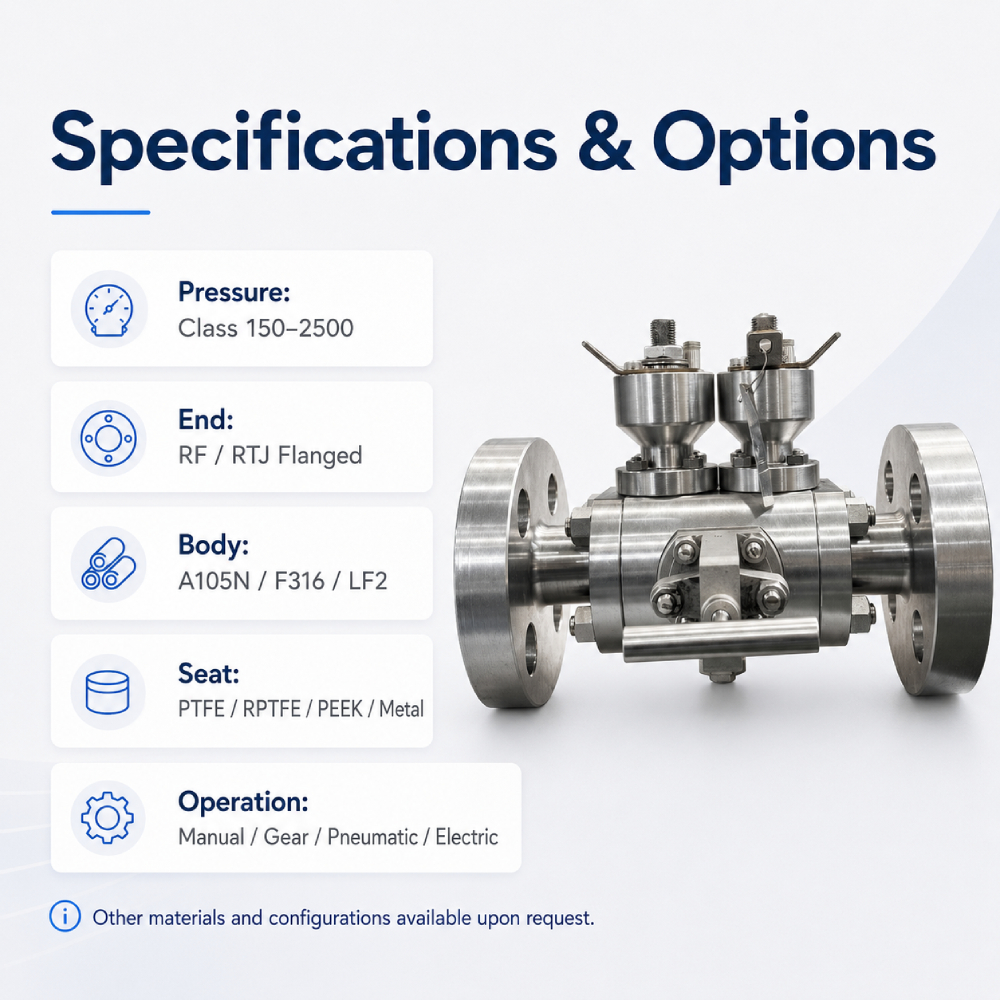
For smaller sizes, floating ball design is commonly used. For larger sizes, higher pressure or higher torque service, trunnion mounted design, gear operation, pneumatic actuation or electric actuation can be supplied according to project requirements.
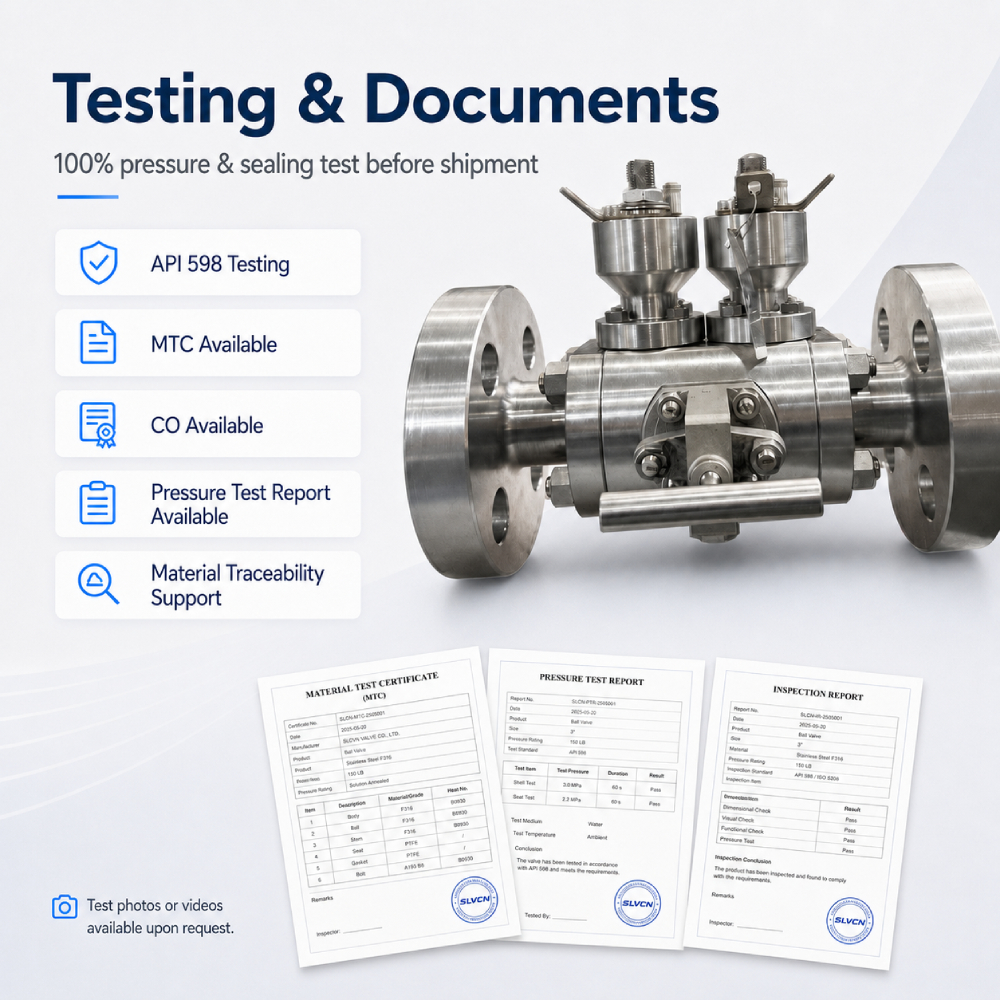
Body material, seat material, pressure class, end connection, operation method, actuator mounting and testing requirements can be customized according to project specifications.
Frequently Asked Questions (FAQ)
What is the main advantage of an integrated twin-ball DBB valve over traditional valve setups?
The integrated design replaces two separate block valves and one bleed valve with a single unit. This significantly reduces overall installation length, saves structural weight, reduces flanged connections, and minimizes potential leak points to improve plant safety.
How does cavity pressure release and leakage verification work?
When both primary ball closures are shut, the intermediate cavity between them can be drained or vented via the central bleed port. This enables field technicians to verify bubble-tight isolation before conducting downstream maintenance, sampling, or instrument calibration.
What are the benefits of dual independent stems?
Dual independent stems ensure that each ball closure is operated separately, offering complete operational flexibility, fail-safe isolation logic, and the ability to test one valve barrier at a time.
Which ball configurations (floating vs. trunnion) are available?
Floating ball designs are standard for smaller, standard-pressure lines. For larger valve diameters, extreme pressure ratings, or high-torque operations, trunnion-mounted designs are supplied to ensure ease of operation and seal reliability.
Can these DBB valves be automated?
Yes. The valves can be supplied with manual levers, mechanical gear operators, pneumatic actuators, or electric actuators to meet various remote control and safety shutdown requirements.
What customization options are available for harsh industrial services?
Customizations cover body and trim materials (carbon steel, stainless steel, duplex, exotic alloys), soft or metal seated options, flange connection standards, and specialized testing to match project parameters.