


 18061659285



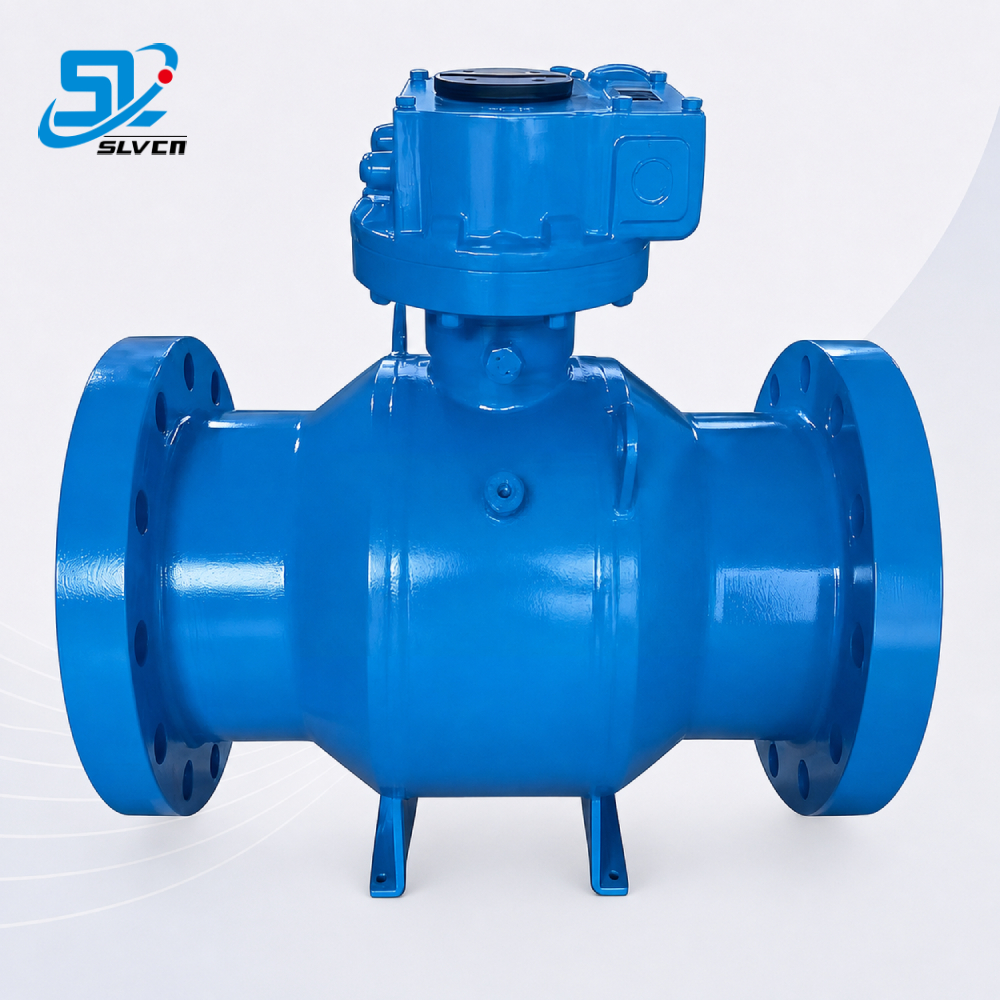
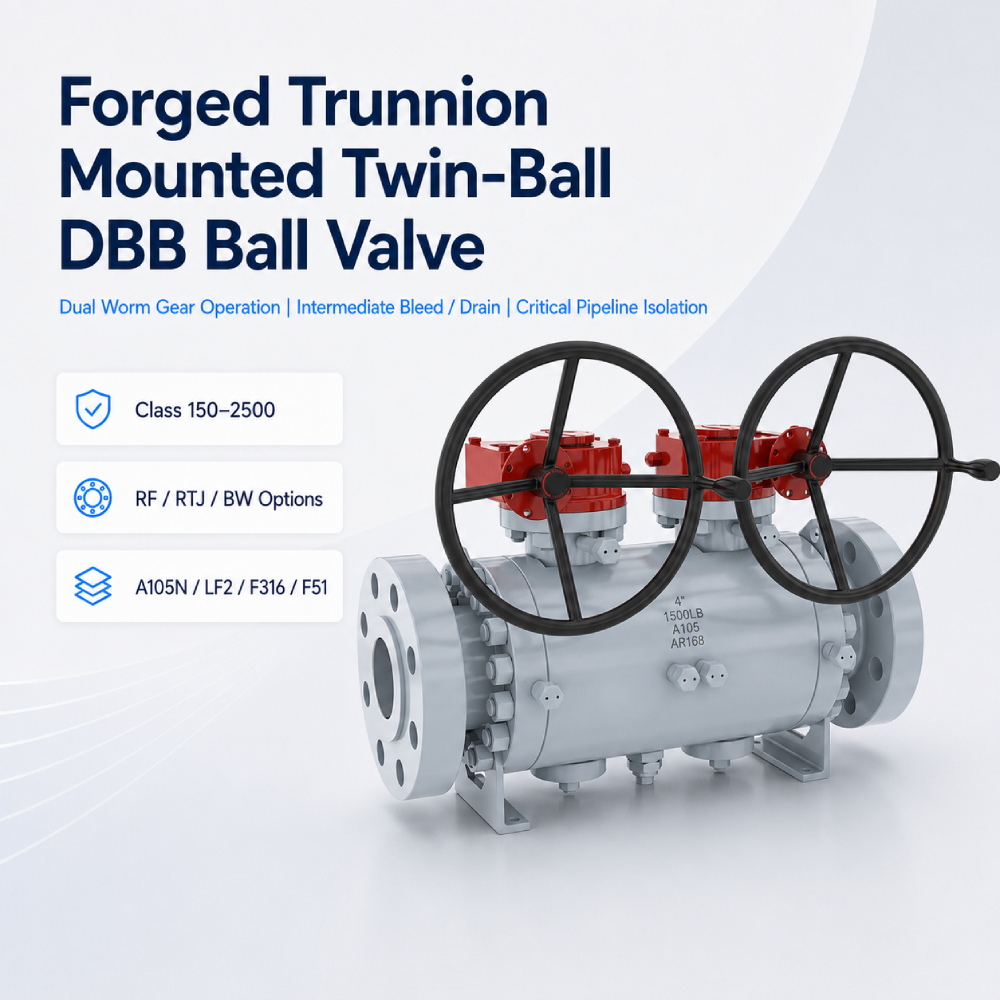
China Suppliers Factory Forged Trunnion Mounted Twin-Ball DBB Valve with Dual Worm Gear Operation
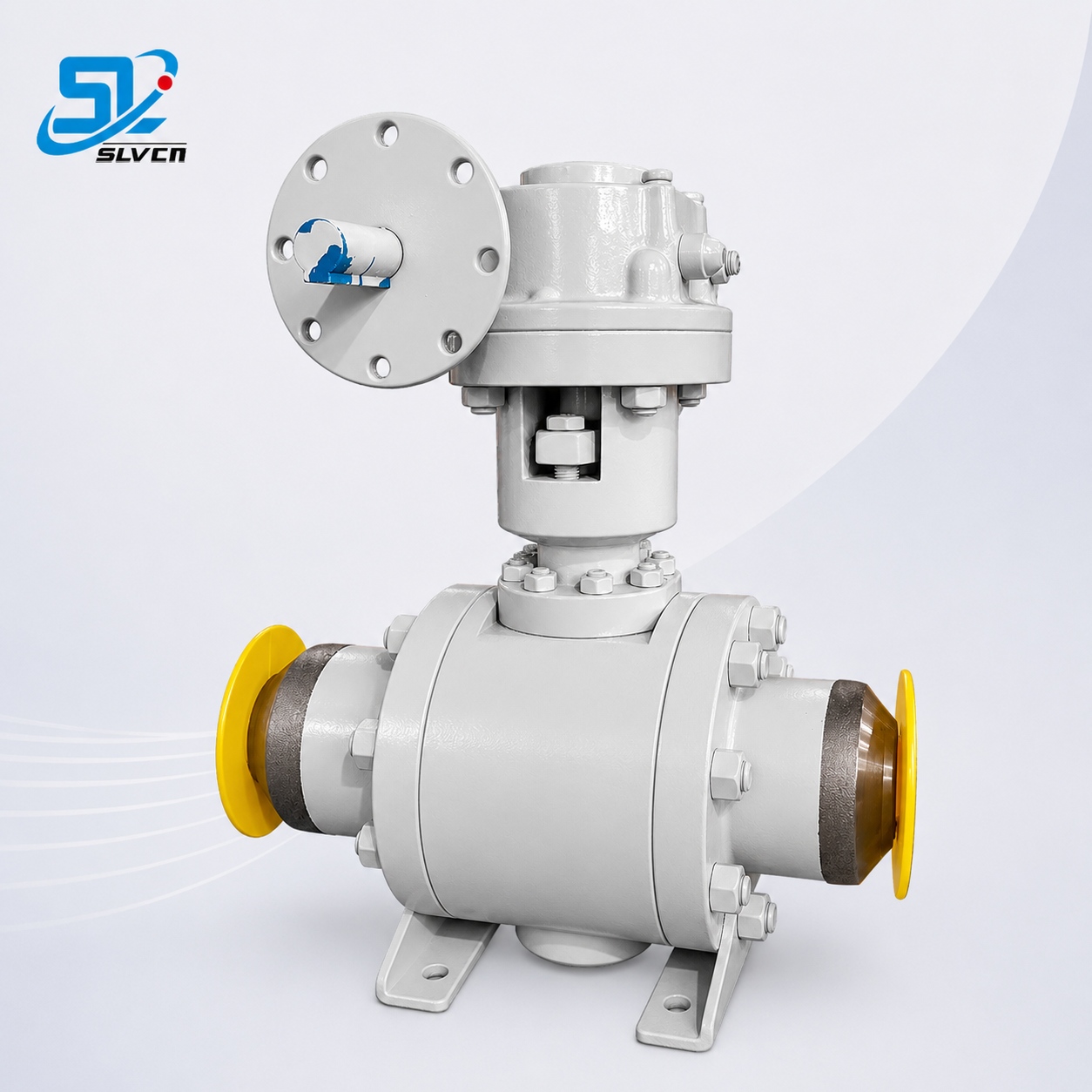
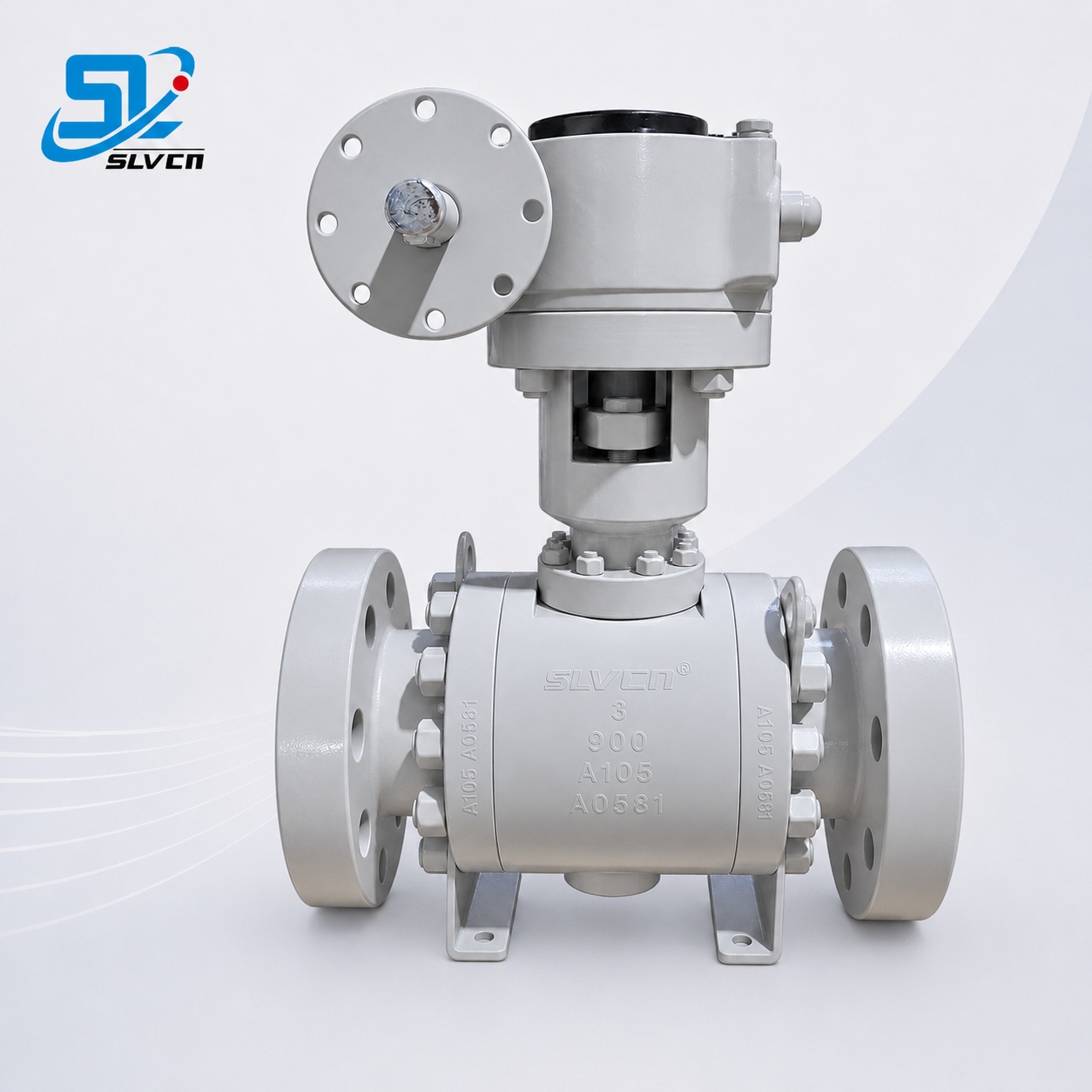
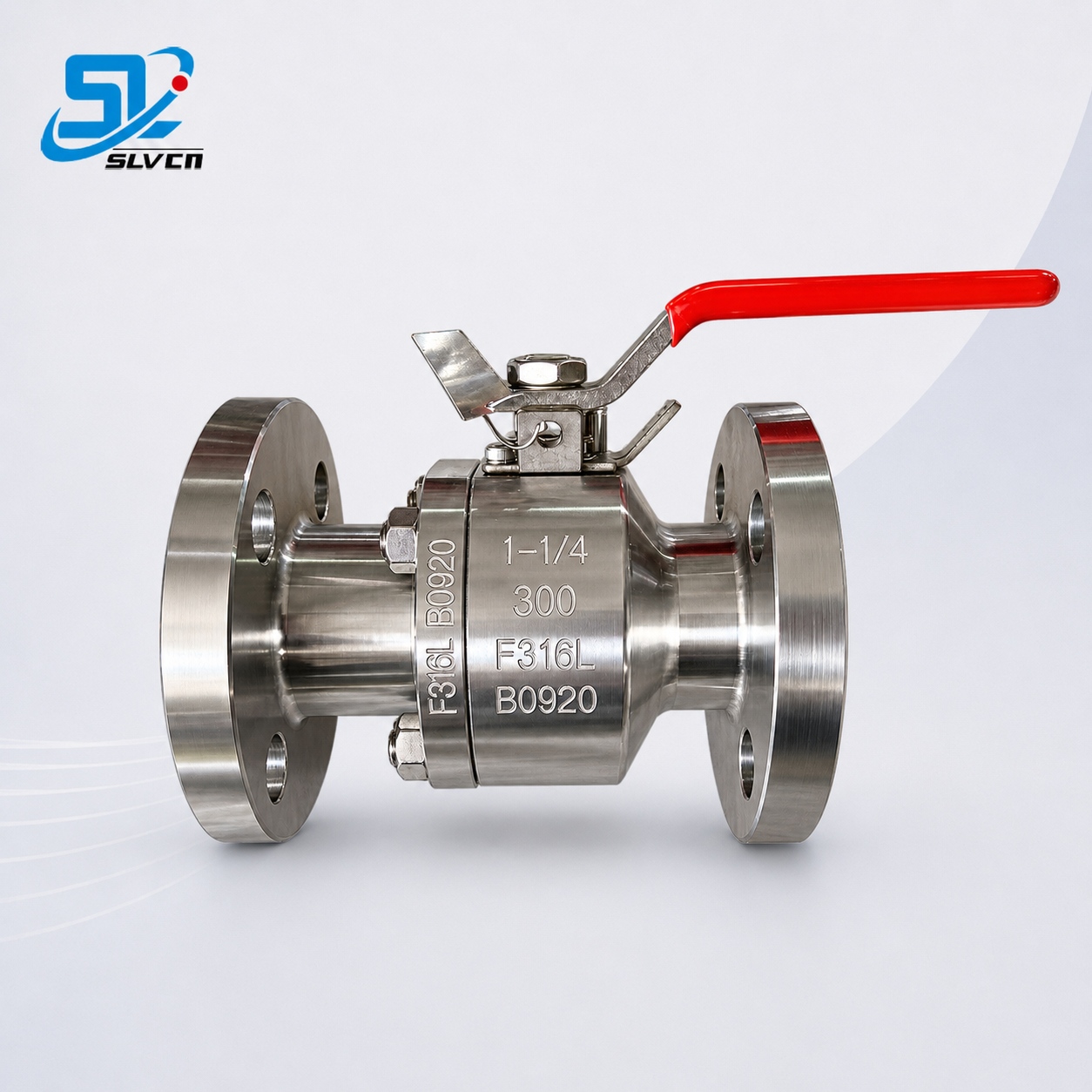
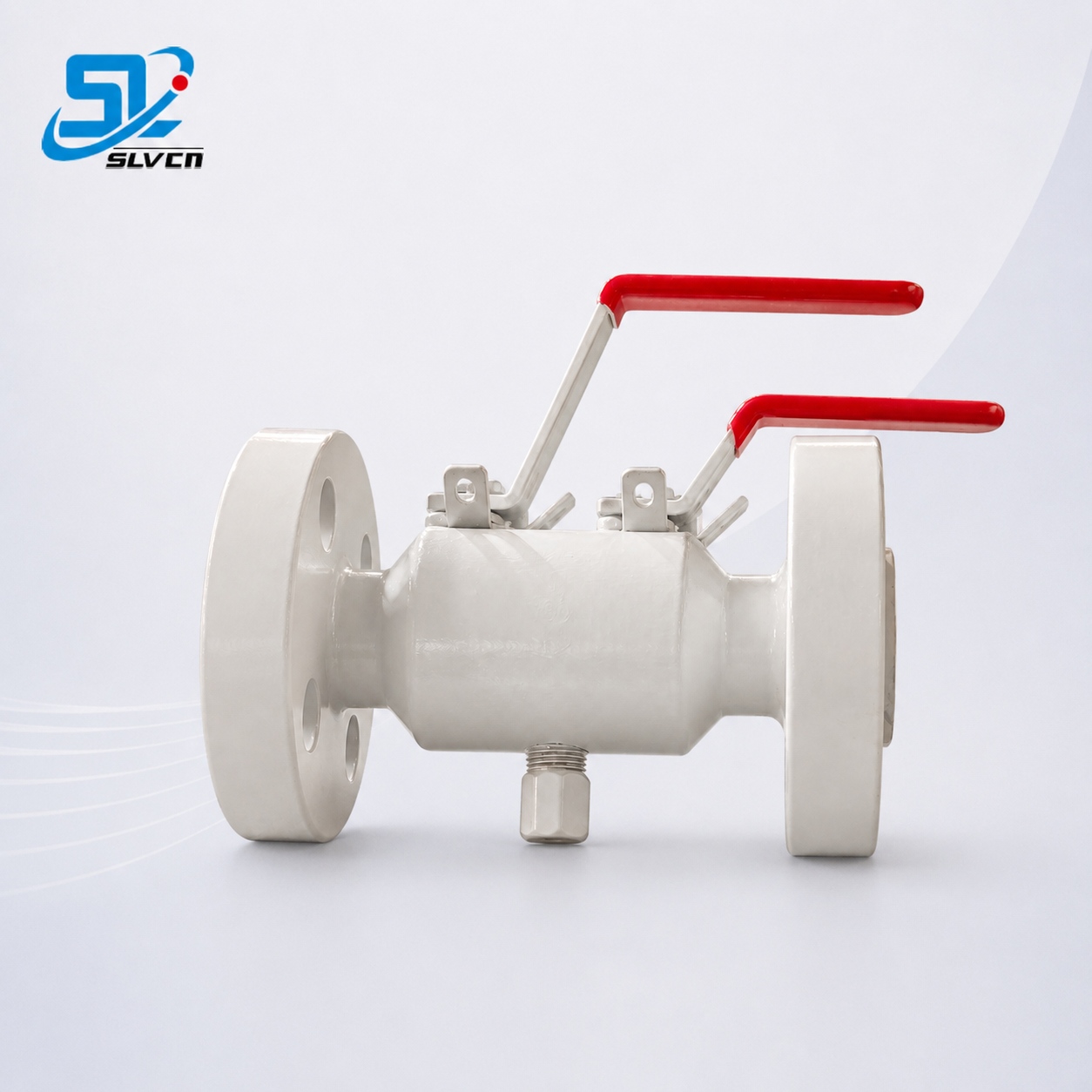
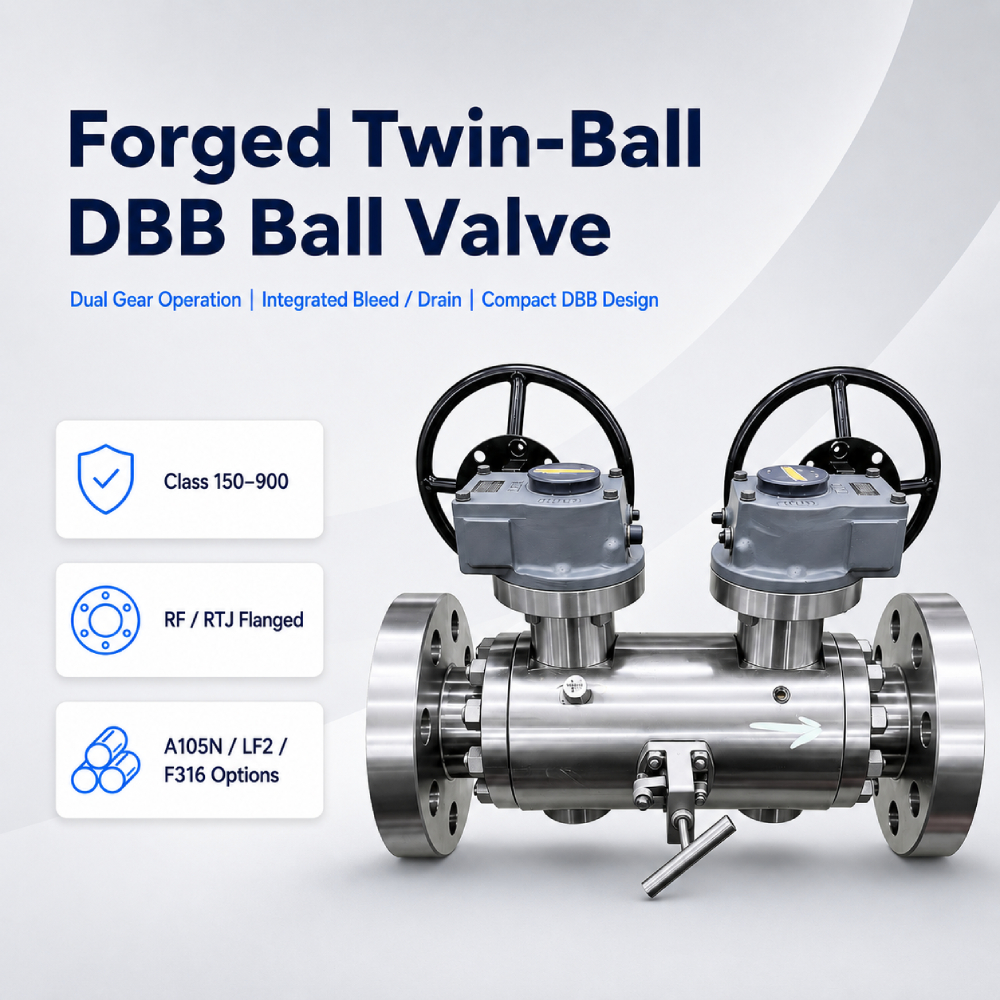
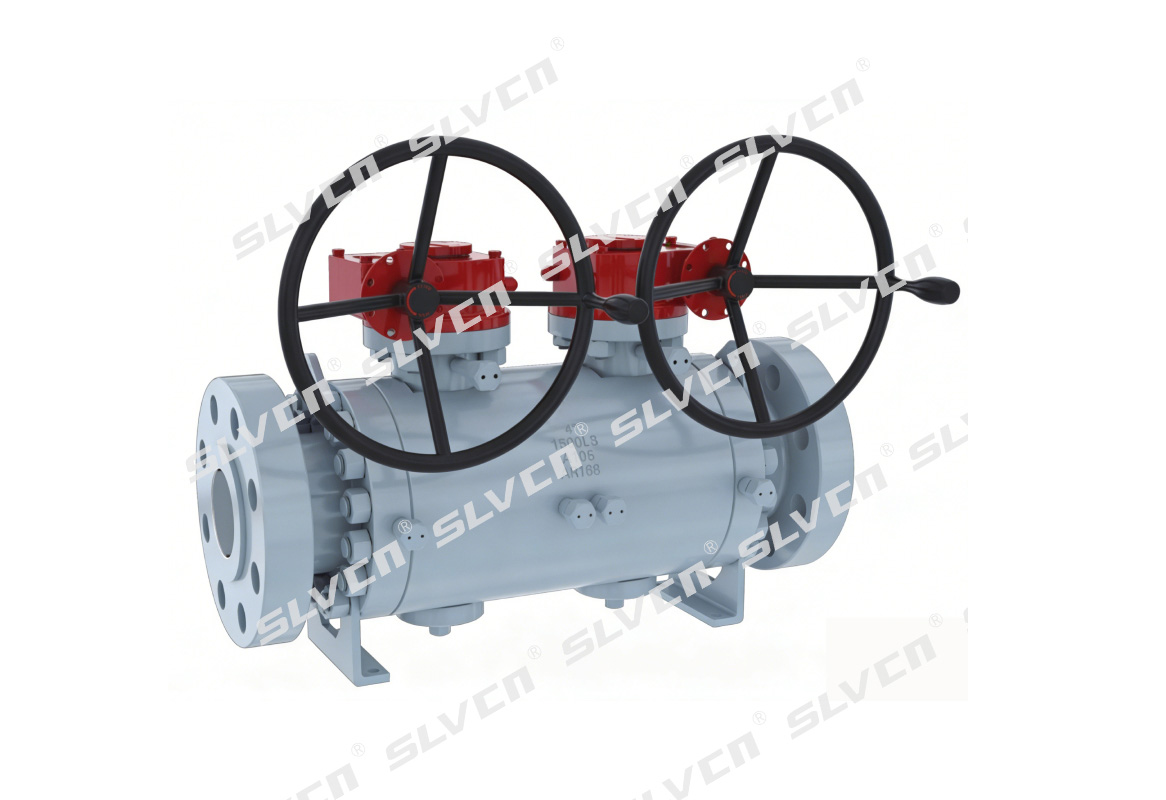
SLVCN Forged Trunnion Mounted Twin-Ball DBB Ball Valve with Dual Worm Gear Operation
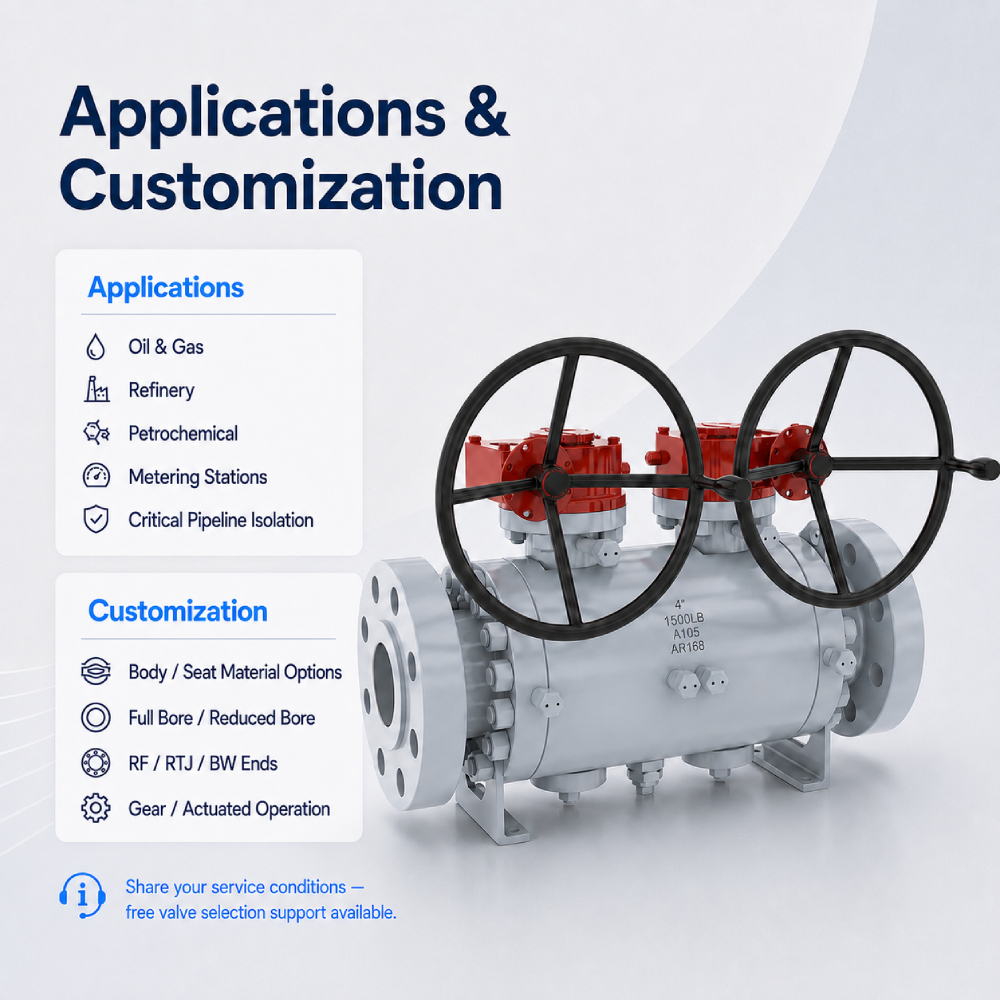
Designed for oil & gas, refinery, petrochemical, metering station, and critical pipeline isolation applications where reliable shut-off, cavity pressure release, and leakage verification are required.
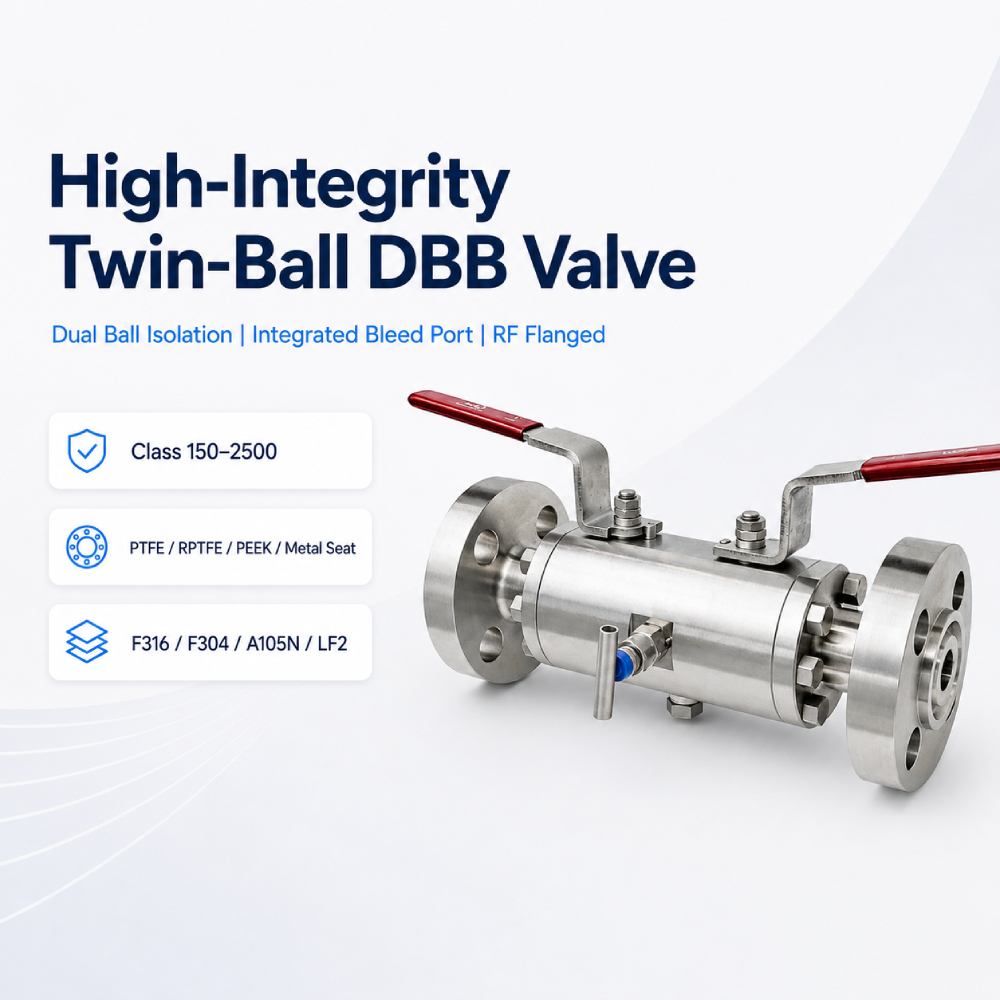
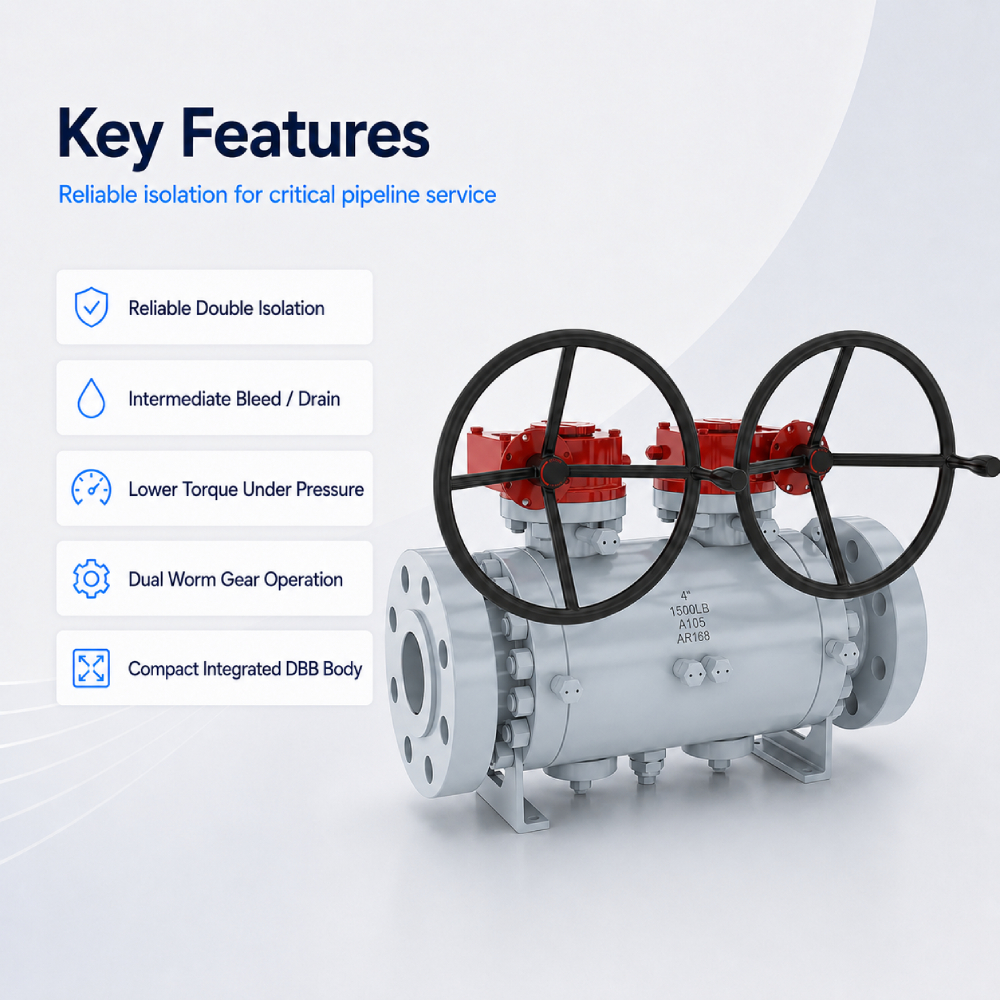
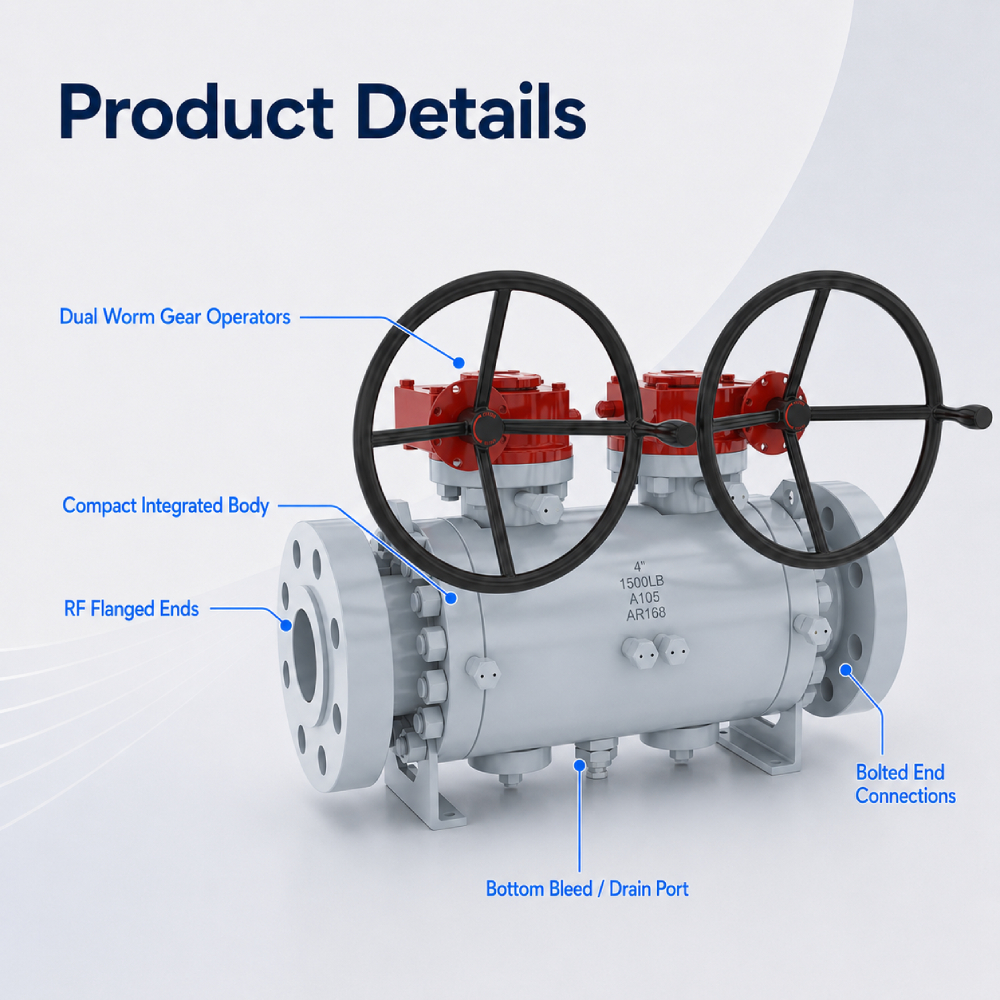
Integrated Double Isolation & Bleed: Integrates two independent trunnion mounted ball closures and an intermediate bleed/drain connection within one compact body. When both closures are shut, the intermediate cavity can be vented, drained, or monitored to verify isolation integrity prior to line intervention.
Compact & Leak-Resistant: Compared with a traditional assembly using two separate block valves and one bleed valve, this integrated DBB design significantly reduces installation space, connection points, overall weight, and potential external leak paths.
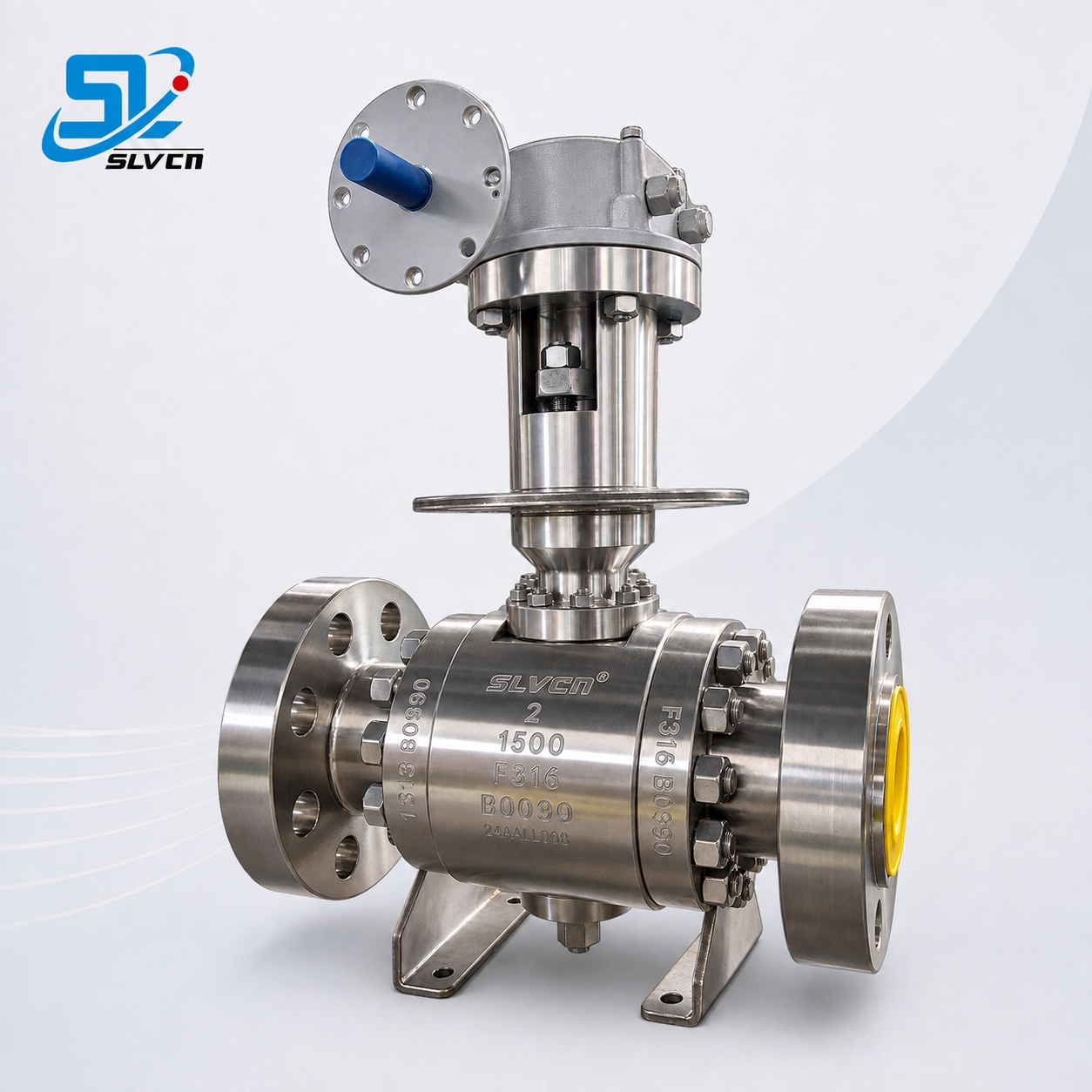
Trunnion Design & Dual Worm Gear Control: The trunnion-mounted structure mechanically supports the balls under high pressure, lowering operating torque and ensuring sealing stability. Dual worm gear operators deliver smooth, independent manual control over each ball.
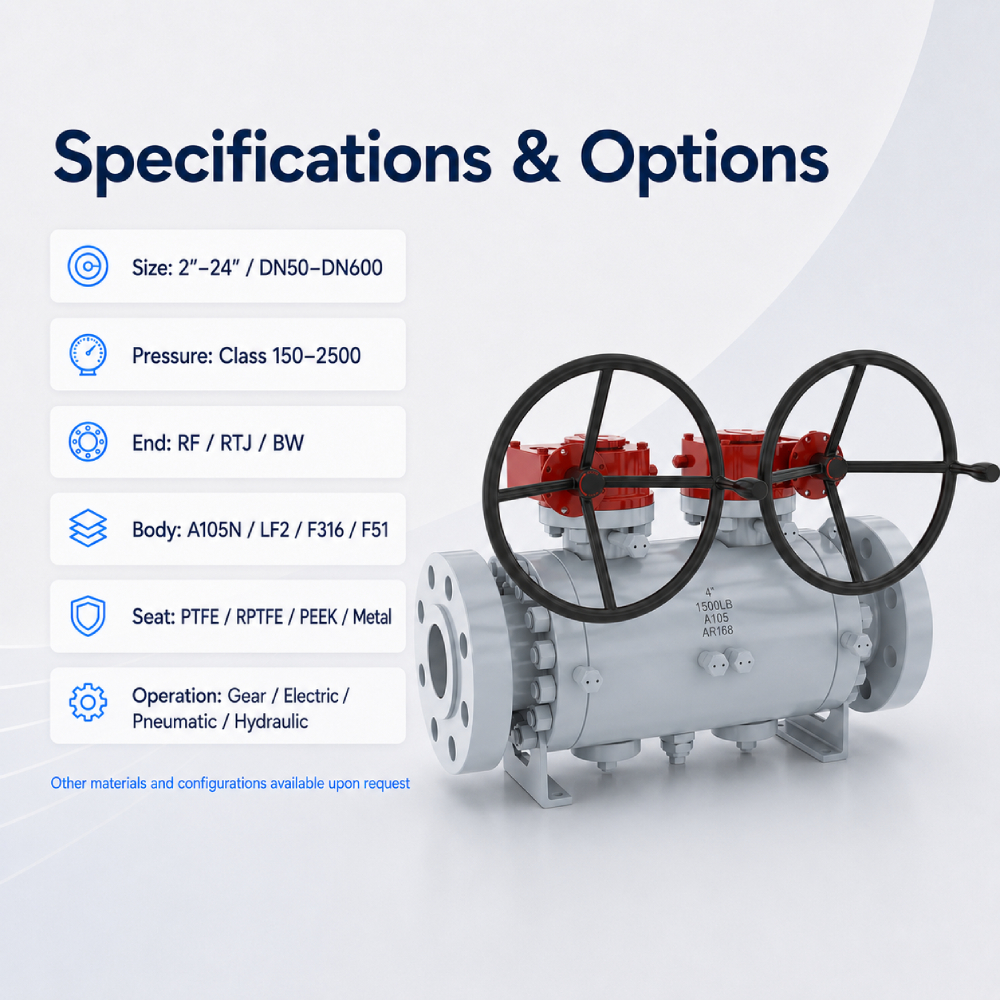
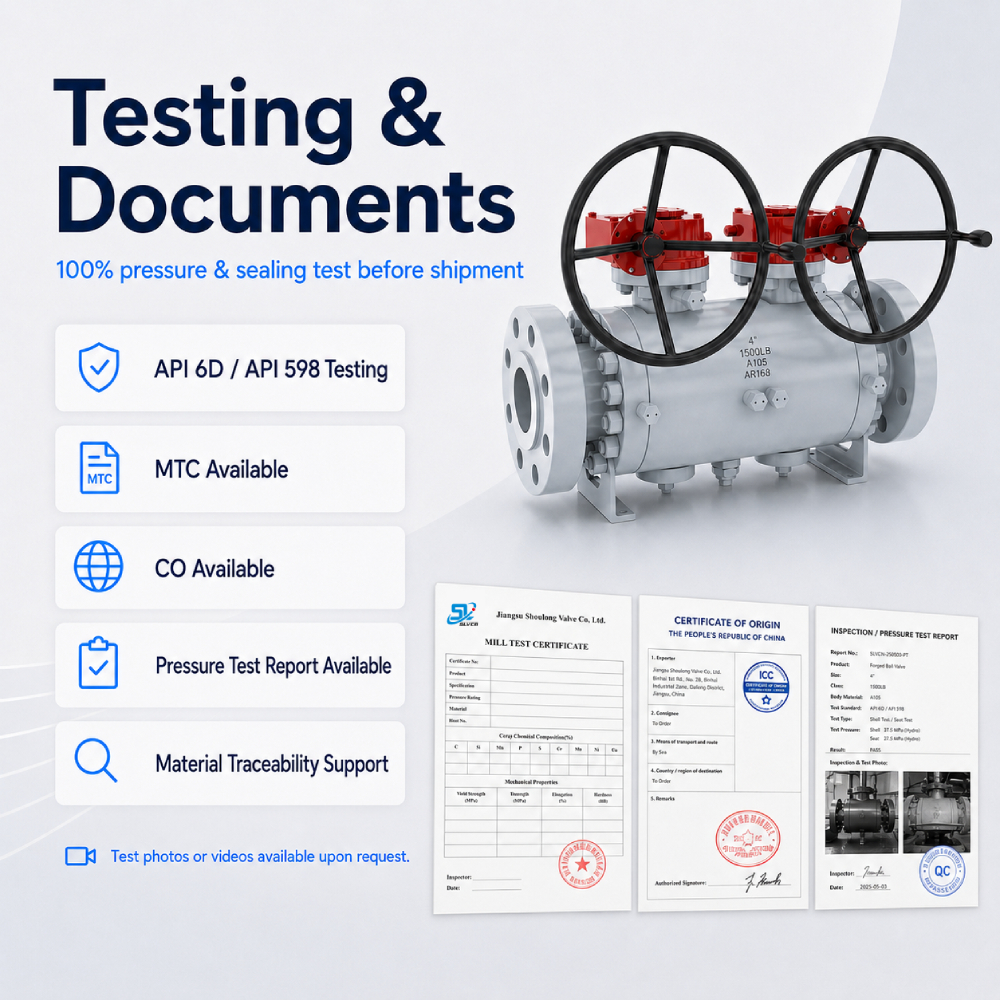
Customization & Configuration Options: Soft seated and metal seated configurations are available depending on medium, pressure, temperature, and leakage requirements. Body material, seat material, pressure class, end connection, bore type, bleed arrangement, operation method, and testing requirements can be customized according to project specifications.
Frequently Asked Questions
Q: What is the primary purpose of a Twin-Ball DBB valve?
It provides double positive isolation and cavity bleed capability in a single valve body, allowing safe line depressurization, leakage verification, and critical pipeline maintenance in oil, gas, and petrochemical systems.
Q: How does an integrated DBB valve compare to conventional three-valve hookups?
The single-body DBB valve significantly reduces physical envelope space, total pipeline weight, piping flanged connections, and potential leak paths compared to using two separate isolation valves with an independent bleed valve.
Q: Why is the trunnion-mounted ball design beneficial for high pressures?
The trunnion structure anchors the balls in place, absorbing pipeline hydraulic load. This prevents excessive friction on the seats, decreases operating torque, and ensures long-term sealing stability under elevated pressures.
Q: How does the dual worm gear operator work?
The valve features two independent worm gearboxes, allowing operators to manually open, close, and modulate each ball closure separately with smooth, high-mechanical-advantage control.
Q: What seating options and custom configurations are available?
Both soft seated and metal seated options are available. In addition, body/seat materials, bore dimensions, pressure ratings, flange/weld end connections, bleed configurations, and testing methods can be fully customized.