


Leave Your Message
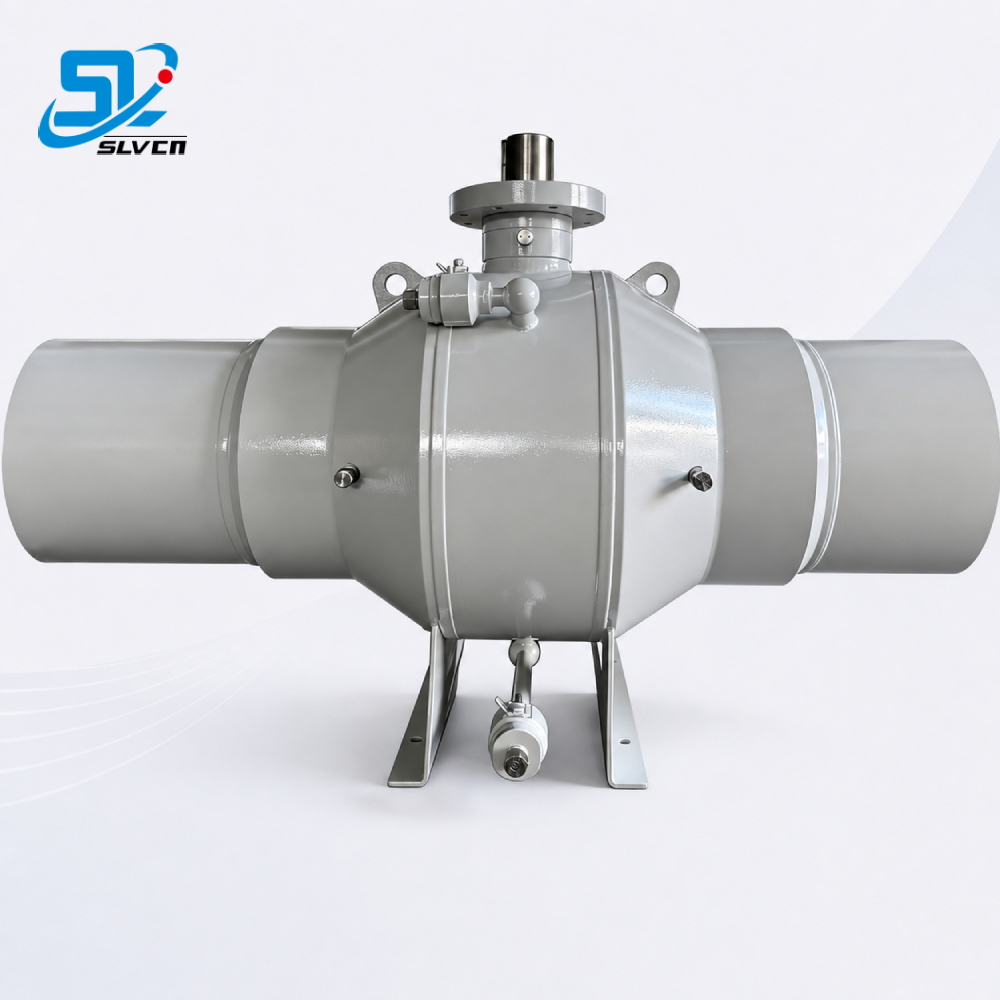
Offshore oil and gas platforms operate in some of the most unforgiving environments on Earth. Exposed to continuous marine atmospheres, high wave impacts, structural vibrations, and extreme pressure differentials, these facilities require piping components that guarantee absolute pressure boundary integrity. A butt welded valve for offshore oil and gas platforms serves as a vital component in minimizing potential leak paths, providing a continuous, homogeneous metal connection between the valve body and the pipeline.
Unlike flanged connections, which are susceptible to bolt relaxation, gasket degradation, and crevice corrosion in saline environments, butt-welded connections eliminate the mechanical joint altogether. This design significantly reduces the risk of fugitive emissions, ensuring compliance with strict environmental regulations and protecting the safety of offshore personnel.
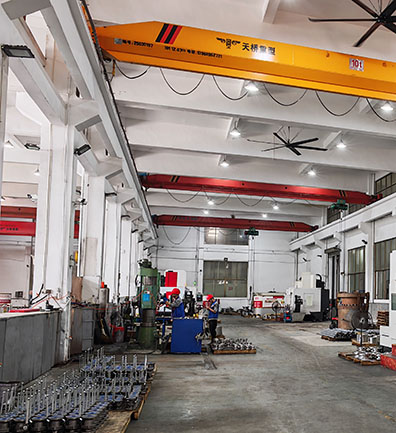
Offshore facilities are complex, integrated processing plants packed into extremely tight footprints. The selection of butt welded valves is highly strategic, focusing on systems where maintenance access is difficult, and safety risks are high.
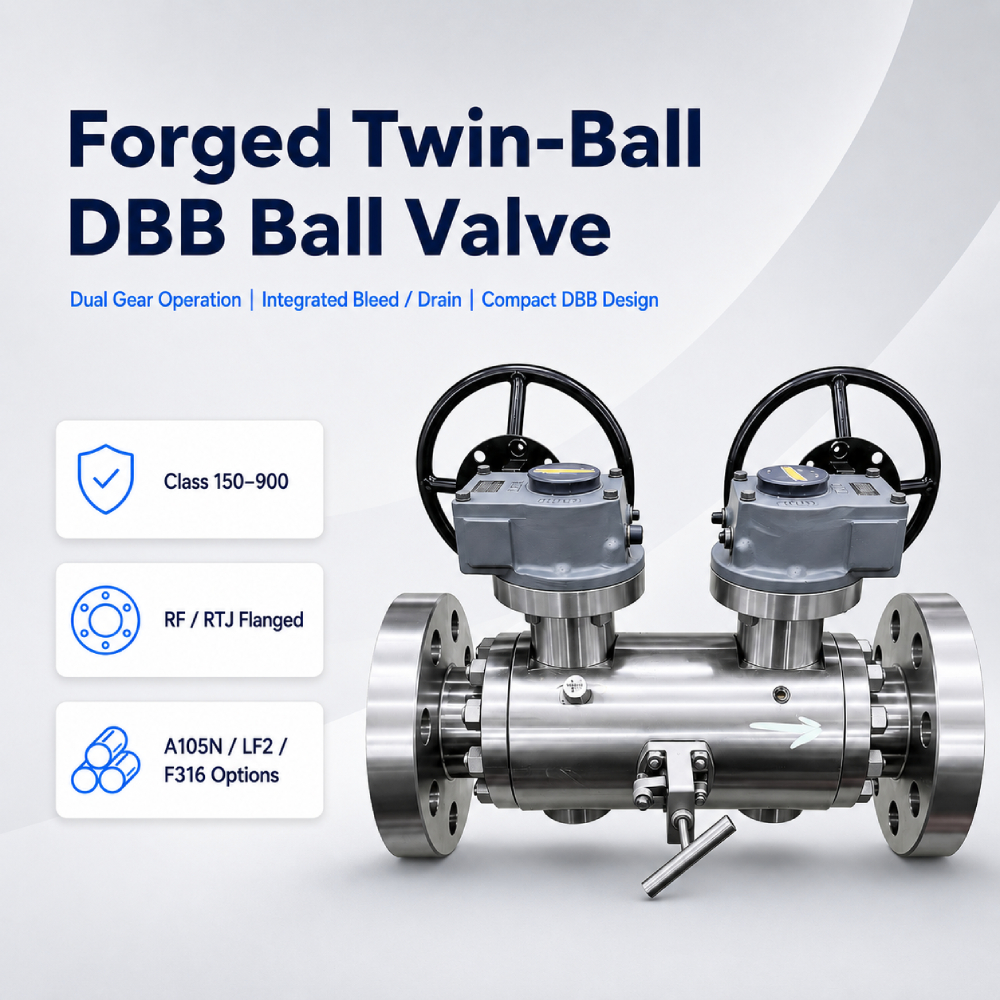
On the topside deck of an offshore platform, crude oil, natural gas, and water are separated under high pressures. Gas compression modules raise the pressure of natural gas for export or reinjection. Butt welded valves, especially those featuring Double Block and Bleed (DBB) structures, are used to isolate high-pressure gas streams. By welding the valve directly into the manifold, operators ensure that high-frequency vibrations from reciprocating compressors do not loosen mechanical joints, maintaining bubble-tight isolation.
Floating Production Storage and Offloading (FPSO) units use complex turret designs to allow the vessel to weathervane freely around its moorings. The piping passing through the turret handles raw reservoir fluids at high temperatures and pressures. Butt welded valves are critical in these restricted spaces because their compact footprint and lack of bulky flanges allow for dense piping configurations, saving valuable space while maximizing structural resistance to constant sea-state motions.
Risers transport fluids from the seabed to the topside deck. The splash zone—the area of the riser exposed to alternating wet and dry marine conditions—is highly corrosive. Butt welded valves are preferred in riser systems and subsea tie-ins because they can be coated with heavy-duty anti-corrosion systems (such as thermal sprayed aluminum or fusion bonded epoxy) continuously across the weld joint, leaving no bare metal or crevices exposed to saltwater.


With over 30 years of manufacturing experience, SLVCN is a professional designer and manufacturer of high-performance forged steel ball valves for critical industrial applications. We specialize in extreme working conditions including high pressure, high temperature, and cryogenic environments, providing safe and reliable flow control solutions for global industrial projects where operational reliability is non-negotiable.
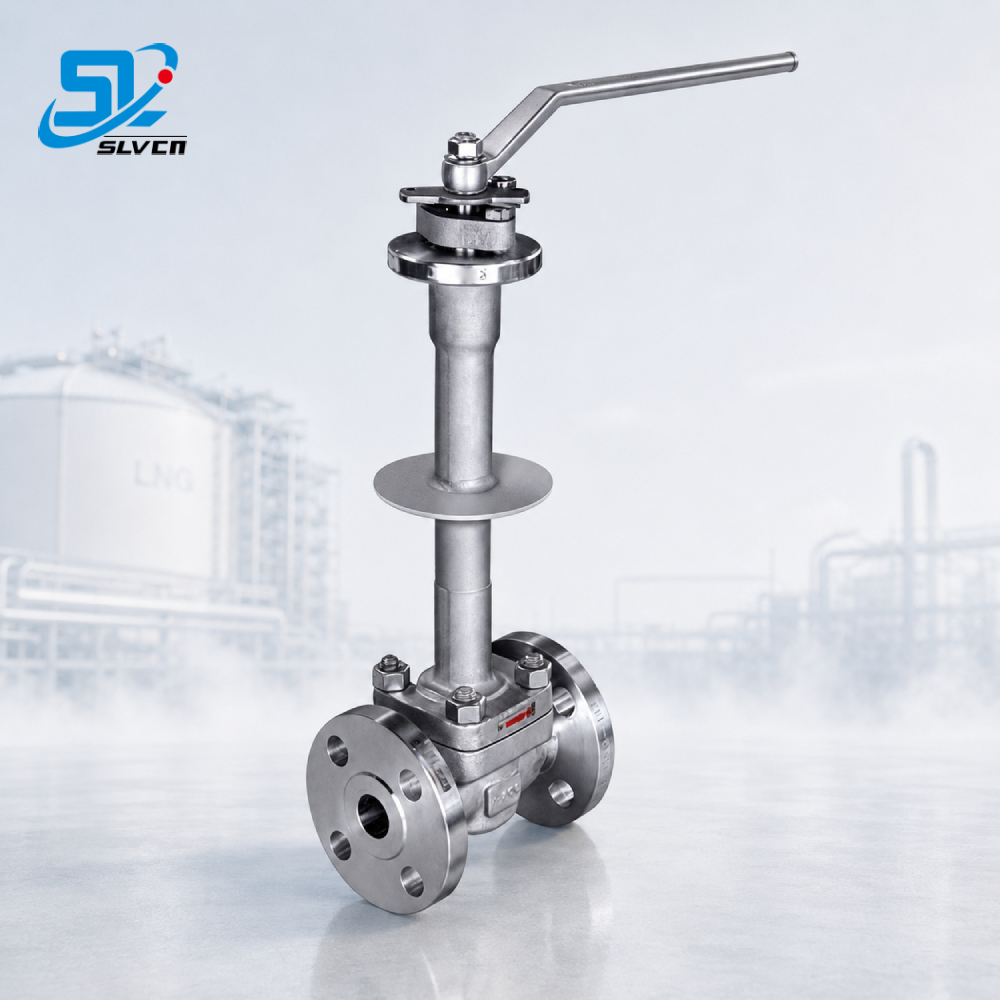
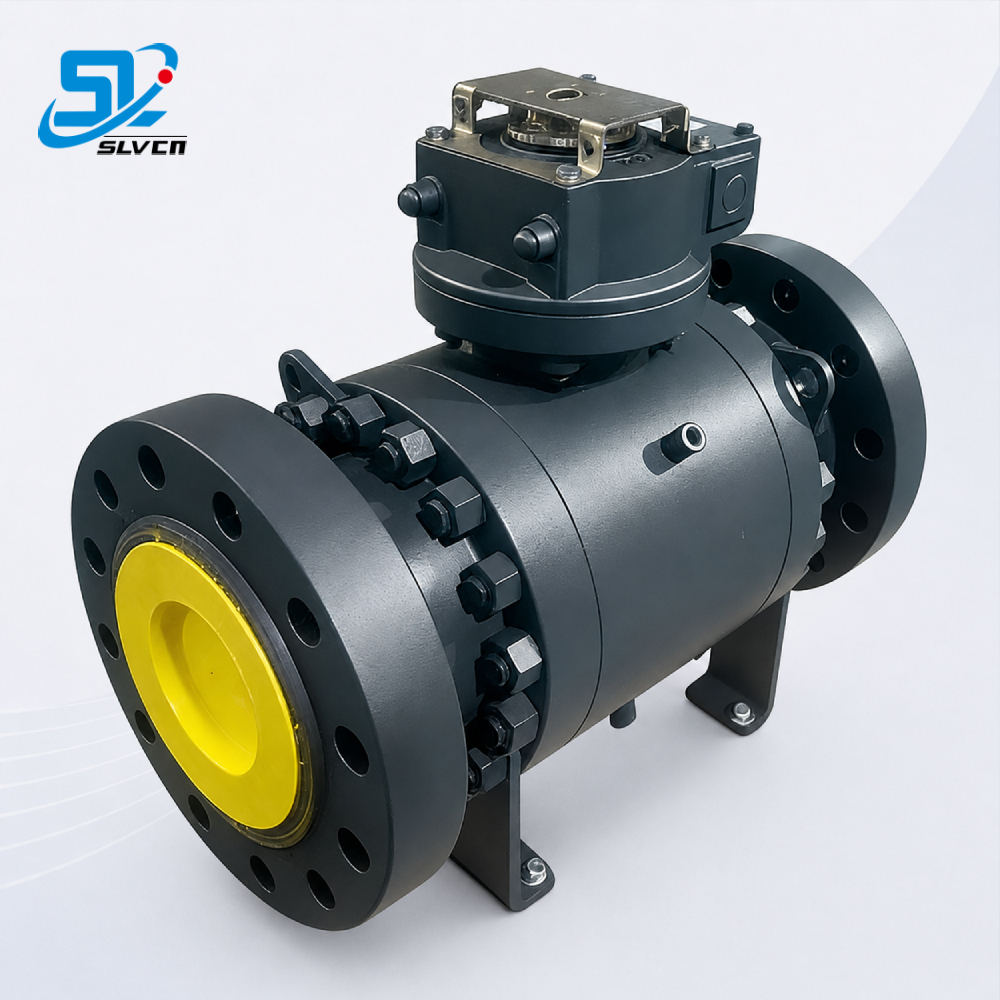
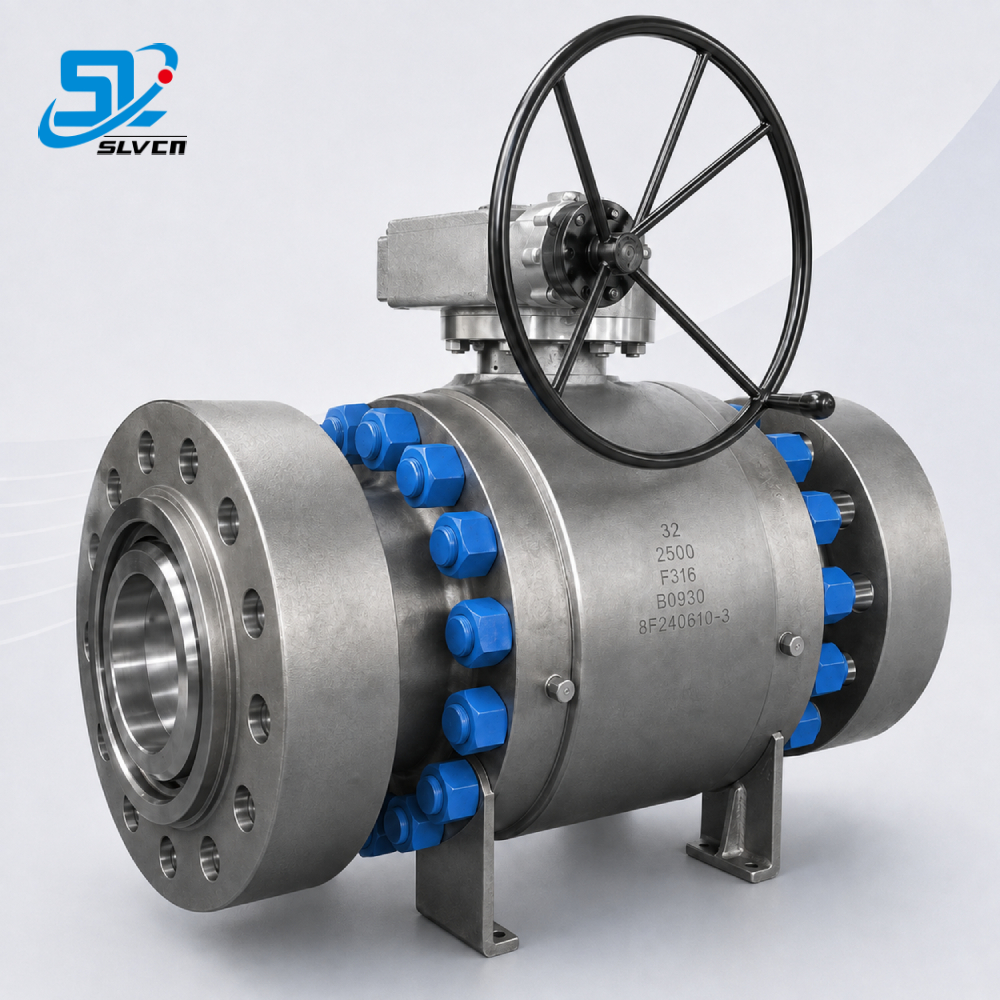
Our core product range covers forged trunnion-mounted and floating ball valves, top-entry and side-entry ball valves, fully welded ball valves, metal seated ball valves, cryogenic ball valves, high-pressure ball valves up to Class 2500 (PN420) and customized higher pressure ratings, as well as high-temperature service valves.
Contact Our Valve EngineersCompared with conventional cast valves, SLVCN forged valves feature higher material density, superior mechanical strength, improved resistance to pressure fluctuations and thermal shock, and significantly longer service life under severe service conditions.
Casting processes can introduce internal defects such as porosity, shrinkage cavities, and slag inclusions. Under the dynamic loads of an offshore platform, these defects can act as stress concentration points, eventually leading to fatigue cracking. Forging refines the grain structure of the metal, aligning the grain flow with the contours of the valve body. When this high-integrity forged body is butt-welded to the pipeline, the resulting system behaves as a single, continuous pressure vessel.
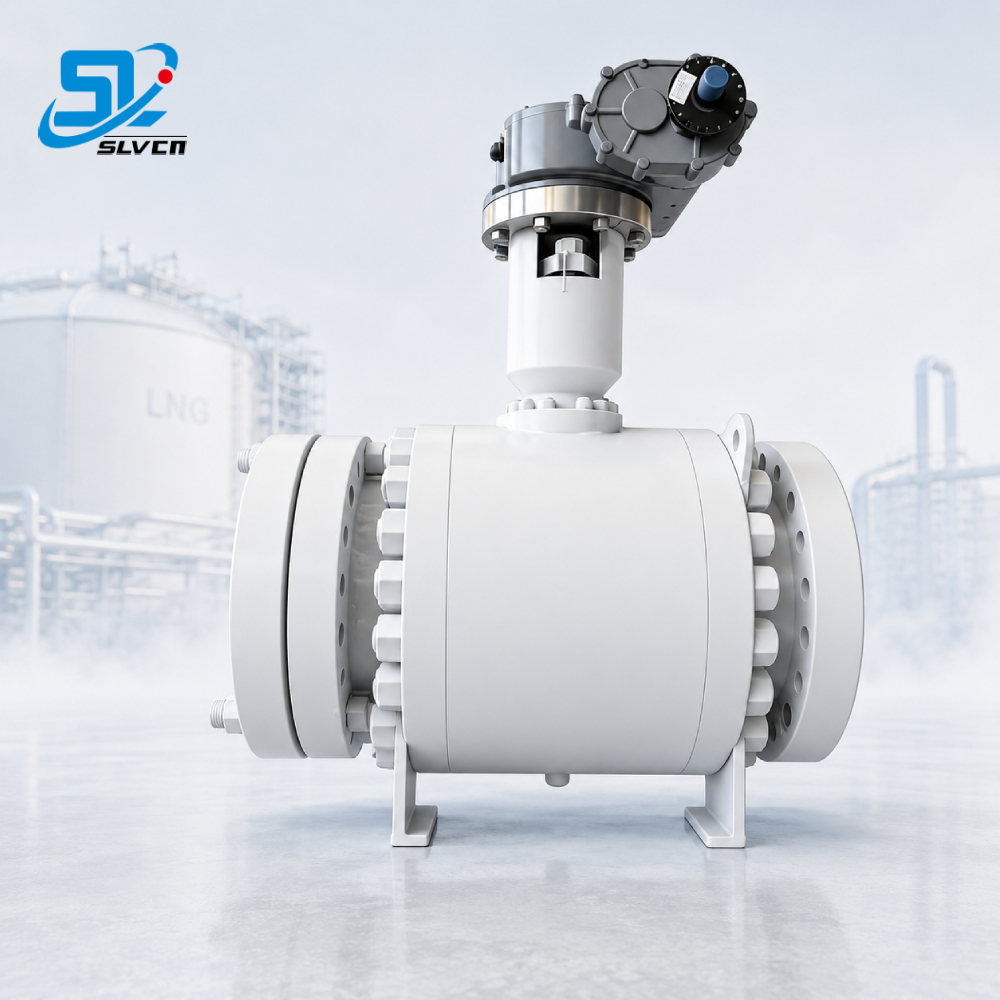
Designed for High Pressure, High Temperature, and Cryogenic Applications, SLVCN valves are widely used in long-distance oil & gas transmission pipelines, LNG storage and regasification terminals, offshore platforms and deepwater projects, power plants, refineries, compressor stations, and high-pressure chemical processing units.
Whether handling flammable media, corrosive fluids, sour service media (H₂S), ultra-low temperatures, or extreme differential pressures, our valves ensure stable operation, bubble-tight shut-off, and maximum system safety in accordance with international sealing and performance standards.

Safety and reliability are embedded in every design. Our forged ball valves are equipped with Double Block and Bleed (DBB) structures, anti-blowout stems, fire-safe designs in accordance with API 607 / API 6FA, anti-static devices, emergency sealing systems, and pressure-balanced seating structures suitable for high differential pressure operation.
Valves can be designed with Single Piston Effect (SPE) or Double Piston Effect (DPE) seat configurations based on application requirements. For sour service environments, materials and sealing systems comply with NACE MR0175 / ISO 15156 requirements, preventing sulfide stress cracking in offshore pipelines handling untreated sour crude.
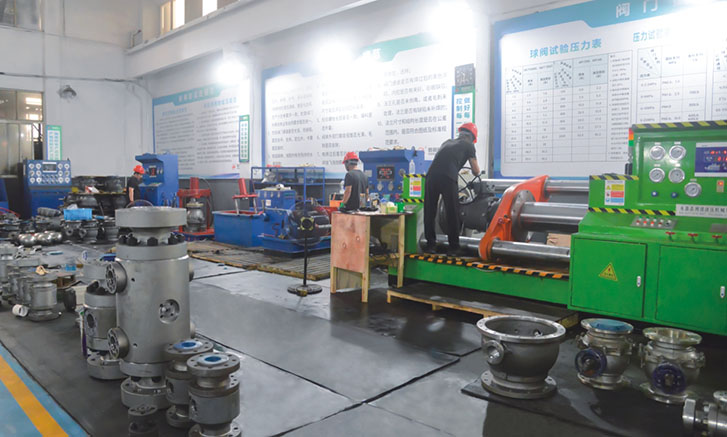
To ensure consistent quality, each valve undergoes a complete series of inspections and performance tests in accordance with API 6D, API 598, and ISO 5208. This includes:
SLVCN operates dedicated cryogenic testing facilities to validate valve performance at ultra-low temperatures down to −196°C. SLVCN is certified to ISO 9001, CE, and API standards, and our products comply with API 6D, ASME B16.34, DIN, ANSI, and JIS specifications.
We provide extensive customization capabilities covering sizes from 1/2” to 36”, full bore or reduced bore, special materials including A105, LF2, F11, F22, F51, Inconel cladding, various soft and metal seat designs, and intelligent actuation with pneumatic, electric, and gear operators.
The offshore oil and gas industry is undergoing a transition towards deeper water depths and unmanned facilities. This shift impacts valve specifications in three major ways:
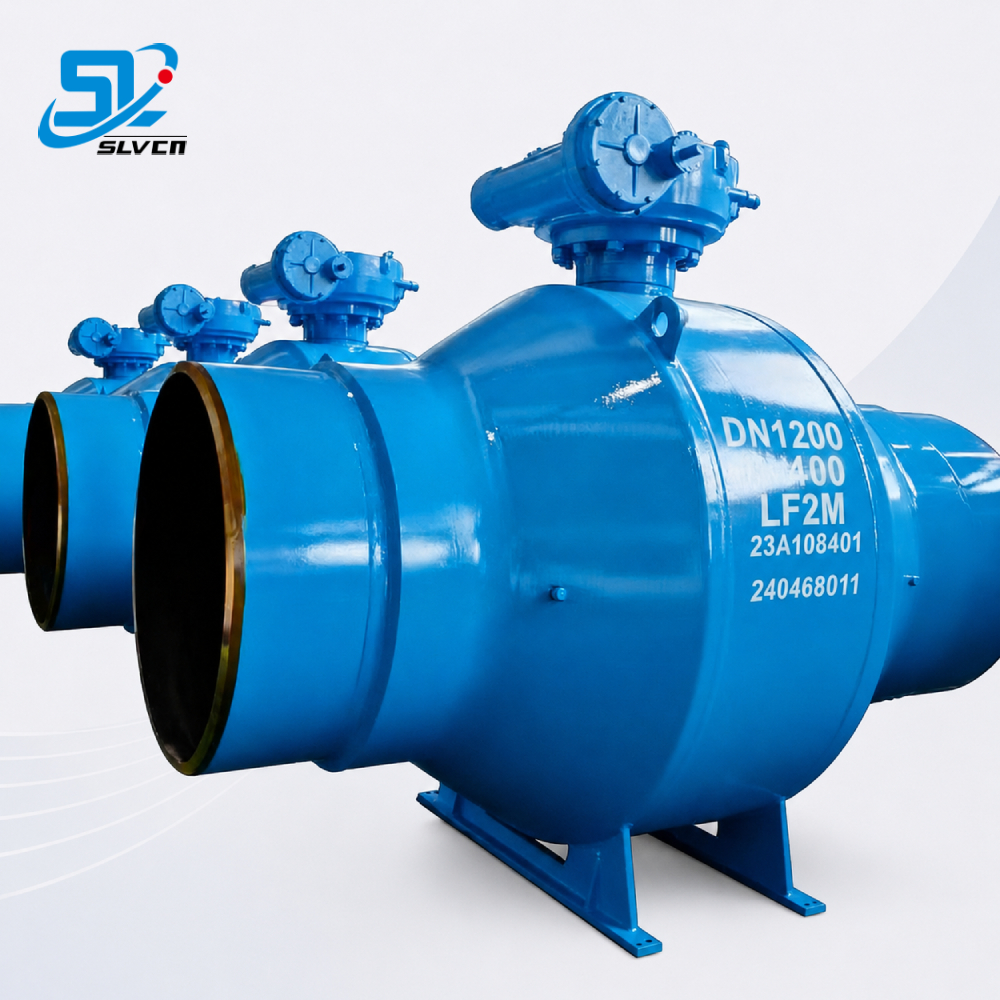
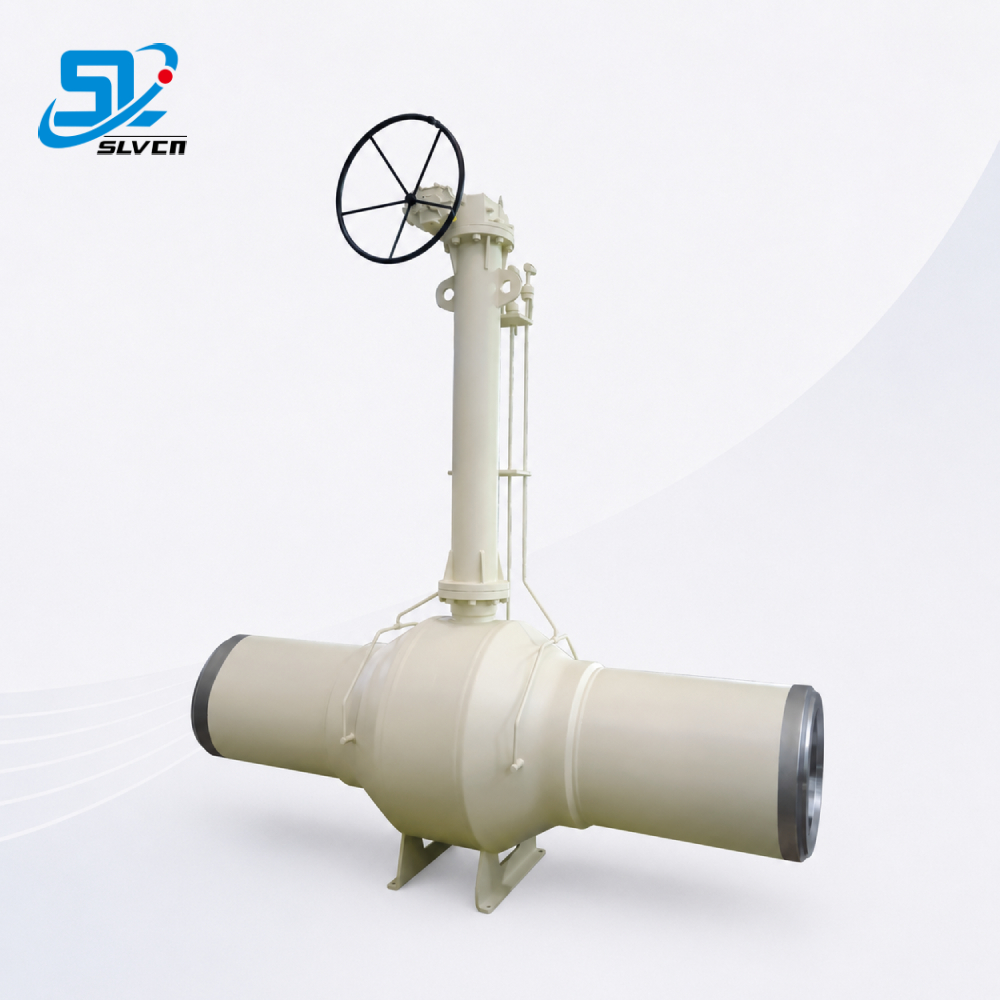
For critical isolation in deepwater manifolds, operators are moving away from bolted body designs. Fully welded body designs, combined with butt-weld ends, eliminate all external joint leak paths. This ensures the body joints cannot loosen due to thermal expansion or external piping bending moments, making them ideal for permanent subsea burial or low-maintenance topside installations.
With the development of high-pressure, high-temperature (HPHT) reservoirs containing high levels of CO2 and H2S, carbon steel is no longer sufficient. Modern offshore projects specify super duplex stainless steels (F53, F55) or nickel alloys (Inconel 625 cladding) for the wetted parts. The butt-welding process for these materials requires precise welding procedures and post-weld heat treatment (PWHT) to maintain corrosion resistance.
Today, SLVCN serves customers in more than 100 countries and regions, supplying valves to EPC contractors, engineering companies, and end users across Europe, the Middle East, Southeast Asia, and the Americas. Backed by strong engineering expertise, advanced manufacturing, and rigorous quality control, SLVCN is committed to delivering safe, durable, and truly engineered valve solutions for the world’s most demanding industrial projects.


 18061659285

