Leave Your Message
Explore our top-tier forged steel solutions designed to withstand extreme thermal shocks, pressure fluctuations, and highly corrosive chemical media.
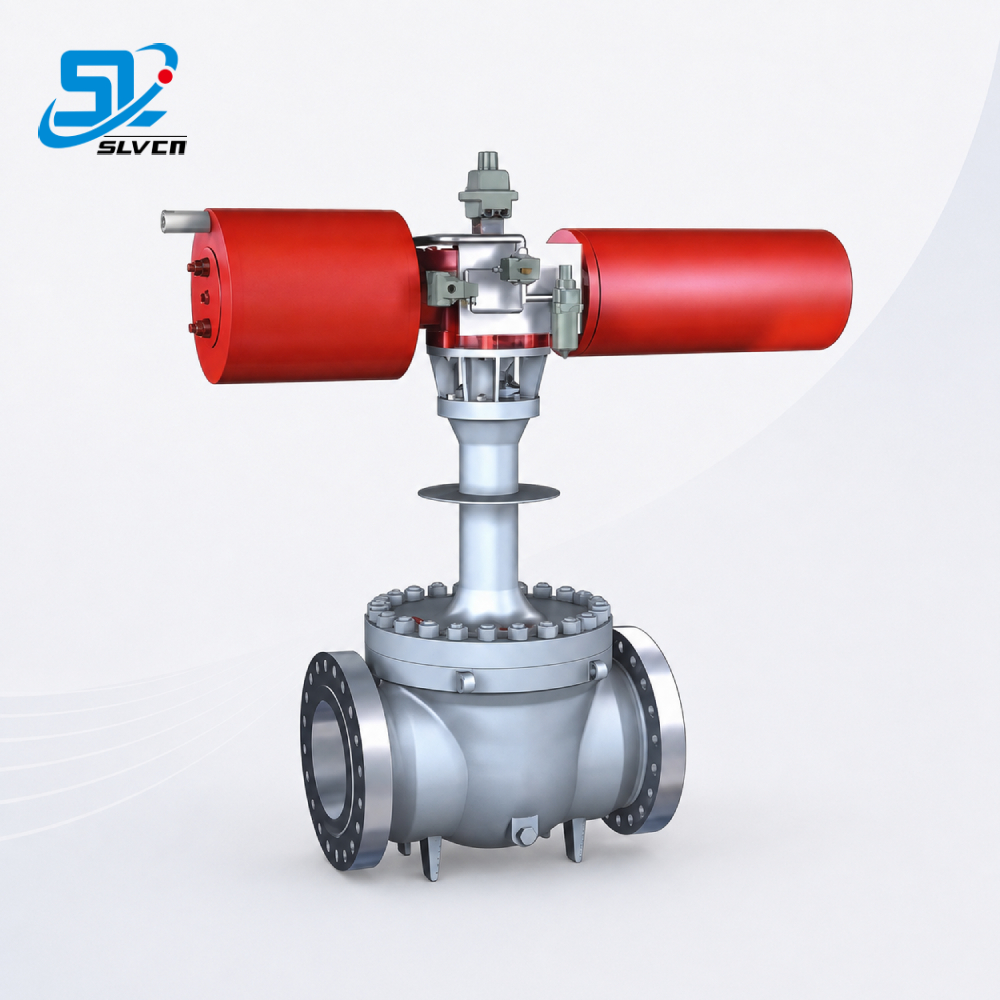
In modern chemical processing plants, process safety management (PSM) is the cornerstone of operational continuity and environmental protection. Among the various piping components, valves are critical nodes that regulate highly hazardous chemicals (HHCs), toxic media, and flammable gases under extreme pressures and temperatures. Butt welded valves have emerged as the standard specification for high-risk zones where any form of fugitive emission or joint failure could result in catastrophic consequences.
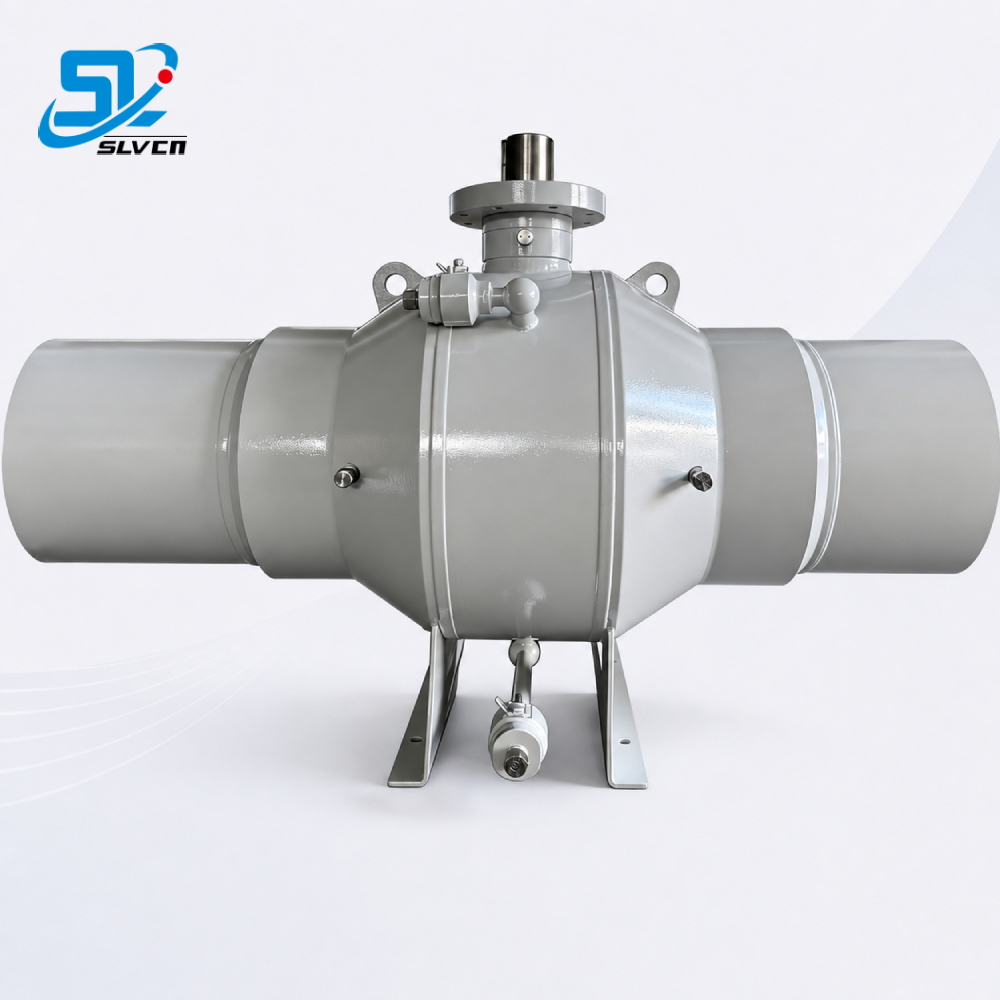
Unlike traditional flanged connections, which rely on gaskets and bolting preloads that can degrade under thermal cycling or structural stresses, a butt welded valve is directly fused into the piping system. This creates a continuous, metal-to-metal structural bond that completely eliminates leak paths at the joint interface. In chemical environments processing volatile organic compounds (VOCs), hydrogen gas, or hydrofluoric acid, the integrity of a butt-welded joint provides the ultimate defense against hazardous exposure.
Fugitive emissions account for over 50% of a chemical facility's overall VOC losses, with valve stem and body joints being the primary contributors. By utilizing a butt welded configuration, engineers can secure a maintenance-free joint that eliminates the need for periodic bolt tightening and gasket replacements, lowering the total cost of ownership (TCO) while ensuring strict compliance with EPA and OSHA clean air regulations.
The implementation of butt welded valves is highly targeted toward specific process sections where piping stresses, temperature fluctuations, and fluid characteristics make mechanical connections unsafe.
Hydrogen molecules are extremely small and highly prone to escaping through microscopic pathways in gaskets. Under high temperatures and pressures, hydrogen can also cause standard steel to suffer from hydrogen embrittlement. Forged steel butt welded valves provide a uniform, dense grain structure that resists hydrogen permeation. Direct welding ensures that the joint does not become a weak point under severe pressure cycles.
Ethylene cracking plants operate at extreme temperatures, ranging from cracking furnace temperatures to cryogenic separation processes. Thermal expansion and contraction can cause flanged joints to warp and leak. Butt welded valves expand and contract dynamically at the same rate as the surrounding piping system, maintaining system integrity through thousands of thermal cycles.
In sulfuric, nitric, and hydrochloric acid production, crevice corrosion is a major threat at gasket seats. A butt-welded joint eliminates crevices entirely, ensuring smooth fluid dynamics and preventing the accumulation of corrosive agents. The lack of gaskets also reduces the risk of chemical degradation of sealing elements, protecting both personnel and equipment.

 SLVCN
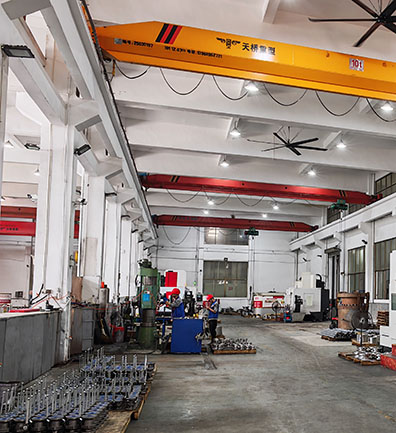
With over 30 years of manufacturing experience, SLVCN is a professional designer and manufacturer of high-performance forged steel ball valves for critical industrial applications. We specialize in extreme working conditions including high pressure, high temperature, and cryogenic environments, providing safe and reliable flow control solutions for global industrial projects where operational reliability is non-negotiable.
Our engineering excellence focuses heavily on fabricating valves that seamlessly integrate into welded piping networks, ensuring that our butt-weld ends (complying with ASME B16.25) match the exact schedule and metallurgy of the host pipelines.
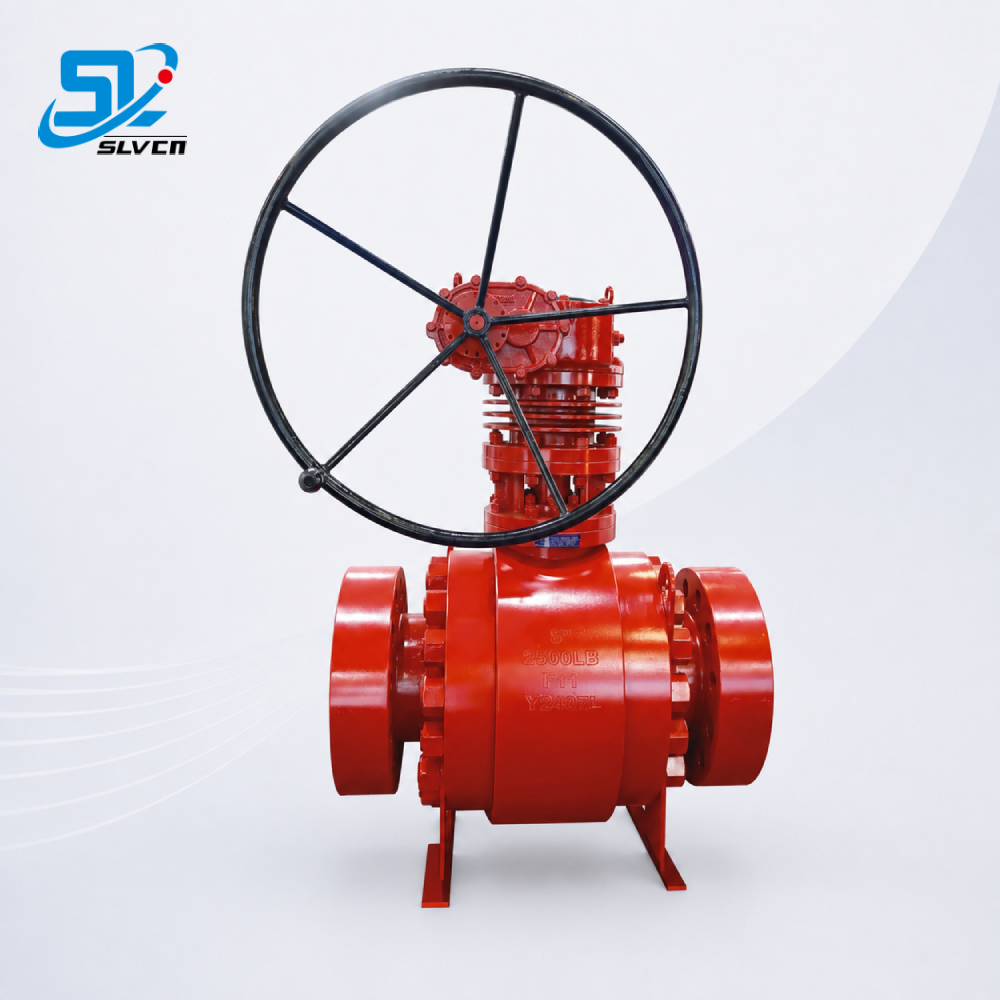
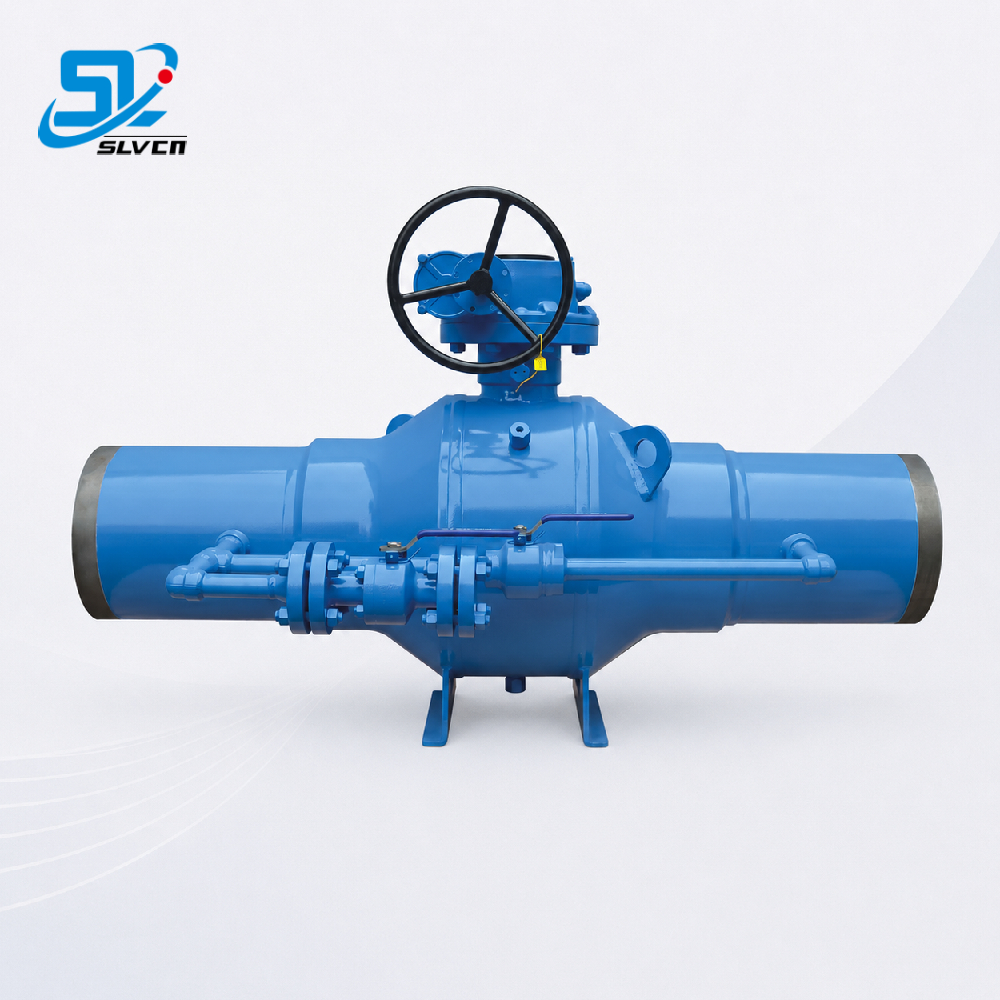
Our core product range covers forged trunnion-mounted and floating ball valves, top-entry and side-entry ball valves, fully welded ball valves, metal seated ball valves, cryogenic ball valves, high-pressure ball valves up to Class 2500 (PN420) and customized higher pressure ratings, as well as high-temperature service valves. Compared with conventional cast valves, SLVCN forged valves feature higher material density, superior mechanical strength, improved resistance to pressure fluctuations and thermal shock, and significantly longer service life under severe service conditions.
When selecting a butt welded valve for chemical plants, material compatibility is paramount. SLVCN utilizes premium forged materials such as ASTM A105, LF2 (for low temperatures), F11, F22, F51 (duplex stainless steel), and high-nickel alloys like Inconel and Hastelloy. The forged body structure guarantees zero porosity, preventing intergranular corrosion and localized pitting that can be caused by chemical reactions at high temperatures.

Designed for High Pressure, High Temperature, and Cryogenic Applications, SLVCN valves are widely used in long-distance oil & gas transmission pipelines, LNG storage and regasification terminals, offshore platforms and deepwater projects, power plants, refineries, compressor stations, and high-pressure chemical processing units. Whether handling flammable media, corrosive fluids, sour service media (H₂S), ultra-low temperatures, or extreme differential pressures, our valves ensure stable operation, bubble-tight shut-off, and maximum system safety in accordance with international sealing and performance standards.
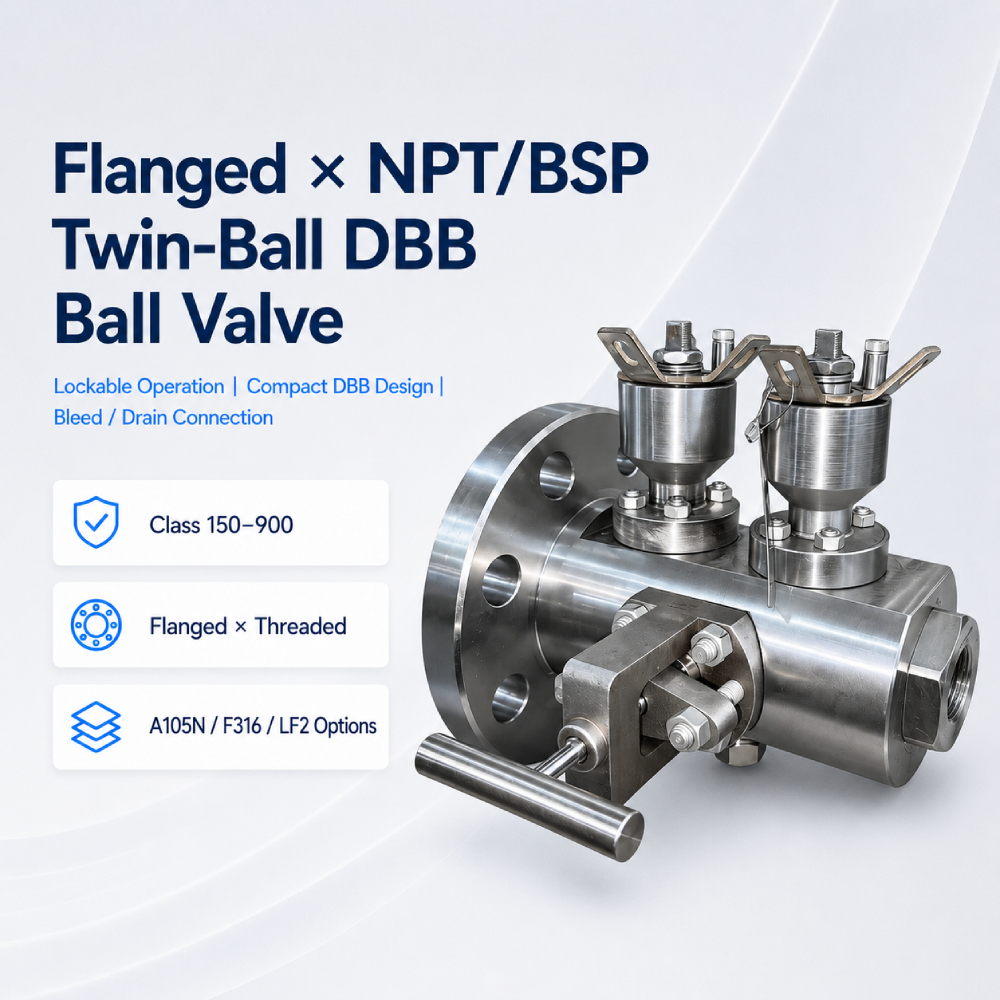
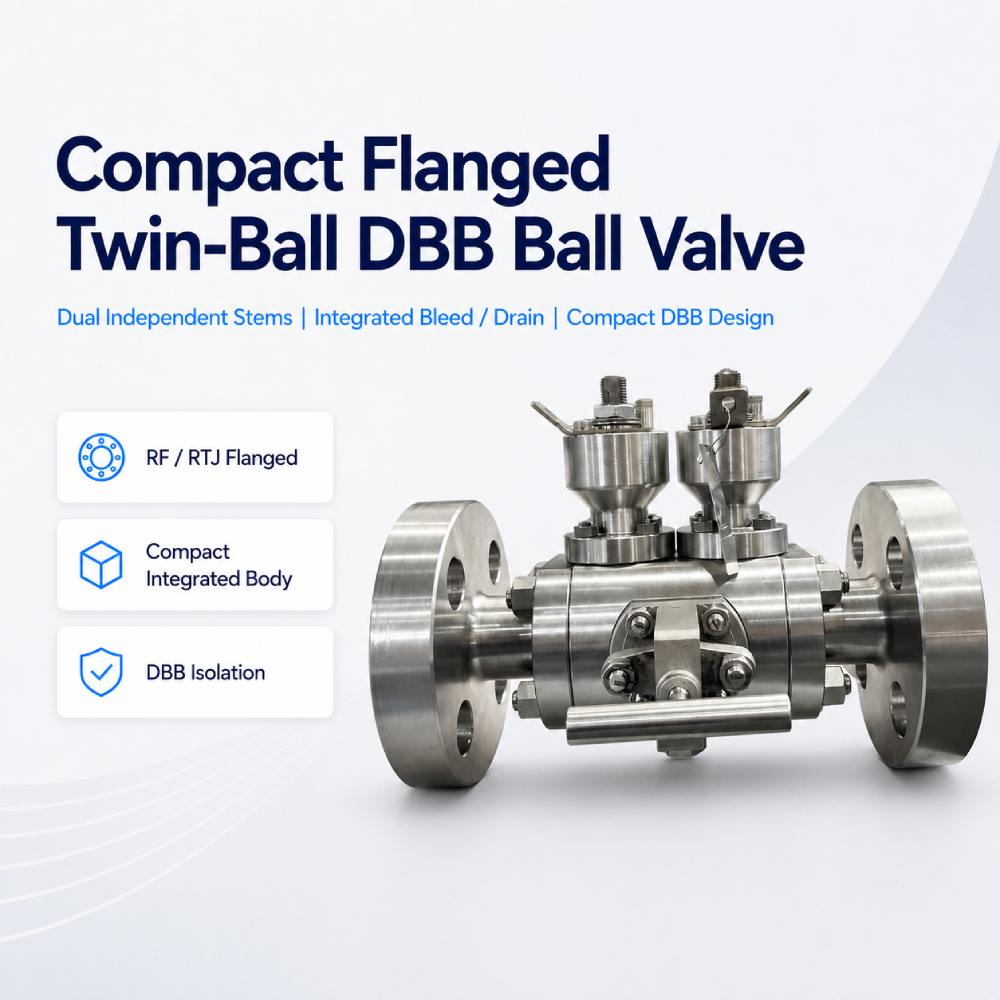
Safety and reliability are embedded in every design. Our forged ball valves are equipped with Double Block and Bleed (DBB) structures, anti-blowout stems, fire-safe designs in accordance with API 607 / API 6FA, anti-static devices, emergency sealing systems, and pressure-balanced seating structures suitable for high differential pressure operation. Valves can be designed with SPE or DPE seat configurations based on application requirements. For sour service environments, materials and sealing systems comply with NACE MR0175 / ISO 15156 requirements.
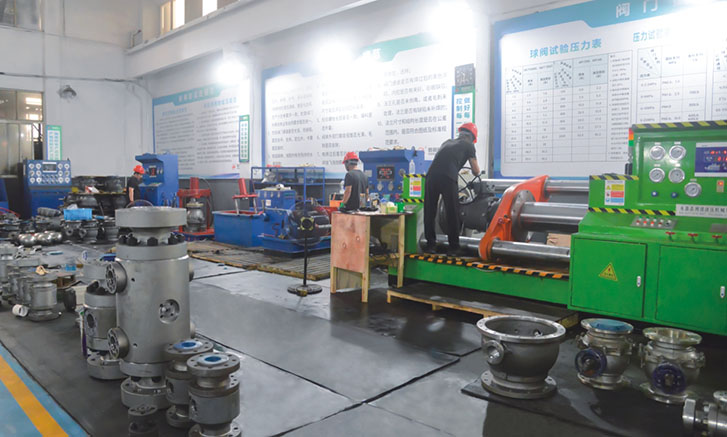
To ensure consistent quality, each valve undergoes a complete series of inspections and performance tests in accordance with API 6D, API 598, and ISO 5208, including shell test, seat leakage test (Rate A / zero visible leakage), fire-safe test, cryogenic test, operational torque test, dimensional inspection, and PMI material verification. SLVCN operates dedicated cryogenic testing facilities to validate valve performance at ultra-low temperatures down to −196°C.
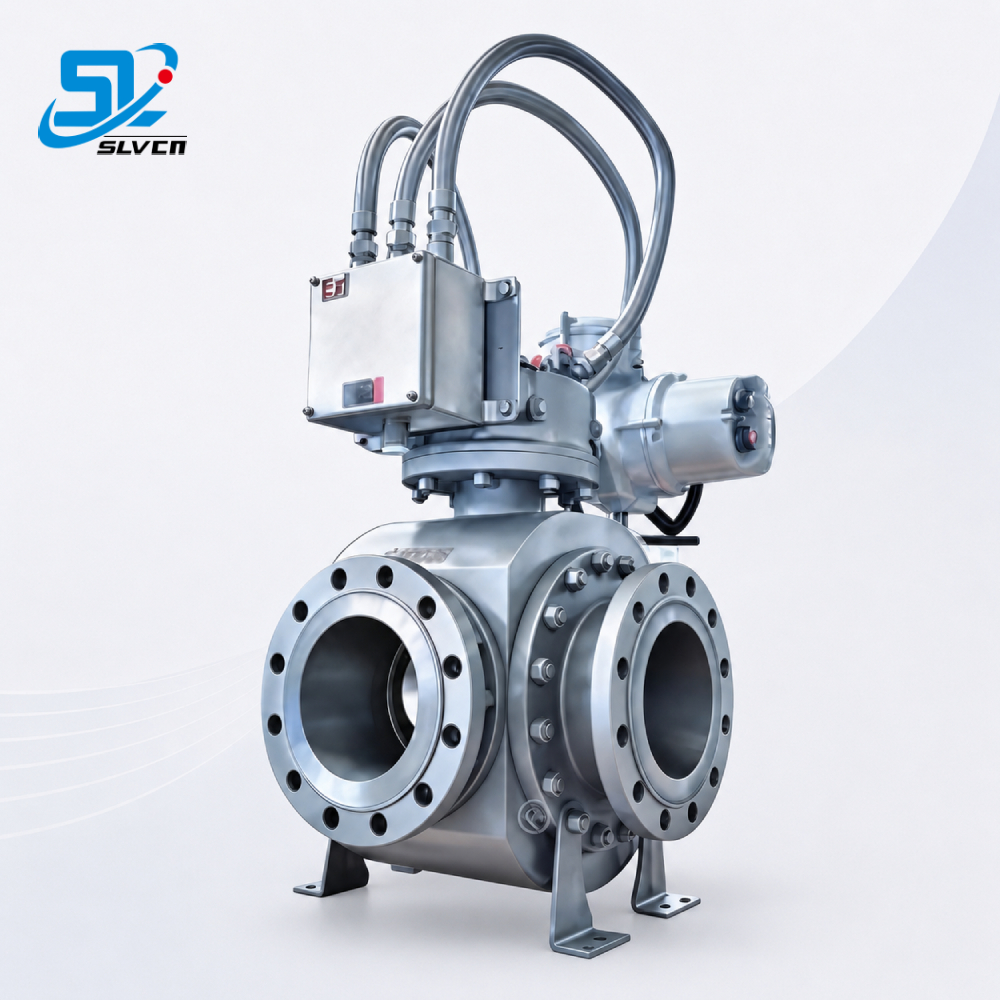
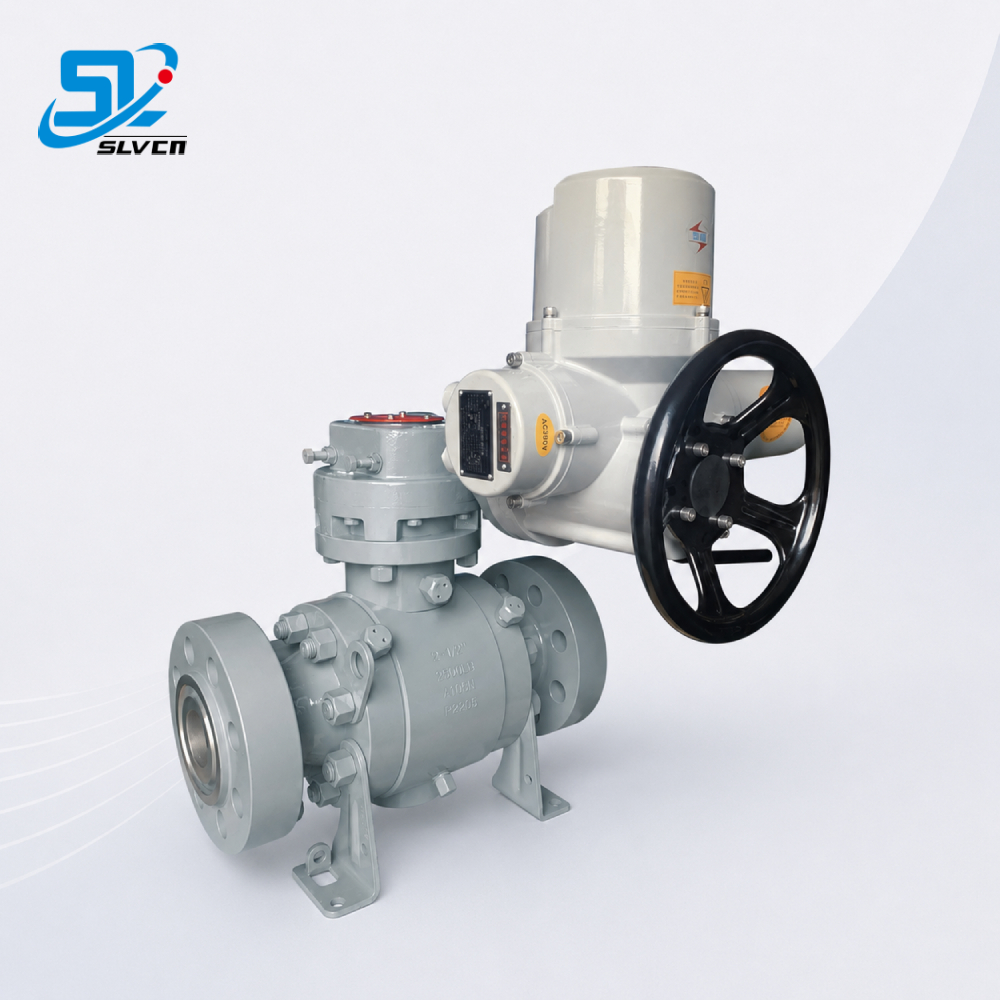
SLVCN is certified to ISO 9001, CE, and API standards, and our products comply with API 6D, ASME B16.34, DIN, ANSI, and JIS specifications. We provide extensive customization capabilities covering sizes from 1/2” to 36”, full bore or reduced bore, special materials including A105, LF2, F11, F22, F51, Inconel, various soft and metal seat designs, and intelligent actuation with pneumatic, electric, and gear operators.
As chemical plants pivot toward Industry 4.0, the integration of smart sensors on butt welded valves is accelerating. Real-time diagnostic systems monitor seat wear, stem torque deviations, and temperature profiles, allowing operators to transition from reactive maintenance to predictive maintenance.
Furthermore, the industry is seeing a strict push towards zero-emission standards (such as ISO 15848-1 Class A certification). Combined with butt-welded bodies that completely eliminate joint leaks, these advanced stem sealing systems ensure that the valve assembly remains absolutely gas-tight throughout its lifecycle, protecting the environment and ensuring plant safety.
Today, SLVCN serves customers in more than 100 countries and regions, supplying valves to EPC contractors, engineering companies, and end users across Europe, the Middle East, Southeast Asia, and the Americas. Backed by strong engineering expertise, advanced manufacturing, and rigorous quality control, SLVCN is committed to delivering safe, durable, and truly engineered valve solutions for the world’s most demanding industrial projects.
Our engineering team works closely with plant designers to ensure that the butt weld preparation (ASME B16.25) exactly matches the wall thickness (Schedule 40, 80, 160, or XXS) of the pipeline. We provide comprehensive documentation, including Material Test Reports (MTRs), NDT reports (Radiographic Testing, Ultrasonic Testing), and pressure test certificates, ensuring seamless integration into your project's quality management system.


 18061659285