Leave Your Message
0%

When it comes to industrial applications, picking the right components isn’t just a thing—it's pretty much everything. For example, High Temp Valve options are super important for keeping your system running smoothly and avoiding issues. You’ve got big names like ABC Industries and DEF Valve Corp offering a range of high-temperature solutions, but let’s be honest—sourcing these valves globally can feel pretty overwhelming sometimes.

The need for high-temp valves is actually growing steadily, especially in industries like oil, gas, and power generation, where stuff needs to stand up to extreme conditions. The tricky part? Figuring out which type of valve is the best fit for your specific application. Doing your homework and digging into research is key—it helps make sure you're choosing something compatible and reliable.

Having some experience in this field really helps when you’re trying to source these valves. Talking to manufacturers and getting a sense of what they offer can make a huge difference. But, honestly, relying on just one source of info can be a bit risky. It’s smarter to gather insights from different places—that way, you get a clearer picture and can make better decisions. At the end of the day, being well-informed means you’re more likely to pick the most dependable valves for your operations and avoid headaches down the line.
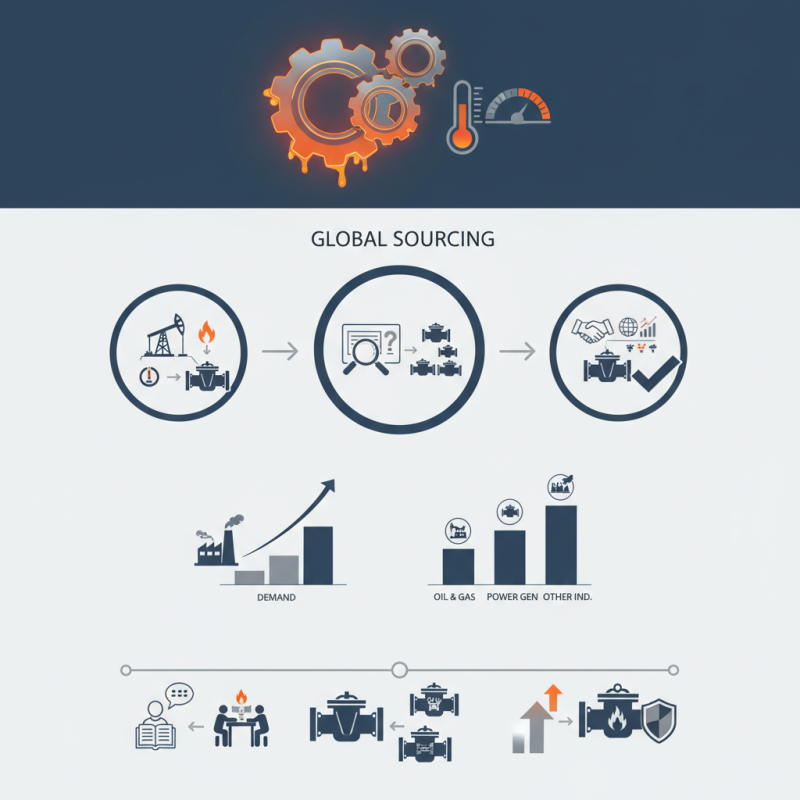
High Temp Valve Buying Guide for Global Sourcing Needs?

Understanding High Temp Valves: Key Features and Specifications

High temp valves play a crucial role in various industries, especially when dealing with extreme temperatures and pressures. Key features include material composition, pressure ratings, and sealing integrity. Most high temp valves are made from alloy materials that can withstand temperatures above 500°F (260°C). A recent industry report indicates that these valves will see a market growth of over 5% annually until 2026. This growth underscores their importance in sectors such as oil and gas, chemical processing, and power generation.

Understanding the specifications is vital for effective global sourcing. The pressure ratings often range from 150 to 2500 psi, ensuring they can handle severe operating conditions. High Temp Ball Valves, for example, provide excellent sealing capabilities at high pressures. Their design minimizes leakage potential, making them a preferred choice in critical applications. Details such as connection types and actuator options further influence selection. Reports show that around 40% of valve failures are linked to improper specifications, highlighting the need for thorough assessment when purchasing.

Potential challenges also exist. Sourcing can be complicated by varying international standards. Awareness of certification requirements is essential. Not every supplier meets the necessary quality control standards. It's essential to verify supplier capabilities to ensure the right high temp valves are chosen for specific applications. Ultimately, understanding these key features and specifications can lead to more informed, reliable decisions.

Types of High Temp Valves Used in Industrial Applications

High temperature valves play a crucial role in various industrial applications. They are designed to withstand extreme heat, ensuring safe and efficient operations in demanding environments. Common types of high temp valves include globe valves, ball valves, and gate valves, each suited for specific conditions.

Globe valves are known for their excellent throttling capabilities, making them ideal for regulating flow in high-pressure systems. According to industry reports, they can handle temperatures up to 450°F. Ball valves, on the other hand, provide quick shut-off with minimal pressure drop, reaching temperature thresholds of about 600°F. Their design enables smooth operation, even under severe thermal stress.

Gate valves serve as a reliable choice for on/off control in high-temperature settings. They often operate optimally at temperatures around 800°F. However, there are challenges. For instance, thermal expansion can affect the valve's seating and sealing mechanisms, leading to possible leaks. Regular maintenance and monitoring are essential to address wear and prevent failures. Understanding these nuances can aid in making informed decisions when sourcing high temperature valves for diverse applications.

High Temp Valve Buying Guide for Global Sourcing Needs

Valve Type Material Max Temperature (°C) Application Pressure Rating (PSI)
Globe Valve Stainless Steel 650 Oil & Gas 3000
Ball Valve Carbon Steel 400 Steam Systems 1500
Butterfly Valve Titanium 500 Chemical Processing 2000
Check Valve Hastelloy 650 Pipelines 3000
Gate Valve Bronze 450 Water Supply 2500

Factors to Consider When Sourcing High Temp Valves Globally

High Temp Valve Buying Guide for Global Sourcing Needs?

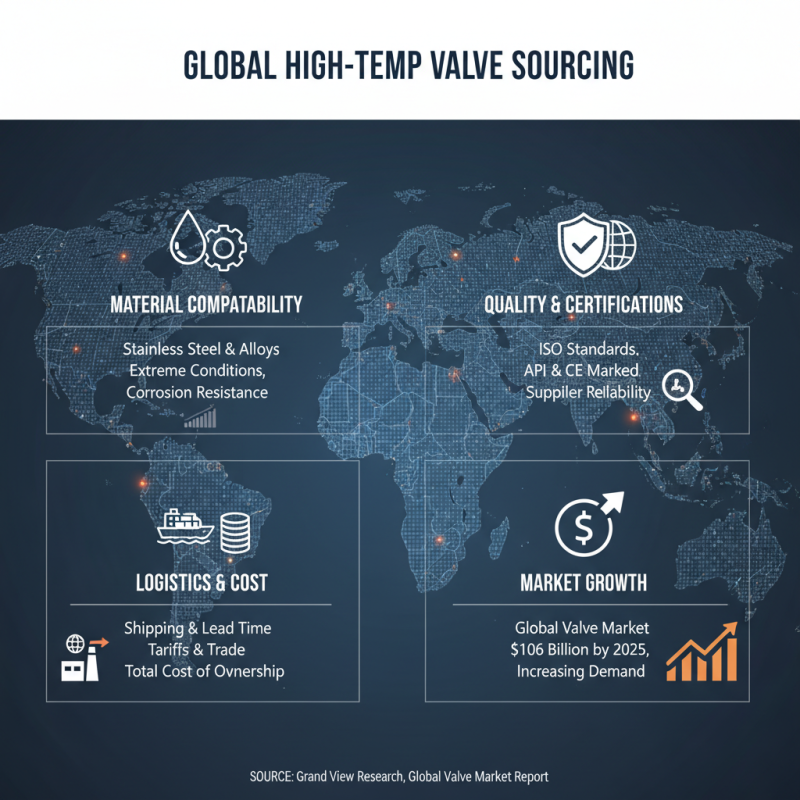
When sourcing High Temperature Valves, understanding material compatibility is critical. High temperature applications often involve extreme conditions. Common materials include stainless steel and specialized alloys, which can withstand high stress and corrosion. According to a report by Grand View Research, the global valve market is projected to reach $106 billion by 2025. This growth underscores the increasing importance of selecting reliable components.

Supplier reliability is another vital factor. Manufacturers must provide comprehensive testing documentation to ensure quality and safety. Over 30% of sourcing issues in valve manufacturing stem from inconsistency in supplier performance. It's crucial to assess each supplier's track record and certifications. This will minimize risks and improve product performance.

Finally, consider the application environment. The operational temperature and pressure directly impact valve selection. For instance, valves in power generation may face harsher conditions than those in HVAC systems. Research indicates that improper valve choices can lead to failures. This reinforces the necessity of diligent evaluation when selecting a high temperature valve for global sourcing needs.

Material Selection for High Temperature Valve Durability

When selecting materials for high temperature valves, durability is paramount. High Pressure Ball Valves often face extreme conditions. Choosing the right material can greatly influence their lifespan. Common materials include stainless steel, Inconel, and titanium. Stainless steel, for instance, offers excellent resistance to corrosion. However, it may not always withstand higher temperatures effectively.

Inconel is known for its strength and ability to endure extreme heat. It is often used in industries like aerospace and chemical processing. Titanium also presents a favorable option due to its lightweight and high strength. It's crucial to balance the material choice with cost implications. In some cases, cheaper materials could lead to rapid failure.

Defining the operational environment is essential. For instance, valves exposed to thermal cycling could shift their structure over time. This can lead to unexpected leaks or valve failure. Regular assessments and understanding wear patterns can guide better material selection in future purchases. Data-driven decisions often lead to more reliable outcomes. Being mindful of these elements ensures that high temperature valves perform consistently, even under pressure.

Quality Standards and Certifications for High Temp Valves

When sourcing high temp valves, understanding quality standards and certifications is crucial. Various global standards, like ISO 9001 and ASME standards, define the essential parameters for valve manufacturing. These guidelines ensure the products meet safety and reliability expectations. In recent industry reports, it was indicated that companies adhering to these standards experience a 30% reduction in return rates. This speaks volumes about the significance of quality compliance.

Certifications like CE and API play a crucial role in international trade. They provide assurance to buyers that the valves have undergone rigorous testing. A report by the American Petroleum Institute states that API-certified valves tend to perform better under extreme conditions, enhancing operational efficiencies. However, buyers often overlook the importance of checking these certifications, leading to potential issues in performance.

High temp valves face unique operational challenges. Materials must withstand severe thermal stress. Without verified quality standards, a valve may fail prematurely. Malfunctioning valves not only lead to increased costs but also pose risks to safety. A recent study showed that 15% of valve failures were attributed to non-compliant products. This highlights the necessity of rigorous sourcing practices.

Supplier Evaluation: How to Choose Reliable High Temp Valve Providers

High Temp Valve Buying Guide for Global Sourcing Needs?

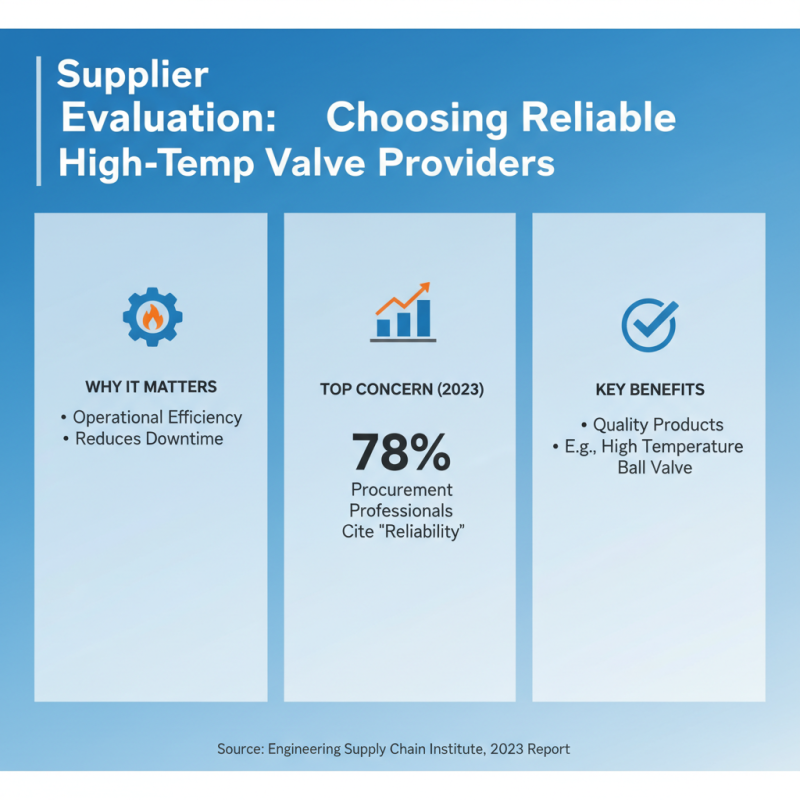
When sourcing high-temperature valves, evaluating suppliers is crucial. Reliable providers can significantly impact your operational efficiency. A 2023 report from the Engineering Supply Chain Institute indicated that 78% of procurement professionals cite supplier reliability as a top concern in sourcing. Choosing the right supplier ensures access to quality products like the High Temperature Ball Valve.

Assessing a supplier's industry experience is essential. Look for companies with at least five years in high-temperature applications. Additionally, consider customer feedback and case studies. These reflections help gauge a supplier's performance in real-world situations. An industry study revealed that 67% of companies emphasized the importance of customer reviews in their sourcing decisions.

Certification and compliance are also critical factors. Ensure that potential suppliers meet relevant industry standards. Many high-temperature valves must comply with ISO and ASTM standards for safety and performance. However, some may present outdated certifications or lack transparency. Therefore, verifying these credentials can prevent costly mistakes down the line. A well-informed choice in high-temperature valve suppliers can protect your investment and ensure operational success.

Cost Analysis: Budgeting for High Temp Valve Purchases

When budgeting for high-temperature valve purchases, several key factors come into play. Analyzing the overall cost is crucial. High-temp valves often have higher initial costs due to specialized materials. They require careful evaluation to avoid hidden expenses. Understand the total cost of ownership, which includes installation and maintenance.

Another important aspect is supplier reliability. Not all suppliers provide the same quality. Researching their reputation helps ensure better long-term performance and can save money in the future. Ask for recommendations from industry peers. This process can reveal suppliers with proven records, minimizing risks in sourcing.

Lastly, consider the implications of potential delays. Unexpected issues can arise during shipping or manufacturing. Such delays could lead to increased costs and project timelines extending beyond budget. While it's challenging to foresee every obstacle, planning for contingencies can foster more effective budgeting strategies.

Exploring the Advantages and Applications of Integrated Twin Ball DBB Valves with Dual Stems in Industrial Processes

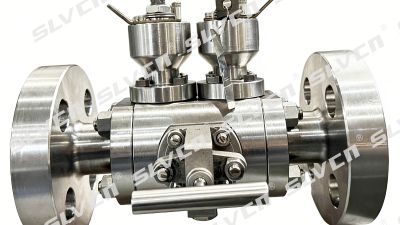
The exploration of integrated twin ball double block and bleed (DBB) valves with dual stems reveals significant advantages in industrial applications, particularly in the realm of critical and hazardous services. The twin ball design facilitates true valve-based double block isolation, providing independent control of upstream and downstream flows. This feature is crucial for processes that handle flammable, toxic, or high-pressure fluids, where safety is paramount.

Furthermore, the integrated compact DBB construction replaces traditional multi-valve assemblies, greatly reducing potential leak paths and minimizing space requirements. This not only simplifies installation, leading to lower costs but also enhances overall system efficiency. Each valve is designed with dual stems that are compatible with ISO 5211 mounting, allowing for straightforward manual operation or effortless automation. The engineering focus on reliable sealing is evident, as the optimized ball and seat geometry ensures stable performance over long-term service, safeguarding industrial operations against the risks associated with media control.

FAQS

: What are the key features of high temp valves?

: Key features include material composition, pressure ratings, and sealing integrity. They can withstand extreme conditions.

What materials are commonly used for high temp valves?

Common materials include stainless steel, Inconel, and titanium. They offer varying resistance to heat and corrosion.

Why is proper specification important when sourcing valves?

Improper specifications result in 40% of valve failures. Thorough assessment is crucial for reliable performance.

How can supplier reliability impact high temp valve sourcing?

Over 30% of sourcing issues arise from inconsistent supplier performance. Assessing supplier capabilities is essential for quality assurance.

What role does application environment play in valve selection?

The operational temperature and pressure affect valve choices. Different environments, like power generation, pose unique challenges.

What challenges exist in global sourcing of high temp valves?

Sourcing can be complicated by varying international standards. Awareness of certification requirements is essential.

How do materials affect the durability of high temp valves?

The right material choice influences lifespan. Cheaper materials could lead to rapid failure in extreme applications.

What impact does thermal cycling have on valve performance?

Thermal cycling can alter valve structure over time. This may result in unexpected leaks or failures if unaddressed.

Why is documentation important when sourcing valves?

Comprehensive testing documentation ensures quality and safety. It helps verify supplier reliability before making a decision.

How can data-driven decisions improve valve sourcing?

Understanding wear patterns and regular assessments lead to better material selections. This enhances long-term valve performance.

Conclusion

The "High Temp Valve Buying Guide for Global Sourcing Needs" provides a comprehensive overview of the critical factors to consider when selecting high temp valves for industrial applications. It begins by highlighting the essential features and specifications that define high temp valves, followed by an exploration of the various types commonly utilized in industries that face elevated temperatures.

Key considerations for global sourcing include material selection to ensure durability under high temperatures, adherence to quality standards and certifications, and effective supplier evaluation to identify reputable valve providers. Finally, the guide emphasizes the importance of conducting a thorough cost analysis to budget effectively for high temp valve purchases, ensuring that organizations can make informed and economically viable decisions in their sourcing processes.
Charlotte

Charlotte

Charlotte is a dedicated marketing professional with a profound expertise in extreme working conditions, focusing on high pressure, high temperature, and cryogenic environments. With a strong commitment to showcasing the innovative flow control solutions offered by her company, Charlotte plays a......
Previous Why Choose Gear Valves at the 2026 Canton Fair China?