Picking out the right Flange Ball Valve can really feel a bit overwhelming, especially with all the options out there. Honestly, finding the perfect one isn’t as straightforward as it might seem—sometimes you need a bit of expert advice to help steer you in the right direction. Like John Thompson from Valve Innovations points out, 'Choosing the right Flange Ball Valve really comes down to understanding what it’s going to be used for and the environment it’s going into.' His experience just goes to show how important it is to match the valve to your specific needs, rather than just going for what looks good or is cheapest.
These valves are pretty much essentials across industries like oil and gas, water supply, and chemical processing. They’re designed to keep pressure loss minimal and make controlling flow a breeze. But not all Flange Ball Valves are equal—things like the material, size, and pressure rating really matter. Getting these details right can make a big difference in how well your valve performs.
One common mistake people make? Just choosing based on price. It might save some bucks upfront, but it can lead to headaches down the road, like poor performance or having to replace the valve sooner than you'd like. Each situation is unique, so it’s really worth consulting with an expert to pick the right fit. At the end of the day, it’s all about focusing on quality and long-term dependability rather than just trying to cut costs upfront.
Understanding Flange Ball Valves and Their Functionality
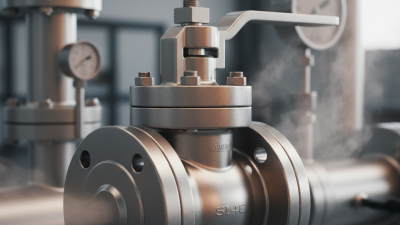
Flange ball valves are crucial in controlling fluid flow in pipelines. They consist of a ball with a hole through the center. When the valve is open, fluid flows through easily. When closed, the ball blocks the flow entirely. This design allows for a tight seal, preventing leaks and maintaining system pressure.
Understanding how these valves work is essential for selecting the right one. Material choice is vital. Options often include stainless steel, brass, or plastic, depending on the application. Each material has its pros and cons. For corrosive fluids, stainless steel might be ideal. For lighter applications, plastic could suffice. Consider the pressure and temperature ratings too. A valve rated too low for the application may fail.
When choosing a flange ball valve, size matters. The valve must fit the pipeline's diameter. Mismatched sizes can lead to inefficiencies. A proper fit ensures optimal flow. Reflect on the installation requirements—accessibility and maintenance are important factors. These details can affect long-term performance, and overlooking them can lead to costly issues.
Key Considerations When Selecting a Flange Ball Valve
When selecting a flange ball valve, there are several key factors to consider. First, the material should match your system requirements. Common options include stainless steel, PVC, and carbon steel. Each material has its advantages and limitations. Understanding your environment is crucial. Will there be high temperatures or corrosive substances? This knowledge guides your choice.
Next, ensure the valve size is appropriate for your piping system. An incorrectly sized Flange Type Ball Valve can lead to leaks or pressure drops. Measure the diameter correctly. Also, assess the pressure ratings for your application. Mismatched ratings may result in early failure or safety hazards.
Another important point is the valve’s end connection type. Ensure it aligns with your existing piping system. Flange connections can vary in specifications, such as bolt patterns and face types. Identifying these details prevents future installation headaches. Many users overlook this aspect, leading to compatibility issues during installation. Review installation practices to enhance reliability. Each choice contributes to the overall efficiency of your operations.
Materials and Construction: Choosing the Right Valve Type
When selecting a flange ball valve, material and construction are critical factors. Using the right material ensures durability and resistance to corrosion. Common choices include stainless steel, brass, and PVC. Each material has unique properties that suit various applications. Stainless steel, for example, is excellent for high-pressure environments. Brass offers good thermal conductivity, while PVC is lightweight and cost-effective for certain conditions.
The valve's construction also influences its performance. Full port versus standard port design can impact flow rates in your system. A full port valve allows for higher flow rates, but standard port valves can be more compact. When assessing your needs, consider both the operating temperature and pressure. Will the valve be exposed to harsh chemicals? If yes, materials must withstand those conditions.
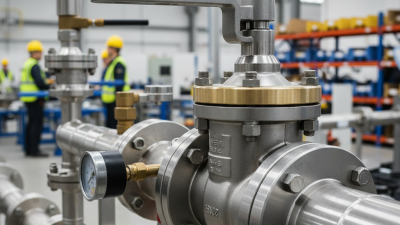
Assembly and maintenance should also be reflected on. Improper assembly can lead to leaks or failures. Look for valves with clear installation guidelines. Consider ease of repair or replacement. Understanding these aspects can enhance reliability and longevity. Every choice matters in ensuring optimal performance and minimizing downtime in your operations.
Sizing and Pressure Ratings of Flange Ball Valves
When selecting a flange ball valve, understanding sizing and pressure ratings is crucial. Proper sizing ensures optimal flow and performance in your system. Ball valves come in various sizes, measured by their diameter. Common sizes range from half an inch to several inches. Each size has specific pressure ratings, dictating the maximum allowable pressure the valve can handle. Knowing these ratings helps prevent failures and leaks.
Pressure ratings are typically classified as ANSI/ASME standards. These standards help to identify the valve's capability under different conditions. A Ball Valve Flange Type can usually handle high pressures, making it suitable for many applications. However, be mindful of the maximum pressure limit. Overpressurizing can lead to valve damage.
It's essential to match the valve's specifications with your system's requirements. Consider factors like temperature and fluid type too. A more extensive valve may seem like a better choice, but it can adversely affect flow rates. Aim for a balance between size and application needs. Reflect on your choice of materials. Choosing the right flange type is critical for long-lasting performance.
How to Choose the Best Flange Ball Valve for Your Needs? - Sizing and Pressure Ratings of Flange Ball Valves
| Size (Inches) |
Pressure Rating (Cl 150/300) |
Temperature Range (°F) |
Material |
End Connection Type |
| 1 |
150 |
-20 to 100 |
Carbon Steel |
Flanged |
| 2 |
300 |
-20 to 250 |
Stainless Steel |
Flanged |
| 3 |
150 |
-20 to 100 |
Bronze |
Flanged |
| 4 |
300 |
-20 to 400 |
Alloy Steel |
Flanged |
| 6 |
600 |
-20 to 500 |
Stainless Steel |
Flanged |
The Role of End Connections in Flange Ball Valve Selection
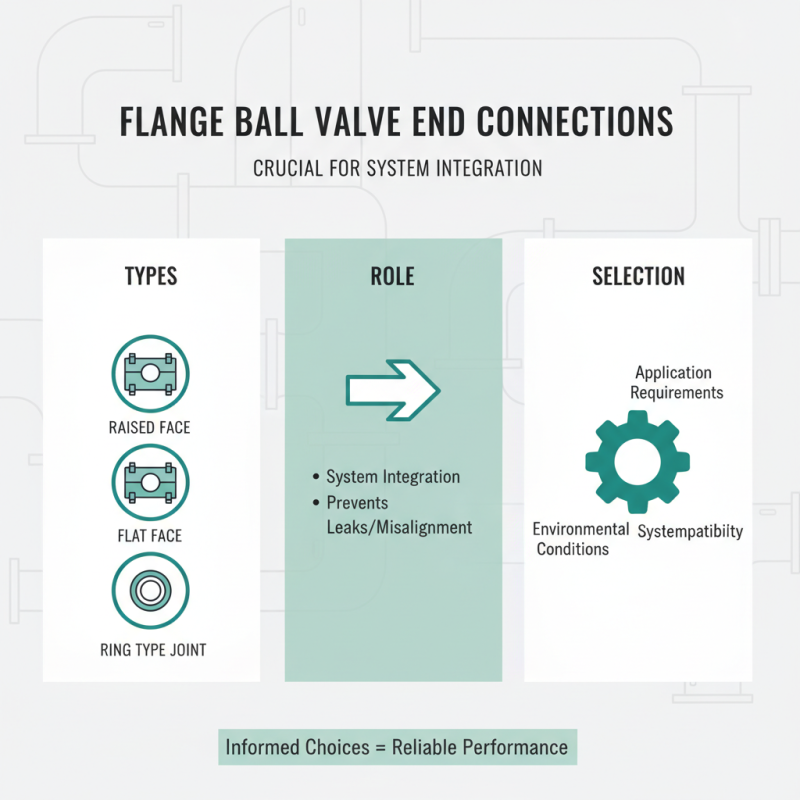
When selecting a flange ball valve, the end connections are crucial. These connections determine how the valve integrates with piping systems. Incorrect selection may lead to leaks or misalignment. Flange connections can be either raised face, flat face, or ring type joint. Each type serves different applications and environments. Understanding the specific requirements of your system is essential for making informed choices.
The size of the flange is equally important. It must match the diameter of the piping to ensure a proper fit. This may require careful measurement and adherence to standards. If the dimensions are off, it can cause significant operational issues. In many cases, flexible flange ball valves can provide some adaptability in installation. However, this does not eliminate the importance of correct end connections.
In addition, consider the material of both the valve and the flange. Different materials perform better under varying temperatures and pressures. For instance, a Ball Valve Floating Ball made from stainless steel might withstand corrosion in some environments but fail in others. Without proper assessment, the long-term reliability of the system could be compromised. Small details can make a big difference in valve performance.
Maintenance and Performance Factors for Long-Term Use
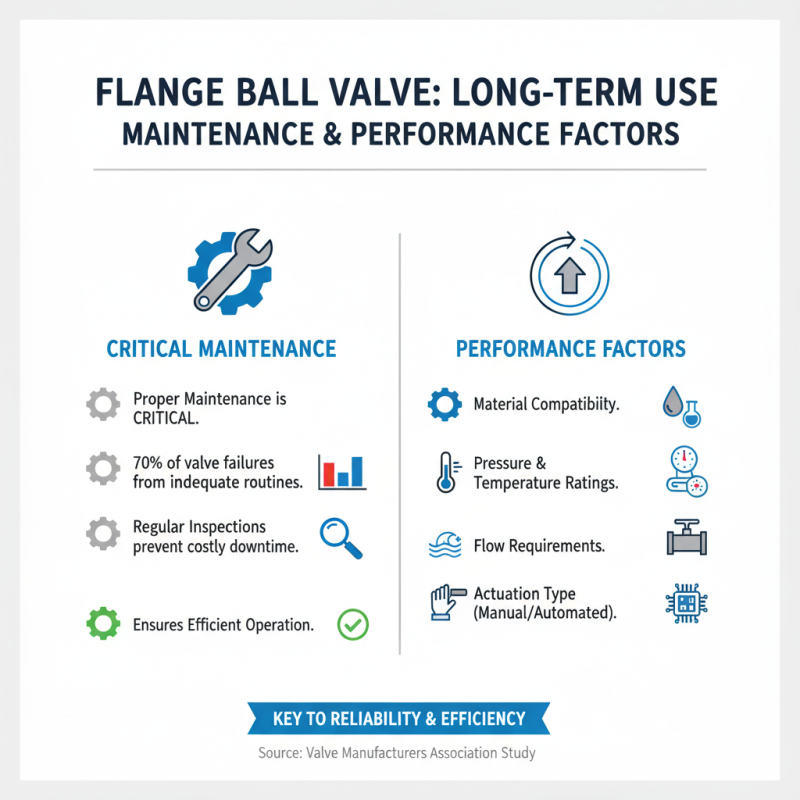
When selecting a flange ball valve, one must consider maintenance and performance factors essential for long-term use. Proper maintenance is critical. A study from the Valve Manufacturers Association reports that 70% of valve failures stem from inadequate maintenance routines. Regular inspections can prevent costly downtime and ensure the valve operates efficiently.
Understanding the valve's material and environmental compatibility is crucial. For example, stainless steel valves resist corrosion, but may not perform well in certain acidic environments. A recent industry report indicates that choosing the wrong material can lead to a 30% decrease in valve lifespan. Evaluating the operating temperature and pressure is also vital. Failing to adhere to specified limits can lead to premature failure or safety incidents.
Though many companies provide guidelines, actual implementation varies. Some facilities neglect regular checks, risking performance issues. Implementing a structured maintenance schedule can seem daunting, yet it's necessary. Balancing operational efficiency and reliability is key. Continuous education on valve technology can also enhance performance and longevity. Creating a culture of vigilance in maintenance can lead to improved outcomes.
Cost vs. Quality: Finding the Best Value for Your Needs
Choosing the right flange Ball Valve involves balancing cost and quality. While lower-priced options may seem appealing, they often compromise on durability. A valve that fails early can lead to costly repairs and downtime. Quality valves ensure efficient performance and longevity, reducing headaches in the long run.
Evaluate the materials used in the ball valve's construction. Stainless steel or brass options may carry a higher upfront cost but provide better resistance to corrosion and wear. Ask yourself if the immediate savings are worth potential failures. Consider the working environment. High-pressure or high-temperature applications demand robust designs that cheaper models may not offer.
Think about the requirements of your specific project. A well-chosen ball valve can enhance system efficiency. Yet, overlooking quality for price can result in frequent replacements and inefficiencies. Reflect on this balance and make informed decisions. Investing wisely in a flange ball valve can ultimately save costs over time.
Cost vs. Quality of Flange Ball Valves
The chart above compares the average costs of flange ball valves across different quality levels. Investing in higher-quality valves typically results in greater durability and reliability, hence a higher cost.
Enhancing Industrial Efficiency: The Benefits of Class 600 Fully Welded Trunnion-Mounted DBB Ball Valves with Gear Operation
In the pursuit of enhancing industrial efficiency, the incorporation of Class 600 Fully Welded Trunnion-Mounted Double Block-and-Bleed (DBB) Ball Valves with gear operation offers significant advantages. The fully welded valve body, complete with pipe extensions, guarantees a continuous pipeline connection while ensuring reliable sealing. This design reduces maintenance needs, resulting in lower overall operational costs. According to industry reports, such innovations can lead to a reduction in maintenance costs by up to 30%, making them a smart choice for industries looking to optimize performance.
The DBB design of these valves provides secure isolation and effective cavity pressure relief, which is crucial in maintaining safety within high-pressure systems. With a trunnion-mounted ball, these valves ensure stable sealing under both high pressure and large-diameter conditions, which are common in industries such as oil and gas and water treatment. The gear-operated mechanism allows for low-torque, smooth manual operation, permitting easy adjustments and ensuring operational reliability, particularly in demanding environments.
Additionally, safety is paramount in critical applications, and these valves are equipped with fire-safe, anti-static, and anti-blowout features. Such attributes guarantee that the valves can withstand extreme conditions, further reinforcing their role in enhancing industrial efficiencies. As reported by various studies, employing advanced valve technologies like the Class 600 DBB ball valves can lead to increased system reliability and enhanced safety protocols, significantly benefiting industries that rely on their performance.
FAQS
: Common materials include stainless steel, brass, and PVC. Each suits different applications well.
Stainless steel resists corrosion and works well in high-pressure environments. It ensures durability and longevity.
Full port valves allow for higher flow rates. Standard port valves are more compact but may restrict flow.
Consider the operating temperature when choosing a valve. Some materials can’t handle extreme heat or cold well.
Proper assembly is crucial. Leaks or failures can occur due to improper installation. Follow clear guidelines.
Lower-priced valves may fail quickly, leading to costly repairs. Quality is essential for longevity and performance.
Choose materials that resist wear and corrosion. Look for robust designs that fit your application’s needs.
Think about project requirements and environment. Quality choices can enhance efficiency and minimize future problems.
Ignoring quality can lead to frequent replacements. This can create inefficiencies and increased costs over time.
Evaluate both cost and quality. A well-selected valve can save costs and improve system performance in the long run.
Conclusion
When selecting the best Flange Ball Valve for your specific application, it is essential to understand its functionality and the various factors influencing your choice. Key considerations include the materials and construction of the valve, which determine its suitability for different environments, as well as the appropriate sizing and pressure ratings to ensure optimal performance. Additionally, end connections play a significant role in compatibility with existing systems.
Maintenance practices and performance factors are crucial for ensuring the longevity of the Flange Ball Valve, while the balance between cost and quality can help you find the most value for your investment. By carefully evaluating these aspects, you can make an informed decision that meets your operational needs and enhances the efficiency of your fluid control system.





 +86 18913944686