Leave Your Message

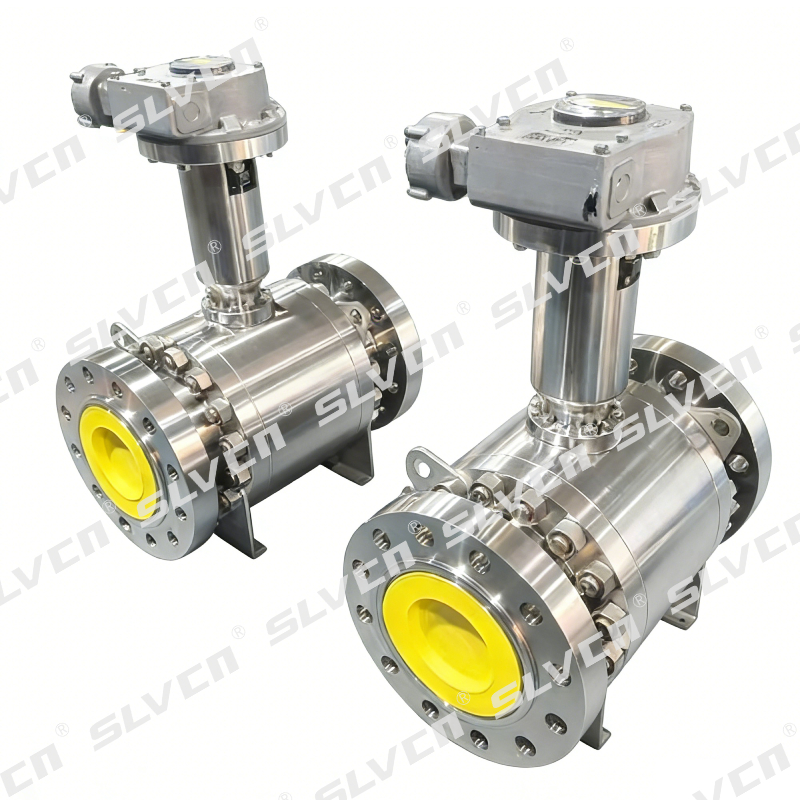
Bleed Ball Valve Supplier & Factory in Australia

Premium Industrial Valve Solutions for Australian Mining, Oil & Gas, and Water Infrastructure

Engineered for Extreme Conditions | Australian Standards Compliant

Bleed Ball Valves in the Australian Industrial Landscape

🏭Industrial Significance in Australia

Australia's industrial sector represents one of the most demanding valve application environments globally. The nation's vast mineral resources, extensive oil and gas reserves, and growing LNG export infrastructure create exceptional demand for high-performance bleed ball valves. With major projects spanning from the Pilbara iron ore operations in Western Australia to the coal seam gas fields of Queensland and the offshore platforms in the Bass Strait, the requirement for reliable double block and bleed (DBB) valve technology has never been more critical.

The Australian valve market is experiencing sustained growth driven by several key factors: expansion of LNG export facilities, modernization of aging water infrastructure, increased mining activity, and stringent safety regulations. According to industry analysis, the Australian industrial valve market is projected to grow at a CAGR of 4.2% through 2030, with bleed ball valves representing a significant segment due to their superior isolation capabilities and safety features.

Key Market Driver: LNG Export Boom

Australia has emerged as the world's largest LNG exporter, with projects in Darwin, Gladstone, and the North West Shelf requiring thousands of specialized cryogenic and high-pressure bleed ball valves. These facilities demand valves capable of handling temperatures down to -196°C while maintaining bubble-tight shut-off under extreme pressure differentials.

⚙️Technical Requirements & Standards

Australian industrial applications impose rigorous technical requirements on bleed ball valve systems. Compliance with AS 2129 (flanges), AS 1210 (pressure vessels), and AS 4041 (pressure equipment) is mandatory, alongside international standards including API 6D, API 598, and ISO 15156 for sour service applications. The harsh Australian environment—characterized by extreme temperature variations, high UV exposure, corrosive coastal atmospheres, and remote installation locations—demands valves engineered for exceptional durability and minimal maintenance requirements.

Bleed ball valves utilized in Australian projects must demonstrate fire-safe design per API 607/6FA, anti-static protection, fugitive emissions compliance per ISO 15848, and extended service intervals suitable for remote locations with limited maintenance access. The DBB configuration is particularly valued in Australian applications as it provides two sealing elements and a bleed cavity between them, enabling safe isolation for maintenance while detecting potential seal degradation through cavity pressure monitoring.

Australian Application Scenarios

⛏️

Mining & Mineral Processing

Western Australia's iron ore operations and Queensland's coal processing facilities require bleed ball valves for slurry handling, high-pressure water systems, and process isolation. The ability to safely isolate equipment for maintenance in 24/7 operations is critical for production continuity.

🔥

Oil & Gas Production

Offshore platforms in Bass Strait, Cooper Basin operations, and North West Shelf facilities utilize bleed ball valves for wellhead control, pipeline isolation, and safety shutdown systems. Sour service capability and fire-safe design are essential requirements.

❄️

LNG Facilities

Cryogenic bleed ball valves are fundamental to Australia's LNG export terminals in Darwin, Gladstone, and Karratha. These valves must maintain integrity at -196°C while handling boil-off gas, liquefaction processes, and loading operations with zero leakage tolerance.

💧

Water Infrastructure

Desalination plants in Perth, Adelaide, and Sydney, along with major irrigation projects, deploy bleed ball valves for reliable isolation in high-pressure reverse osmosis systems, intake structures, and distribution networks requiring minimal maintenance.

⚡

Power Generation

Coal-fired, gas-fired, and renewable energy facilities across Australia require bleed ball valves for steam systems, cooling water circuits, and fuel gas supply lines. High-temperature capability and rapid actuation are key performance criteria.

🏗️

Petrochemical Processing

Refineries in Melbourne, Brisbane, and regional chemical plants utilize bleed ball valves for process isolation, emergency shutdown systems, and maintenance operations handling corrosive media and hazardous substances under strict environmental regulations.

Industry Development Trends in Australia

Automation & Digitalization

The Australian industrial sector is rapidly adopting Industry 4.0 technologies, driving demand for smart valve solutions with integrated sensors, remote monitoring capabilities, and predictive maintenance features. Bleed ball valves equipped with position sensors, torque monitoring, cavity pressure transmitters, and wireless communication modules enable real-time performance tracking and early detection of potential failures. This trend is particularly pronounced in remote operations where minimizing site visits delivers significant cost savings.

Major operators are implementing centralized valve management systems that monitor thousands of valves across multiple sites, utilizing data analytics to optimize maintenance schedules and prevent unplanned shutdowns. The integration of bleed ball valves into distributed control systems (DCS) and safety instrumented systems (SIS) is becoming standard practice in new Australian projects.

Environmental & Safety Focus

Increasingly stringent environmental regulations in Australia are driving adoption of low-emission valve technologies. Fugitive emissions from valve stems represent a significant concern, particularly in gas processing facilities. Modern bleed ball valves incorporate advanced packing systems, bellows seals, and double packing arrangements to achieve emissions levels well below regulatory thresholds defined in AS 2885 and environmental protection legislation.

The emphasis on process safety management, influenced by major hazard facility regulations, has elevated the importance of DBB valve technology. The ability to positively isolate equipment with cavity monitoring provides verifiable isolation assurance required by safety case regimes governing Australian major hazard facilities. This trend is expanding DBB valve adoption beyond traditional oil and gas applications into chemical processing, mining, and water treatment sectors.

Future Outlook: Hydrogen Economy

Australia's emerging hydrogen production and export industry represents a significant future market for specialized bleed ball valves. Hydrogen's unique properties—including extremely low temperature in liquefied form (-253°C), high diffusivity, and embrittlement potential—require valve designs specifically engineered for hydrogen service. As major hydrogen projects advance in Western Australia, Queensland, and Victoria, demand for hydrogen-compatible bleed ball valves with specialized materials and sealing systems will grow substantially, positioning Australia as a key market for next-generation valve technology.

About SLVCN Valve Manufacturing

About Us

Jiangsu Shoulong Valve Co., Ltd.

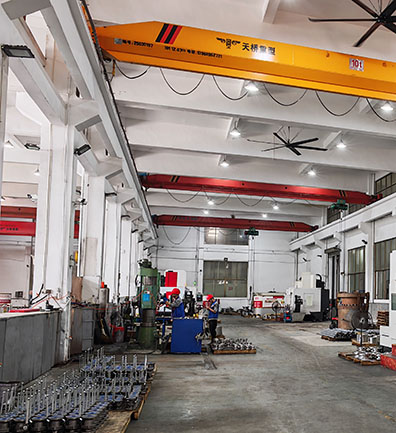
With over 30 years of manufacturing experience, SLVCN is a professional designer and manufacturer of high-performance forged steel ball valves for critical industrial applications. We specialize in extreme working conditions including high pressure, high temperature, and cryogenic environments, providing safe and reliable flow control solutions for global industrial projects where operational reliability is non-negotiable.

Our extensive experience supplying valves to Australian projects has given us deep understanding of the unique requirements of the Australian market, including compliance with local standards, adaptation to harsh environmental conditions, and support for remote operations.

30+ Years Manufacturing Experience
100+ Countries Served Globally
SLVCN Core Products

Core Product Range

Our core product range covers forged trunnion-mounted and floating ball valves, top-entry and side-entry ball valves, fully welded ball valves, metal seated ball valves, cryogenic ball valves, high-pressure ball valves up to Class 2500 (PN420) and customized higher pressure ratings, as well as high-temperature service valves.

Compared with conventional cast valves, SLVCN forged valves feature higher material density, superior mechanical strength, improved resistance to pressure fluctuations and thermal shock, and significantly longer service life under severe service conditions—critical advantages for Australian applications where reliability and extended service intervals are paramount.

Designed for High Pressure, High Temperature, and Cryogenic Applications, SLVCN valves are widely used in long-distance oil & gas transmission pipelines, LNG storage and regasification terminals, offshore platforms and deepwater projects, power plants, refineries, compressor stations, and high-pressure chemical processing units.

Safety & Reliability Features

Safety and Reliability

Safety and reliability are embedded in every design. Our forged ball valves are equipped with Double Block and Bleed (DBB) structures, anti-blowout stems, fire-safe designs in accordance with API 607 / API 6FA, anti-static devices, emergency sealing systems, and pressure-balanced seating structures suitable for high differential pressure operation.

Valves can be designed with SPE (Single Piston Effect) or DPE (Double Piston Effect) seat configurations based on application requirements. For sour service environments common in Australian gas fields, materials and sealing systems comply with NACE MR0175 / ISO 15156 requirements.

Whether handling flammable media, corrosive fluids, sour service media (H₂S), ultra-low temperatures, or extreme differential pressures, our valves ensure stable operation, bubble-tight shut-off, and maximum system safety in accordance with international sealing and performance standards.

Quality Assurance & Certification

Comprehensive Testing Protocols

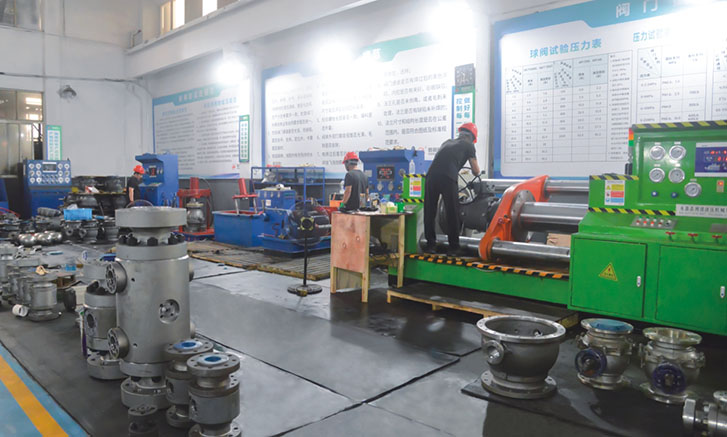
To ensure consistent quality, each valve undergoes a complete series of inspections and performance tests in accordance with API 6D, API 598, and ISO 5208, including shell test, seat leakage test (Rate A / zero visible leakage), fire-safe test, cryogenic test, operational torque test, dimensional inspection, and PMI material verification.

SLVCN operates dedicated cryogenic testing facilities to validate valve performance at ultra-low temperatures down to -196°C—essential for Australian LNG applications. Our fire-safe testing capabilities ensure compliance with API 607 and API 6FA requirements mandated for hydrocarbon service applications.

International Standards Compliance

SLVCN is certified to ISO 9001, CE, and API standards, and our products comply with API 6D, ASME B16.34, DIN, ANSI, and JIS specifications. We provide extensive customization capabilities covering sizes from 1/2" to 36", full bore or reduced bore, special materials including A105, LF2, F11, F22, F51, Inconel, various soft and metal seat designs, and intelligent actuation with pneumatic, electric, and gear operators.

Our quality management system ensures traceability from raw material procurement through final testing, with complete documentation packages including material certificates, test reports, and compliance declarations suitable for Australian project requirements.

Global Experience, Local Expertise

Today, SLVCN serves customers in more than 100 countries and regions, supplying valves to EPC contractors, engineering companies, and end users across Europe, the Middle East, Southeast Asia, and the Americas. Our growing presence in the Australian market reflects our commitment to supporting the nation's industrial development with world-class valve solutions.

Backed by strong engineering expertise, advanced manufacturing capabilities, and rigorous quality control, SLVCN is committed to delivering safe, durable, and truly engineered valve solutions for the world's most demanding industrial projects—including Australia's challenging operational environments.

SLVCN Logo
About Us
30

Over 30 years of manufacturing experience

About Us 2

About Us

Jiangsu Shoulong Valve Co., Ltd.

With over 30 years of manufacturing experience, SLVCN is a professional designer and manufacturer of high-performance forged steel ball valves for critical industrial applications. We specialize in extreme working conditions including high pressure, high temperature, and cryogenic environments, providing safe and reliable flow control solutions for global industrial projects where operational reliability is non-negotiable.
Contact Us

Core
product

SLVCN

Our core product range covers forged trunnion-mounted and floating ball valves, top-entry and side-entry ball valves, fully welded ball valves, metal seated ball valves, cryogenic ball valves, high-pressure ball valves up to Class 2500 (PN420) and customized higher pressure ratings, as well as high-temperature service valves. Compared with conventional cast valves, SLVCN forged valves feature higher material density, superior mechanical strength, improved resistance to pressure fluctuations and thermal shock, and significantly longer service life under severe service conditions.

Designed for High Pressure, High Temperature, and Cryogenic Applications, SLVCN valves are widely used in long-distance oil & gas transmission pipelines, LNG storage and regasification terminals, offshore platforms and deepwater projects, power plants, refineries, compressor stations, and high-pressure chemical processing units. Whether handling flammable media, corrosive fluids, sour service media (H₂S), ultra-low temperatures, or extreme differential pressures, our valves ensure stable operation, bubble-tight shut-off, and maximum system safety in accordance with international sealing and performance standards.

zwindex05
Safety and reliability are embedded in every design. Our forged ball valves are equipped with Double Block and Bleed (DBB) structures, anti-blowout stems, fire-safe designs in accordance with API 607 / API 6FA, anti-static devices, emergency sealing systems, and pressure-balanced seating structures suitable for high differential pressure operation. Valves can be designed with SPE or DPE seat configurations based on application requirements. For sour service environments, materials and sealing systems comply with NACE MR0175 / ISO 15156 requirements.
 
Safety and reliability

Quality & Certification

To ensure consistent quality, each valve undergoes a complete series of inspections and performance tests in accordance with API 6D, API 598, and ISO 5208, including shell test, seat leakage test (Rate A / zero visible leakage), fire-safe test, cryogenic test, operational torque test, dimensional inspection, and PMI material verification. SLVCN operates dedicated cryogenic testing facilities to validate valve performance at ultra-low temperatures down to −196°C.
SLVCN is certified to ISO 9001, CE, and API standards, and our products comply with API 6D, ASME B16.34, DIN, ANSI, and JIS specifications. We provide extensive customization capabilities covering sizes from 1/2” to 36”, full bore or reduced bore, special materials including A105, LF2, F11, F22, F51, Inconel, various soft and metal seat designs, and intelligent actuation with pneumatic, electric, and gear operators.
Shoulong Valve

About
SLVCN

Today, SLVCN serves customers in more than 100 countries and regions, supplying valves to EPC contractors, engineering companies, and end users across Europe, the Middle East, Southeast Asia, and the Americas. Backed by strong engineering expertise, advanced manufacturing, and rigorous quality control, SLVCN is committed to delivering safe, durable, and truly engineered valve solutions for the world’s most demanding industrial projects.