


Leave Your Message
Explore our premium range of double block and bleed valves specifically tailored for high-temperature and high-pressure steam utility applications.
In modern power generation plants, steam is the primary medium for energy transfer. Whether in subcritical, supercritical, or ultra-supercritical (USC) coal-fired plants, combined cycle gas turbine (CCGT) facilities, or nuclear power generators, steam systems operate under extreme conditions. Temperatures can exceed 600°C (1,112°F) with pressures scaling above 300 bar. Under these harsh conditions, the integrity of isolation valves is paramount to operational safety, plant efficiency, and maintenance procedures.
Historically, power plants relied on traditional gate, globe, or parallel slide valves for steam isolation. While functional, these valves often suffer from seat erosion, thermal binding, and high operating torque, leading to minor downstream leakage. In steam systems, even a tiny leak represents a significant loss of thermal efficiency and can lead to wire-drawing, which rapidly destroys valve internals.
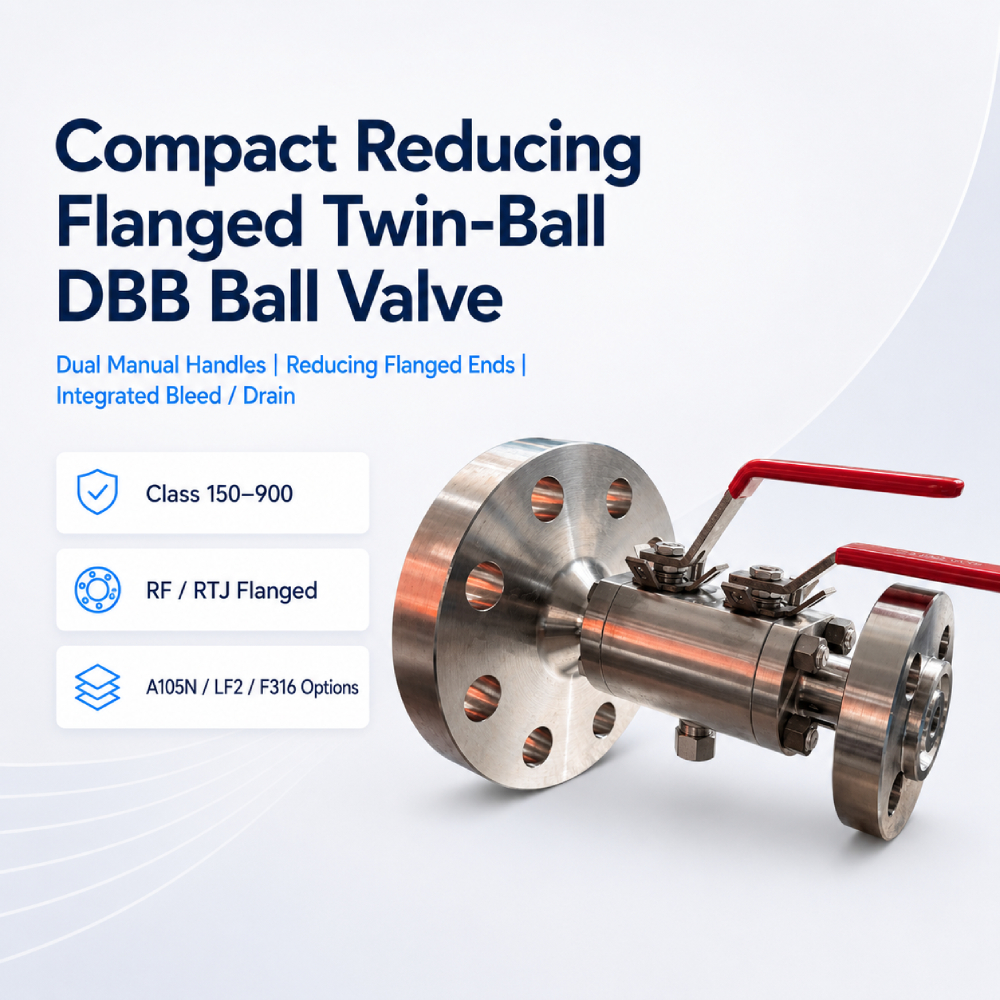
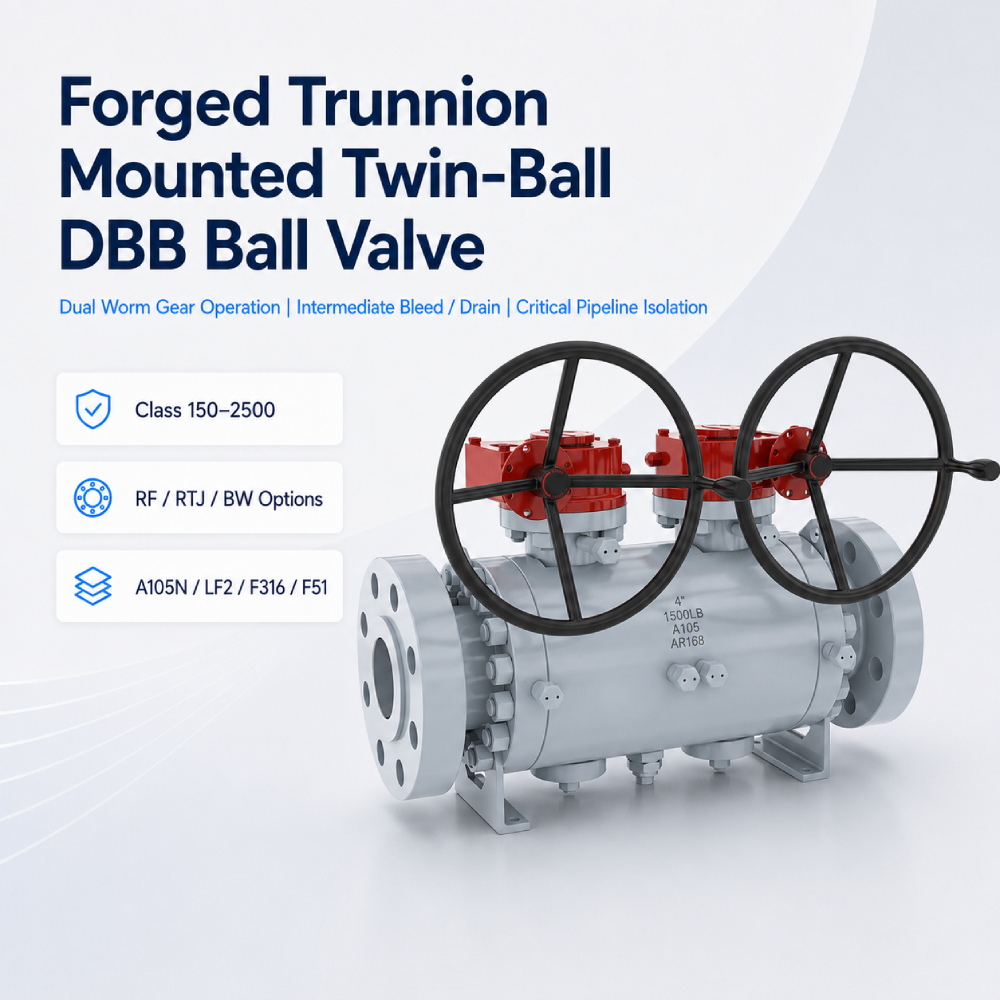
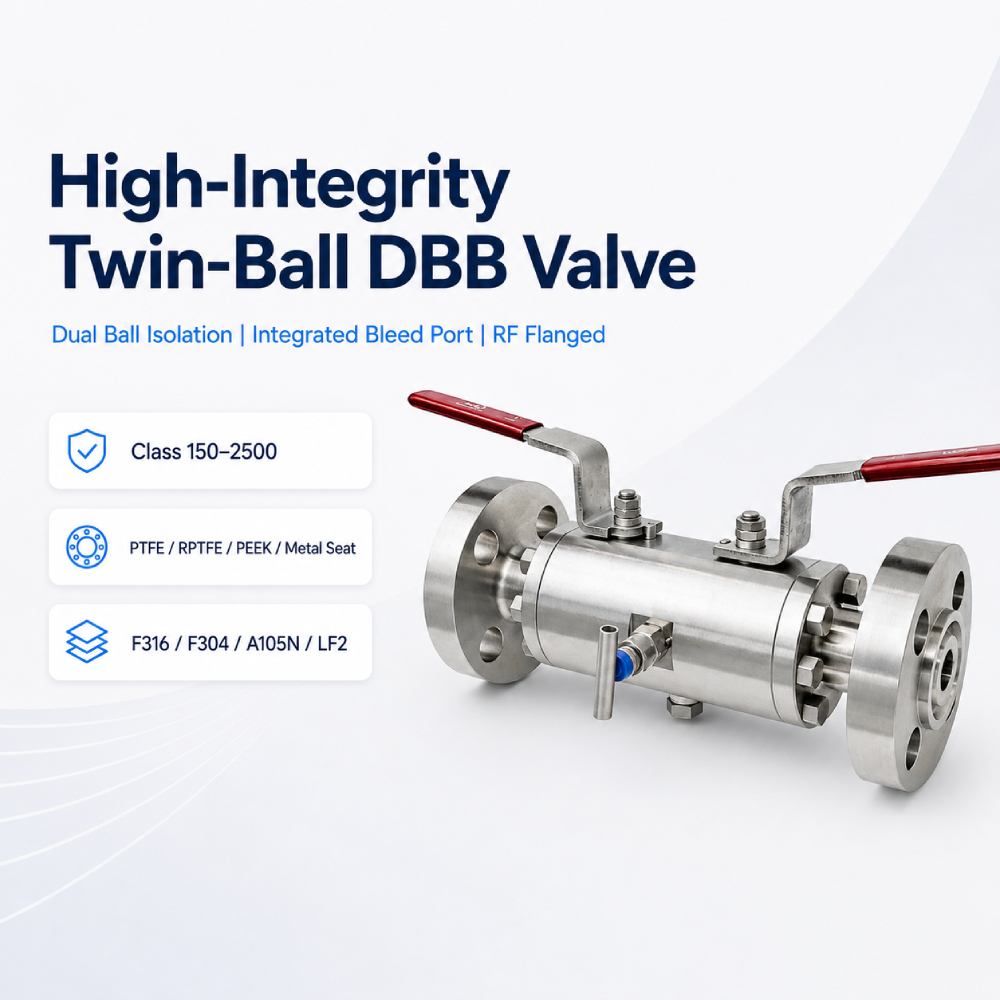
This is where the Bleed Ball Valve, specifically in a Double Block and Bleed (DBB) configuration, has revolutionized the industry. By utilizing two independent inline isolation seats and a central bleed vent, DBB ball valves ensure absolute bubble-tight shut-off. This configuration allows operators to safely isolate downstream piping for maintenance, venting any minor bypass fluid through the bleed port, thereby guaranteeing a 100% safe working environment.
Zero-leakage isolation prevents superheated steam bypass, maximizing the energy directed to the steam turbines and reducing fuel consumption.
The bleed mechanism provides visual verification of isolation integrity, protecting maintenance crews from hazardous high-pressure steam blowbacks.
Replacing a traditional multi-valve isolation spool with a single compact DBB ball valve reduces structural load and saves valuable plant footprint.
Steam cycles in utility-scale power plants consist of multiple complex loops. Bleed ball valves are strategically deployed at critical junctions where reliable isolation is non-negotiable.
During startup, shutdown, or load changes, steam lines must be drained to prevent condensate buildup, which can cause devastating water hammer events in the steam turbine. Drain valves must handle high-pressure water-to-steam transitions, exposing them to flashing and cavitation. Metal-seated bleed ball valves with hard-faced coatings (such as Tungsten Carbide or Chromium Carbide) withstand this severe service, providing clean isolation and reliable drainage.
Turbine bypass systems divert steam directly to the condenser during turbine trips or startup. Isolation valves in these bypass lines remain closed during normal operation under full steam pressure. Any leakage through these valves directly degrades the plant's heat rate. High-temperature DBB ball valves ensure zero bypass leakage while remaining ready to actuate instantly when required.
Continuous and intermittent boiler blowdown systems remove impurities and sludge from the steam drum. This process involves highly abrasive particulates moving at high velocities. Standard valves degrade quickly under this erosive flow. Forged steel bleed ball valves with robust metal-to-metal seals are ideal for isolating blowdown lines, ensuring positive shut-off even when handling suspended solids.
Feedwater preheating loops utilize extraction steam from the turbine. If a feedwater heater tube ruptures, high-pressure water can flash back into the steam turbine, causing catastrophic mechanical damage. Rapid-acting, high-integrity double block and bleed valves are installed on extraction steam lines to prevent backflow and isolate the heater for emergency maintenance.
Designing valves for steam systems presents unique metallurgical and mechanical challenges. The high temperature causes thermal expansion of valve components, which can lead to valve jamming or seat deformation. Furthermore, superheated dry steam lacks lubricating properties, increasing the coefficient of friction between sealing surfaces.
To combat thermal expansion and friction, modern bleed ball valves utilize advanced alloys such as ASTM A182 F91, F92, and Inconel 718. The sealing surfaces are subjected to High-Velocity Oxygen Fuel (HVOF) thermal spraying, applying hard coatings like Tungsten Carbide (WC-Co) or Chromium Carbide (Cr3C2-NiCr). These coatings achieve hardness levels exceeding 70 HRC, ensuring the ball and seats resist wear, galling, and high-temperature oxidation.
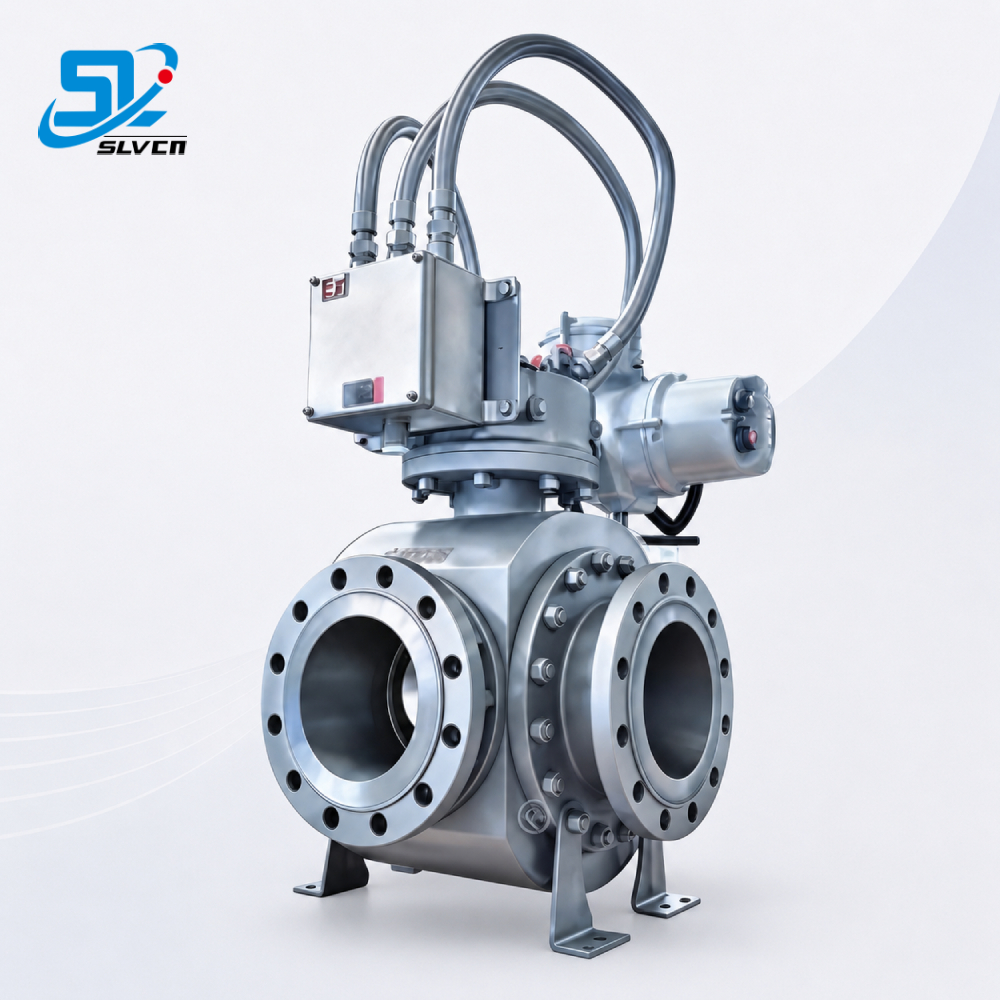
The power generation sector is rapidly moving toward digitalization and predictive maintenance. Modern bleed ball valves are increasingly fitted with intelligent pneumatic or electric actuators integrated with smart positioners. These systems monitor operational parameters such as breakout torque, stroke time, and seat leakage indicators in real-time. By feeding this data into plant DCS (Distributed Control Systems) or cloud-based predictive maintenance platforms, operators can detect valve degradation long before a failure occurs, optimizing maintenance schedules and eliminating unplanned shutdowns.
As global energy policies push for lower carbon emissions, power plants must maximize every percentage of thermal efficiency. Minimizing steam leakage is one of the most cost-effective methods to reduce fuel consumption per megawatt-hour produced. High-integrity bleed ball valves are critical enablers for plants striving to meet strict environmental standards while maintaining high operational availability.
With over 30 years of manufacturing experience, SLVCN is a professional designer and manufacturer of high-performance forged steel ball valves for critical industrial applications. We specialize in extreme working conditions including high pressure, high temperature, and cryogenic environments, providing safe and reliable flow control solutions for global industrial projects where operational reliability is non-negotiable.
Designed for High Pressure, High Temperature, and Cryogenic Applications, SLVCN valves are widely used in long-distance oil & gas transmission pipelines, LNG storage and regasification terminals, offshore platforms and deepwater projects, power plants, refineries, compressor stations, and high-pressure chemical processing units. Whether handling flammable media, corrosive fluids, sour service media (H₂S), ultra-low temperatures, or extreme differential pressures, our valves ensure stable operation, bubble-tight shut-off, and maximum system safety in accordance with international sealing and performance standards.
Contact Us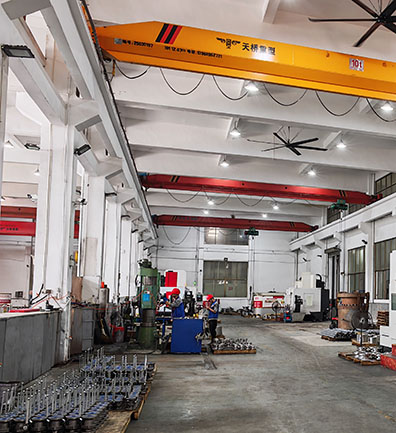


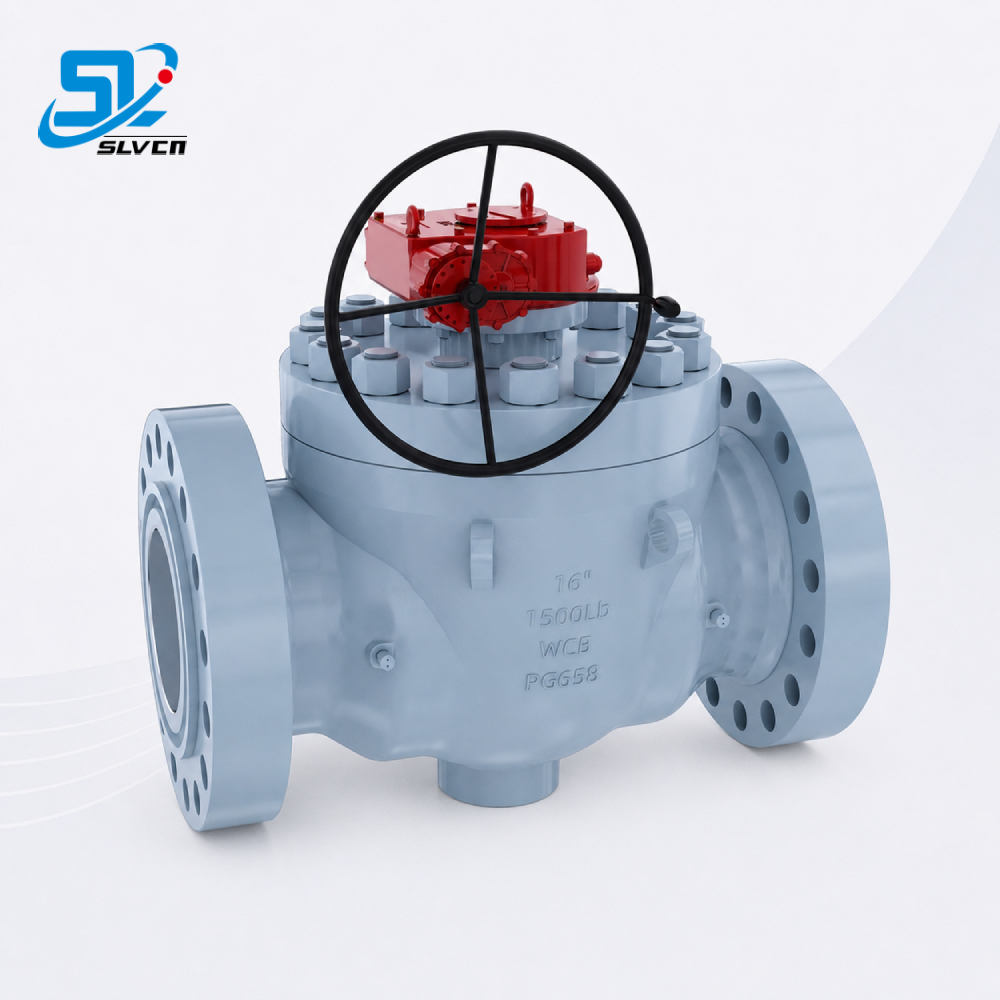
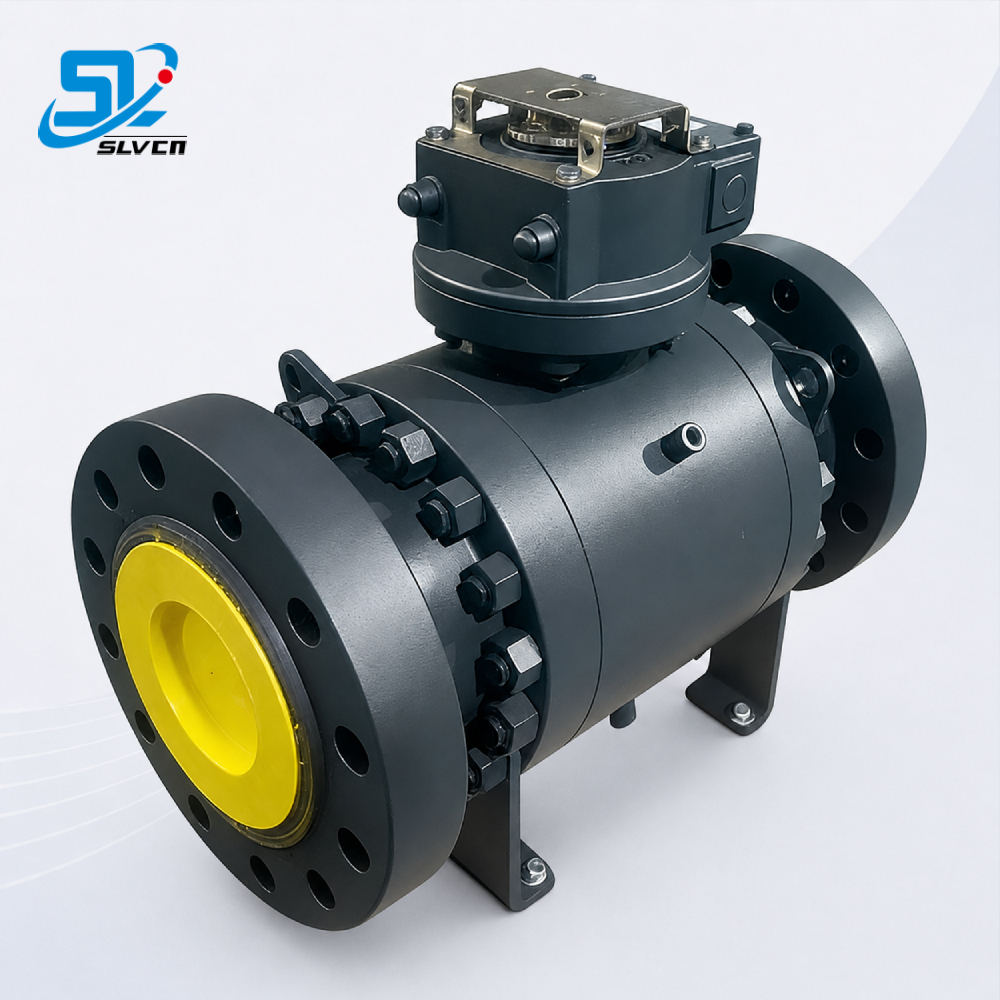
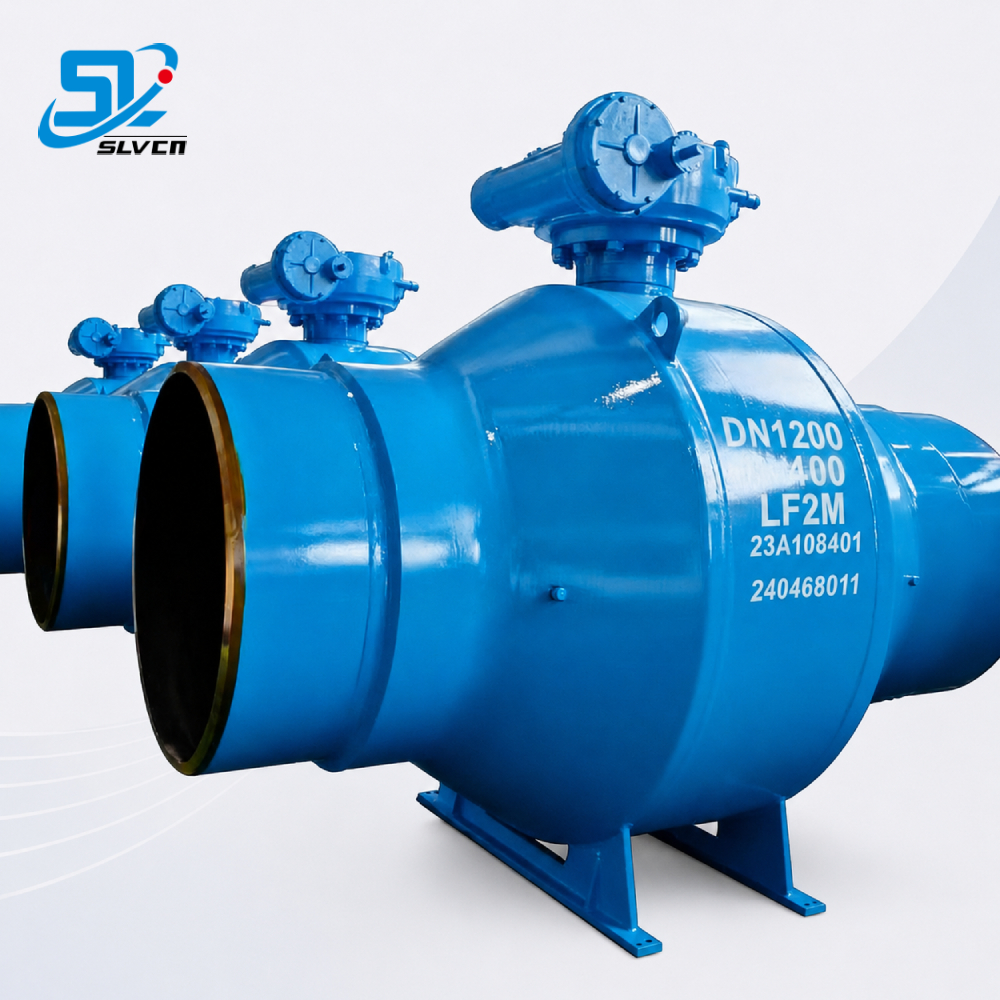
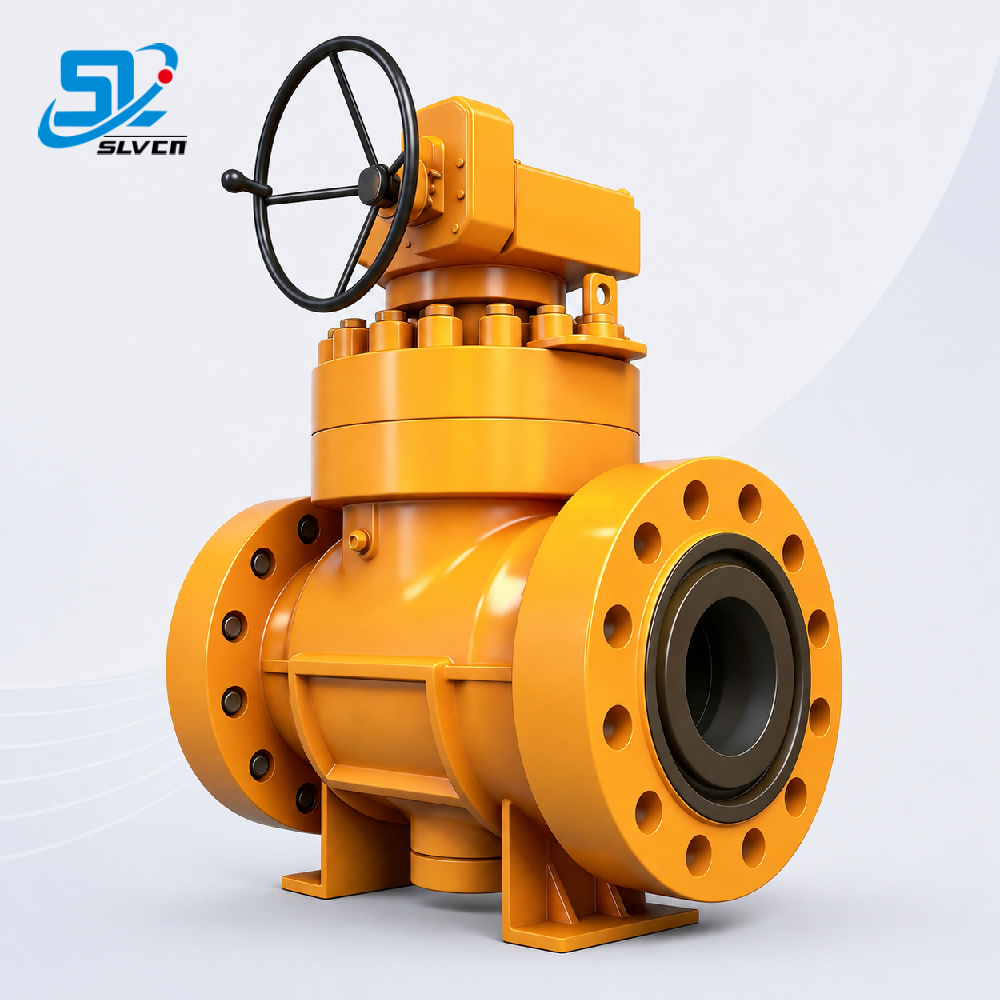
Our core product range covers forged trunnion-mounted and floating ball valves, top-entry and side-entry ball valves, fully welded ball valves, metal seated ball valves, cryogenic ball valves, high-pressure ball valves up to Class 2500 (PN420) and customized higher pressure ratings, as well as high-temperature service valves. Compared with conventional cast valves, SLVCN forged valves feature higher material density, superior mechanical strength, improved resistance to pressure fluctuations and thermal shock, and significantly longer service life under severe service conditions.
Safety and reliability are embedded in every design. Our forged ball valves are equipped with Double Block and Bleed (DBB) structures, anti-blowout stems, fire-safe designs in accordance with API 607 / API 6FA, anti-static devices, emergency sealing systems, and pressure-balanced seating structures suitable for high differential pressure operation. Valves can be designed with SPE (Single Piston Effect) or DPE (Double Piston Effect) seat configurations based on application requirements. For sour service environments, materials and sealing systems comply with NACE MR0175 / ISO 15156 requirements.

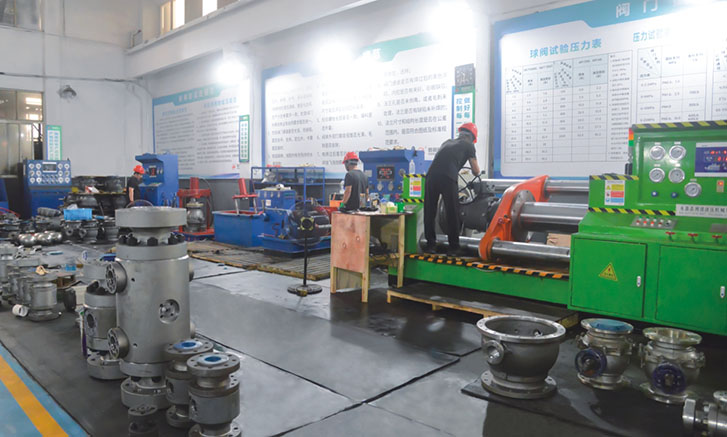
To ensure consistent quality, each valve undergoes a complete series of inspections and performance tests in accordance with API 6D, API 598, and ISO 5208, including shell test, seat leakage test (Rate A / zero visible leakage), fire-safe test, cryogenic test, operational torque test, dimensional inspection, and PMI material verification. SLVCN operates dedicated cryogenic testing facilities to validate valve performance at ultra-low temperatures down to −196°C.
SLVCN is certified to ISO 9001, CE, and API standards, and our products comply with API 6D, ASME B16.34, DIN, ANSI, and JIS specifications. We provide extensive customization capabilities covering sizes from 1/2” to 36”, full bore or reduced bore, special materials including A105, LF2, F11, F22, F51, Inconel, various soft and metal seat designs, and intelligent actuation with pneumatic, electric, and gear operators.
Strict API 6D, API 598, and ISO 5208 compliance ensures zero-leakage performance under extreme plant conditions.
PMI material verification and forged construction guarantee structural integrity under thermal cycling.
ISO 9001, CE, and API certifications demonstrate our adherence to international manufacturing standards.
Today, SLVCN serves customers in more than 100 countries and regions, supplying valves to EPC contractors, engineering companies, and end users across Europe, the Middle East, Southeast Asia, and the Americas. Backed by strong engineering expertise, advanced manufacturing, and rigorous quality control, SLVCN is committed to delivering safe, durable, and truly engineered valve solutions for the world’s most demanding industrial projects.
Select from our comprehensive portfolio of high-integrity valves designed for steam, gas, and severe service isolation.


 18061659285

