Leave Your Message
Engineered for high thermal cycling, zero leakage, and ultimate safety in thermal power networks.
Steam systems form the energetic backbone of modern power generation facilities, including subcritical, supercritical, and ultra-supercritical thermal power plants, combined-cycle gas turbine (CCGT) stations, and nuclear energy facilities. Within these high-energy piping networks, steam is transported at extreme temperatures and pressures to drive steam turbines and auxiliary equipment. Managing this high-velocity, high-temperature medium demands isolation and control devices that offer absolute reliability, bubble-tight sealing, and minimum maintenance downtime. This is where the ball valve floating ball for power plant steam systems proves to be an indispensable engineering asset.
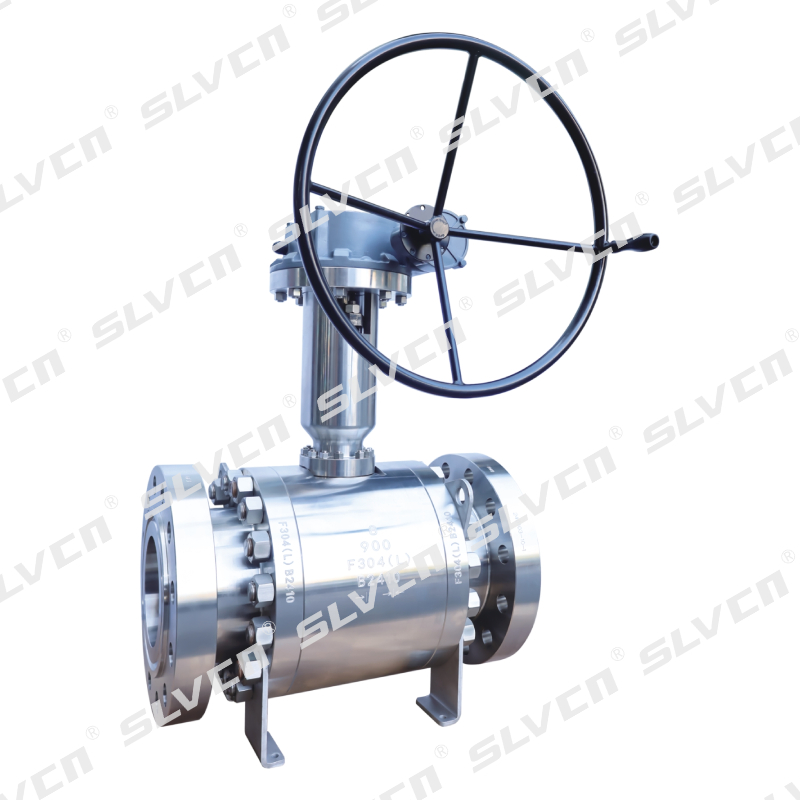
Unlike trunnion-mounted designs where the ball is anchored on bearings, a floating ball valve allows a slight lateral displacement of the ball along the flow axis. Under the influence of upstream steam pressure, the ball is pressed tightly against the downstream seat, creating a highly efficient, pressure-assisted seal. As steam pressure increases, the sealing force intensifies, making it exceptionally reliable for high-pressure steam isolation, venting, and drain line operations.
From a commercial perspective, power plant operators face constant pressure to maximize thermal efficiency, minimize steam losses, and avoid unplanned outages. A single steam leak can lead to thousands of dollars in lost energy every day, alongside severe safety hazards for operating personnel. Standard cast valves often struggle with the thermal cycling and high differential pressures typical of steam headers and turbine bypass loops. Utilizing high-performance forged steel floating ball valves ensures structural integrity, prevents body cracking due to thermal shock, and maintains zero-leakage performance over thousands of operating cycles.
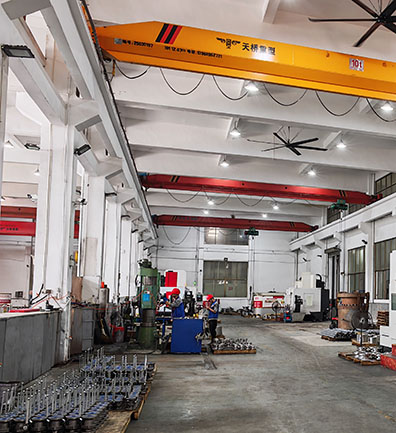


With over 30 years of manufacturing experience, SLVCN is a professional designer and manufacturer of high-performance forged steel ball valves for critical industrial applications. We specialize in extreme working conditions including high pressure, high temperature, and cryogenic environments, providing safe and reliable flow control solutions for global industrial projects where operational reliability is non-negotiable.
Our commitment to engineering excellence and deep understanding of thermal dynamics has positioned us as a trusted partner for power generation plants worldwide, where our forged floating and trunnion ball valves regulate critical steam networks under demanding conditions.
Contact Us TodaySteam in power plants is not a uniform medium. It exists in various states, each presenting distinct challenges to flow control hardware:
Operating at temperatures exceeding 500°C (932°F), superheated steam is completely dry and highly abrasive due to high velocities. Soft-seated valves are entirely unusable here. SLVCN utilizes advanced metal-to-metal seating with tungsten carbide or chromium carbide coatings applied via High-Velocity Oxygen Fuel (HVOF) thermal spraying. This ensures the floating ball and seat maintain a precise seal without seizing or suffering from erosive wear.
Saturated steam often carries water droplets, which can cause severe cavitation and flashing within the valve body, leading to rapid erosion. Floating ball valves designed for these zones require robust forged bodies (such as ASTM A182 F22 or F91) to withstand the mechanical stress of multi-phase flow and prevent wire-drawing across the sealing faces.
To survive the rigorous environment of steam distribution loops, SLVCN incorporates several advanced design elements into every floating ball valve:
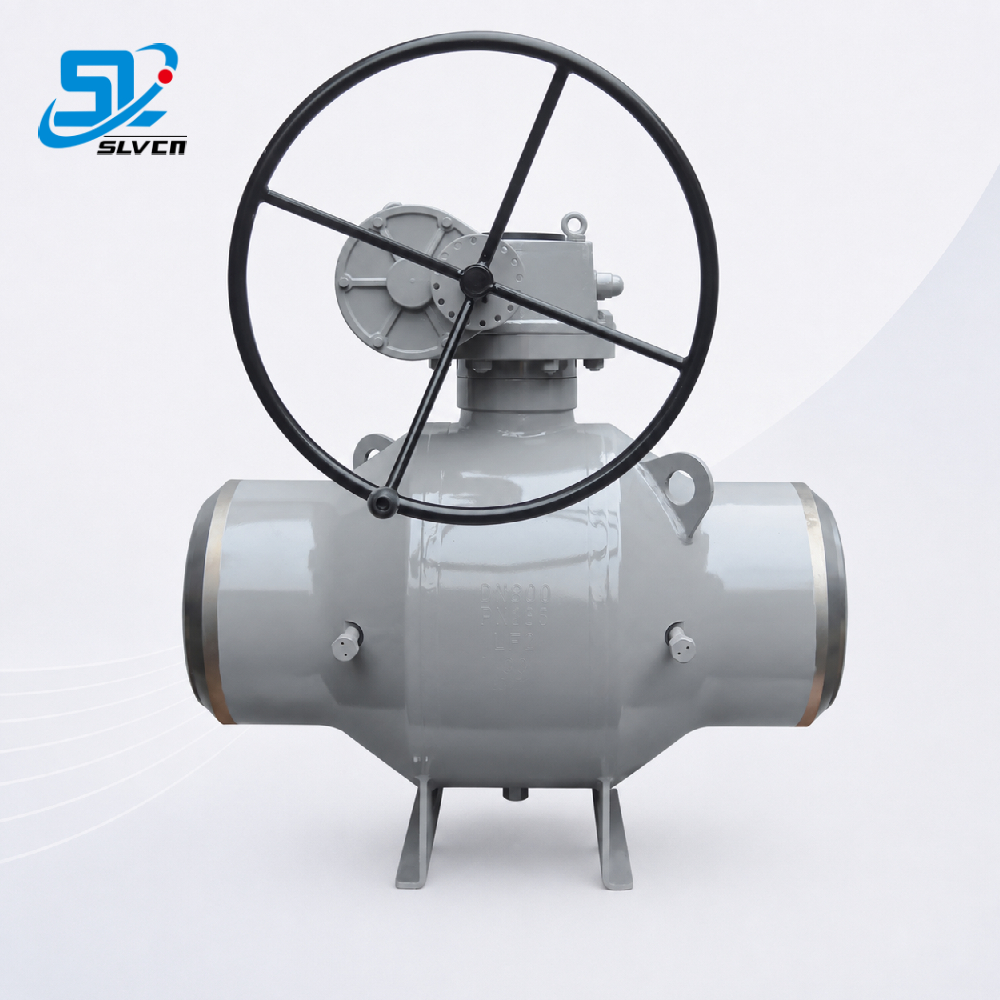
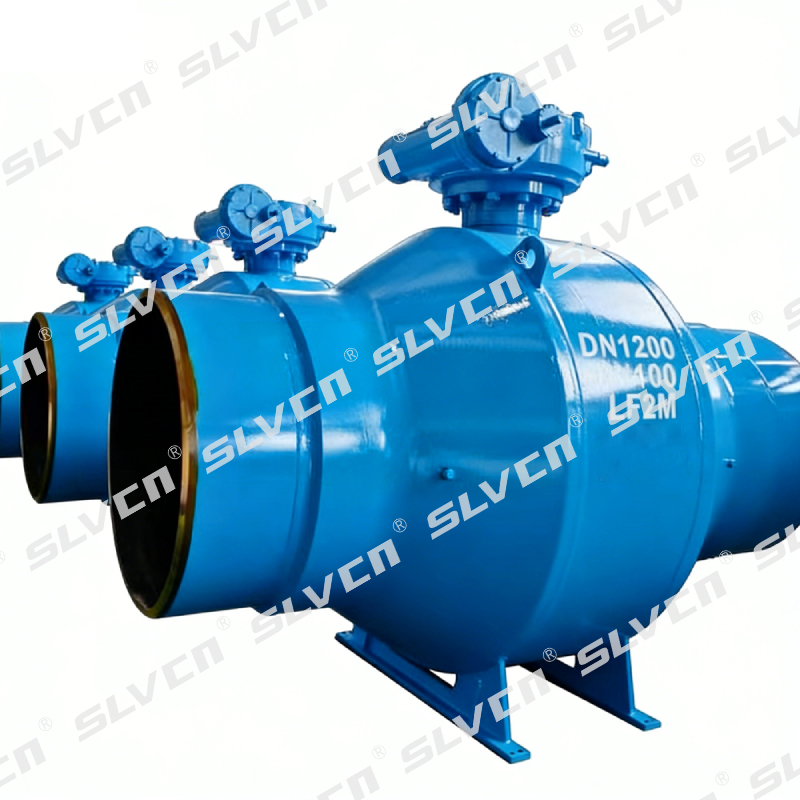
Our core product range covers forged trunnion-mounted and floating ball valves, top-entry and side-entry ball valves, fully welded ball valves, metal seated ball valves, cryogenic ball valves, high-pressure ball valves up to Class 2500 (PN420) and customized higher pressure ratings, as well as high-temperature service valves. Compared with conventional cast valves, SLVCN forged valves feature higher material density, superior mechanical strength, improved resistance to pressure fluctuations and thermal shock, and significantly longer service life under severe service conditions.
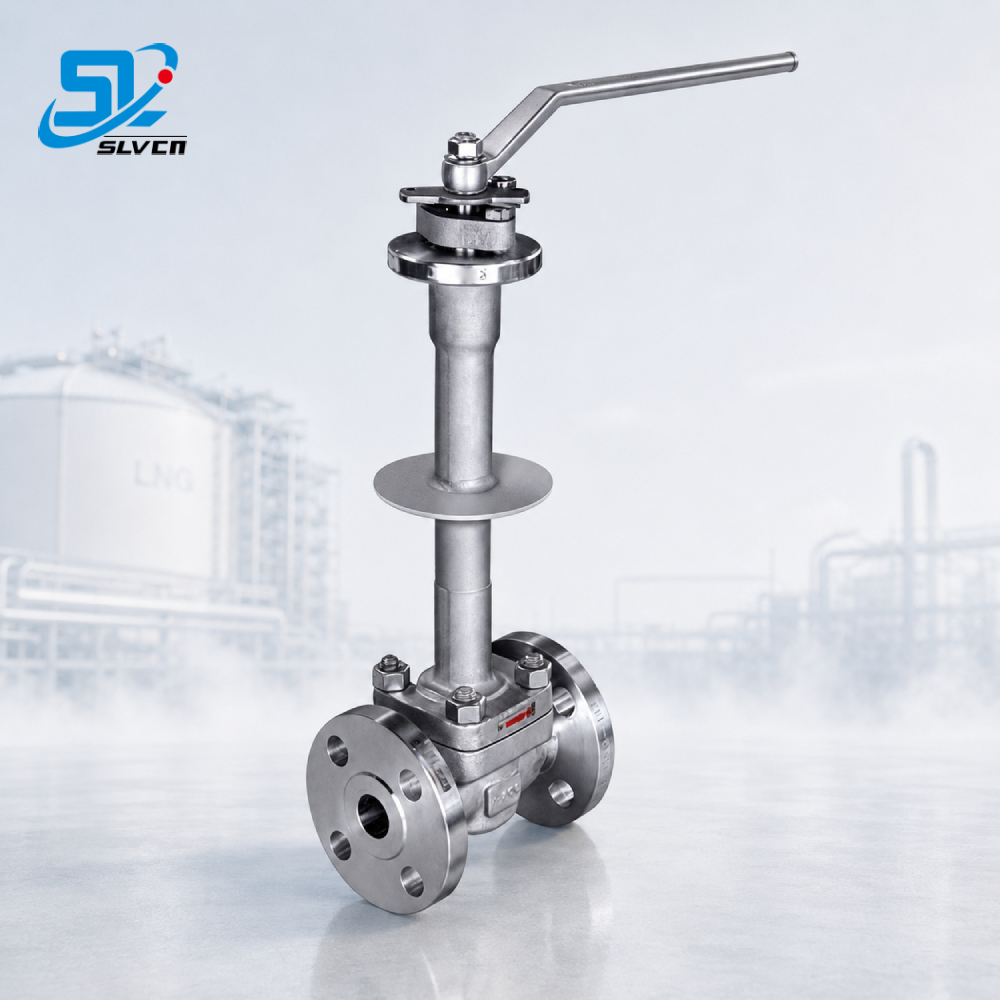
Designed for High Pressure, High Temperature, and Cryogenic Applications, SLVCN valves are widely used in long-distance oil & gas transmission pipelines, LNG storage and regasification terminals, offshore platforms and deepwater projects, power plants, refineries, compressor stations, and high-pressure chemical processing units. Whether handling flammable media, corrosive fluids, sour service media (H₂S), ultra-low temperatures, or extreme differential pressures, our valves ensure stable operation, bubble-tight shut-off, and maximum system safety in accordance with international sealing and performance standards.

The global power generation sector is undergoing a profound transformation. Driven by carbon reduction targets and resource conservation, new power plants are designed with higher thermal parameters, shifting towards ultra-supercritical (USC) and advanced ultra-supercritical (A-USC) steam cycles. These plants operate at pressures up to 300 bar and temperatures reaching 700°C. In these environments, conventional isolation valves fail prematurely, causing costly shutdown cycles.
Consequently, the market demand for specialized forged floating and trunnion-mounted ball valves has surged. Procurement managers and EPC contractors are moving away from cheap cast gate or globe valves in favor of metal-seated ball valves. The quarter-turn operation of ball valves allows for much faster actuation during emergency trip scenarios compared to multi-turn gate valves, which is vital for protecting turbines from water induction and steam backflow.
While the initial capital expenditure (CAPEX) for forged metal-seated floating ball valves is higher than cast gate valves, the operational expenditure (OPEX) is dramatically lower. The robust construction minimizes seat wear, reduces leakage-related energy losses, and extends maintenance intervals from months to years, offering power plants a rapid return on investment.
Furthermore, digitalization is reshaping steam system management. Modern power plants are increasingly specifying smart valves equipped with intelligent positioners and diagnostic sensors. These systems monitor operating torque, cycle counts, and sealing integrity in real-time, allowing operators to transition from reactive maintenance to predictive maintenance strategies. SLVCN is at the forefront of this transition, engineering valves that integrate seamlessly with advanced digital control systems (DCS).
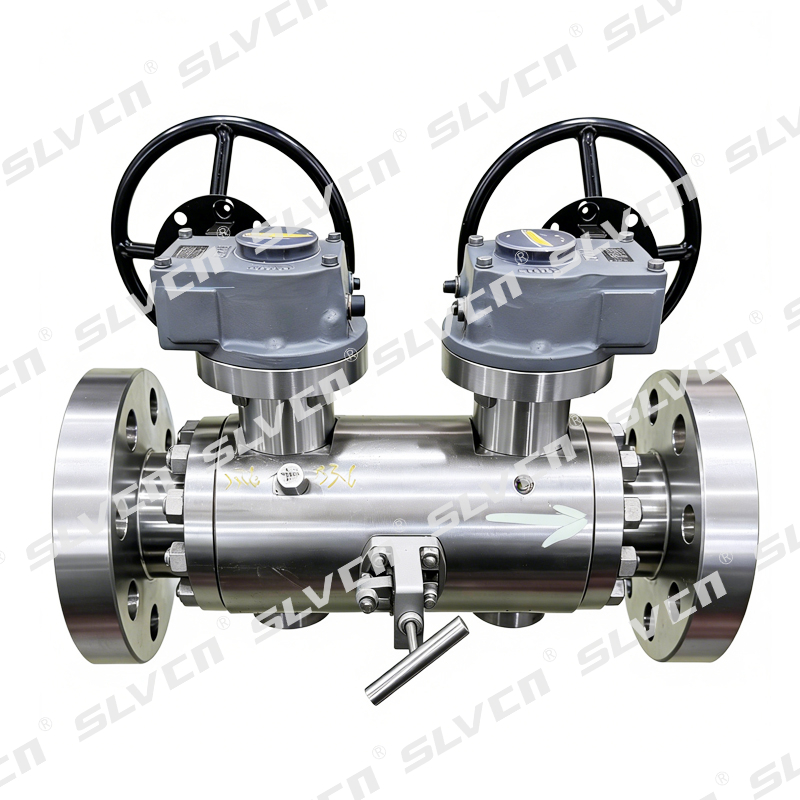
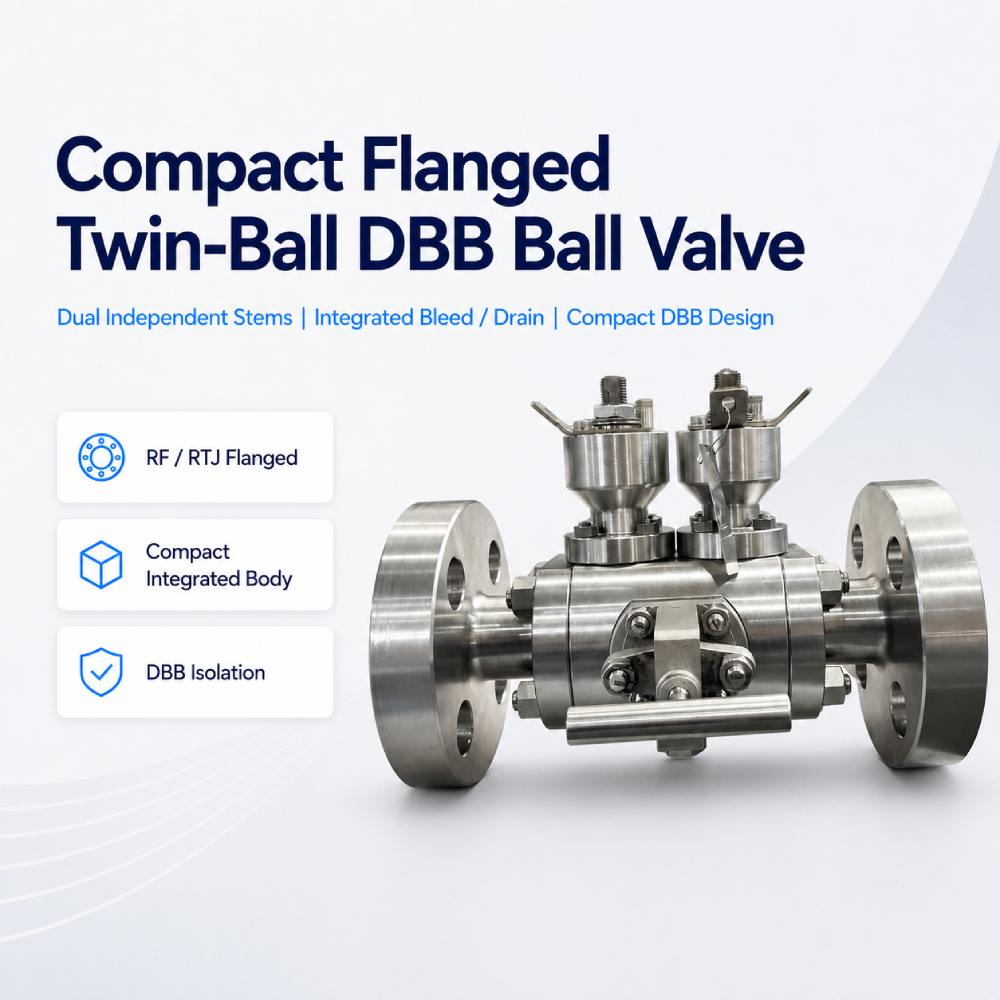
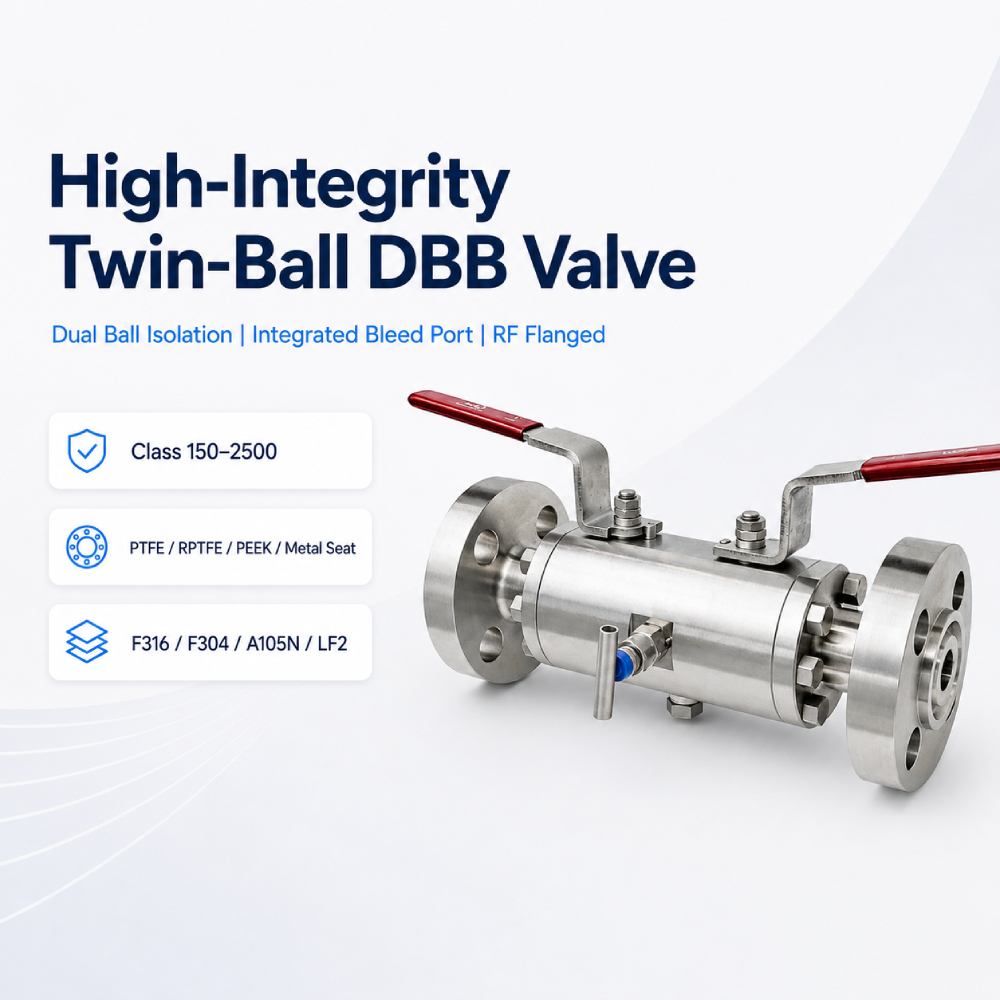
Safety and reliability are embedded in every design. Our forged ball valves are equipped with Double Block and Bleed (DBB) structures, anti-blowout stems, fire-safe designs in accordance with API 607 / API 6FA, anti-static devices, emergency sealing systems, and pressure-balanced seating structures suitable for high differential pressure operation. Valves can be designed with SPE or DPE seat configurations based on application requirements. For sour service environments, materials and sealing systems comply with NACE MR0175 / ISO 15156 requirements.
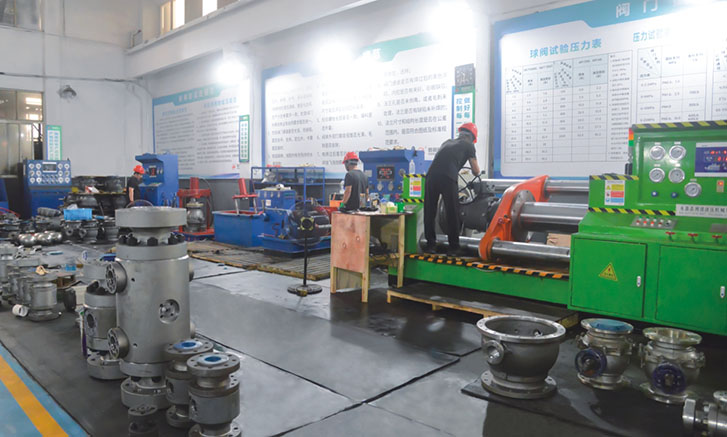
To ensure consistent quality, each valve undergoes a complete series of inspections and performance tests in accordance with API 6D, API 598, and ISO 5208, including shell test, seat leakage test (Rate A / zero visible leakage), fire-safe test, cryogenic test, operational torque test, dimensional inspection, and PMI material verification. SLVCN operates dedicated cryogenic testing facilities to validate valve performance at ultra-low temperatures down to −196°C.
SLVCN is certified to ISO 9001, CE, and API standards, and our products comply with API 6D, ASME B16.34, DIN, ANSI, and JIS specifications. We provide extensive customization capabilities covering sizes from 1/2” to 36”, full bore or reduced bore, special materials including A105, LF2, F11, F22, F51, Inconel, various soft and metal seat designs, and intelligent actuation with pneumatic, electric, and gear operators.
Today, SLVCN serves customers in more than 100 countries and regions, supplying valves to EPC contractors, engineering companies, and end users across Europe, the Middle East, Southeast Asia, and the Americas. Backed by strong engineering expertise, advanced manufacturing, and rigorous quality control, SLVCN is committed to delivering safe, durable, and truly engineered valve solutions for the world’s most demanding industrial projects.
Whether you are upgrading an existing steam network or designing a new supercritical power plant, our engineering team works closely with you to specify the optimal material, seat configuration, and actuation package for your specific operational parameters.
Explore our full range of high-pressure, high-temperature, and double-block-and-bleed valve solutions.


 18061659285