


Leave Your Message
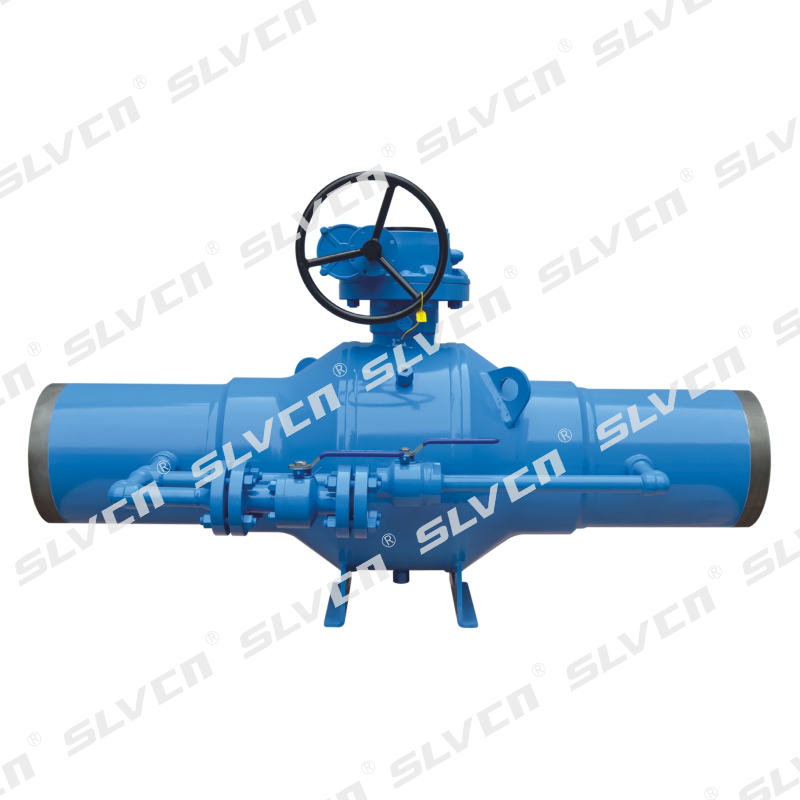
High-performance fully welded floating and trunnion ball valve architecture designed specifically for pre-insulated underground hot water and steam grids.


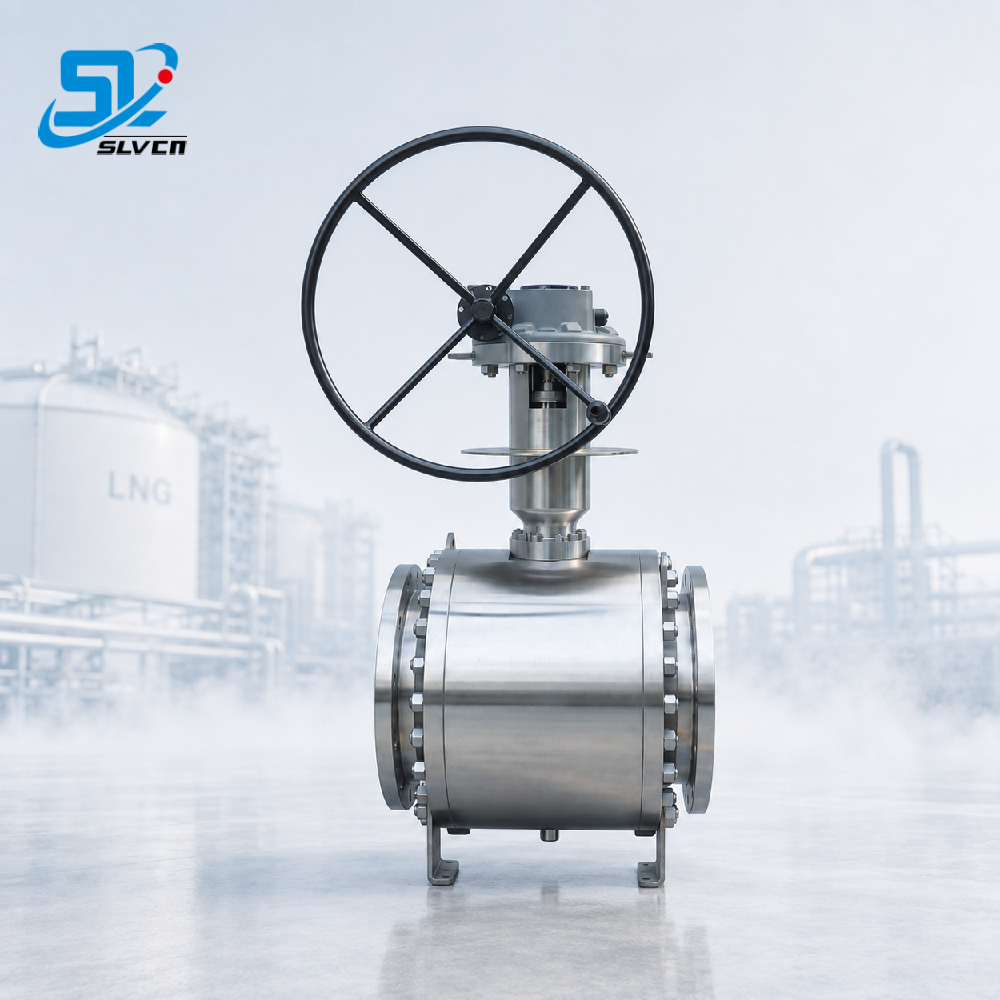
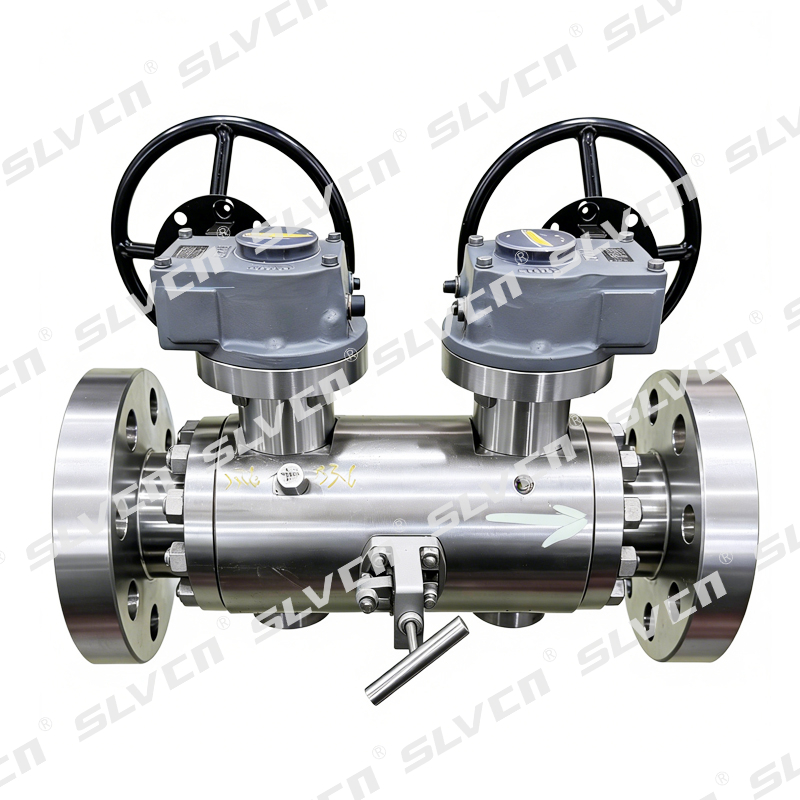
District Heating Networks (DHN) are undergoing a monumental global transformation driven by urban modernization, stringent energy efficiency mandates, and the shift toward decarbonized thermal energy. Modern district energy systems rely on vast subterranean webs of pre-insulated pipelines carrying high-temperature water or pressurized steam across miles of urban infrastructure. Within these demanding underground networks, the selection of isolation valves—specifically the Ball Valve Floating Ball design—serves as a cornerstone for operational safety, system longevity, and thermal economy.
Traditionally, underground utility lines utilized conventional gate valves or standard butterfly valves. However, these traditional valves suffer from recurring stem seal failures, high torque demands, friction wear, and susceptibility to particulate buildup present in closed-loop thermal water. The modern industrial consensus has overwhelmingly shifted toward fully welded forged steel floating and trunnion ball valve designs. Floating ball valves, in which the spherical closure element (the floating ball) is held in place by two elastomeric or metallic seats and shifts slightly downstream under hydraulic pressure to form a tight seal, offer unparalleled sealing efficiency in low-to-medium pressure underground distribution lines.
4th and 5th Generation District Heating (4GDH & 5GDH) networks require ultra-tight micro-leakage prevention to maintain optimal hydronic balance and reduce thermal energy loss across subterranean distribution paths.
Underground installations demand maintenance-free, fully welded valve bodies that eliminate external flange leakage points and resist ground settlement, soil corrosion, and bending moments.
Full-bore floating ball valves provide an unobstructed flow path, drastically reducing pressure drops, minimizing pumping power consumption, and enabling efficient pigging and pipe inspection.
Operating a valve buried 2 to 5 meters underground presents severe engineering challenges. Underground hot water pipelines experience dynamic thermal expansion and contraction cycles as grid demand fluctuates between peak winter loads and summer base levels. Temperatures can fluctuate from 50°C to over 150°C, creating substantial axial stress along the pipe string.
In a ball valve floating ball architecture for underground networks, the ball is not fixed by a lower trunnion stem. Instead, it remains suspended between two resilient seats (such as Carbon-Filled PTFE, RPTFE, or PEEK). When water pressure builds on the upstream side, hydraulic force pushes the polished floating ball tightly against the downstream seat ring. This dynamic action results in a self-energizing, bubble-tight seal that automatically increases sealing pressure in direct proportion to line differential pressure.
Underground heating systems operate with hot water that can expand within trapped valve cavities when the valve is fully closed. Standard valves risk destructive body rupture due to thermal fluid expansion. High-spec floating ball valves for district heating are engineered with self-relieving polymer seats or internal pressure-balancing bypass channels. When cavity pressure exceeds system pressure threshold, the floating ball seat flexes slightly to vent excess pressure back into the pipeline, guaranteeing absolute structural integrity.
Constructing underground concrete vaults for every valve adds immense capital cost to municipal district heating projects. Modern networks utilize direct-buried fully welded floating ball valves embedded directly into polyurethane (PUR) insulation casings with high-density polyethylene (HDPE) outer jackets. Extended valve stems equipped with double O-rings and stem extension kits rise above ground or into compact access boxes, allowing operators to manipulate subterranean valves safely from the surface without requiring personnel entry into confined underground vaults.
With over 30 years of manufacturing experience, SLVCN is a professional designer and manufacturer of high-performance forged steel ball valves for critical industrial applications. We specialize in extreme working conditions including high pressure, high temperature, and cryogenic environments, providing safe and reliable flow control solutions for global industrial projects where operational reliability is non-negotiable.
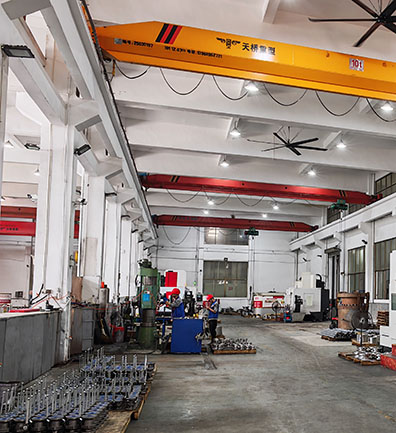

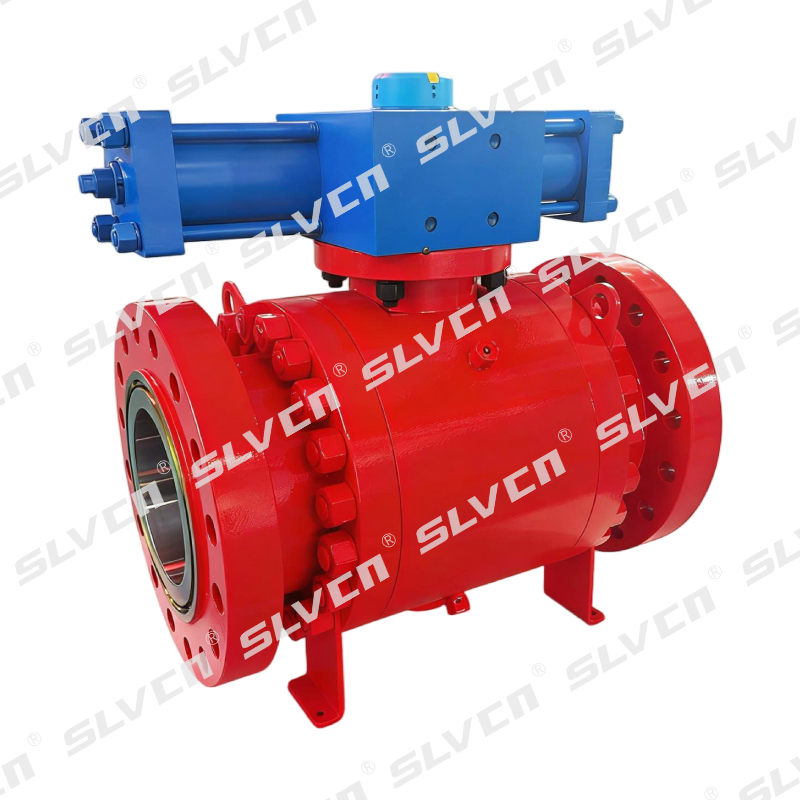
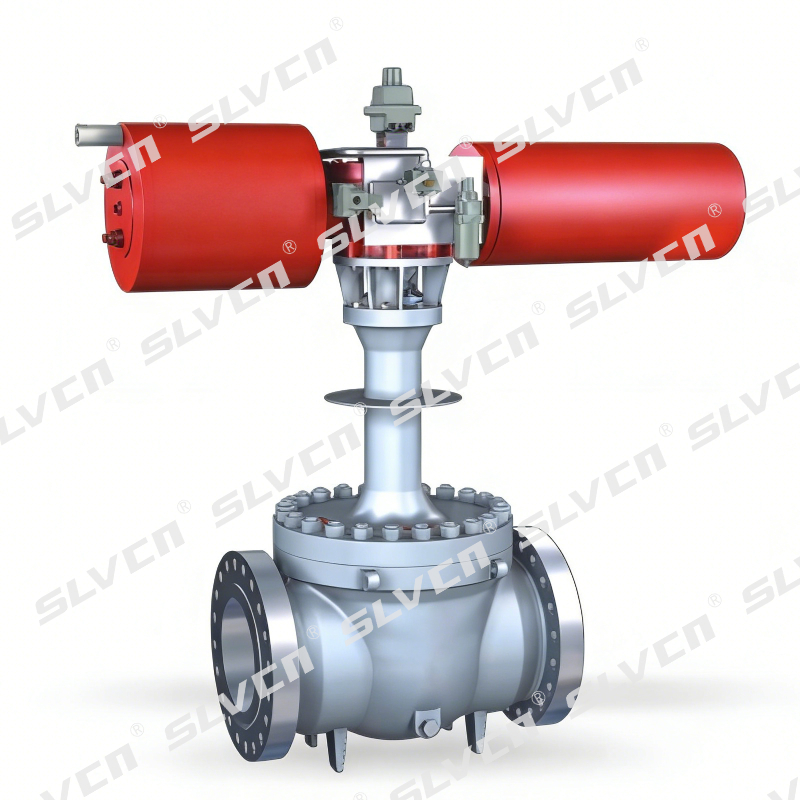
Our core product range covers forged trunnion-mounted and floating ball valves, top-entry and side-entry ball valves, fully welded ball valves, metal seated ball valves, cryogenic ball valves, high-pressure ball valves up to Class 2500 (PN420) and customized higher pressure ratings, as well as high-temperature service valves. Compared with conventional cast valves, SLVCN forged valves feature higher material density, superior mechanical strength, improved resistance to pressure fluctuations and thermal shock, and significantly longer service life under severe service conditions.
Designed for High Pressure, High Temperature, and Cryogenic Applications, SLVCN valves are widely used in long-distance oil & gas transmission pipelines, district heating underground networks, LNG storage and regasification terminals, offshore platforms and deepwater projects, power plants, refineries, compressor stations, and high-pressure chemical processing units. Whether handling flammable media, corrosive fluids, sour service media (H₂S), ultra-low temperatures, or extreme differential pressures, our valves ensure stable operation, bubble-tight shut-off, and maximum system safety in accordance with international sealing and performance standards.
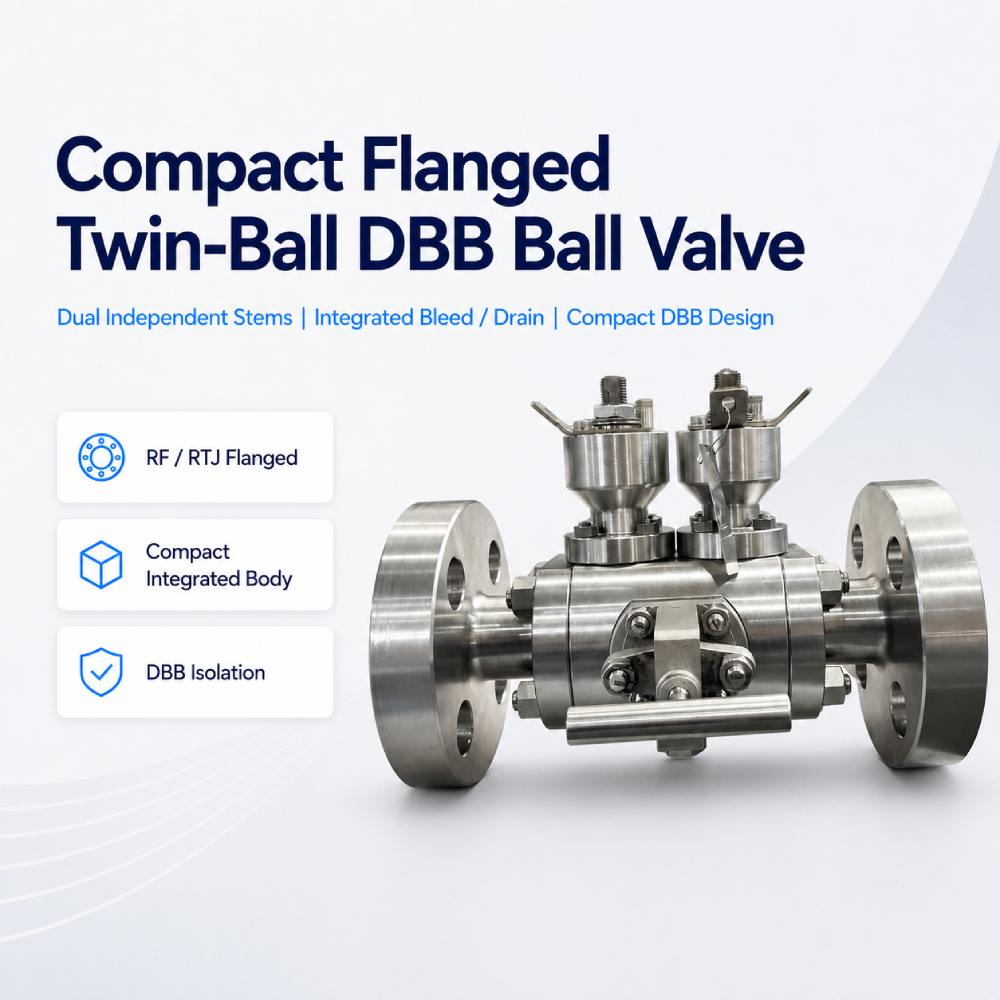
Safety and reliability are embedded in every design. Our forged ball valves are equipped with Double Block and Bleed (DBB) structures, anti-blowout stems, fire-safe designs in accordance with API 607 / API 6FA, anti-static devices, emergency sealing systems, and pressure-balanced seating structures suitable for high differential pressure operation. Valves can be designed with SPE or DPE seat configurations based on application requirements. For sour service environments, materials and sealing systems comply with NACE MR0175 / ISO 15156 requirements.
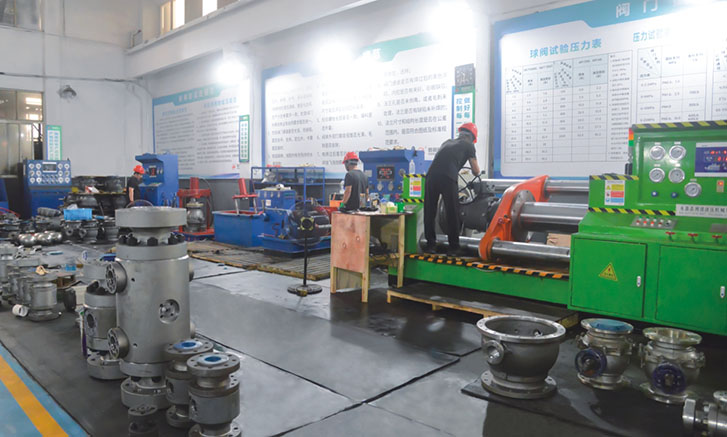
To ensure consistent quality, each valve undergoes a complete series of inspections and performance tests in accordance with API 6D, API 598, and ISO 5208, including shell test, seat leakage test (Rate A / zero visible leakage), fire-safe test, cryogenic test, operational torque test, dimensional inspection, and PMI material verification. SLVCN operates dedicated cryogenic testing facilities to validate valve performance at ultra-low temperatures down to −196°C.
SLVCN is certified to ISO 9001, CE, and API standards, and our products comply with API 6D, ASME B16.34, DIN, ANSI, and JIS specifications. We provide extensive customization capabilities covering sizes from 1/2” to 36”, full bore or reduced bore, special materials including A105, LF2, F11, F22, F51, Inconel, various soft and metal seat designs, and intelligent actuation with pneumatic, electric, and gear operators.
As smart cities evolve, underground district heating networks are adopting IoT digital monitoring and low-temperature geothermal distribution schemes. The role of the ball valve floating ball is expanding from a simple isolation device into a smart data-node within urban energy management platforms.
Equipped with low-power wireless stem-position sensors and pressure-transducer ports, modern buried valves communicate real-time valve status and leak alerts back to SCADA control centers without requiring manual chamber inspection.
4th Generation Low-Temperature District Heating (LTDH) operates at supply temperatures below 70°C. Optimized floating ball seals minimize friction, allowing ultra-low actuation torque and long battery-powered autonomous motorized operation.
Seamless outer jacket welding allows direct inclusion into EN 253 / EN 488 standardized pre-insulated underground pipe systems, eliminating thermal bridge heat loss through valve bodies.
Today, SLVCN serves customers in more than 100 countries and regions, supplying valves to EPC contractors, engineering companies, and end users across Europe, the Middle East, Southeast Asia, and the Americas. Backed by strong engineering expertise, advanced manufacturing, and rigorous quality control, SLVCN is committed to delivering safe, durable, and truly engineered valve solutions for the world’s most demanding industrial projects.
Inquire for Global Project SupplyTechnical clarity on floating ball valve selection for district heating and underground pipe engineering.
Explore our full line of engineered floating and trunnion ball valves designed for District Heating Underground Networks and industrial pipeline applications.


 18061659285

