


Leave Your Message
High-performance forged steel ball valves designed for integration with advanced pneumatic, electric, and electro-hydraulic actuators.


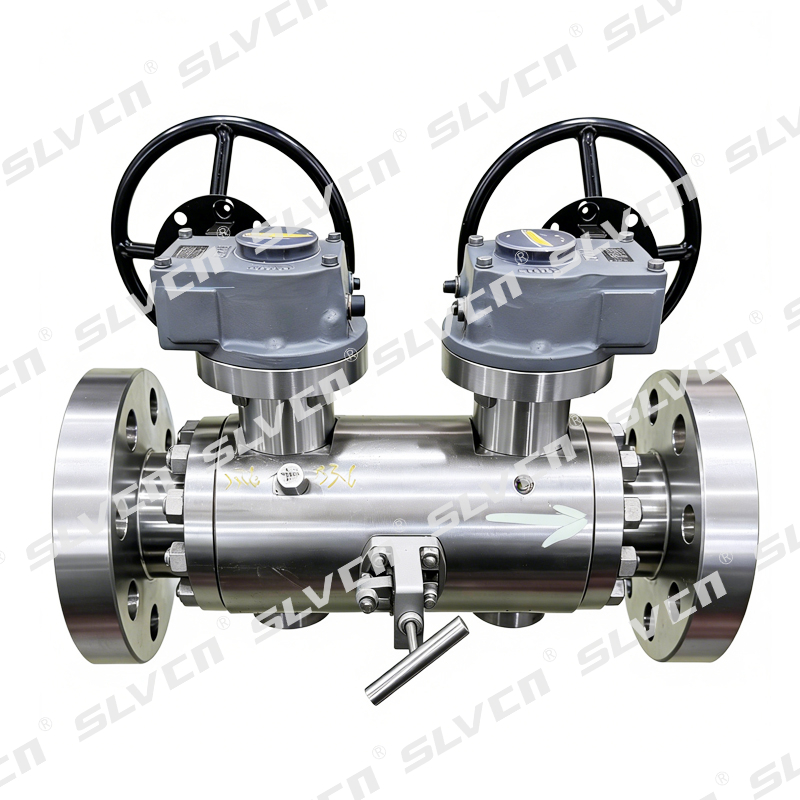
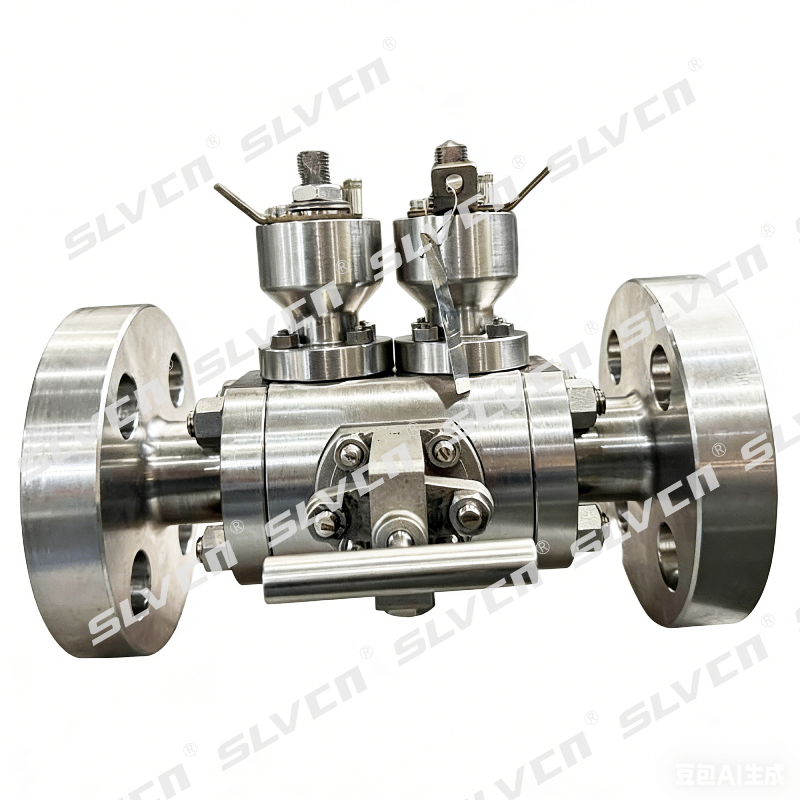
As the global energy infrastructure transitions toward cleaner fuels, natural gas continues to serve as a vital bridge. This transition has spurred the construction of massive, high-pressure, long-distance transmission networks. Modern gas pipelines spanning continents require nominal sizes from 24 to 56 inches (DN600 to DN1400) and operate under extreme pressures (Class 600, 900, 1500, and up to 2500). Managing flow control across these vast distances requires absolute precision, rapid response, and fail-safe automation.
In this high-stakes industrial landscape, the automated ball valve has emerged as the standard solution for isolating and regulating flow. Traditional manual operation is no longer viable for pipeline safety management. Instead, modern pipelines rely on integrated automation systems where valves are coupled with heavy-duty pneumatic actuators, gas-over-oil actuators, or electro-hydraulic systems. These systems are connected to centralized SCADA (Supervisory Control and Data Acquisition) systems to enable real-time monitoring and emergency shutdown (ESD) capabilities.
The global push for green energy has introduced a new challenge: hydrogen blending. Existing gas pipelines are increasingly being adapted to transport mixtures of natural gas and hydrogen. This shift demands automated ball valves with superior sealing capabilities, advanced materials resistant to hydrogen embrittlement, and extremely low fugitive emissions (complying with ISO 15848-1 standards) to maintain environmental compliance and system integrity.
Moreover, the integration of IoT sensors and smart positioners allows for predictive maintenance. By analyzing torque profiles, stroke speeds, and pressure drops across the valve, operators can detect wear on seats or stems before a failure occurs. This predictive approach minimizes costly pipeline downtime and enhances safety across remote areas.
Large-diameter gas pipelines pass through diverse and hostile environments. Automated ball valves must perform flawlessly under a wide range of conditions.
Compressor stations maintain the flow of gas along the pipeline. Automated valves here experience rapid cycling, high vibration, and significant pressure differentials. They require robust trunnion-mounted designs with high-torque actuators to ensure quick, reliable isolation during maintenance or emergency bypass situations.
Liquefied Natural Gas (LNG) processing and storage operate at cryogenic temperatures down to -196°C. Valves must feature extended bonnets to keep the packing warm, specialized lip seals, and materials like forged stainless steel or low-temperature carbon steel to prevent brittle fracture under extreme cold.
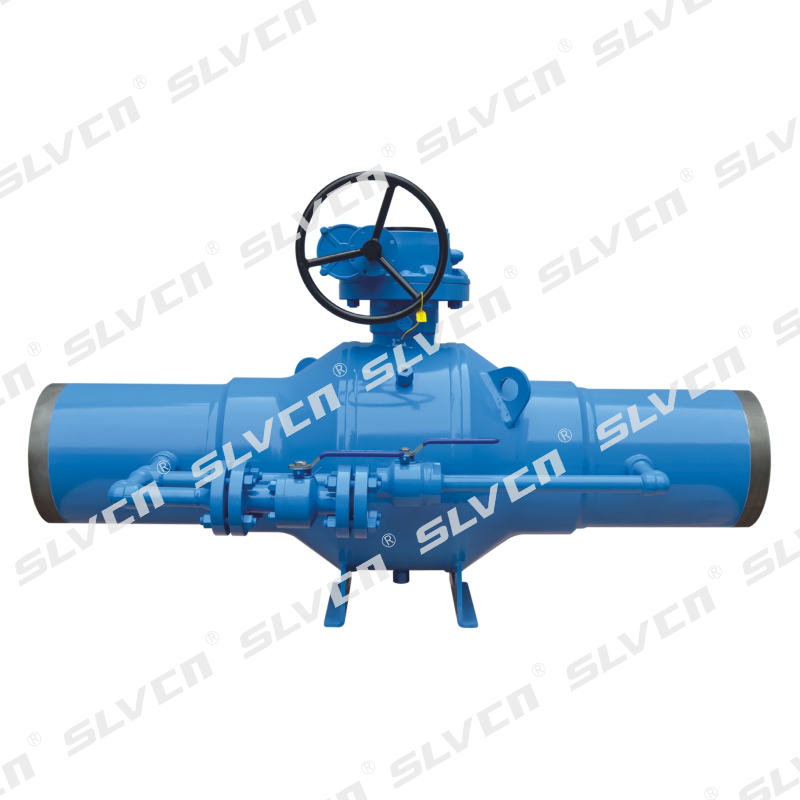
For cross-country lines, valves are often buried underground to protect them from external hazards. Fully welded ball valves with extended stems and automated gas-over-oil actuators are ideal here. The fully welded body eliminates potential external leak paths and stands up to soil stress and ground movement.
Operating large-diameter valves also introduces the challenge of operating torque. A 48-inch Class 900 ball valve requires massive torque to open or close under full differential pressure. To address this, manufacturers employ advanced trunnion-mounted designs with low-friction bearings and self-lubricating PTFE or metal-backed composite bushings. The seats are engineered to minimize friction while maintaining bubble-tight shut-off. This reduces the size, weight, and energy consumption of the actuator required for automation.
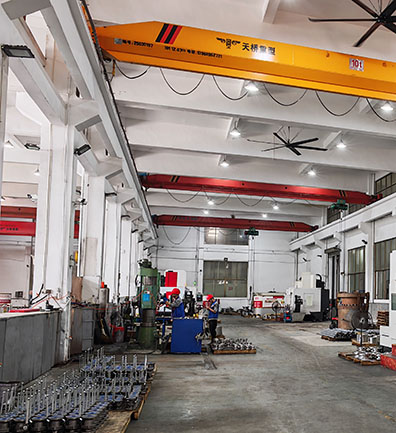


With over 30 years of manufacturing experience, SLVCN is a professional designer and manufacturer of high-performance forged steel ball valves for critical industrial applications. We specialize in extreme working conditions including high pressure, high temperature, and cryogenic environments, providing safe and reliable flow control solutions for global industrial projects where operational reliability is non-negotiable.
Our core product range covers forged trunnion-mounted and floating ball valves, top-entry and side-entry ball valves, fully welded ball valves, metal seated ball valves, cryogenic ball valves, high-pressure ball valves up to Class 2500 (PN420) and customized higher pressure ratings, as well as high-temperature service valves. Compared with conventional cast valves, SLVCN forged valves feature higher material density, superior mechanical strength, improved resistance to pressure fluctuations and thermal shock, and significantly longer service life under severe service conditions.
Contact Our EngineersDesigned for High Pressure, High Temperature, and Cryogenic Applications, SLVCN valves are widely used in long-distance oil & gas transmission pipelines, LNG storage and regasification terminals, offshore platforms and deepwater projects, power plants, refineries, compressor stations, and high-pressure chemical processing units. Whether handling flammable media, corrosive fluids, sour service media (H₂S), ultra-low temperatures, or extreme differential pressures, our valves ensure stable operation, bubble-tight shut-off, and maximum system safety in accordance with international sealing and performance standards.
Safety and reliability are embedded in every design. Our forged ball valves are equipped with Double Block and Bleed (DBB) structures, anti-blowout stems, fire-safe designs in accordance with API 607 / API 6FA, anti-static devices, emergency sealing systems, and pressure-balanced seating structures suitable for high differential pressure operation. Valves can be designed with SPE (Single Piston Effect) or DPE (Double Piston Effect) seat configurations based on application requirements. For sour service environments, materials and sealing systems comply with NACE MR0175 / ISO 15156 requirements.
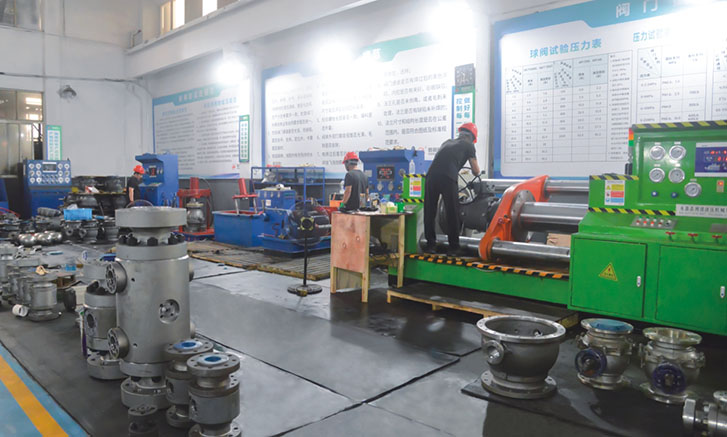
Ensuring absolute compliance and flawless operation under the most rigorous international standards.
To ensure consistent quality, each valve undergoes a complete series of inspections and performance tests in accordance with API 6D, API 598, and ISO 5208, including shell test, seat leakage test (Rate A / zero visible leakage), fire-safe test, cryogenic test, operational torque test, dimensional inspection, and PMI material verification. SLVCN operates dedicated cryogenic testing facilities to validate valve performance at ultra-low temperatures down to -196°C.
SLVCN is certified to ISO 9001, CE, and API standards, and our products comply with API 6D, ASME B16.34, DIN, ANSI, and JIS specifications. We provide extensive customization capabilities covering sizes from 1/2” to 36”, full bore or reduced bore, special materials including A105, LF2, F11, F22, F51, Inconel, various soft and metal seat designs, and intelligent actuation with pneumatic, electric, and gear operators.
Today, SLVCN serves customers in more than 100 countries and regions, supplying valves to EPC contractors, engineering companies, and end users across Europe, the Middle East, Southeast Asia, and the Americas. Backed by strong engineering expertise, advanced manufacturing, and rigorous quality control, SLVCN is committed to delivering safe, durable, and truly engineered valve solutions for the world’s most demanding industrial projects.

Automating a large-diameter ball valve requires a deep understanding of actuation dynamics. The actuator must provide sufficient torque to overcome the friction between the ball and the seats, the packing friction, and the dynamic fluid forces. Below are the primary actuation types integrated with SLVCN valves:
Typically used where compressed air or sweet pipeline gas is readily available. Double-acting or spring-return (fail-safe) configurations ensure the valve moves to a safe position (fully closed or fully open) in case of a power or signal loss.
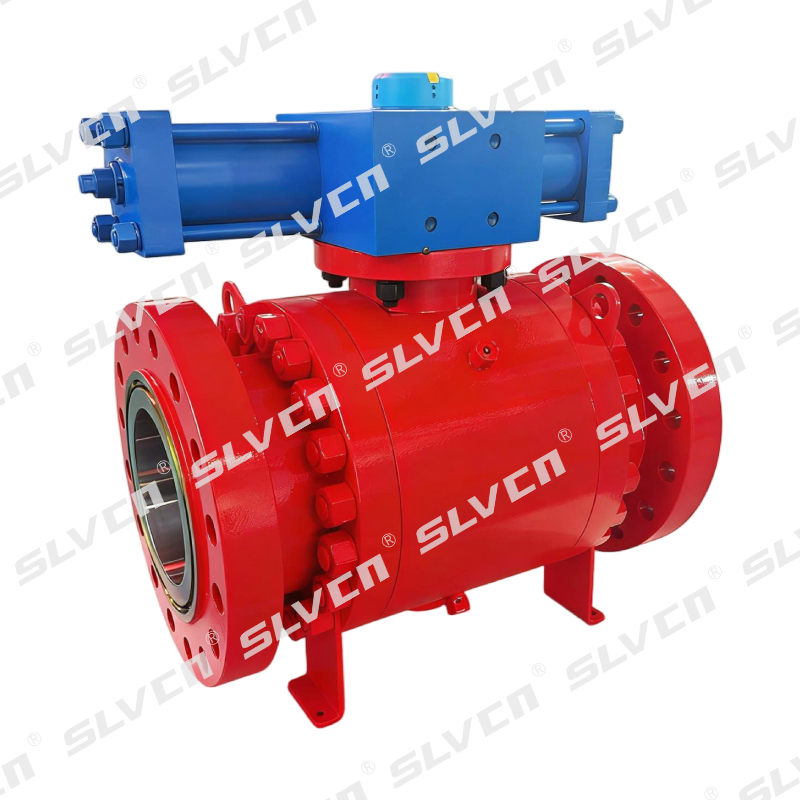
Ideal for cross-country pipelines. These systems use the high-pressure gas directly from the pipeline as the power source, converting it through a hydraulic medium to operate the valve. This eliminates the need for external electrical power lines in remote regions.
Offering the highest level of control and torque output. These actuators combine the precision of electronic control with the raw power of hydraulics. They are widely used in critical ESD (Emergency Shutdown) applications at terminal stations.
For safety-critical systems, SLVCN automated ball valves can be supplied with SIL 3 (Safety Integrity Level) certified control panels, solenoid valves, limit switches, and positioners. This ensures that the entire automated valve assembly meets the strict risk-reduction requirements of modern energy infrastructures.
Explore our full line of high-performance forged ball valves engineered for automated pipeline control.



 18061659285

